Move vs. Renovate: How to Make the Right Choice
Weighing move vs renovate? Get practical tips to compare costs, emotional factors, and key questions to help you make the right choice for your home.
|
June 17, 2026

In this article:
It’s a familiar feeling for many homeowners: you’re stuck. One day you’re convinced that selling is the only answer, and the next you’re sketching out plans for a new addition. This back-and-forth is a classic sign of decision paralysis, and the move vs. renovate question is full of variables that can keep you spinning in circles. The good news is you don’t have to stay stuck. By breaking the decision down into smaller, more manageable pieces—from your home’s physical limitations to your long-term life goals—you can find the clarity you need to stop wondering and start moving forward with confidence.
Key Takeaways
- Prioritize your location and lifestyle: Your decision starts with factors you can't change, like your neighborhood, schools, and community. If you love where you live but your house no longer fits, renovating is a powerful way to stay put while creating a home that works for you.
- Account for all the costs, hidden and obvious: Moving expenses include agent fees, closing costs, and immediate updates for the new place. Renovating requires a detailed budget for materials and labor, plus a contingency fund of 10 to 15 percent for unexpected issues.
- Prepare for short-term disruption for long-term gain: A renovation is temporarily messy and stressful, but the result is a home customized for your family. Weigh this temporary chaos against the reward of getting your perfect home without the emotional and logistical costs of moving.
Move vs. Renovate: What to Consider First
Deciding whether to update your current home or pack up and find a new one is a huge decision. It’s not just about finances; it’s about your lifestyle, your community, and your vision for the future. Before you get too deep into either Zillow scrolling or Pinterest board planning, it’s helpful to take a step back and look at the big picture. Thinking through a few key factors can bring a lot of clarity and help you feel confident about which path is right for you. Let's walk through the four main areas you should consider from the very beginning.
Your Home's Current Condition and Layout
Take an honest look at your home’s bones. Are the things that bother you mostly cosmetic, or are they deeper structural issues? A dated kitchen or a cramped bathroom are perfect candidates for a renovation. But if your home has major problems like a crumbling foundation, faulty wiring, or poor insulation, the cost and complexity of fixing them can escalate quickly. Think about the layout, too. If you need an extra bedroom and there’s no logical place to add one, moving might be the simpler solution. However, if you have a strong emotional connection to your home and its issues are fixable, a customized renovation plan can transform it into a space that truly works for you.
Your Long-Term Lifestyle Goals
Think about where you see yourself in the next five to ten years. Is your family growing, or are you about to become an empty nester? Maybe you’ve transitioned to permanent remote work and desperately need a dedicated home office. If your current home holds a lot of precious memories, renovating allows you to preserve that history while adapting the space for your next chapter. The goal is to make your home fit your life, not the other way around. If a renovation can help you achieve your long-term goals, like aging in place with a more accessible layout, it’s often a worthwhile investment in your future happiness and comfort.
Your Neighborhood and Community
You can change your house, but you can’t change its location. How do you feel about your neighborhood? If you have great neighbors, are part of a tight-knit community, and love being close to your favorite parks and coffee shops, leaving that behind can be tough. For families with children, the quality of local schools and the disruption of moving kids away from their friends are major considerations. If you’re already in a place you love, staying put and renovating might be the best choice. The comfort and stability of a beloved community is something a new house in a different area can’t always replace.
Local Market Trends
Take a peek at the current housing market in your area. A hot seller's market might mean you can get a great price for your current home, but it also means you’ll be buying in that same competitive environment. You could face bidding wars and a limited inventory of homes that meet your criteria. Conversely, in a buyer's market, you might not get the price you want for your home, making it harder to finance a move. Understanding these market dynamics is crucial. If finding a new home that you love more than your current one seems like a major challenge, focusing your energy and budget on a renovation could be the smarter move.
The Real Costs of Moving vs. Renovating
Deciding whether to move or renovate often comes down to the numbers. While it might seem like one path is clearly more affordable than the other, both options come with a mix of obvious, and not-so-obvious, expenses. Getting a clear picture of the total financial commitment for each scenario is the first step toward making a choice you feel confident about. Let’s break down the real costs you can expect with both moving and renovating.
The True Cost of Moving
At first glance, the costs of moving can seem more straightforward. Many of the largest expenses, like agent commissions and closing costs, are often rolled into your new mortgage. Beyond the down payment, you’ll need to budget for movers, packing supplies, and potential overlap in rent or mortgage payments. Don't forget to account for less obvious expenses, such as transfer taxes, setting up new utilities, and any immediate repairs or cosmetic updates your new house might need. These costs add up quickly and can easily turn a seemingly affordable move into a major financial stretch.
The True Cost of Renovating
Renovation costs can feel a bit more abstract until you have a solid plan. Unlike moving, these expenses are typically paid for with savings, home equity, or a personal loan. The total price tag depends on the scope of your project, the materials you choose, and labor costs in your area. This is where careful planning becomes essential. Working with an advisor to create a detailed budget from the start can demystify the process. A clear, itemized plan helps you understand exactly where your money is going and gives you the financial clarity needed to begin your project with confidence.
Common Hidden Expenses
Both moving and renovating are notorious for surprise costs. When you renovate, opening up a wall can reveal unexpected issues like outdated wiring, plumbing problems, or mold that must be addressed. It’s a smart practice to set aside a contingency fund of at least 10-15% of your total project budget to cover these unknowns. Moving has its own hidden expenses, too. You might face costs for breaking a lease, storage fees if your move-in and move-out dates don’t align, or discovering that your old furniture doesn’t quite fit the new space, forcing you to buy new pieces.
How to Finance a Renovation
If you decide that renovating is the right path, you have several options to fund your project. Many homeowners use cash from their savings, but financing is also a popular route. You could consider a home equity line of credit (HELOC), a home equity loan, or a cash-out refinance, all of which allow you to borrow against the value you’ve already built in your home. The best option depends on your financial situation, current interest rates, and your long-term goals. Understanding your project's potential return on investment can also help you secure financing and make a sound financial decision, which is a key part of the Realm process.
Weighing the Emotional Factors
The move-or-renovate debate isn't just a numbers game. While budgets and market trends are critical, your final decision often comes down to something much more personal: how you feel. A home is more than an asset on a balance sheet; it’s the backdrop for your life’s most important moments. Ignoring the emotional side of this choice means ignoring a huge piece of the puzzle. You might find that the perfect house on paper can’t replace the feeling of being in a community you love, or that the stress of a renovation is a small price to pay for staying in a home filled with happy memories.
This decision requires you to look inward and consider what truly matters to you and your family. It’s about balancing the comfort of the familiar with the excitement of the new. Are you attached to the physical structure of your house, or is it the life you’ve built within its walls and the neighborhood around it? To help you sort through these feelings, let’s explore the sentimental value of your home, the impact of leaving your community, the realities of living through a renovation, and some common misconceptions that can make this choice feel even more complicated.
The Sentimental Value of Your Home
Your home is where you’ve made countless memories. It’s seen first steps, holiday gatherings, and quiet family dinners. If your house is the keeper of these special moments, the thought of leaving can be painful. Renovating offers a powerful alternative: you can keep those memories intact while updating your space to better suit your family’s current needs. You get to hold onto the heart of your home, the place where your story has unfolded, while creating a fresh canvas for the chapters to come. It’s a way to honor your past without being stuck in it.
The Impact of Leaving Your Community
A home extends beyond its four walls. It includes the neighbors who have become friends, the familiar faces at the local coffee shop, and the comfort of your kids’ school district. Before you decide to move, consider the life you’ve built in your neighborhood. Leaving means more than just packing boxes; it can disrupt your family's life and uproot the support system you rely on. A new house in a different area might offer more space or modern features, but will it offer the same sense of belonging? Weigh the convenience of a new floor plan against the comfort of a community where you feel truly at home.
Short-Term Disruption vs. Long-Term Happiness
Let’s be honest: living through a renovation is challenging. For a while, your home will be a dusty, noisy construction zone, and your daily routine will be upended. Projects often take longer and are more involved than homeowners initially expect. This short-term chaos is a significant factor to consider. However, you have to weigh it against the long-term happiness of living in a home that is perfectly tailored to you. With a clear plan and the right support, you can get through the temporary disruption. Having an expert guide to manage the process can make the experience much smoother, allowing you to focus on the exciting outcome.
Common Misconceptions That Complicate the Decision
A few common myths can make the decision to renovate feel more daunting than it needs to be. One is the idea that you should only renovate your "forever home." In reality, smart updates can significantly increase your home's value, making it a wise investment even if you plan to sell in a few years. Another misconception is that you have to figure it all out on your own. Many homeowners buy a house with plans to renovate but get overwhelmed by the process and put it off indefinitely. You don’t have to be a project manager to create your dream home; you just need the right partner to help you build a realistic plan and connect you with vetted professionals.
When to Renovate vs. When to Move
Deciding whether to update your current home or pack up and find a new one is a classic head-versus-heart dilemma, but with sledgehammers and moving trucks involved. This section is about getting practical. We'll look at the specific scenarios that tip the scales in one direction or the other. It’s not just about money or square footage; it’s about finding the path that best aligns with your finances, your tolerance for disruption, and your vision for the future. By breaking down the signs and situations for each choice, you can move forward with a clearer head and more confidence in your decision.
When Renovating Makes Financial Sense
If you love your neighborhood but your house is bursting at the seams, renovating is often the logical choice. Expanding your current home can be a smart investment. Even if you plan to move later, strategic improvements can significantly increase your home's value and make it more appealing to future buyers. If you have the space on your property, a major addition like a new primary suite, a second story, or a garage can give you the exact features you’re looking for without the hassle of house hunting. It’s about making your current location work better for your long-term needs.
The Real Challenges of Renovating
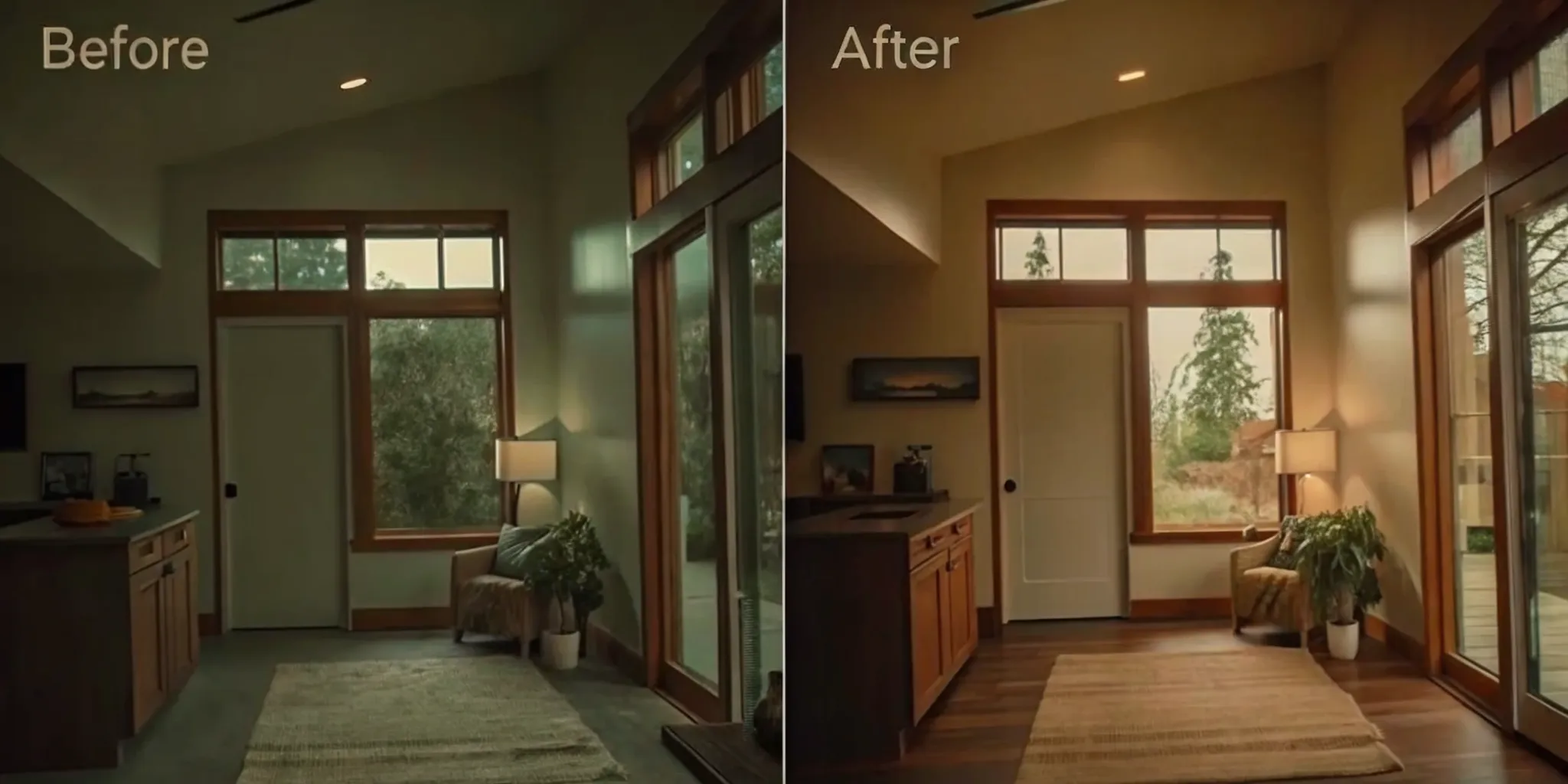
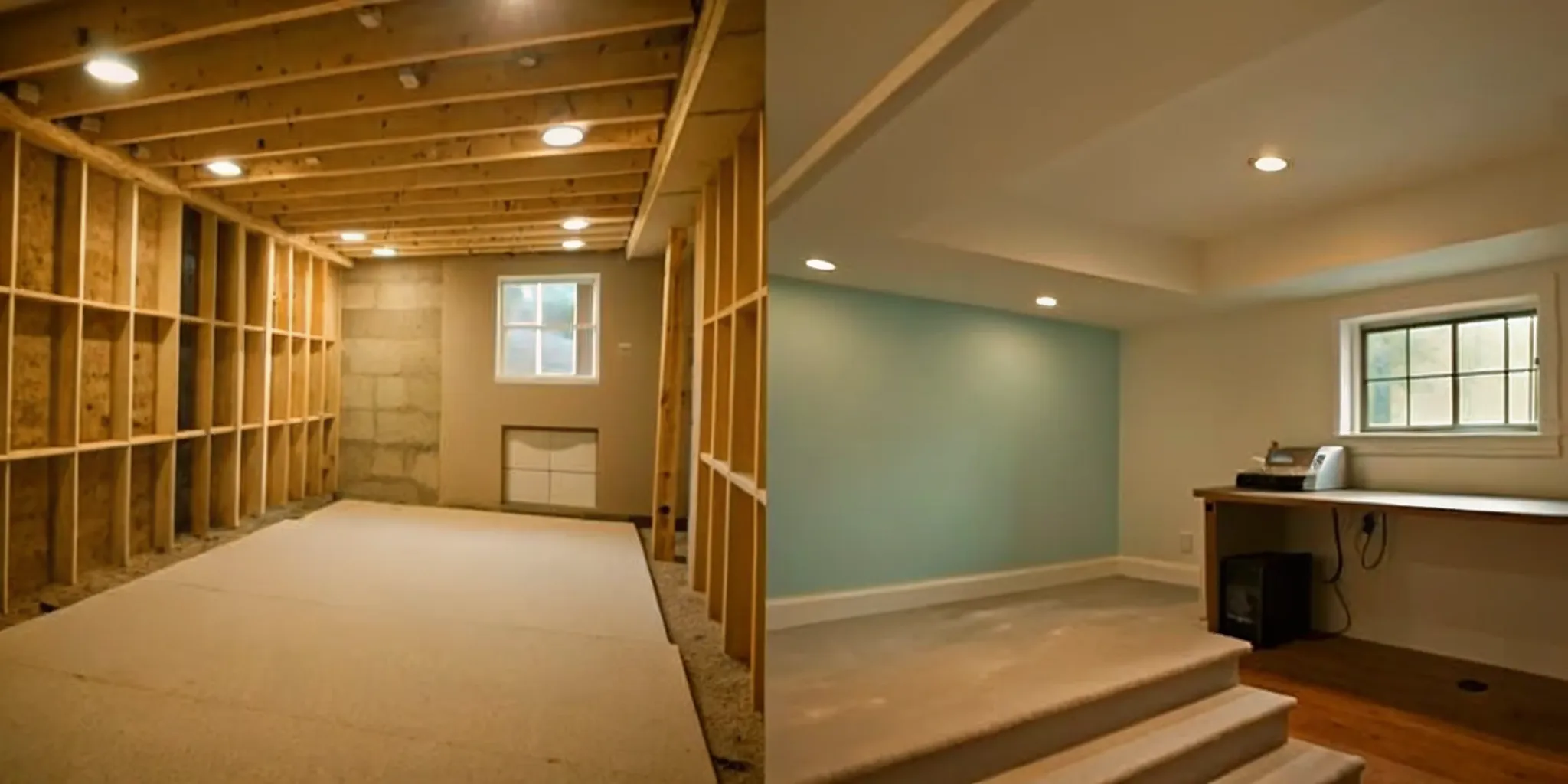
While the "after" photos are always glorious, the "during" can be tough. Renovations are known for being expensive, messy, and stressful. Your home will be a construction zone for weeks or even months, which can disrupt your daily life. It’s also wise to plan for the unexpected. Many homeowners find they spend 10-15% more than planned because of unforeseen issues, like discovering faulty wiring once a wall is opened. Finding and managing reliable contractors can also be a major headache, adding another layer of complexity to the process. This is where having a trusted partner can make all the difference.
What to Expect When Living Through a Renovation
Let's be honest: living through a renovation is hard. Experts and homeowners agree that projects often "cost more, take longer, and are more cumbersome than you think." Dust will be everywhere, you might lose access to your kitchen or a bathroom for a while, and the constant noise can be draining. For very large projects, like a whole-home remodel or a major addition, you might even need to move out temporarily to give the crew the space they need to work efficiently and safely. Planning for this disruption, both emotionally and financially, is a critical step that many people overlook.
Signs It's Time to Move
Sometimes, no amount of renovation can fix the core issue. If your desire for change is tied to location, it’s a clear sign that moving is the right path. Maybe you want to be in a different school district, have a shorter commute, or simply experience a new neighborhood vibe. If your home's problems are structural or more extensive than you can afford to fix, moving might also be the more practical choice. However, if your current home is in a great neighborhood with good schools and a strong sense of community, think twice. As many homeowners will tell you, it's wise not to give up a good location easily.
How to Make the Final Decision
You’ve weighed the costs, considered the emotional factors, and looked at the market. Now it’s time to put all the pieces together and make a choice that feels right for you and your family. This decision isn't just about numbers on a spreadsheet; it's about where you want to build your life. Answering a few key questions, creating a realistic plan, and knowing you have support can bring clarity and confidence to your final decision.
Key Questions to Ask Yourself
Before you get lost in budgets and floor plans, take a moment to think about what truly matters. Do you love your neighborhood? If your life is deeply rooted in your community, with close friends, great schools, and favorite local spots, renovating might be the clear winner. Moving could mean starting over in more ways than one. Also, consider the timing. Is the current housing market favorable for selling and buying? More personally, are you anticipating any big life changes, like a new job or your kids switching schools, that could be complicated by a move? Finally, listen to your heart. If your home is filled with cherished memories, renovating allows you to hold onto that history while creating a space that better fits your life today.
How to Plan and Budget for a Renovation
If you’re leaning toward renovating, a solid plan is your best friend. Start by getting a realistic picture of the costs. Most renovations are paid for out-of-pocket, so you’ll need to figure out your funding source, whether it's savings or a home equity loan. It’s also smart to build a cushion into your budget. Unexpected issues can pop up, and experts suggest planning for costs to run 10% to 15% over the initial estimate. To create an accurate budget, you’ll need to get detailed cost breakdowns from designers, architects, and contractors. Make sure these quotes include everything: design, permits, materials, and labor. A thorough plan prevents financial surprises and helps ensure your project stays on track.
How Realm Helps You Renovate with Confidence
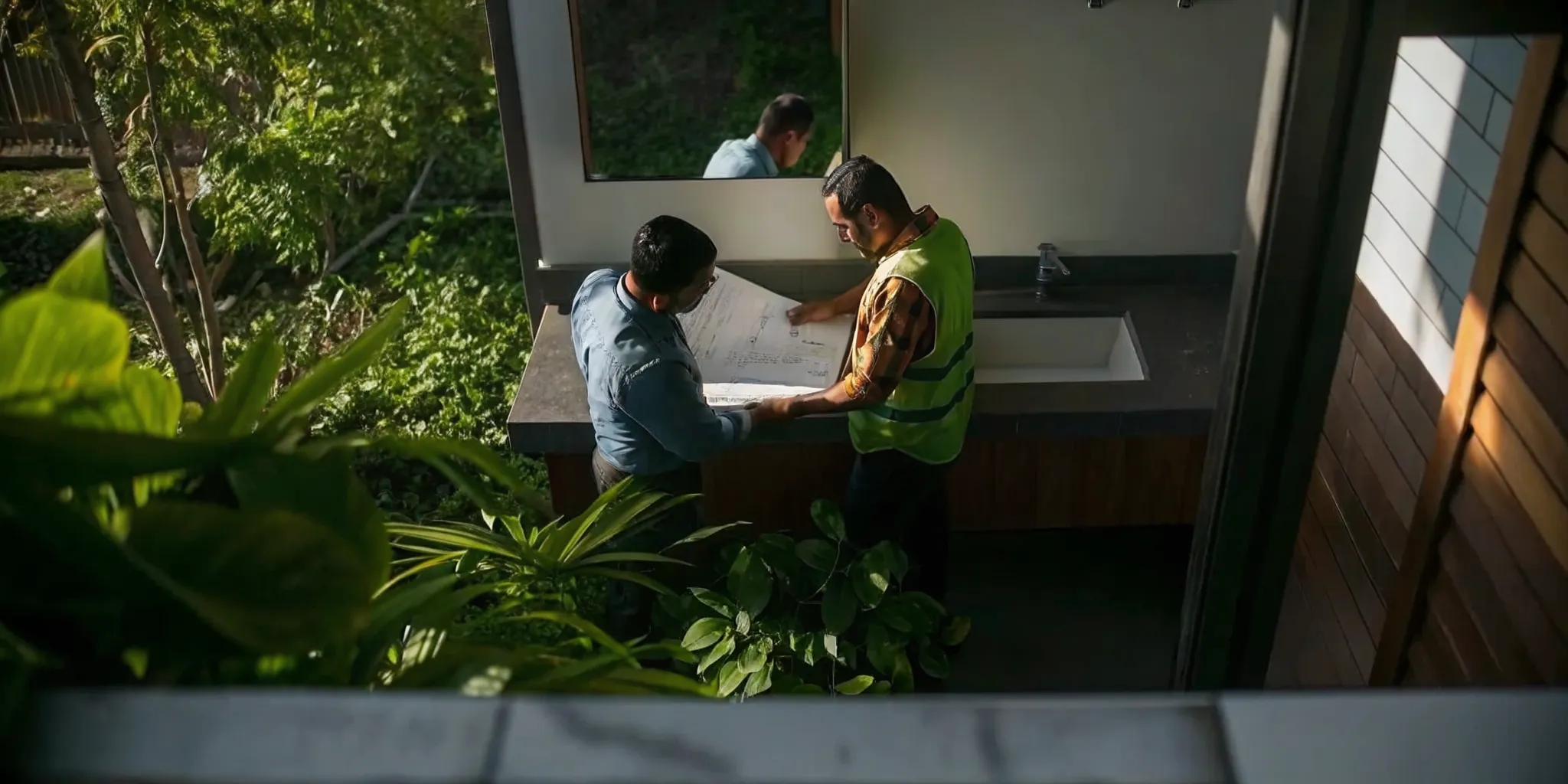
Making this decision and planning a renovation can feel overwhelming, but you don’t have to do it alone. While a renovation might not always offer a dollar-for-dollar return on investment, its value in improving your daily life and happiness can be priceless. The right project can transform how you feel in your own home. At Realm, we provide the expert guidance you need to make that happen. Your dedicated Realm advisor will help you create a custom renovation plan, set a realistic budget, and connect you with vetted contractors. We’re here to give you the data and support to renovate with total confidence, ensuring the final result is a home you truly love.
Related Articles
- Renovate Or Wait?
- Your Residential Remodel Construction Step-by-Step
- Home Renovation Financing in 2026: Should I Renovate or Move?
- 8 Steps to a House Renovation Design and Plan
- 2026 Home Renovation Trends: What 2025 Taught Us and What’s Next
Frequently Asked Questions
Is renovating always the cheaper option? Not necessarily. A small cosmetic update will almost certainly cost less than moving, but a large-scale renovation can easily rival the costs associated with buying a new home. When you move, you have to account for agent commissions, closing costs, moving expenses, and potential repairs on the new property. When you renovate, the price depends entirely on your project's scope. The best way to compare is to get a realistic, all-in budget for your desired renovation and weigh that against the total estimated cost of selling your home and buying another in your target area.
How can I tell if my home's problems are cosmetic or something more serious? Think of it this way: cosmetic issues are typically surface-level things you can see, like dated countertops, worn-out flooring, or an awkward paint color. They affect how your home looks but not how it functions. Serious problems are usually hidden within the structure or systems of your house. These include things like a leaky roof, outdated electrical wiring, plumbing issues, or foundation cracks. If you suspect a problem goes deeper than the surface, it's always best to get a professional assessment before making any decisions.
I'm worried about the stress of a renovation. How can I make it more manageable? The key to a less stressful renovation is thorough planning. Much of the anxiety comes from surprises, especially financial ones. You can make the process much smoother by creating a detailed plan and a realistic budget (with a 10-15% contingency fund) before any work begins. Understanding the timeline and preparing for the temporary disruption to your routine also helps set clear expectations. Working with an experienced advisor who can manage the project and vet professionals for you removes a huge amount of that stress from your shoulders.
Will I get my money back on a renovation when I sell my house? While some projects have a better return on investment than others, it's helpful to think about the value in two ways: financial value and lifestyle value. Smart updates, especially to kitchens and bathrooms, can certainly increase your home's market price. However, it's rare for a project to provide a 100% return in cash. The other, equally important, return is the enjoyment you get from living in a space that is perfectly suited to your needs. That improvement to your daily life is a value that you can't put a price on.
What's the very first step I should take if I think renovating is right for me? Before you start collecting paint chips or calling contractors, your first step should be to define your goals and get a clear understanding of the potential cost and scope. Ask yourself what you truly want to achieve with the renovation. Do you need more space, better flow, or modern updates? Once you have a vision, the next move is to develop a realistic plan and budget. This is where expert guidance is invaluable, as it helps you see what's possible with your home and your finances before you commit to a specific path.