Home Addition Cost Sacramento: Planning Guide
Start planning your home addition cost Sacramento budget with clear cost drivers, permit steps, bid comparisons, and practical timeline advice.
|
June 25, 2026
In this article:
If you are researching home addition cost Sacramento, the most useful starting point is not a single price per square foot. It is a clear definition of what you want to build. How your existing home will need to change, and which site and permit conditions apply to your property. A simple bedroom addition, a primary suite with plumbing, and a second-story expansion can have very different design, engineering, and construction requirements.
This guide explains the decisions that shape an addition budget, the planning and permit sequence, common timeline risks, and how to compare contractor bids fairly. It also shows where to build flexibility into your plan so you can make informed choices without treating an early estimate as a guarantee.
Home Addition Cost Sacramento: What drives home addition cost in Sacramento?
The cost of an addition reflects much more than its finished square footage. Contractors must connect new construction to an existing structure, protect the occupied portions of the home, and coordinate work that may uncover hidden conditions. A reliable early budget therefore starts with scope and feasibility.
Size, layout, and intended use
A larger addition generally requires more materials and labor, but room type matters just as much as size. A family room may have relatively straightforward utility needs. A new bathroom, kitchen extension, or primary suite adds plumbing, electrical, ventilation, fixtures, waterproofing, cabinetry, and finish decisions. Complex rooflines, large openings, and custom windows can also raise design and installation effort.
Structural and site conditions
Your existing foundation, framing, roof, and soil conditions affect how the addition can be connected safely. A structural engineer may need to specify new footings, beams, shear walls, or reinforcement. Limited access for crews and equipment can also affect labor planning. Trees, easements, drainage, grading, and utility locations may influence where an addition can sit on the lot.
Design, permits, and professional services
A complete budget should account for design development, construction drawings, engineering, permit review, and required inspections. The exact requirements depend on the property and its jurisdiction. Verify current rules and fees with the relevant Sacramento-area planning and building department rather than relying on a generic online estimate.
Finish level and owner selections
Flooring, windows, doors, lighting, tile, plumbing fixtures, cabinetry, and hardware create a broad range of possible costs. Decisions made late can create change orders or delays. Set a realistic finish standard early, and ask each bidder to use the same assumptions and allowances.
For a broader overview of the variables involved, see Realm's guide to how much a home addition costs.
How addition types change the budget
The right addition type depends on your goals, lot, existing structure, and tolerance for disruption. Comparing options during feasibility can reveal a better path before you invest heavily in drawings.
| Addition type | Main planning considerations | Potential budget pressures |
|---|---|---|
| Ground-floor room addition | Setbacks, lot coverage, yard space, foundation, and connection to the existing floor plan | Excavation, foundation work, roof tie-in, exterior finishes, and site access |
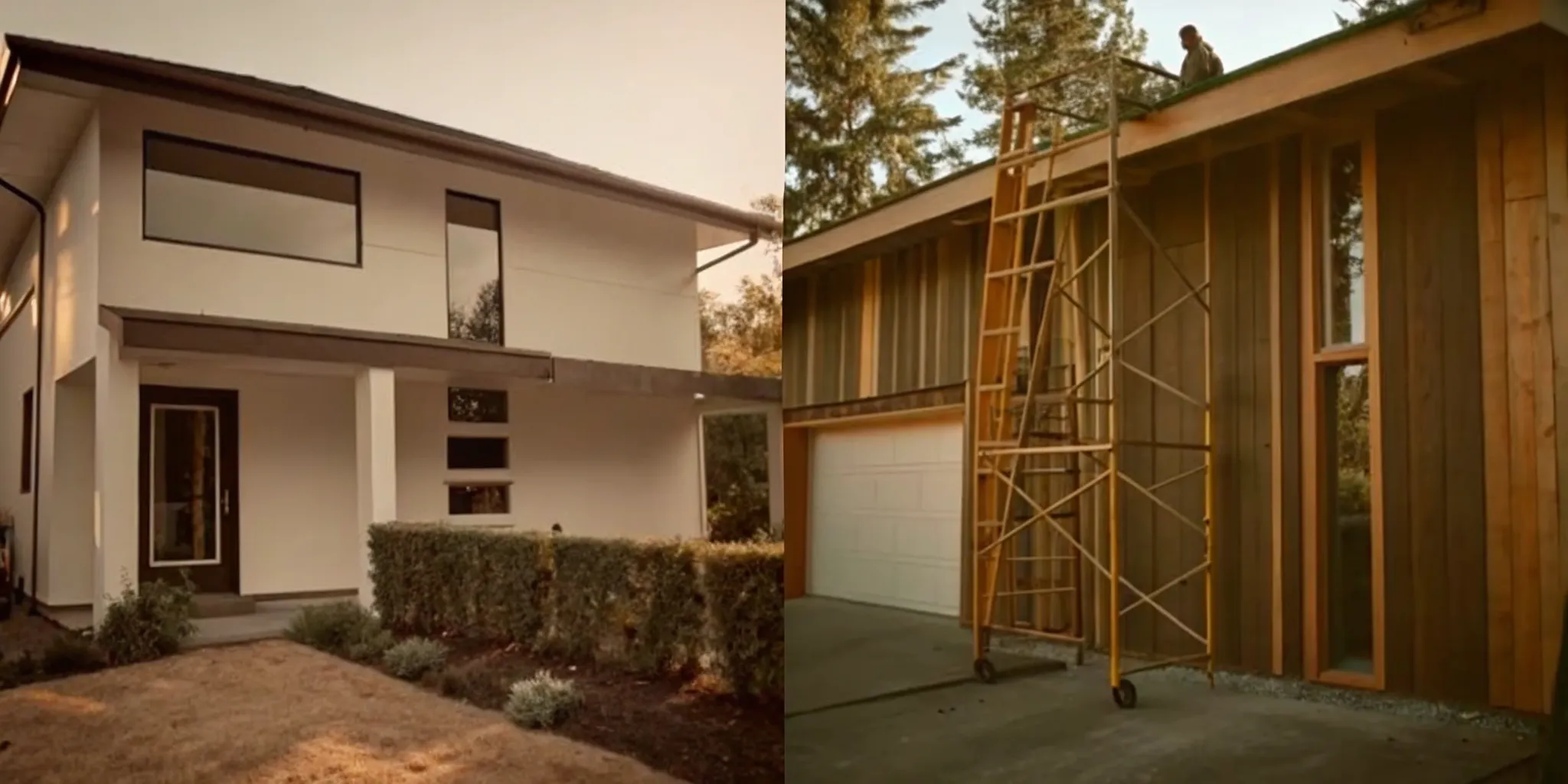
| Second-story addition | Existing foundation and framing capacity, stair placement, roof removal, and temporary weather protection | Structural reinforcement, engineering, extensive interior disruption, and complex sequencing |
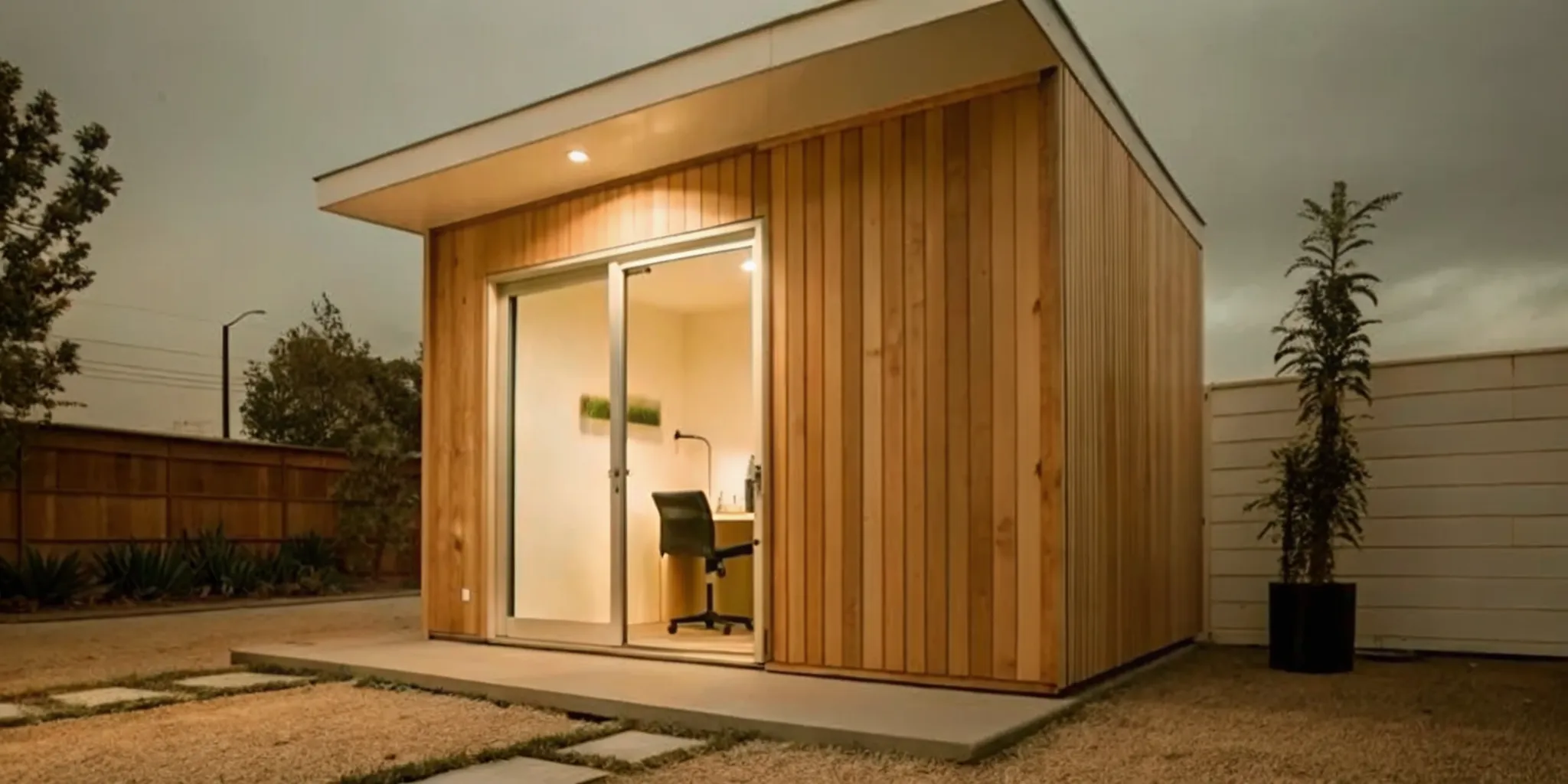
| ADU or detached addition | Utility connections, access, privacy, separate systems, and local ADU requirements | Independent kitchen and bath systems, trenching, utility upgrades, and a complete exterior envelope |
Ground-floor additions
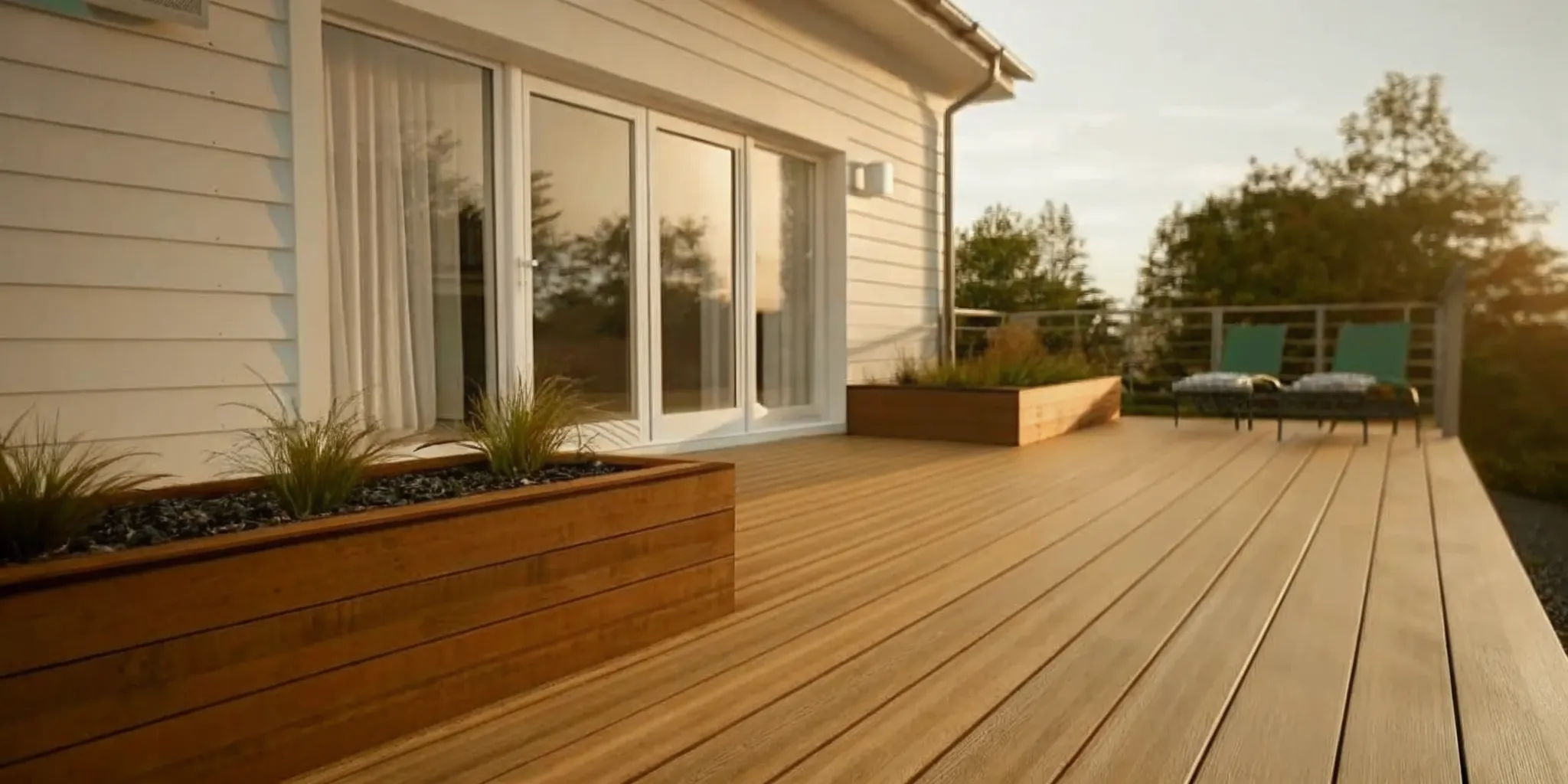
A ground-floor addition can be a natural choice when the lot has room and the existing layout allows a clean connection. It avoids building over occupied space, but it requires new foundation work and may reduce outdoor area. Confirm setbacks, easements, and lot coverage before assuming a preferred footprint will work.
Second-story expansions
A second story preserves yard space and can add substantial living area. It also demands careful structural analysis. The project may require foundation or framing reinforcement, a redesigned roof, and a new stair location. Homeowners should plan for significant disruption and discuss whether they can remain in the house during construction.
ADUs and independent living spaces
An accessory dwelling unit can support multigenerational living, guests, or other long-term needs. Because it often includes a kitchen, bathroom, separate utilities, and a complete building envelope, its cost profile differs from that of a simple room addition. Explore Realm's ADU planning resources when comparing these options.
How do you plan and permit a Sacramento home addition?
A disciplined planning process reduces expensive redesigns and makes contractor bids more comparable. The sequence below is a practical framework, but every property and jurisdiction can introduce additional requirements.
- Define goals and priorities. List the spaces you need, how they should function, preferred finish level, and features you could remove if the budget requires it.
- Confirm feasibility. Review property records, zoning constraints, setbacks, easements, lot coverage, utilities, and the likely structural approach. Identify questions that require a designer, engineer, or local agency.
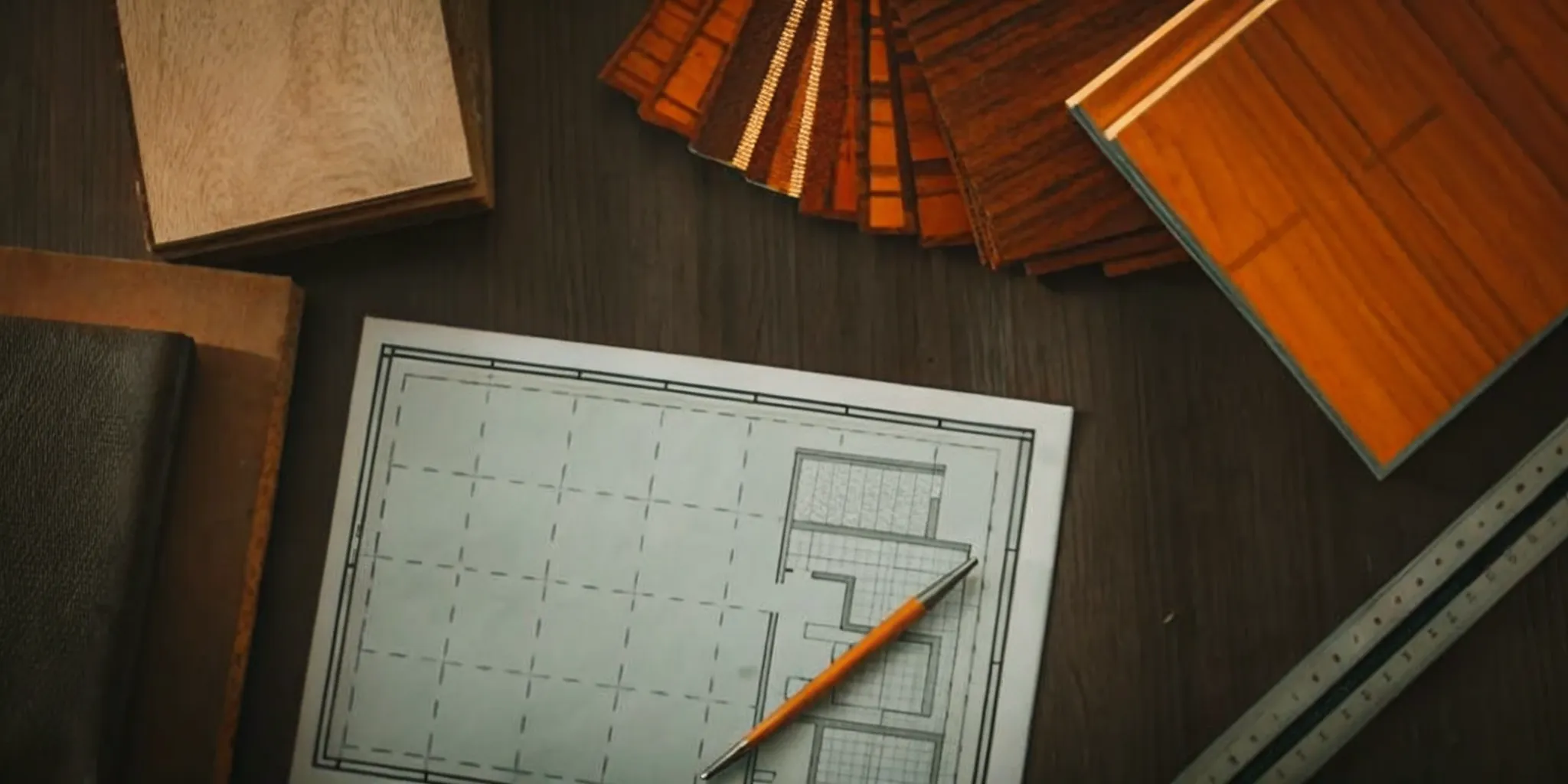
- Develop the design. Test layout options and select a direction before completing detailed drawings. Consider circulation, natural light, storage, furniture placement, and the connection between old and new spaces.
- Prepare permit documents. Complete the drawings and engineering needed for plan review. Confirm the submittal requirements and current process with the authority having jurisdiction.
- Submit and respond to comments. Plan reviewers may request clarifications or revisions. Prompt, coordinated responses can help keep the review moving.
- Finalize contractor scope and selections. Use the approved or near-final documents to solicit detailed bids. Resolve major allowances and exclusions before signing.
- Build, inspect, and close out. Construction proceeds through required inspections. At completion, document final approvals, warranties, product information, and unresolved punch-list items.
Why feasibility comes first
It is easy to become attached to a layout before confirming whether it fits the lot or existing structure. Early feasibility work turns unknowns into decisions. It can also help you compare a modest ground-floor addition with a more complex second story before paying for a complete design.
Plan for review and revisions
Permit review is not merely an administrative step. It can reveal code, engineering, or documentation issues that affect the scope. Build time for review comments into the schedule and keep contingency in the budget until approvals and contractor pricing are well defined.
What can extend a home addition timeline?
A home addition schedule includes design, engineering, permits, procurement, construction, inspections, and closeout. The build itself is only one phase. Early schedules should be treated as planning tools that become more reliable as selections, approvals, and site conditions are confirmed.
Incomplete decisions and design changes
Changing the layout after engineering or permit documents are underway can trigger redesign and another round of coordination. Make major decisions early and establish a process for approving later changes. Ask how a proposed change will affect both cost and schedule before authorizing it.
Long-lead materials and procurement
Custom windows, doors, cabinetry, specialty fixtures, and electrical equipment may require advance ordering. A contractor should identify long-lead items and connect ordering dates to the project schedule. Substitutions can be useful, but they should be reviewed for fit, performance, warranty, and design impact.
Hidden conditions
Opening walls or excavating near an existing home can reveal conditions that were not visible during planning. Old wiring, damaged framing, undocumented work, or unexpected soil conditions may require correction. A sensible contingency helps homeowners respond without derailing the entire project.
Inspection corrections and trade coordination
Construction moves through linked activities. A delay in framing, plumbing, electrical, or inspection can affect the work that follows. Ask bidders who will manage the schedule, how often you will receive updates, and how they handle inspection corrections or missed milestones.
- Finalize important selections before construction starts.
- Confirm who owns each permit and inspection task.
- Review a written schedule with key decision dates.
- Keep a documented change-order process.
- Set a consistent communication cadence.
How should you compare contractor bids?
The lowest total is not automatically the best value. A bid may appear lower because it excludes work, uses smaller allowances, or assumes a different finish standard. The goal is to compare the same scope, assumptions, and quality expectations across every proposal.
Require a clear scope
Each proposal should describe demolition, site protection, structural work, utilities, finishes, permits, cleanup, and closeout responsibilities. Look for explicit exclusions. If one contractor includes painting, flooring, or temporary facilities and another does not, adjust the comparison before evaluating totals.
Review allowances and selections
An allowance is a placeholder, not a final price. Ask what quantity and quality level it assumes, whether it includes tax and delivery, and what happens if the actual selection costs more or less. Align allowances among bidders so one proposal does not look artificially inexpensive.
Evaluate the team and process
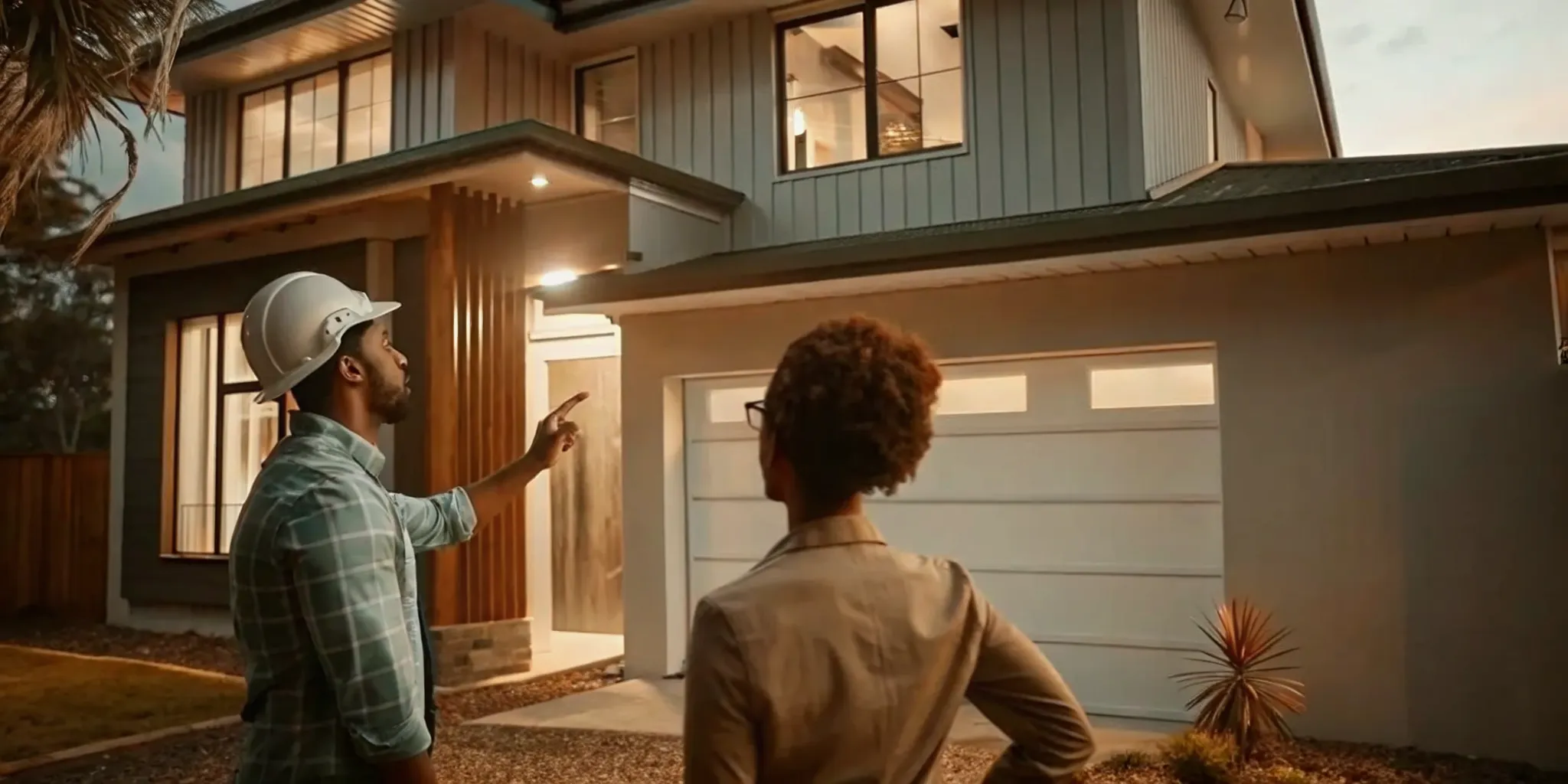
Confirm applicable licensing and insurance, check relevant references, and ask who will supervise the site. Discuss communication, quality control, payment milestones, change orders, and how the contractor documents decisions. The California Contractors State License Board is an appropriate source for checking current license information.
Use an apples-to-apples checklist
- Does the proposal reference the same drawing set and revision date?
- Are labor, materials, permits, cleanup, and disposal addressed?
- Are allowances and exclusions easy to identify?
- Is the schedule supported by a realistic sequence?
- Are payment milestones tied to progress?
- Is there a written process for changes and unforeseen conditions?
- Who is responsible for inspections, corrections, and closeout documents?
Realm can help homeowners clarify project priorities and connect with vetted renovation professionals. Learn more about how Realm works before you begin bid comparisons.
How can you build a more reliable addition budget?
A reliable budget is a decision-making system, not a single estimate. Separate known scope from allowances and contingencies. Update the budget as feasibility, design, permits, bids, and selections become clearer.
Separate project costs into categories
Track design and professional services, permit-related costs, construction, owner-purchased items, temporary living arrangements, and contingency separately. This avoids focusing on a contractor's construction number while overlooking other project obligations.
Protect a contingency
Contingency is meant for uncertainty, not as a reason to expand the wish list. The appropriate amount depends on how well the scope is documented, the condition of the existing home, and the project's complexity. Discuss it with your project team, and revisit it as unknowns are resolved.
Make tradeoffs intentionally
If pricing exceeds the target, ask for options that preserve the project's core goals. Simplifying the footprint, reducing structural changes, adjusting finish selections, or phasing nonessential work may be more effective than making small cuts everywhere. Document accepted changes so the final contract and drawings stay aligned.
Frequently asked questions
How much does a home addition cost in Sacramento?
There is no dependable universal figure. Size, room type, structural requirements, site access, utilities, finish level, design, and permit needs all influence the total. Start with feasibility and a defined scope, then compare detailed bids based on the same documents and assumptions.
Is a second-story addition more complex than building out?
Often, yes. A second-story project may require structural reinforcement, roof removal, stair planning, and extensive protection of the existing home. A ground-floor addition has its own challenges, including foundation work, lot constraints, and reduced yard space. Feasibility analysis can show which approach fits your property.
How long does a Sacramento home addition take?
The full timeline includes design, engineering, permit review, contractor selection, procurement, construction, inspections, and closeout. Complexity, agency review, material lead times, hidden conditions, and changes can all affect timing. Ask for a phase-based schedule rather than only a construction duration.
What should be included in a contractor bid?
A useful bid identifies the drawing set, scope, exclusions, allowances, schedule, payment milestones, change-order process, and responsibility for permits, inspections, cleanup, and closeout. Compare proposals line by line and clarify differences in writing.
Start planning your Sacramento home addition
A successful addition begins with clear priorities, informed feasibility work, and a team that can turn unknowns into manageable decisions. Realm combines planning support, data, and high-touch human guidance to help homeowners move from early questions to a more confident renovation plan.
Get started with Realm to discuss your Sacramento addition, clarify your next steps, and connect with professionals suited to your project.