Garage Conversion vs. Detached ADU: How to Decide
Garage conversion vs. detached ADU: Compare costs, timelines, and benefits to choose the best way to add living space or rental income to your property.
|
June 10, 2026
In this article:
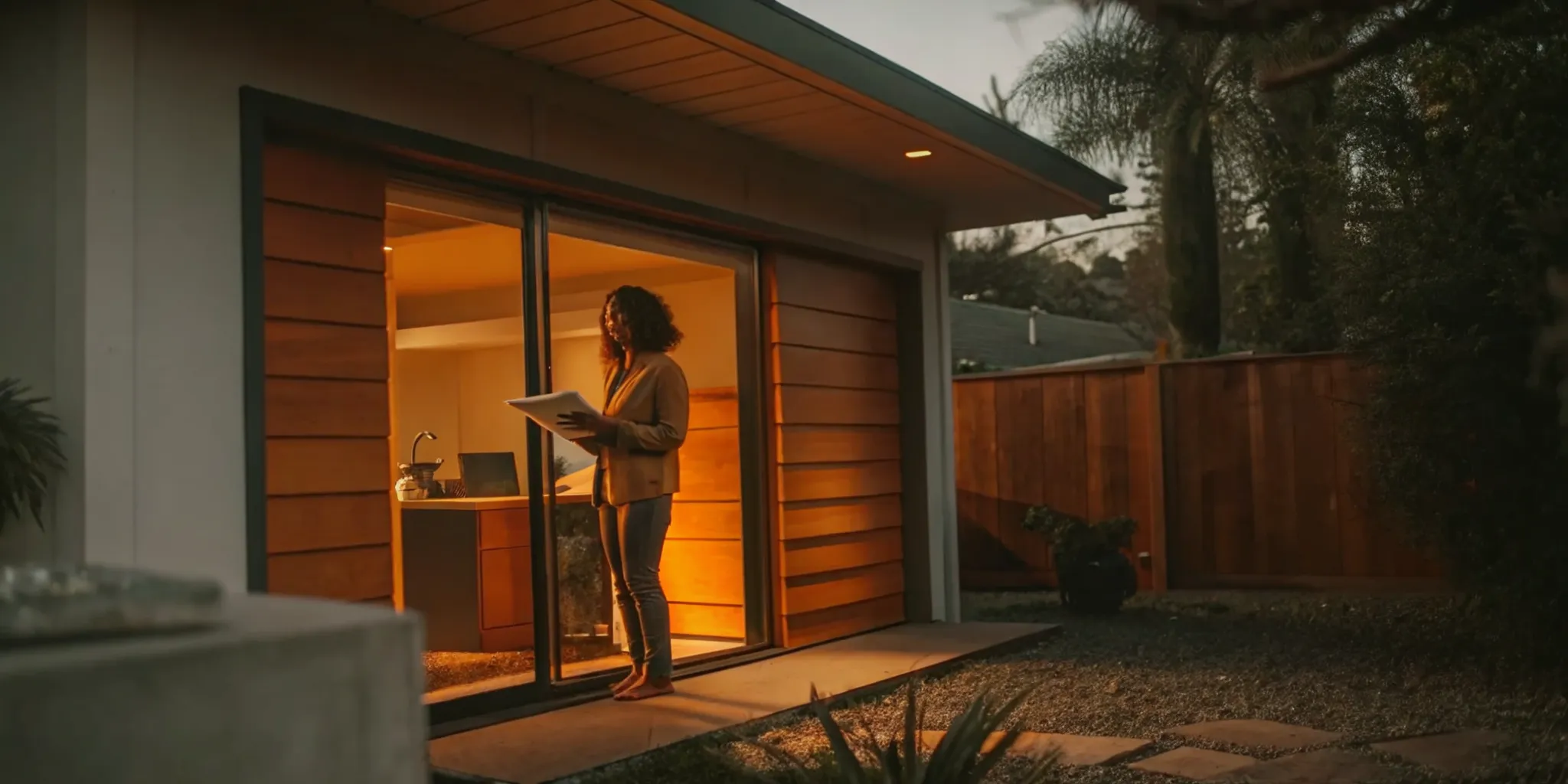
The reason you want an ADU is personal. Maybe you’re creating a home for an aging parent, giving an adult child some independence, or building a dedicated workspace. This personal goal is directly tied to the practical choice between a garage conversion vs. a detached ADU. The decision impacts daily life, from the level of privacy your family member will have to the amount of yard space you retain. It’s about more than just construction; it’s about creating a space that truly serves your family’s needs. This article explores the lifestyle implications of each option, helping you choose a path that enhances how you live.
Key Takeaways
- Define Your Top Priority: Cost or Customization: A garage conversion is your fastest and most affordable option, as it uses your home's existing structure. A detached ADU requires a larger investment but offers complete design freedom and the privacy that can lead to higher rental income.
- Weigh the Lifestyle Trade-Offs: A garage conversion means giving up dedicated parking and storage, so you will need a plan for both. A detached ADU preserves your garage but uses up valuable yard space, a key consideration if you have kids, pets, or love your garden.
- Start with a Professional Assessment: Before committing to a conversion, have an expert confirm the garage is structurally sound and suitable for living in. This initial check is essential for creating a realistic budget and avoiding costly surprises down the road.
Garage Conversion vs. Detached ADU: Which Is Right for You?
Deciding to add an Accessory Dwelling Unit (ADU) to your property is a big step, and it’s one of the smartest ways to add extra living space or generate rental income. But once you’ve made that decision, another one follows right behind it: should you convert your garage or build a brand-new detached unit? Both are fantastic options, but they come with different timelines, costs, and benefits that can significantly shape your project's outcome and your long-term satisfaction.
The right choice really depends on your budget, your property’s layout, and what you hope to achieve with the new space. Are you looking for a cost-effective way to house a family member, or are you aiming to create a high-end rental unit with maximum privacy? Thinking through these priorities upfront will save you headaches down the road. To help you get clear on your goals, let’s walk through what each project entails so you can feel confident in your decision. We’ll start by defining exactly what a garage conversion and a detached ADU are before comparing them side-by-side.
What is a garage conversion?
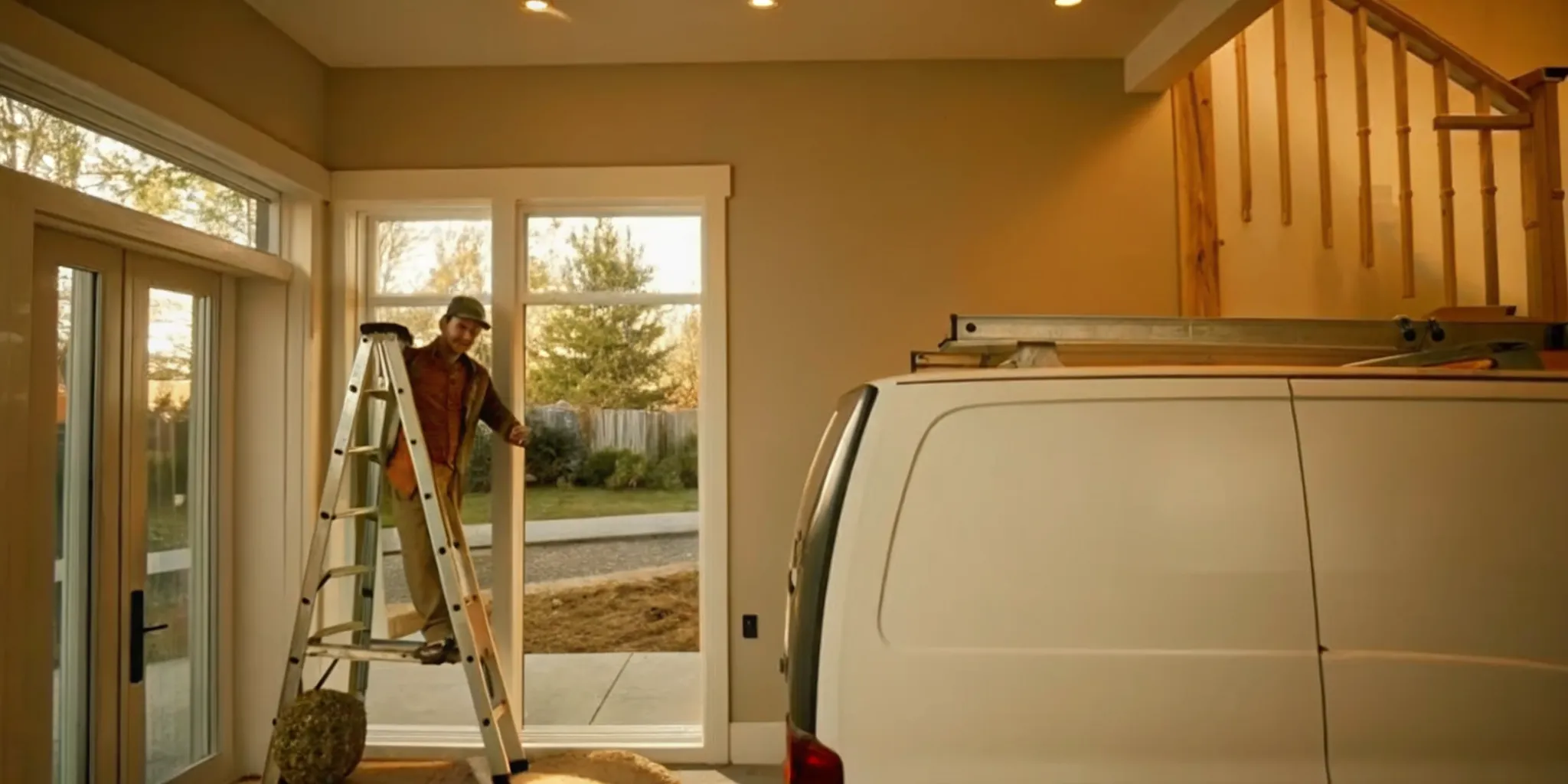
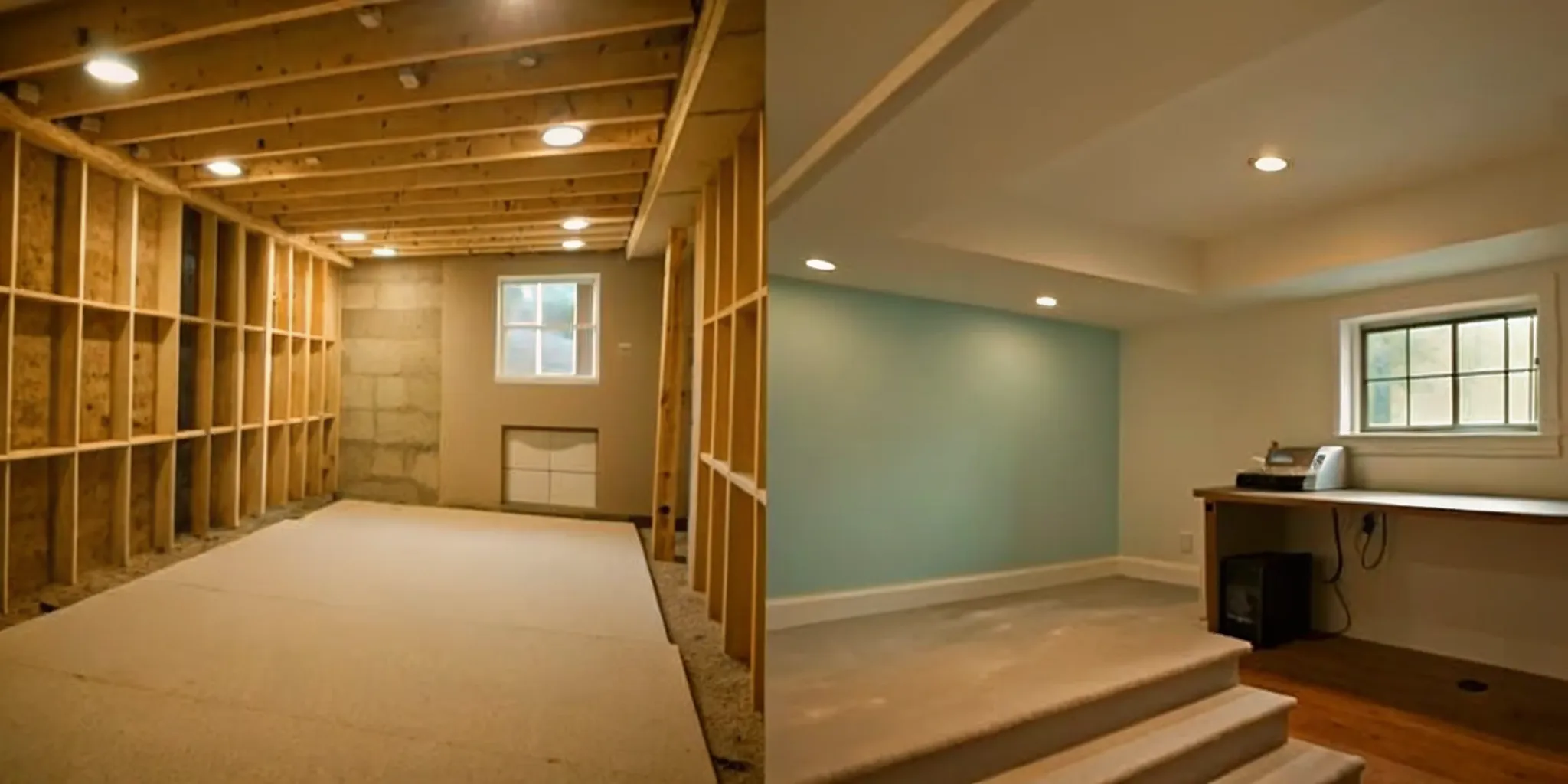
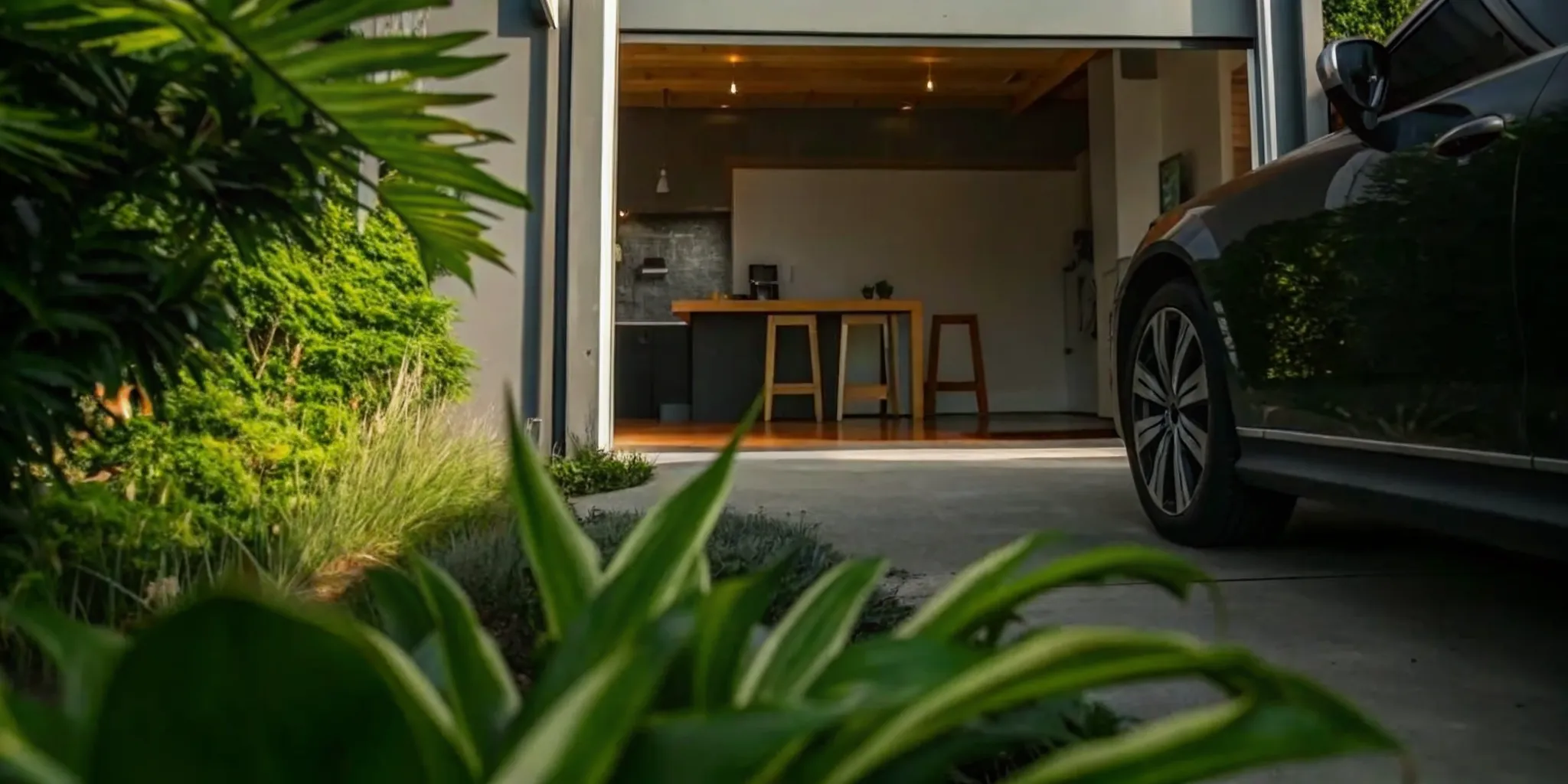
A garage conversion takes your existing, underused garage and transforms it into a fully functional living space. Think of it as an upcycling project for your property. To officially qualify as an ADU, this new space can’t just be a finished room; it needs to be a complete home in its own right. That means it must have its own separate entrance, a kitchen or kitchenette, and a bathroom. Because you’re working within an existing structure, a garage conversion is often a more affordable and faster way to build an ADU. It’s an excellent choice if you want to make the most of the square footage you already have without the complexity of a new build.
What is a detached ADU?
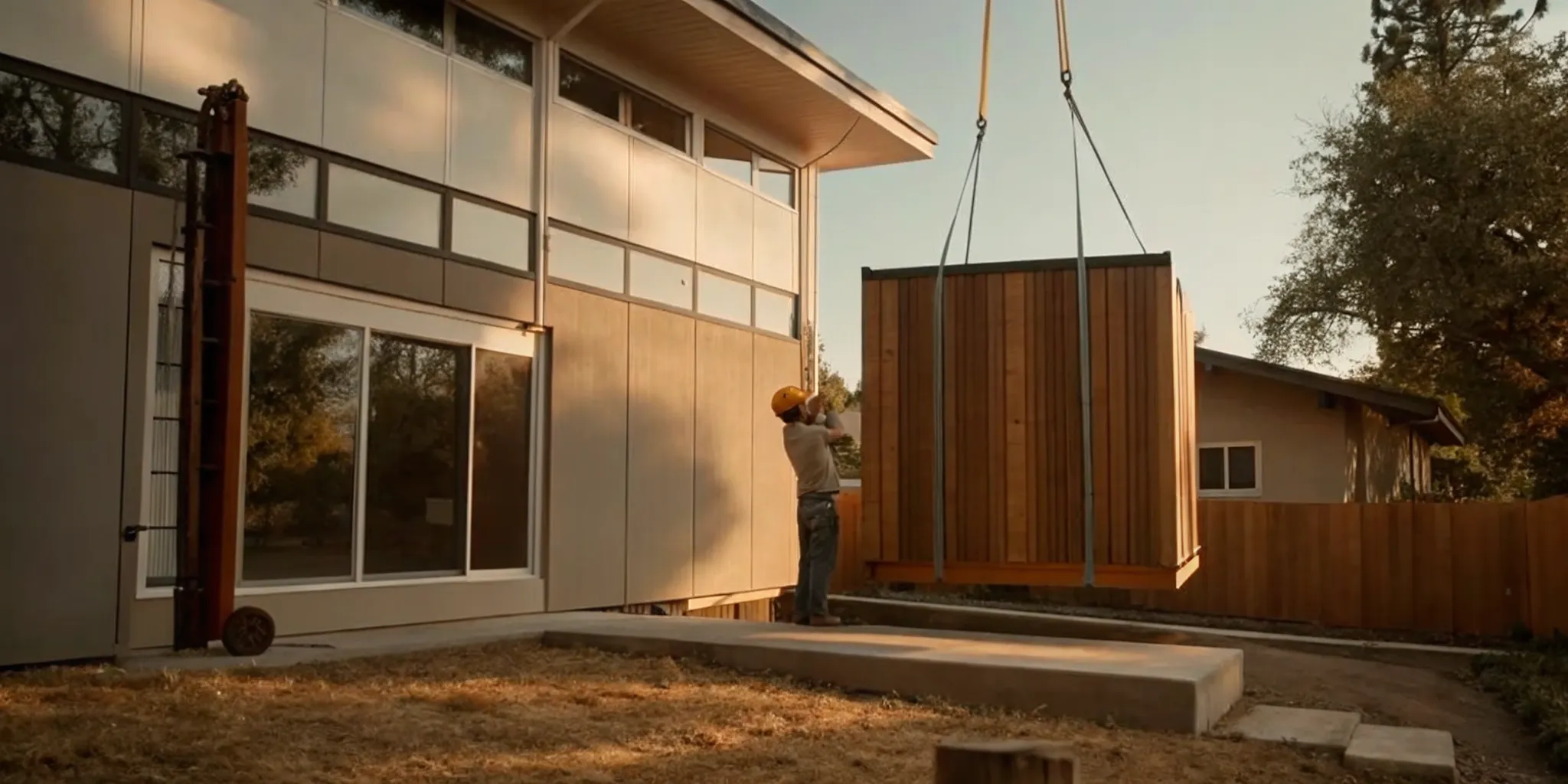
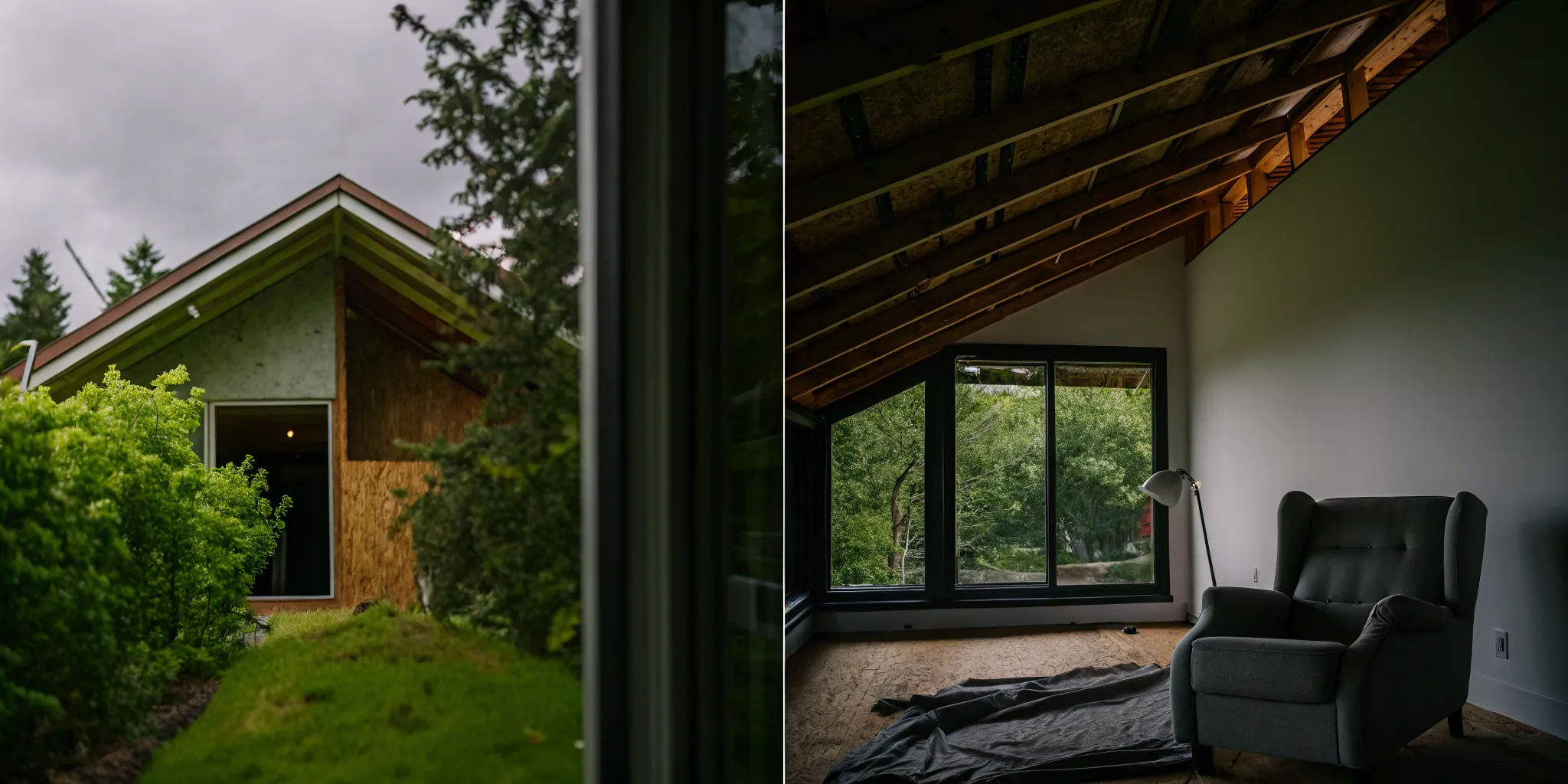
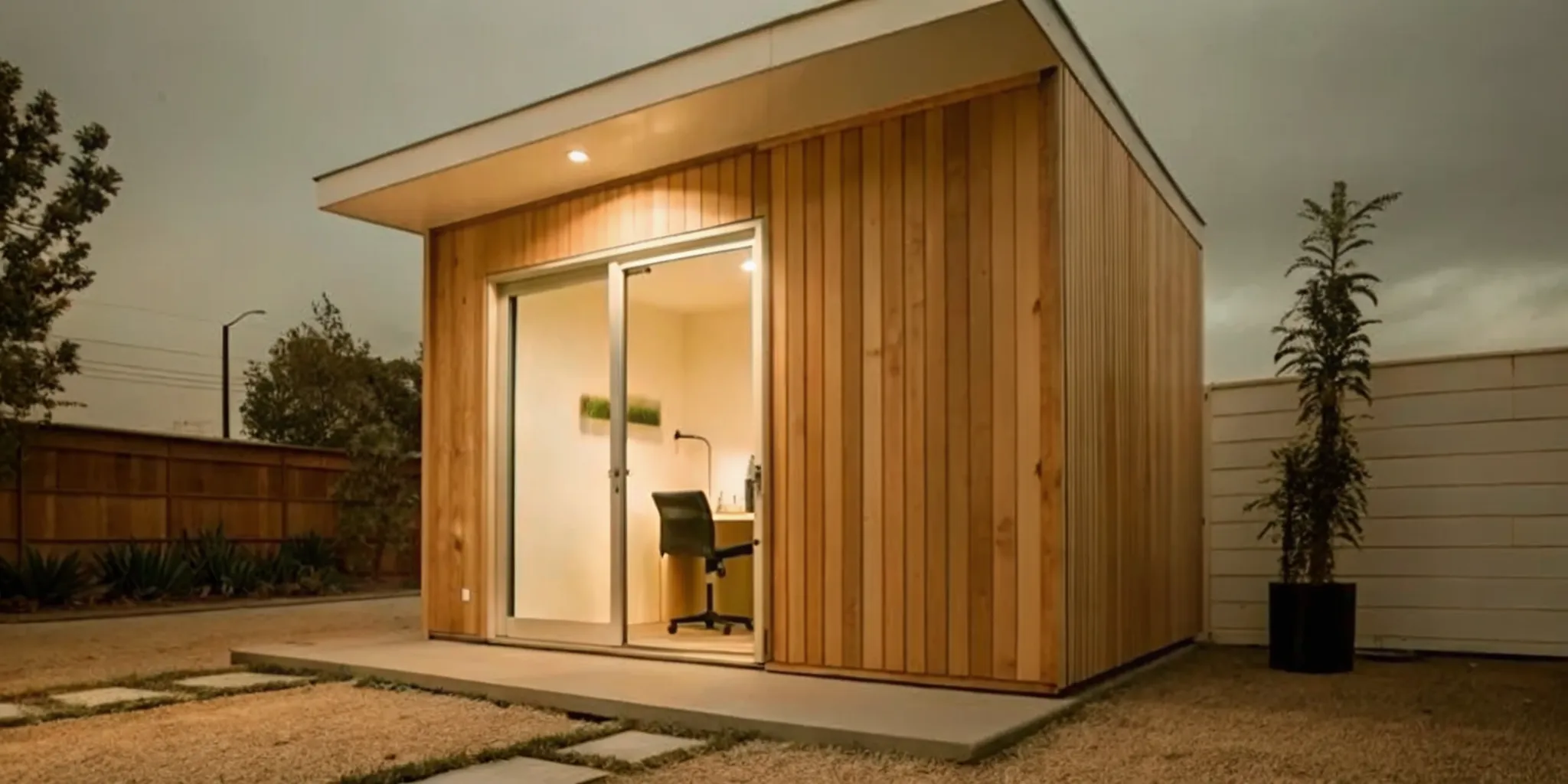
A detached ADU is a brand-new, standalone structure built on your property, separate from your main house. You might have heard these called backyard cottages, granny flats, or casitas. Just like a garage conversion, a detached ADU is a complete, self-contained small residence with its own kitchen, bathroom, and living area. Since you’re building from the ground up, you have total freedom over the design, layout, and placement (within zoning laws, of course). This option is ideal for homeowners who prioritize privacy for themselves and their future tenants or family members, as it creates a clear separation between the two homes.
The Main Differences: A Quick Comparison
So, what’s the bottom line when you put these two projects head-to-head? A garage conversion uses your home’s existing footprint, which often simplifies the process for securing permits and means less disruption to your yard. It’s typically the more budget-friendly path. A detached ADU, on the other hand, is all about separation and customization. It provides a greater sense of privacy, which can be a huge plus for long-term renters or relatives who want their own space. While it usually requires a larger investment, building new gives you complete control over the final product. Both projects require a team of vetted professionals to get the job done right.
Breaking Down the Costs: Garage Conversion vs. New Build
Let’s talk numbers. The budget is often the biggest factor when deciding between converting your garage and building a new accessory dwelling unit (ADU). While every project is unique, understanding the typical cost range for each can help you figure out which path aligns with your financial goals. A new build will almost always cost more than a conversion, but the final price tag for either option depends on your property, design choices, and local labor costs.
The price of a garage conversion
Converting an existing garage is generally the most budget-friendly way to add an ADU. Because you’re using a structure that’s already there, you save a lot on foundation, framing, and roofing. The average cost for a garage ADU conversion typically falls between $150,000 and $200,000. This price covers turning your garage into a fully independent living space, complete with its own kitchen, bathroom, and private entrance. Your final cost will depend on the condition of your garage and the level of finishes you choose, but it’s often about half the price of building from scratch.
The price of a detached ADU
Building a detached ADU (or DADU) is like building a small house from the ground up. This gives you total freedom with the design and layout, but it also comes with a higher price tag. You can expect costs to range from $200,000 to $300,000 or more. This budget includes everything from site prep and pouring a new foundation to running utility lines and full construction. The size of your ADU, the complexity of the design, and the materials you select will all play a significant role in the final cost. Having an expert advisor can help you make smart decisions to keep your project on track.
How to plan for unexpected costs
No matter which route you take, it’s smart to plan for surprises. With any construction project, unexpected issues can pop up, especially when you’re working with an older structure like a garage. You might discover foundation cracks, outdated electrical wiring, or plumbing problems that need to be addressed. A good rule of thumb is to set aside a contingency fund of about 10% to 15% of your total project budget. This isn’t a sign of poor planning; it’s a safety net that ensures a small hiccup doesn’t derail your entire project.
Understanding Permits and Zoning Rules
The moment you hear the words “permits” and “zoning,” it’s easy to feel a little overwhelmed. But think of these rules as a playbook for your project, ensuring everything is safe, legal, and built to last. Every major renovation requires them, and your ADU project is no different. The path to getting that stamp of approval, however, can vary quite a bit depending on whether you’re converting your garage or building a new unit from scratch.
Local city and county rules are the primary guide, but many states are also stepping in to make the process easier. Your project’s success hinges on understanding these regulations from the start. Working with a team that knows the local codes inside and out can make all the difference, turning a potentially confusing process into a clear set of steps. A dedicated advisor can manage these complexities for you, ensuring your project stays on track and compliant from day one.
Permits for a garage conversion
One of the biggest draws of a garage conversion is that it often has a simpler path to approval. Because you’re working within the existing footprint of your home, you can frequently sidestep the more complex zoning reviews that come with new construction. This generally means less site disruption and a more straightforward review from your local planning department.
However, this doesn’t mean you get to skip the permit office entirely. You will still need permits to legally transform the space into a habitable dwelling. This typically includes building permits for structural changes, as well as separate permits for electrical, plumbing, and mechanical (heating and cooling) systems. These checks ensure your new living space is safe, comfortable, and up to code.
Permits for a detached ADU
Building a detached ADU is a new construction project, so expect a more involved permitting process. You’ll need to submit a full set of architectural drawings and a site plan that shows exactly where the new unit will be located on your property. Your local planning department will review these plans to ensure they comply with all zoning regulations.
These rules cover everything from the unit’s maximum height and square footage to its distance from your property lines (known as setbacks). As secondary dwellings, detached ADUs have specific guidelines to follow, but they also offer incredible flexibility in designing a space that perfectly fits your needs. While it requires more upfront planning, this process ensures your new structure is a safe and valuable addition to your property.
How California's ADU laws can help
If you live in California, you’re in luck. The state has passed several laws designed to cut through the red tape and make it much easier for homeowners to build ADUs. These pro-housing policies are a direct response to the state’s housing shortage and can significantly streamline your project’s approval timeline.
State laws now set limits on how restrictive local ordinances can be. For example, many cities can no longer require replacement parking when you convert a garage, and they must approve certain ADU applications within 60 days. California has also reduced or eliminated impact fees for smaller ADUs and relaxed setback requirements. These new ADU laws make it more straightforward than ever to get your project off the ground, turning a once-difficult process into a clear and achievable goal.
The Pros and Cons of a Garage Conversion
A garage conversion can feel like a magic trick, turning a space for cars and clutter into a beautiful, functional part of your home. It’s often the simplest path to adding more square footage. But before you start drawing up plans for that new home office or guest suite, it’s important to look at the full picture. While a conversion has some amazing benefits, it also comes with a few trade-offs you’ll want to consider. Let's break down the good and the not-so-good so you can make a decision that’s right for your property and your lifestyle.
The upsides of converting your garage
The biggest win for a garage conversion is gaining livable space without the cost of a full-blown addition. For homeowners on smaller urban lots, it’s often the most practical way to expand. You’re using an existing structure, which can be much faster and more affordable than building from the ground up, sometimes saving you a significant amount of money. This project turns a space that might be underused into a valuable living area, like a rental unit, an extra bedroom, or a dedicated home office. A well-executed conversion can also give your property value a serious lift, making it a smart investment for the future.
The downsides of converting your garage
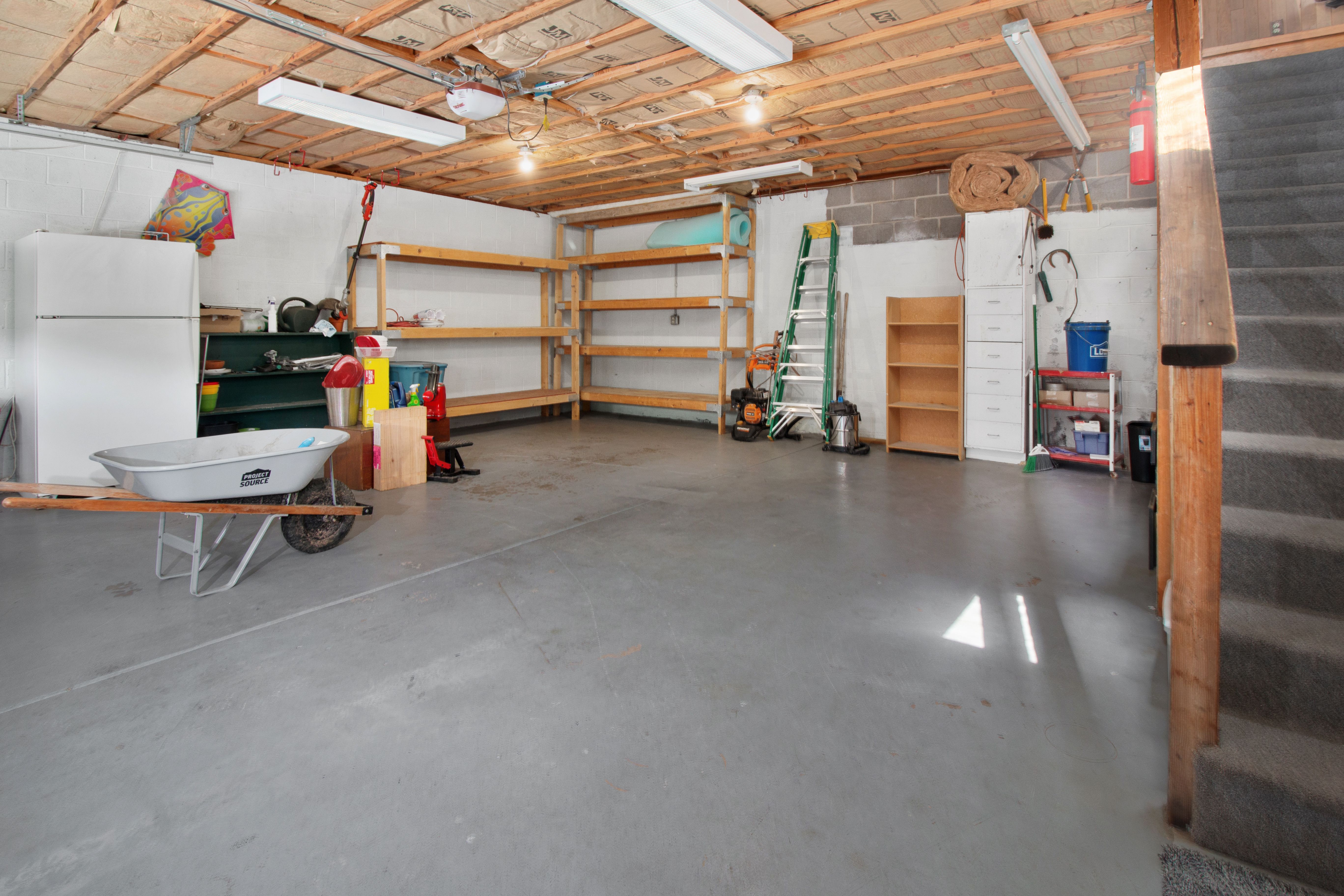
The most obvious drawback is losing a dedicated place to park your car, which can be a major headache in neighborhoods where street parking is tight. You also lose valuable storage space for things like tools, bikes, and holiday decorations. Not every garage is a good candidate for conversion, either. If your garage has issues with dampness, a cracked foundation, or poor insulation, the project can become more complex and expensive. Getting a professional assessment of the structure is a crucial first step. You’ll also need to work through the permitting process, which is where having an expert advisor can help you avoid costly delays and missteps.
The Pros and Cons of a Detached ADU
A detached ADU, often called a backyard cottage, is a standalone home built on your property. It’s completely separate from your main house, offering a true sense of independence for its occupants. This option involves new construction from the ground up, which brings its own set of benefits and challenges. If you have the yard space and are dreaming of a custom-built unit, a detached ADU can be an incredible asset. But before you start picking out finishes, it’s important to look at the full picture, from the potential for rental income to the realities of a new build.
The upsides of building a detached ADU
The biggest advantage of a detached ADU is privacy. Because it’s a separate structure, it’s perfect for long-term renters or family members who want their own space without feeling like they’re living on top of you. This separation can make it a more attractive rental, helping you generate significant rental income to offset your mortgage. A detached ADU is also a fantastic solution for multigenerational living. It allows aging parents to live nearby and maintain their independence, providing a supportive way for them to age in place within their community. Plus, you get to design it from scratch, tailoring every detail to your specific needs.
The downsides of building a detached ADU
The main drawback of a detached ADU is the cost and timeline. Building a new structure from the ground up is almost always more expensive and time-consuming than converting an existing space. You’ll also lose a portion of your yard, which can be a major trade-off if you value outdoor space for gardening, pets, or kids. Getting the required zoning approvals and permits for new construction can also be more complex, potentially adding delays and headaches to your project. While the end result is a beautiful new unit, you have to be prepared for the bigger investment of time, money, and property space that it requires.
Designing Your New Space: What to Consider
You've decided on a project type, and now the fun part begins: dreaming up your new space. Whether you're converting a garage or building from scratch, thoughtful design is what turns a basic structure into a comfortable, functional home. It’s about more than just picking out paint colors; it’s about creating a layout that works, planning for comfort, and making sure the new unit feels like a private retreat. Let's walk through the key design considerations that will make your ADU project a success.
Creating a functional layout
A successful ADU is all about smart design in a small footprint. By definition, a garage ADU is a complete, self-contained home, which means it needs its own kitchen, bathroom, and a separate entrance. Your main goal is to create a layout that feels open and intuitive, not cramped. Think about the flow from one area to the next. Can you easily move from the kitchen to a small dining area? Does the living space get plenty of natural light? Clever storage solutions, like built-in shelving and multi-functional furniture, are your best friends here. Planning the layout carefully from the start will ensure every square foot is put to good use.
Assessing your property's current state
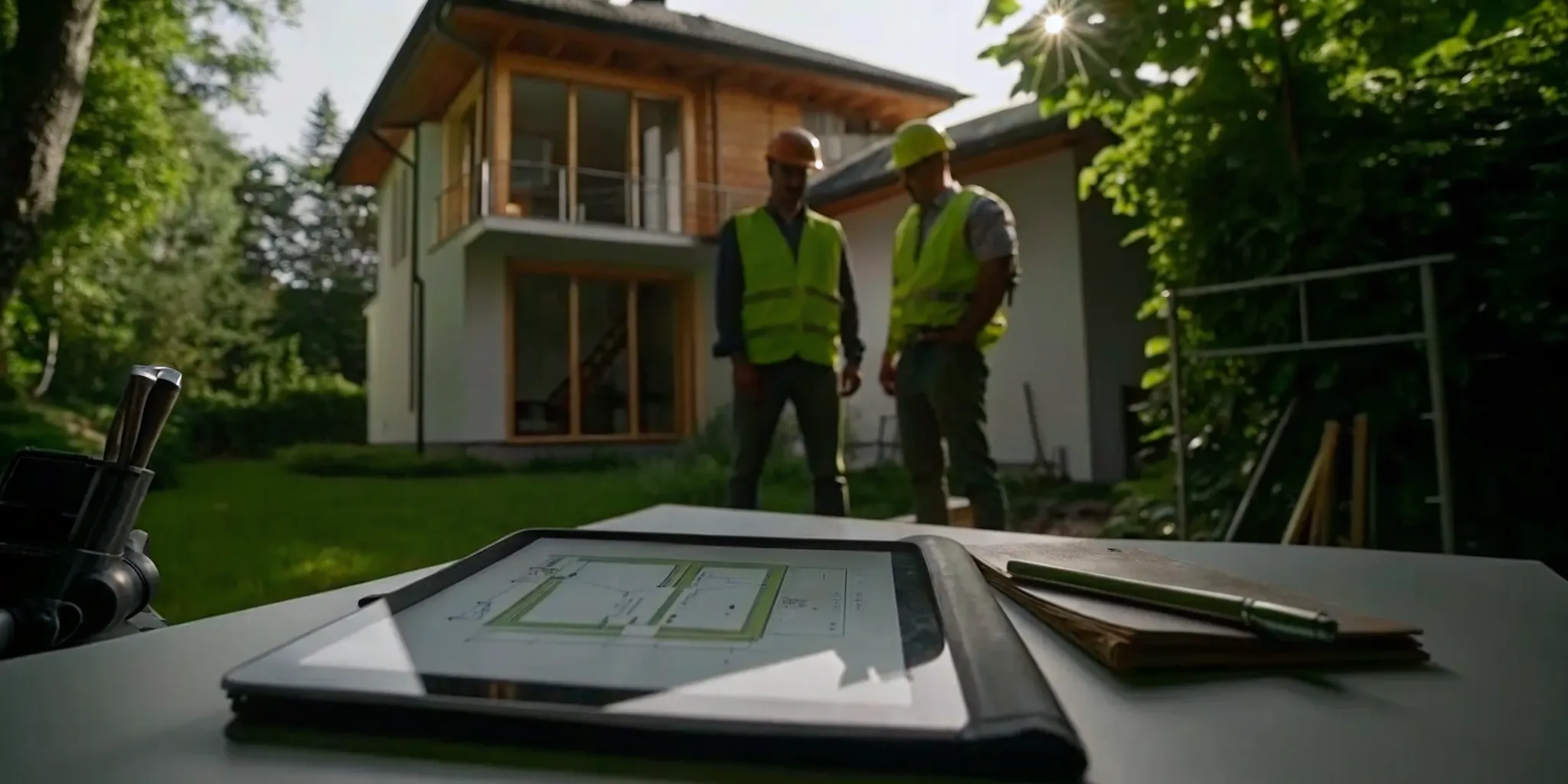
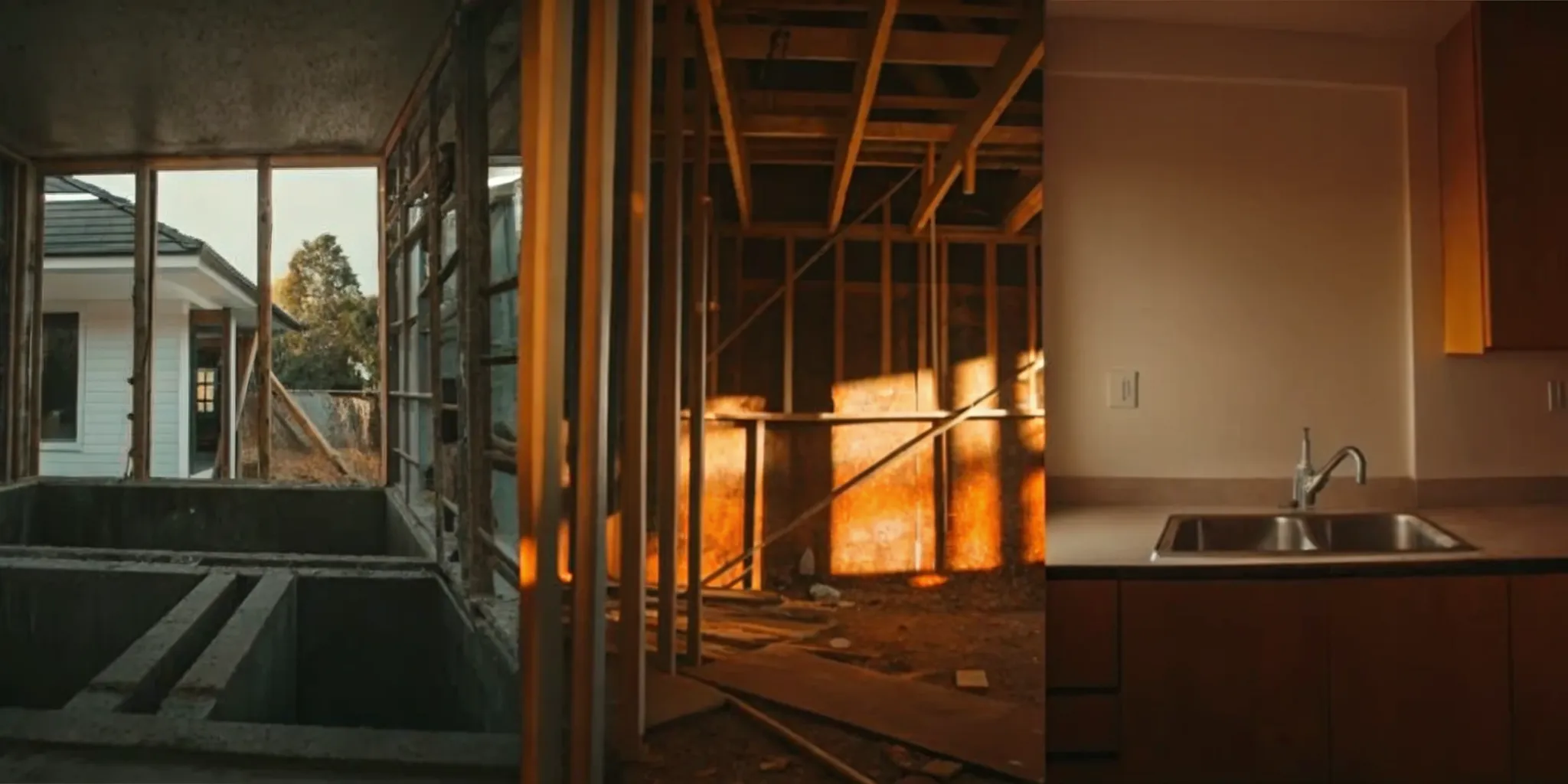
Before you get too deep into design plans, it’s crucial to take a hard look at your starting point, especially for a garage conversion. Is the existing structure sound? You'll need to check the foundation for cracks, make sure the framing is solid, and see if the roof is in good shape. It's also important to understand your property's existing utility hookups. A professional can help you determine if your garage is a good candidate for conversion and if it meets local building codes. This initial assessment is a critical step that informs your entire project plan and budget, helping you avoid costly surprises down the road. A clear understanding of your property's potential is the first step in any successful renovation journey.
Planning for utilities, insulation, and comfort
A garage was built to house cars, not people, so making it comfortable and livable is a top priority. This almost always means significant upgrades. You’ll likely need to run new plumbing for the kitchen and bathroom and upgrade the electrical panel to handle the demands of a home. Proper insulation in the walls and ceiling is non-negotiable for energy efficiency and comfort, as is adding a good ventilation system. Garages often lack these basic features, so planning for utilities and comfort systems like heating and cooling is essential. These elements are the invisible foundation of a truly livable space, ensuring your new ADU is a place someone will actually want to call home.
Ensuring privacy and curb appeal
Whether your ADU is for a family member or a renter, privacy is key for everyone's comfort. A detached ADU naturally offers more separation, but you can achieve privacy with a garage conversion, too. Think about creating a dedicated, separate entrance that doesn't face directly into your own home's windows. A small fence, some strategic landscaping, or a private patio can work wonders to create a sense of personal space. Don't forget about curb appeal. The ADU should complement your main house, not look like a tacked-on project. Thoughtful exterior choices, from siding to window placement, ensure the new unit enhances your property's overall look and feel, making it a true asset.
ADU Myths That Can Derail Your Project
When you start researching accessory dwelling units, you’ll find a lot of conflicting advice. It can be tough to separate fact from fiction, and believing the wrong thing can lead to costly mistakes. Let’s clear up some of the most common ADU myths so you can move forward with confidence and a clear plan for your project.
Myth: Garage conversions cost as much as new builds
This is one of the biggest misconceptions out there. The truth is, a garage conversion is almost always more cost-effective than building a detached ADU from the ground up. Because you’re using the garage's existing foundation, walls, and roof, you can save a significant amount of money, sometimes $100,000 or more. You’re starting with a solid structure, which cuts down on major expenses for materials and labor. This makes converting your garage a fantastic way to add living space or rental income without the price tag of a brand-new build. A customized project plan can help you see exactly where those savings come from.
Myth: Any garage is a candidate for conversion
While it would be nice if every garage was ready for a makeover, that’s not always the case. Some garages have issues that can make a conversion complicated or expensive. Problems like a crumbling foundation, persistent dampness, poor insulation, or a lack of structural integrity can stop a project in its tracks. Before you get too far into planning, it’s essential to have a professional assess your garage’s condition. An expert can tell you if your structure is sound or if it needs significant work first. This initial step ensures you’re building on a safe and solid base.
Myth: An ADU is a guaranteed value-add
An ADU can absolutely increase your property’s value, with some studies showing an increase of up to 35%. However, that return isn’t automatic. The final value depends heavily on the quality of the construction and the real estate market in your neighborhood. A poorly designed, unpermitted, or cheaply built conversion might not add much value at all and could even deter future buyers. To see a real financial return, you need to create a space that is functional, beautiful, and compliant with all local codes. The goal is to make a smart investment that enhances your property for years to come.
Myth: Garage conversions are harder to get approved
Many homeowners worry that permitting a garage conversion will be a bureaucratic nightmare, but it’s often the opposite. Because a conversion works within the existing footprint of your home, it can actually simplify the zoning and permitting process compared to a new build. There’s less site disruption, and many of the zoning questions are already answered. Recent changes in state laws, especially in California, have also made it easier than ever to get ADU projects approved. While you still need to follow the rules, working with an advisor who understands the process can make getting your permits much smoother.
Which Project Offers a Better Return on Investment?
Thinking about your home as an investment is smart, especially when you're planning a big project. Both a garage conversion and a detached ADU can add significant value to your property, but they do so in different ways. The best financial choice depends on your initial budget, your long-term goals (like rental income), and your local housing market. Let's look at the numbers to see how each option typically pays off.
The financial return of a garage conversion
A garage conversion is often the most cost-effective way to add square footage, which almost always translates to a higher home value. A quality conversion can increase your home's value by 10% to 20%, with the biggest gains coming from adding a bedroom and a bathroom. If you turn the space into a full accessory dwelling unit (ADU), that number can climb even higher. Because you’re using an existing structure, you save on foundational and framing costs, allowing you to get a functional living space or rental unit up and running for less. This makes it a powerful way to generate rental income or simply make your property more attractive to future buyers.
The financial return of a detached ADU
Building a detached ADU is a bigger upfront investment, but it can also bring a bigger return. These standalone units are highly desirable because they offer separation and privacy, making them perfect for long-term tenants or as an in-law suite. While the initial construction costs are higher than a conversion, a detached ADU is a brand-new structure that can significantly increase your property's overall value and create a steady stream of rental income. Think of it as adding a second, smaller home to your lot. For many homeowners, the long-term financial benefits make the initial expense a worthwhile investment in their property's future.
How your local market impacts value
No property exists in a bubble, and the value an ADU adds is directly tied to your neighborhood. The return on your investment will ultimately depend on what other similar homes in the area have sold for. In competitive markets like Los Angeles or the Bay Area, where housing is expensive and space is at a premium, adding any kind of living unit is a huge plus. A well-designed ADU can make your property stand out and command a higher price. That's why it's so important to get a custom plan based on data from your specific area before you start building.
Factoring in the Impact on Your Lifestyle
Beyond the budget and blueprints, it’s crucial to think about how this project will change your day-to-day life, both during construction and long after. Your ADU should serve your lifestyle, not complicate it. Considering these personal factors will help you make a choice that you’ll be happy with for years to come. A great project plan always accounts for the human element, so let’s walk through what you should consider.
Weighing privacy, parking, and storage
Think about how you use your property right now. A detached ADU offers the most separation and privacy, which is a huge plus if you’re planning to rent it out to a long-term tenant or house a family member who values their own space. On the other hand, a garage conversion means giving up that dedicated space for your car, workshop, or storage. Before you commit, you need a clear plan for where your car will go and what you’ll do with everything currently stored in the garage. This trade-off is often the deciding factor for homeowners.
Understanding the construction timeline and disruption
Any renovation project comes with a period of noise and disruption, but the scale differs greatly between these two options. A garage conversion is generally a faster and less invasive project. Since you’re working within an existing structure, the construction is more contained. A detached ADU is a brand-new build from the ground up. This means a longer timeline involving foundation work, framing, and more significant disruption to your yard. Consider your tolerance for a lengthy construction process and how it might impact your family, pets, and work-from-home life.
Exploring rental income and family living
What is the ultimate goal for your new space? An ADU can be a fantastic source of rental income, but it can also be a solution for multigenerational living. According to AARP, an ADU can enable family members to live together on the same property while maintaining their independence, or even provide housing for a live-in caregiver. If you’re planning to rent the unit, a private, detached ADU might attract higher-paying tenants. If the space is for an aging parent or an adult child, the convenience of an attached or converted space might be more important than total separation.
So, Which Is the Smarter Investment for You?
Deciding between a garage conversion and a detached ADU comes down to your specific goals, your property’s layout, and your budget. There’s no single right answer, but understanding the key strengths of each option will help you see which project aligns best with your vision. Think about what you need most: is it speed and affordability, or is it privacy and a completely custom space? Answering that question is the first step toward making a choice you’ll be happy with for years to come.
Why a garage conversion might be your best bet
If you live on a smaller urban lot, a garage conversion is often the most practical way to add living space without building out. Since you’re working with an existing structure, you already have a foundation, walls, and a roof. This can make the project both faster and more affordable than starting from scratch. It’s a smart and flexible way to create a home office, a guest suite, or a small apartment for extra income. If your main goals are to maximize your property’s existing footprint and get a finished space on a tighter timeline and budget, a garage conversion is likely the perfect fit for you.
When to invest in a detached ADU
A detached ADU is the way to go when privacy is a top priority. This option creates a truly separate home on your property, which is ideal for long-term renters or for family members who want their own independent space. Building a new unit from the ground up also gives you complete control over the layout and design. For many homeowners, a detached ADU is a powerful tool for generating significant rental income or creating a comfortable home that allows older relatives to age in place while staying close to family. If you have the yard space and your budget allows for it, a detached ADU is an excellent long-term investment.
Get a custom plan for your property
Before you get too far into planning, it’s essential to get a professional opinion. If you’re leaning toward a conversion, have an expert inspect your garage to confirm it’s structurally sound and suitable for the project. No matter which path you choose, working with an experienced team is key to handling the complexities of design, permits, and construction. A dedicated advisor can help you understand what’s possible on your property, create a realistic budget, and connect you with vetted contractors. Realm’s customized project plans are designed to give you a clear roadmap, ensuring your project runs smoothly from start to finish.
Related Articles
- 350 Sqft Home Addition Cost — Bedroom, Suite, or Rental Unit?
- The 500 Sqft Threshold: Why It's the Most Popular ADU Size in California
- 400 Square Feet: The Most Versatile Build Size — What It Can Become
- The Real Cost to Build an ADU in San Diego
- How to Convert a Garage Into a Room Legally (4 Steps)
Frequently Asked Questions
How can I figure out the actual cost for my specific project? The price ranges in this post are a great starting point, but your final cost depends entirely on your property, your design choices, and local labor rates. The best way to get a realistic number is to get a detailed assessment of your property. This involves evaluating your garage's condition for a conversion or analyzing your lot for a new build. A customized project plan will break down expected costs for permits, materials, and labor, giving you a clear budget to work with.
Do I really have to give up my parking spot if I convert my garage? Losing a dedicated parking spot is a common concern, but it's not always a deal-breaker. In many areas, especially in California, recent laws have eliminated minimum parking requirements for ADUs, meaning you may not be required to replace the parking space you're converting. It’s a trade-off you’ll need to weigh, but it’s important to know that city regulations might be more flexible than you think.
What's the most important first step before I commit to either project? Before you fall in love with a design, the most critical first step is a professional assessment of your property. If you're considering a conversion, you need an expert to check your garage's foundation, framing, and overall condition to see if it's a good candidate. For a detached ADU, you need to understand the zoning rules for your lot. This initial checkup saves you from costly surprises and ensures you're building your plan on solid ground.
How much will my life be disrupted during construction? Any construction project involves some noise and activity, but the level of disruption varies. A garage conversion is usually faster and more contained, since most of the work happens within an existing structure. Building a detached ADU is a bigger operation; it involves everything from digging a foundation to framing a new building, which means a longer timeline and more impact on your yard. Thinking honestly about your tolerance for a construction zone can help guide your decision.
Is a detached ADU always a better rental property than a garage conversion? Not necessarily. A detached unit's privacy can certainly attract tenants and potentially command higher rent. However, a well-designed garage conversion in a desirable neighborhood can also be a very successful rental. The financial return depends on your initial investment. Since a conversion costs less to build, you might see a quicker return on your money, even if the monthly rent is slightly lower than what a detached unit could earn.