9 Red Flags During a Contractor Site Visit
Spot red flags during a contractor site visit with these practical tips. Learn what to watch for so you can hire the right professional for your project.
|
June 23, 2026
In this article:
The contractor site visit is a lot like a first date. You’re both trying to see if you’re a good fit for a long-term commitment, and first impressions are everything. How they show up, the questions they ask, and whether they actually listen can tell you all you need to know about what a months-long relationship with them would be like. A partner who talks over you or seems distracted isn't likely to improve once the project starts. Learning to spot the red flags during a contractor site visit is your best tool for avoiding a bad match. It helps you move past the surface-level charm and see if you’re dealing with a true professional or just someone who will cause headaches down the road.
Key Takeaways
- Evaluate the person, not just the price: The site visit is your interview with a potential contractor. Pay close attention to their punctuality, communication, and preparedness, as these behaviors reveal more about your future working relationship than the final bid.
- Demand a data-driven bid: A professional quote is never a quick guess. Expect a contractor to take detailed measurements and provide an itemized bid that breaks down labor and material costs, and be wary of any price that seems too low or comes with a request for a large cash deposit.
- Trust your intuition and ask direct questions: If a contractor gives you a bad feeling, pressures you, or suggests skipping permits, do not ignore it. Address your concerns directly, get multiple opinions to compare against, and always be prepared to walk away from a bad fit.
Why the Site Visit Is More Important Than the Bid
When you’re comparing contractors, it’s tempting to jump straight to the bottom line on their bids. But the person behind the price tag matters far more than the number itself. The lowest bid can quickly become the most expensive one if it comes from a contractor who is disorganized, communicates poorly, or cuts corners. This is why the initial site visit is your single most important tool for vetting a potential partner for your renovation.
Think of the site visit as a live audition. How a contractor behaves in this first meeting offers powerful clues about how they will manage your project from start to finish. Are they on time, prepared, and respectful of your home? Do they ask thoughtful questions and listen carefully to your answers, or do they talk over you and rush the walkthrough? A professional who is thorough and honest about potential challenges is a much safer bet than one who gives quick, confident answers without all the facts.
Identifying problems during this early stage can save you from major headaches, unexpected costs, and even safety issues down the road. Paying close attention to a contractor’s actions and communication style is the best way to protect your investment and your peace of mind. While Realm helps you connect with thoroughly vetted professionals, knowing what to look for yourself is a critical skill. This first impression will tell you almost everything you need to know before you ever see a single bid.
Spotting Red Flags When Your Contractor Arrives
The initial site visit is your first real-life test of a potential contractor. Think of it as an interview where their actions speak louder than their words. How they present themselves, the tools they bring, and the way they approach this first meeting can tell you everything you need to know about how they’ll handle your home and your investment. Pay close attention from the moment they pull up to the curb. These early signs often reveal whether you’re dealing with a seasoned professional or someone who might cause headaches down the road.
They're late or keep rescheduling
Everyone runs into traffic occasionally, but a pattern of tardiness or last-minute rescheduling is a major red flag. A professional who values your time and their own reputation will communicate clearly and proactively if they’re delayed. Constant rescheduling or a failure to even call when they’re running late signals poor time management and a lack of respect for your schedule. If they can’t handle the logistics of a simple meeting, it raises serious questions about their ability to manage a complex renovation timeline with multiple moving parts. This kind of bad communication is often the first sign of bigger problems to come.
They show up alone for a big job
If you’re planning a small, straightforward project like replacing a few windows, a single contractor is perfectly fine. However, for a large-scale renovation like a kitchen overhaul or a home addition, a lone contractor should give you pause. Major projects require a team with diverse skills, including designers, project managers, and various trade specialists. A contractor who arrives alone for a complex job might be a one-person operation, which can be risky. They may lack the bandwidth, network, or specific expertise to handle the full scope of the work, leading to delays and potential quality issues. A well-structured company understands the importance of a team-based approach to ensure your project runs smoothly.
They don't have tools or a tape measure
A contractor who shows up for a site visit empty-handed is not prepared to do their job. At a minimum, a professional should have a tape measure, a notepad or tablet, and a camera to document the space accurately. Without taking detailed measurements and notes, any price they give you is just a rough guess, not a true estimate. This often means the initial bid will be unrealistically low, only to inflate later once they figure out the actual material and labor costs. A contractor’s job during the site visit is to gather concrete data, and showing up without the basic tools to do so suggests a lack of thoroughness and professionalism from the start.
They can't show proof of license or insurance
This is a non-negotiable dealbreaker. Any legitimate contractor will have their license number readily available and should be able to provide proof of liability insurance and workers' compensation without hesitation. If they get defensive, make excuses, or can't produce these documents, walk away immediately. Hiring an unlicensed or uninsured contractor puts all the risk on you. You could be held financially responsible for any accidents or injuries that happen on your property. Furthermore, you’ll have little to no recourse if they perform shoddy work or abandon the job. You can and should verify a contractor's license with your state’s licensing board before signing anything.
Their appearance or vehicle seems unprofessional
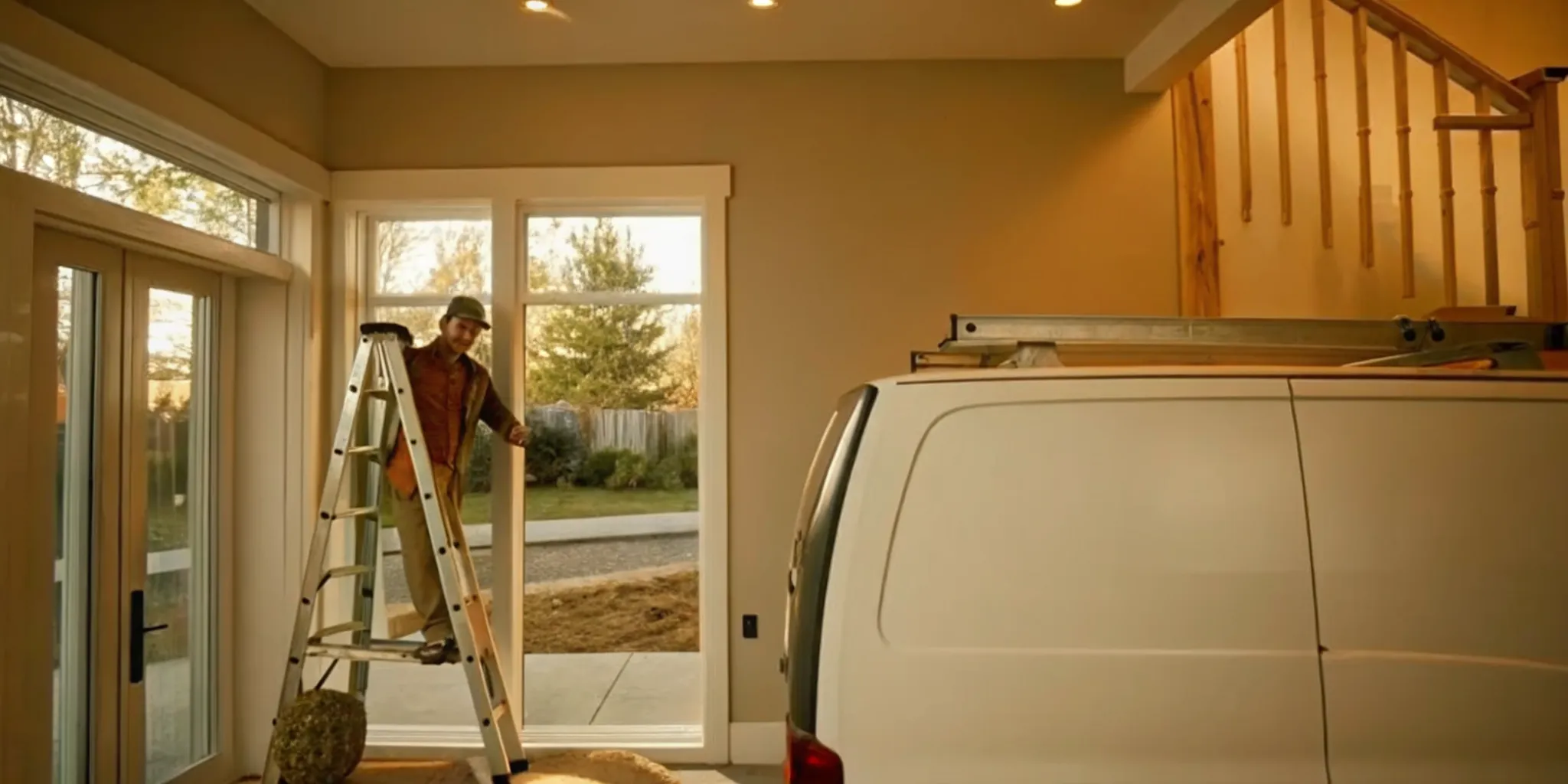
While you shouldn’t judge a book by its cover, a contractor’s overall presentation can be telling. They are running a business, and their appearance should reflect that. A professional will typically have a clean, organized vehicle (often branded), wear practical and presentable work attire, and carry themselves with confidence. A truck that looks like a rolling dumpster or a disheveled appearance can indicate disorganization in other areas of their business. Good contractors are often busy and take pride in their work, which usually extends to their professional image. It’s one piece of the puzzle that points toward their level of seriousness and how they’ll treat your home.
Is Your Contractor Really Listening?
The site visit is more than just a tour of your space; it’s your first real interview with a potential contractor. Think of it as a conversation. Are they asking thoughtful questions, or are they just waiting for their turn to talk? A great renovation partner is a great listener first. They understand that they’re not just building a structure, they’re building your home. If the conversation feels one-sided, that’s a major red flag. Pay close attention to how they communicate, because it’s a strong indicator of what it will be like to work with them for the next several months.
They talk more than they listen
A good contractor will spend most of the site visit asking you questions about your project. If you find yourself struggling to get a word in, take note. When a contractor only brags about their past jobs or talks endlessly about their company, it suggests they are more interested in closing a deal than understanding your vision. You want a partner who is curious about how you live and what you hope to achieve with the renovation. Their focus should be on your goals, your lifestyle, and your non-negotiables. A contractor who truly listens is one who can deliver a project that feels like you, which is why having a dedicated Realm advisor ensures your needs are always the top priority.
They focus on past jobs, not your project
It’s great when a contractor has an impressive portfolio, but the site visit isn’t the time for a highlight reel. If they constantly pivot the conversation back to their past work instead of focusing on your specific project, it can signal a lack of interest in your unique needs. They might be trying to fit your project into a pre-existing mold rather than developing a custom solution. Your home has its own quirks and your family has its own routines. A one-size-fits-all approach rarely works. You need a contractor who sees your project for what it is: a unique opportunity that requires a customized plan tailored to your space and budget.
They rush the walkthrough without taking notes
Watch what the contractor does as you walk them through your home. Are they engaged, or do they seem distracted? A professional who is serious about giving you an accurate bid will not rush the process. They should be taking detailed notes, using a tape measure, and asking specific questions about materials and finishes. If a contractor breezes through without writing anything down, their initial price is just a guess. That price will likely go up later when they actually figure out the real costs. This lack of diligence is one of the biggest contractor red flags because it points to a bigger problem with their process and attention to detail.
The Questions They Ask (and What They Miss)
A contractor's site visit is a two-way interview. While you're answering their questions, you should also pay close attention to the questions they ask you and, more importantly, the ones they don't. A great contractor is a partner in your renovation. Their questions should show they're trying to understand your vision, respect your budget, and anticipate challenges. If their questions are shallow or non-existent, it tells you a lot about the kind of service you can expect.
They don't measure key areas
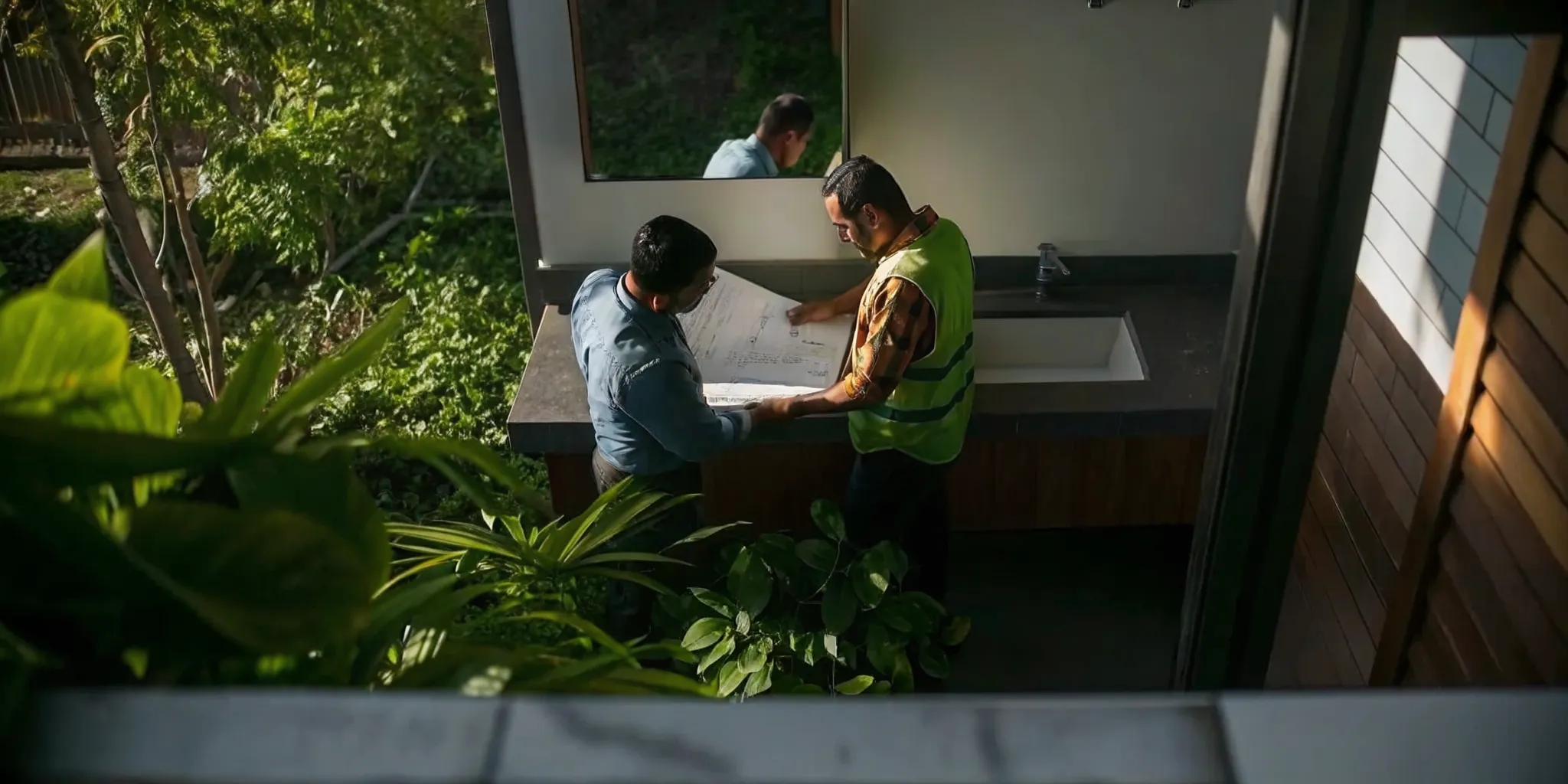
Think of the site visit as the contractor's data-gathering mission. If they show up without a tape measure or aren't taking detailed notes and measurements of the space, how can they possibly create an accurate bid? A contractor who just eyeballs the room is giving you a guess, not an estimate. This lack of precision is a major red flag. A structured renovation plan always begins with accurate data, and that includes precise measurements. A guess can lead to surprise cost increases later when they finally do the math.
They ignore your budget, timeline, and goals
A good contractor does more than just build; they solve problems for the people living in the home. They should be asking about your lifestyle. Who uses the space the most? Do you have kids or pets? What are your biggest frustrations with the current layout? If they aren't curious about how you live, they're just focused on their own vision, not yours. They should also ask about your budget and desired timeline from the start. A contractor who avoids these topics isn't respecting your boundaries and may not be the right partner for your project.
They avoid talking about potential problems
No renovation is without its surprises, and an experienced contractor knows this. They should be the one pointing out potential issues, not glossing over them. An honest professional will tell you they need to investigate something further, like what’s behind a wall, before giving you a firm price on that part of the job. If a contractor gives you a solid, all-in number without acknowledging any unknowns, be wary. This can be a setup for a string of expensive "change orders" later. You want a partner who is transparent about potential renovation challenges from day one.
What Their Communication Style Tells You
Pay close attention to how a contractor communicates during and after the site visit. Their style is a direct preview of what your working relationship will be like. Clear, respectful, and timely communication is the foundation of a successful project. If you feel dismissed, confused, or pressured, that’s a sign that this partnership might cause more stress than it's worth. A professional who values your business will make an effort to be responsive and transparent from the very first conversation.
Think of this initial phase as an interview where you are the hiring manager. You’re not just evaluating their technical skills; you’re assessing their ability to be a reliable partner. If their communication is already causing concern, it’s unlikely to improve once the contract is signed and the work has begun. Trustworthy contractors understand that building your confidence is part of the job. At Realm, we ensure every professional in our network is vetted for their communication skills, because we know a smooth process is just as important as a beautiful result.
They give vague answers
When you ask specific questions about materials, timelines, or processes, you should get specific answers. If a contractor responds with "we'll figure it out" or "don't worry about it," press for details. A professional will be able to explain their plan clearly. Vague answers can lead to a loosely written scope of work in the contract, leaving you vulnerable to unexpected costs and disputes down the line. Your project plan should be detailed enough that there’s no room for misunderstanding what work will be done, how it will be completed, and what materials will be used.
They use pressure tactics or create false urgency
A home renovation is a significant investment, and a good contractor understands you need time to review bids and make a thoughtful decision. Be wary of anyone who pressures you to sign a contract on the spot, offers a "today only" discount, or claims their schedule is filling up fast to rush you. These are often signs of a contractor who is more interested in closing a deal than in building a relationship. A true professional will present their bid and give you the space to consider it without making you feel anxious or cornered.
Their follow-up is slow or inconsistent
If it takes a week and multiple follow-ups to get a response to your initial inquiry or a quote after the site visit, consider it a warning. Think about it: if they are this hard to reach when they’re trying to win your business, how responsive will they be when an urgent issue arises mid-project? While you can’t expect instant replies, a professional should get back to you within a business day or two for standard questions. A pattern of slow communication is a reliable indicator of future frustration and project delays.
They won't provide references
A contractor with a history of quality work and happy clients should be eager to share references. If they hesitate, make excuses, or flat-out refuse to provide them, it’s a major red flag. They may have something to hide or simply lack a track record of successful projects. When you do get references, make sure to ask for a mix of recent jobs and older ones to check on both recent performance and the long-term durability of their work. Vetting contractors is a crucial step, which is why every professional in the Realm vendor network is thoroughly screened.
Pricing Red Flags to Watch For
How a contractor discusses money during the site visit is just as important as the final bid they send over. Their approach to quoting, payments, and budget talks reveals a lot about their professionalism and business practices. If the conversation feels rushed, vague, or pressured, it’s a clear warning sign. Think of these financial red flags as an early alert system designed to protect your investment and prevent stressful surprises down the line. A trustworthy partner will be transparent and thorough about costs from the very first meeting.
They give a quote without a full assessment
A contractor who walks through your space, glances around for a few minutes, and throws out a number isn’t giving you a real estimate; they’re giving you a guess. A professional quote requires careful measurements, detailed notes, and a solid understanding of your project goals and material preferences. A price given on the spot, without a proper assessment, is almost guaranteed to change later. This approach suggests the contractor is either inexperienced or plans to increase the price once they determine the actual scope of work. A true professional takes the time to get it right from the start.
Their bid seems too good to be true
Everyone loves a good deal, but an unusually low bid should make you pause and ask questions. If one contractor’s price is drastically lower than all the others, you need to figure out what’s being left out. Are they planning to use cheaper, less durable materials? Are they cutting corners by hiring unskilled labor? Or is this a classic lowball offer designed to get you to sign, with a plan to make up the difference through expensive change orders later? Remember the old saying: good, fast, cheap, you only get to pick two. A suspiciously low price often means you’ll be sacrificing the quality of your project.
They ask for a large cash deposit
Be very cautious if a contractor asks for a large sum of money upfront, especially if they request cash. A reputable contractor has enough financial stability and good credit with their suppliers to get a project started without needing a huge deposit from you. Many states have legal limits on how much a contractor can request before work begins. For instance, California law prohibits contractors from asking for a down payment of more than 10% of the total cost or $1,000, whichever is less. A large cash request is a major red flag that could signal financial instability or, in the worst-case scenario, a potential scam.
They offer a vague estimate with no breakdown
A one-page estimate with a single number at the bottom is simply not enough information to make a decision. A professional bid should be detailed and itemized, breaking down the costs for labor, materials, permits, and other line items. Vague language or a loosely defined scope of work leaves too much room for misunderstanding and future disputes. Without a clear breakdown, you have no way of knowing what’s actually included in the price or how to compare bids accurately. At Realm, we believe in full transparency, which is why our customized plans provide a detailed cost analysis for your entire project.
What Happens if a Contractor Skips Permits?
When a contractor casually suggests, “We could probably do this without a permit to save time and money,” it might sound tempting. But this is one of the biggest red flags you can encounter. Permits aren't just bureaucratic red tape; they are a critical system of checks and balances designed to protect you, your investment, and your family's safety. A contractor who suggests skipping them isn't offering you a clever shortcut. They're asking you to shoulder all the risk while they cut corners. Let's break down exactly what’s at stake when you go down the path of unpermitted work.
You take on the legal and financial risk
If a contractor works without a permit, the city doesn't go after them; they come after you. As the homeowner, the legal and financial responsibility for the property falls squarely on your shoulders. When a contractor suggests skipping permits, it’s a significant warning sign. If the local building authority discovers the unpermitted work, you could face steep fines. Even worse, they can issue a stop-work order or require you to tear out the completed work for an inspection. Imagine having to rip out your brand-new kitchen just because the contractor wanted to avoid a process that Realm’s experts handle for you.
It creates long-term safety hazards
The permitting process isn't just about paperwork; it's about safety. Permits trigger inspections from a neutral, third-party expert whose only job is to confirm the work meets current building codes. These codes exist to prevent electrical fires, structural collapse, and plumbing disasters. Skipping permits means skipping these crucial safety checks, which can lead to serious, hidden hazards. A vetted professional understands that how it works is a process built on safety and compliance, ensuring that your renovation is not only beautiful but also structurally sound and safe for your family for years to come.
It hurts your home's resale value
Unpermitted work can become a major roadblock when you decide to sell your home. Potential buyers will be deterred by the lack of proper documentation, and for good reason. They don’t want to inherit the legal, financial, and safety risks you took on. During the sale, you're often required to disclose any unpermitted work, which can scare off buyers or lead to lowball offers. Furthermore, unpermitted additions or renovations may not be counted in your home's official appraisal, meaning you won't see a return on your investment. Protecting your home's long-term value is another key reason to always work with a professional from Realm's vendor network.
How to Document the Site Visit
Meeting multiple contractors can feel like a blur. To make a clear-headed decision, it’s essential to document each visit. This isn’t about being cynical; it’s about being organized. Keeping a consistent record for each candidate helps you compare them fairly and creates a paper trail that protects you down the line. Think of it as creating your own project file right from day one.
Note their behavior, questions, and your gut feeling
Immediately after a contractor leaves, take a few minutes to jot down your thoughts before looking at any numbers. What was your gut feeling about them? Did they seem trustworthy and respectful? Write down what they measured (or didn't measure) and any surprising comments they made. Most importantly, ask yourself if you would feel comfortable having this person and their team in your home for weeks or months. Capturing these initial impressions helps you evaluate the person, not just the price tag, which is a key part of spotting contractor red flags before you commit.
Photograph your space before work starts
Your phone is your best friend here. Take photos of the project area before, during, and after the contractor’s visit. This creates a clear visual record of your home's condition and the specific areas you discussed. This documentation is invaluable if any disputes about damages or the scope of work arise later. Extend this habit to your communications, too. Keep a simple folder for each project where you save all emails, texts, and notes from your conversations. This simple step ensures that you have a record of every decision and discussion along the way.
Get all verbal promises in writing
A verbal agreement is only as good as the memory of the people who made it. If a contractor makes a promise during the site visit, like including a specific brand of tile or committing to a firm end date, make sure that promise makes it into the written bid and final contract. This isn't about a lack of trust; it's about ensuring clear communication. A professional contractor will understand and respect this. Having a detailed, written agreement is the foundation of a successful project and is a core part of how Realm works to protect homeowners.
What to Do When You Spot Red Flags
Seeing a red flag during a site visit can feel uncomfortable, but your next move is critical. Ignoring your concerns won't make them disappear. Instead, think of this as a key moment to gather more information and protect your project. How a contractor responds can tell you everything you need to know. By addressing issues head-on, getting other opinions, and trusting your intuition, you can ensure you partner with a professional who truly deserves your trust. This is a huge part of why vetting contractors thoroughly from the start is so important.
Ask follow-up questions immediately
If a contractor says something that doesn't sit right with you, address it in the moment. A vague answer or a rushed timeline deserves a polite but direct question. You could ask, "Can you walk me through your reasoning on that?" or "I'm not sure I follow, could you explain the permit process for that kind of work?" Their willingness to pause and provide a clear, transparent answer is a great sign. If they get defensive, dismissive, or try to talk their way around the question, you’ve just confirmed your initial suspicion. Acting quickly helps you gauge their professionalism and honesty before you invest any more time.
Get a second (or third) opinion
Never feel pressured to make a decision based on a single site visit, especially if you have doubts. The best way to validate your concerns is to compare multiple bids from different professionals. When you talk to several contractors, you get a better sense of industry standards for pricing, timelines, and project scope. This process isn't just about finding the lowest price; it's about identifying what a reasonable and professional approach looks like. If one contractor’s bid or plan is wildly different from the others, it’s a strong signal that something is off. This step gives you the context and confidence needed to make an informed choice.
Trust your gut and be ready to walk away
Your intuition is one of your most valuable tools in this process. You're going to be working with this person for weeks or months, and you need to feel comfortable and respected. If something just feels wrong about a contractor, it probably is. Don't let a smooth talker or a low price convince you to ignore a bad feeling. Remember, you are the one in charge. It is perfectly acceptable to thank them for their time and end the conversation. Walking away from a contractor who raises red flags isn't a setback; it's a smart business decision that can save you from enormous stress, financial loss, and heartache down the road.
How Realm Helps You Hire with Confidence
After reading through all these potential red flags, you might feel like you need to become a private investigator just to hire a contractor. It’s a lot to manage on top of your daily life and the excitement of planning a project. The good news is, you don’t have to do it alone. This is where having a partner makes all the difference.
At Realm, we simplify the entire process, starting with finding the right professionals for your job. We connect you with our network of thoroughly vetted contractors, so you can be confident that anyone who visits your home is already licensed, insured, and has a proven track record of quality work. This pre-screening process alone filters out many of the most common red flags before a contractor even steps through your door.
Your dedicated Realm Advisor acts as your personal project expert. Before any site visits, they'll help you prepare, outlining the key questions to ask and what to observe. A great contractor will want to understand your needs and daily routines, not just glance at the space. Your advisor ensures you know what a productive site visit looks like and helps you document your impressions afterward, so you can make a decision based on clear facts, not just a confusing bid.
When the bids do come in, we help you compare them intelligently. Instead of just looking at the final number, your advisor will walk you through each line item, explaining the differences in scope, materials, and timelines. This helps you see the true value behind the price and choose a contractor who is reliable and aligned with your project goals, giving you peace of mind from start to finish.
Related Articles
- 8 Questions to Ask a General Contractor Before Hiring
- The Essential Guide to Find a Bathroom Contractor
- Finding The Right Contractor
- How to Find a Good Contractor for Renovations: A Checklist
- How to Find the Best Kitchen Remodel Contractors
Frequently Asked Questions
What's the most serious red flag I should absolutely not ignore? If a contractor cannot immediately provide proof of their license and insurance, that is a non-negotiable dealbreaker. This documentation protects you from being financially liable for accidents or property damage. Equally serious is any suggestion to skip the permitting process. A contractor who wants to avoid permits is asking you to take on all the legal risk and potential safety hazards, which is a clear sign you should walk away.
Why are the bids I received so different in price, and how do I know which one is fair? A huge price difference often points to a difference in the scope of work or quality of materials. A suspiciously low bid might seem great, but it could mean the contractor is cutting corners, using subpar products, or planning to add costs later through change orders. A fair, professional bid will be detailed and itemized. It should clearly break down the costs for labor, materials, and other expenses so you can accurately compare what is included and make an informed decision.
The contractor I met was friendly, but something just felt off. Should I ignore that feeling? You should always trust your intuition. A renovation is a long-term relationship, and you need to feel comfortable and respected by the person you hire. If a contractor makes you feel rushed, unheard, or uneasy for any reason, that feeling is a valid piece of information. A good partnership is built on clear communication and mutual respect, so don't feel obligated to move forward with someone if your gut is telling you it’s not the right fit.
Is it normal for a contractor to ask for a large cash deposit before starting work? No, a large upfront deposit is a major warning sign. Reputable contractors have the financial stability to begin a project without needing a huge sum from you. In fact, many states have laws limiting the amount a contractor can request as a down payment. A demand for a large deposit, especially in cash, could signal that the contractor is not financially sound or, in the worst case, is untrustworthy.
I feel overwhelmed trying to spot all these red flags. What's the best way to make sure I hire a good contractor? It’s completely understandable to feel that way, and you don’t have to handle it alone. The most effective approach is to work with a partner who vets professionals for you. When you use a service like Realm, you are connected with contractors who are already confirmed to be licensed, insured, and have a strong performance record. Having an expert advisor to help you review bids and manage the process ensures you can hire with confidence and focus on the creative parts of your project.