How Long Does a Whole-Home Remodel Take? A Timeline
How long does a whole-home remodel take? Get a realistic timeline, key phases, and tips to keep your renovation project on track from start to finish.
|
June 29, 2026
In this article:
A whole-home remodel is a marathon, not a sprint. Thinking about it this way helps set the right expectations from the very beginning. The initial excitement of planning can quickly turn to anxiety if you don't have a realistic roadmap. Understanding how long does a whole-home remodel take is the first step in preparing for this journey. It’s not just about the construction phase; it’s about the months of planning, design, and permitting that happen before a single wall comes down. This article will serve as your pace guide, outlining each leg of the race so you can feel prepared, stay on track, and cross the finish line without running out of steam.
Key Takeaways
- Lock In Your Plan Before You Start: Finalize all design and material choices before demolition to prevent costly changes. Simultaneously, apply for all necessary permits as early as possible, as waiting for city approval is a common and significant delay.
- Expect the Unexpected with a Contingency Fund: Renovations often reveal hidden issues like old wiring or water damage. Prepare for these surprises by setting aside a contingency fund of 10% to 20% of your total budget, ensuring you can handle problems without pausing the project.
- A Long Timeline Requires an Expert Partner: A whole-home remodel typically takes six to twelve months, so clear communication and project management are vital. Working with a dedicated advisor or a trusted contractor provides the expertise needed to manage schedules, solve problems, and keep your project moving forward smoothly.
How Long Does a Whole-Home Remodel Really Take?
Let’s get right to it: a whole-home remodel is a marathon, not a sprint. While every project is unique, you can generally expect a major renovation to take anywhere from six to twelve months from start to finish. The exact timeline depends heavily on what "whole-home" means for you. A complete gut rehab where you’re taking the house down to the studs might land on the shorter end of that range, clocking in around six months. However, if your project involves remodeling an entire floor with a new kitchen, updated flooring, and fresh paint, you’re likely looking at a nine to twelve-month journey.
Several factors can stretch your timeline, and it’s wise to build in a little buffer for the unexpected. This is especially true if you live in an older home. Once you start opening up walls, you might uncover common surprises like outdated wiring or rotted joists that need immediate attention. These discoveries are a normal part of renovating, but they do add time and cost to the project. Similarly, rooms with complex systems, like kitchens and bathrooms, are notorious time-consumers. Coordinating plumbers, electricians, and cabinet installers requires careful scheduling and can easily extend the construction phase.
Understanding these variables from the outset is the best way to prepare for the road ahead. While the process can feel long, remember that a successful remodel is all about careful planning and having the right support. Having an expert advisor to guide you through each phase can help you anticipate challenges and keep your project moving forward as smoothly as possible.
What Factors Shape Your Remodel Timeline?
While it’s tempting to look for a simple answer, a whole-home remodel timeline isn’t one-size-fits-all. Several key factors influence how long your project will take, from the initial design sketches to the final coat of paint. Understanding these variables from the start helps you set realistic expectations and plan more effectively. Your project’s final timeline will be a unique mix of its size, your material choices, local regulations, and how you manage the process. Let’s look at the four biggest factors that will shape your schedule.
The Size and Scope of Your Project
The most significant factor is the scale of your renovation. A cosmetic refresh involving new paint, flooring, and fixtures will naturally be much faster than a full gut remodel. As a general rule, the more complex the project, the longer it will take. For example, a complete gut rehabilitation of a house often takes around six months, and that’s if you aren’t making major structural changes. Moving walls, reconfiguring layouts, or adding square footage involves more intensive labor, additional inspections, and more complex engineering. When you begin to plan your project, clearly defining the scope will give you the best initial estimate for your timeline.
Your Budget and Material Choices
Your budget and the materials you select are closely linked to your project’s timeline. Custom-ordered items like handcrafted tiles, imported fixtures, or custom cabinetry have much longer lead times than standard, in-stock products. If your heart is set on specific high-end finishes, be prepared to build that waiting period into your schedule. Your budget also plays a role; knowing how much to budget can guide your material selections toward items that are more readily available. It’s also wise to build some buffer time into your plan, especially in older homes where unexpected issues like outdated wiring or hidden plumbing problems can pop up, requiring both extra time and funds to resolve.
Permits and Contractor Schedules
Administrative tasks can have a surprisingly large impact on your remodel timeline. Getting the necessary building permits is a critical step that can’t be rushed. Depending on your city or county, the permit approval process can take anywhere from a few weeks to several months. Starting this process as early as possible is essential to avoid delays. Equally important is your contractor's availability. Reputable contractors are often in high demand and may be booked months in advance. You’ll need to align your project start date with their schedule. Working with vetted professionals who are familiar with local permit offices can help streamline this phase and keep things moving forward.
Mid-Project Design Changes
Few things can derail a remodel schedule faster than changing your mind after work has already begun. While unexpected issues are common, making significant design changes mid-project creates a ripple effect of delays. Deciding to move a wall or switch your tile selection after demolition means your contractor has to stop, create a change order, re-quote the work, and potentially re-order materials. This can also disrupt the schedules of subcontractors like plumbers and electricians. The key is to finalize your design, materials, and layout before the first hammer swings. A clear plan helps you respond quickly and calmly if an unexpected issue arises, without letting small changes spiral into major delays.
Your Remodel Timeline, Phase by Phase
A whole-home remodel is a marathon, not a sprint. Breaking the project down into distinct phases helps make the process feel more manageable and gives you a clearer picture of what to expect. While every project is unique, most remodels follow a similar path from initial idea to final walkthrough. Think of these timelines as a guide, not a guarantee. Your project’s specific scope, location, and team will ultimately shape your schedule. Here’s a look at the five main phases of a renovation and how long each one might take.
Phase 1: Planning and Design (1–3 Months)
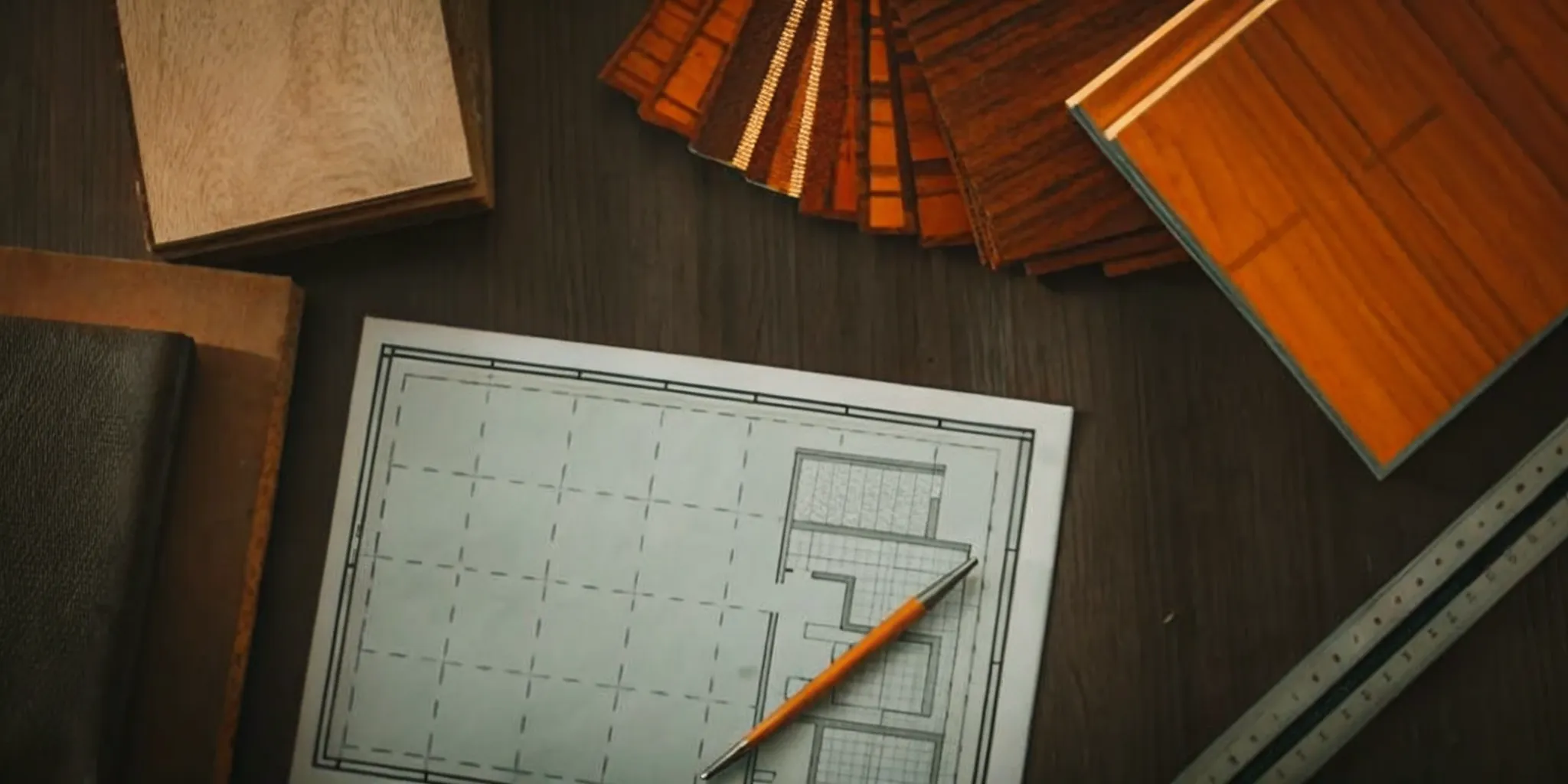
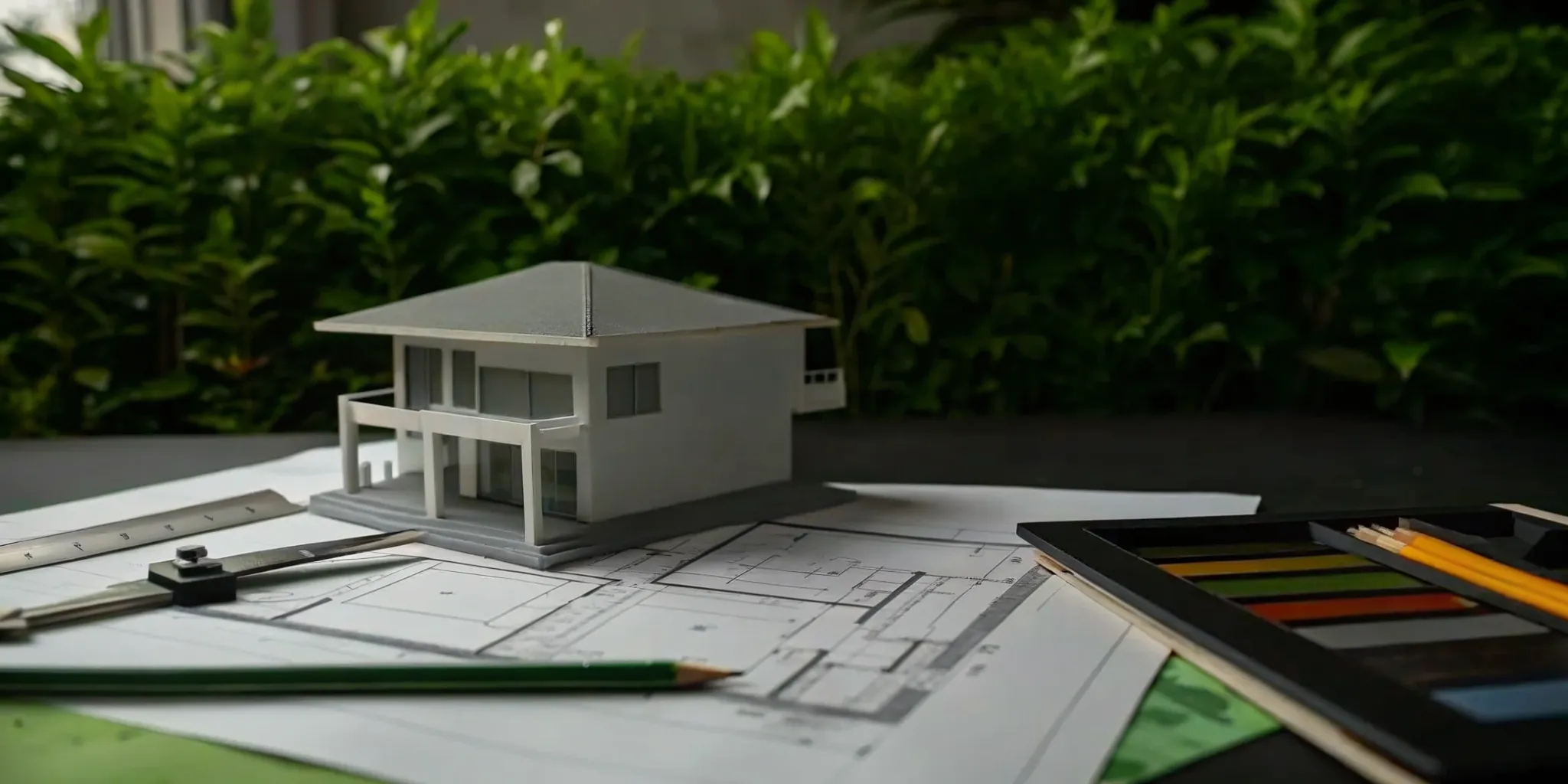
This is where your dream home starts to take shape on paper. The planning and design phase is all about making decisions. You’ll work with designers or architects to create blueprints, finalize layouts, and select everything from flooring to fixtures. This is also the time to hire your contractor and get firm bids. It might feel slow, but every hour you spend planning now can save you weeks of delays and thousands of dollars later. A solid, detailed plan is the single best tool for a smooth renovation. Realm’s expert guidance can be a huge help in this phase, ensuring you’ve considered every detail before the first hammer swings.
Phase 2: Getting Permits (2–8 Weeks)
Before any major work can begin, you’ll need the official green light from your local municipality. The permitting process involves submitting your finalized plans to the city for review to ensure they meet safety and building codes. The timeline can vary widely depending on how busy your local building department is and the complexity of your project. An application for a simple interior remodel will move much faster than one for a home addition. Your contractor or architect typically handles the submission, but it’s wise to start the process as soon as your designs are complete to avoid waiting.
Phase 3: Demolition (1–4 Weeks)
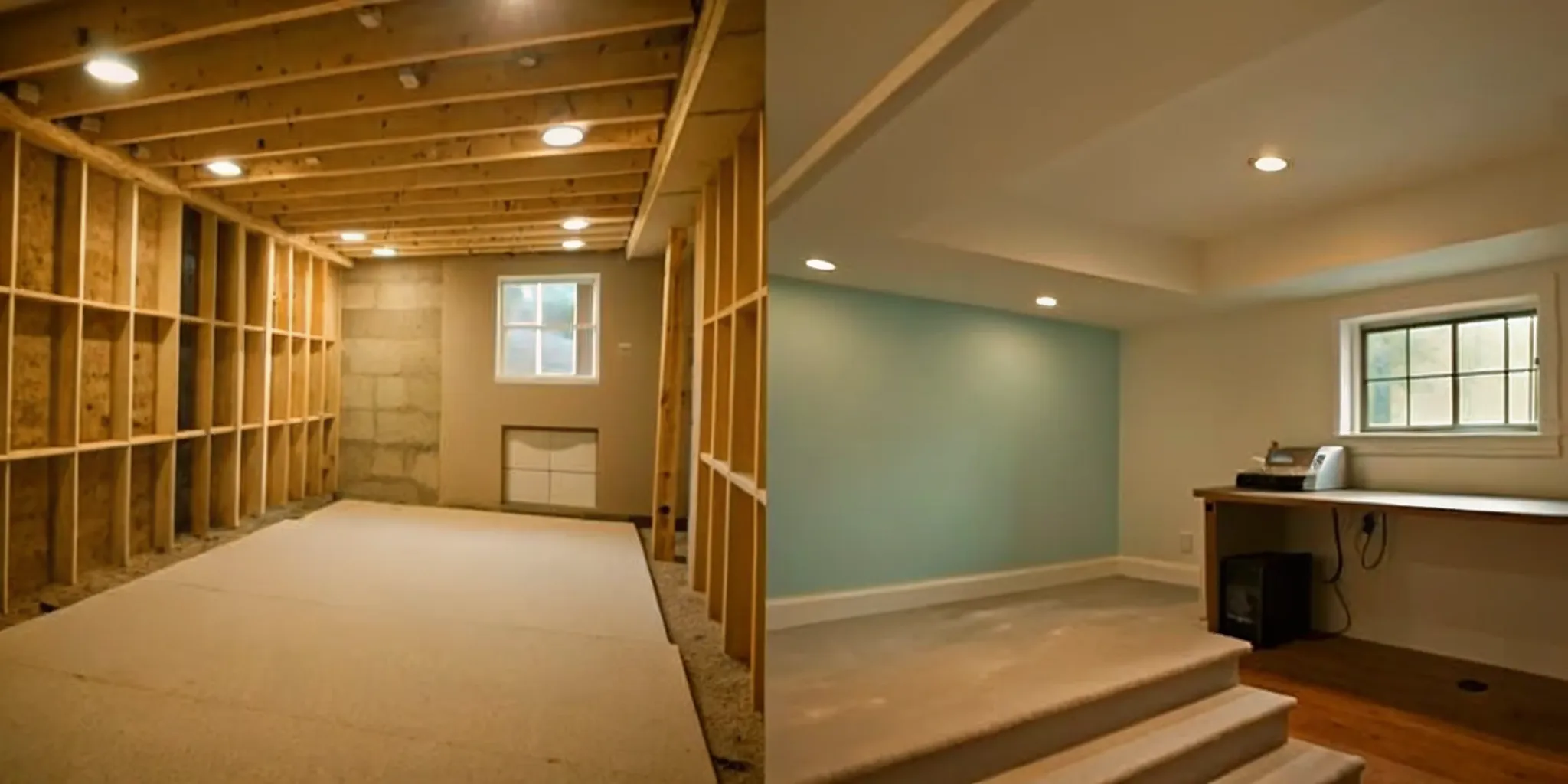
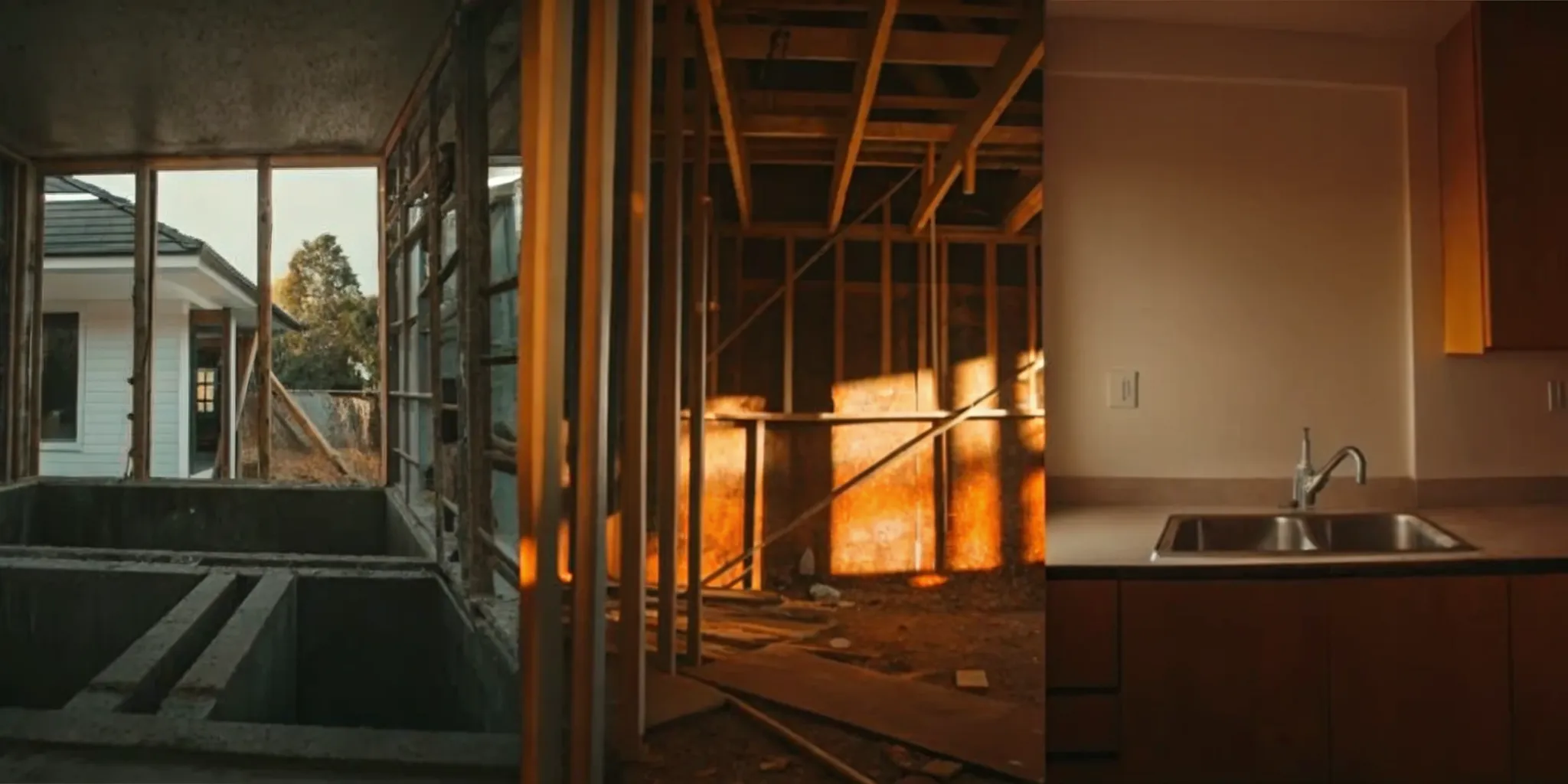
Here comes the fun, dusty part: demolition. This is when your crew removes old walls, tears out dated kitchens, and clears the space for your new design. While it’s exciting to see progress, this is also the stage where you might uncover hidden surprises, like outdated wiring, plumbing issues, or unexpected structural problems. Don’t panic, this is a normal part of renovating an older home. A good contractor will have anticipated potential issues, and this is precisely why you have a contingency fund. It’s all part of the process of making way for the new.
Phase 4: Construction (3–6 Months)
After the dust settles, the rebuilding begins. Construction is usually the longest phase of a remodel and includes a carefully sequenced set of tasks. Your home will transform as crews complete framing, run new electrical and plumbing lines, install insulation, and hang drywall. This is when your blueprints become a three-dimensional reality. Progress can feel slow at times, especially when you’re waiting for inspections at each step. This phase relies heavily on having a team of reliable contractors who can manage the project efficiently and keep the work moving forward on schedule.
Phase 5: Finishes and Final Inspections (1–2 Months)
This is the final stretch where your house truly starts to feel like your home again. The finishing phase is all about the details that bring your style to life. Crews will be painting walls, laying floors, installing cabinets and countertops, and adding light fixtures and hardware. It’s a busy stage with many different tradespeople coming and going. Once the last tile is set, you’ll have a final inspection with the city to officially close out your permits. After that, it’s time for the final walkthrough with your contractor and, finally, moving back into your beautifully renovated space.
What Common Delays Should You Prepare For?
Even with a perfect plan, a whole-home remodel is a complex project with many moving parts. Delays can and do happen. The good news is that most of these hold-ups are common and predictable. Knowing what to look out for is the best way to prepare for them, both mentally and financially. Unexpected problems are a normal part of remodeling, but how you and your team respond makes all the difference. The key is to stay calm and have a clear plan for tackling issues as they arise.
From surprises hiding behind your walls to backordered tile, several factors can throw a wrench in your timeline. Having a dedicated partner to help you manage these challenges can be a game-changer. A renovation advisor can help you anticipate potential roadblocks and create solutions that keep your project moving forward. Let’s walk through some of the most common delays you might encounter.
Hidden Structural Surprises
One of the biggest unknowns in any remodel is what’s lurking behind the drywall. This is especially true in older homes. During demolition, your contractor might discover hidden structural damage that needs to be addressed before any new work can begin. This could include anything from water-damaged subfloors and rotted support beams to a cracked foundation.
These issues are non-negotiable fixes. They must be repaired to ensure your home is safe and sound, which can add unexpected time and cost to your project. While it’s impossible to know for sure what you’ll find, an experienced contractor can often spot potential red flags during the initial inspection. This is also where your contingency fund becomes your best friend, giving you the financial cushion to handle these surprises without derailing your entire remodel.
Outdated Home Systems
Similar to structural problems, you might find that your home’s core systems are not up to modern standards. When walls are opened up, it can reveal outdated electrical wiring, corroded plumbing, or inefficient HVAC ductwork. For example, finding old knob-and-tube or aluminum wiring often means a full or partial electrical overhaul is necessary to meet current building codes and safety requirements.
These system upgrades are critical for the long-term health and safety of your home, but they can pause progress on other parts of the remodel. Your electrician or plumber will need time to assess the situation, order materials, and complete the work before your contractor can close up the walls and move on to the next phase. Building these potential upgrades into your initial budget and timeline can help soften the impact.
Supply Chain and Material Hold-Ups
You’ve finally picked the perfect quartz countertops and custom cabinets, but now you have to wait for them to arrive. Material delays are a frequent source of frustration for homeowners. Unless every item you’ve selected is in stock and ready to go, you and your contractor are often at the mercy of the supply chain. Special-order items like windows, doors, and certain types of flooring can have lead times stretching for weeks or even months.
To minimize these delays, it’s wise to finalize your material selections and place orders as early as possible. A good contractor will help you build a schedule around these lead times. It’s also smart to have a backup option in mind for key finishes, just in case your first choice becomes unavailable or faces an unexpected delay.
Scheduling Conflicts and Budget Creep
In a remodel, one small delay can create a domino effect. If hidden water damage pushes your rough-in plumbing work back by a week, your plumber might not be available to return for another two weeks due to their own packed schedule. This is how scheduling conflicts start, pushing your entire timeline back. These delays often lead to budget creep, as extended timelines can mean additional labor costs.
This is where clear communication and project management are essential. Having a single point of contact, like a general contractor or a Realm Advisor, helps coordinate all the moving pieces. They can juggle subcontractor schedules and find solutions to keep the project on track. A detailed contract and regular check-ins will ensure everyone is on the same page, helping you manage both your timeline and your budget effectively.
How to Keep Your Remodel on Schedule
Even with the most detailed timeline, delays can happen. It’s a reality of renovation that even the best-laid plans can meet unexpected hurdles. The key isn't to expect a flawless project, but to plan proactively to minimize disruptions and manage them when they arise. While you can't control every variable, like discovering hidden structural issues or facing a sudden supply chain snag, you can take several powerful steps to manage your schedule and keep things moving forward. By focusing on what you can control, from initial planning and communication to building the right team, you can protect your timeline and your sanity. These strategies will help you stay in the driver's seat, make informed decisions, and ensure your project crosses the finish line as smoothly as possible, without unnecessary stress or budget surprises. Think of it as building a strong foundation for your project management, not just for your home.
Finalize Your Design Early
One of the biggest culprits for project delays is changing your mind after construction has started. Making decisions about layouts, materials, and finishes before the first hammer swings is the best way to keep your project on track. Once you have a complete design, your contractor can order all the necessary materials and schedule subcontractors with confidence. This prevents the costly domino effect of reordering items or redoing work. Most projects take a little longer than planned, so building in some buffer time is always wise. By locking in your choices early, you control a major variable and reduce the chances of self-inflicted delays.
Apply for Permits ASAP
For any project that involves changing your home’s structure, plumbing, or electrical systems, you will need permits. The permitting process is notoriously slow and can vary dramatically depending on your local municipality. Because you can’t start work without approved permits, you should begin this process as soon as your design plans are finalized. For bigger projects like additions or accessory dwelling units (ADUs), it’s critical to begin the permit process as soon as possible. An experienced contractor or a dedicated permit runner can manage this for you, but staying on top of it is essential to avoid having your entire project stalled before it even begins.
Set Aside a Contingency Fund
It’s a truth universally acknowledged in renovating that unexpected costs will arise. Whether it’s discovering outdated wiring or finding water damage behind a wall, surprises are part of the process. A contingency fund is your financial safety net. Budget overruns often happen because of inadequate planning or changes in project scope, which is why having a contingency fund is so important. Plan to set aside 10% to 20% of your total project cost for these unforeseen expenses. This fund ensures that a surprise issue doesn’t derail your budget or force you to halt the project while you secure more funding.
Keep Communication Open and Document Everything
Clear and consistent communication with your general contractor is the bedrock of a successful renovation. Misunderstandings about a design detail or a schedule change can lead to mistakes, frustration, and delays. Effective communication and collaboration are vital to addressing challenges as they come up. Establish a routine for check-ins, whether it's a daily text or a weekly site meeting. After any conversation, follow up with a quick email summarizing what was discussed and decided. This creates a written record that everyone can refer to, ensuring you and your team are always on the same page.
Partner with a Renovation Advisor
Managing a whole-home remodel is a full-time job, and it’s one you shouldn’t have to do alone. Working with an experienced professional is important, as they can help make sure the project goes smoothly while saving you time and money. A renovation advisor acts as your expert guide and advocate from start to finish. At Realm, your dedicated advisor helps you refine your scope, provides a data-backed budget, and connects you with vetted contractors. This partnership provides the oversight and expertise needed to anticipate roadblocks and keep your project on schedule, giving you peace of mind throughout the process.
Is a Whole-Home Remodel Worth the Wait?
Let’s be honest: the timeline for a whole-home remodel can feel daunting. A general gut rehab often takes around six months, and a project redoing an entire floor can take 9 to 12 months to complete. So, is it really worth putting your life on hold for that long? The short answer is a resounding yes, but it comes with a caveat: the wait is only worthwhile when the process is managed well.
Patience is part of the deal, but there’s a difference between a well-paced project and one that drags on indefinitely. Homeowner communities agree that while you should expect a long haul, some timelines are just far too long. The key to a successful remodel isn’t just waiting, it’s actively participating. This means staying involved and understanding that even the best plans can face detours. Being prepared for unexpected problems, like a hidden foundation issue, can prevent small hiccups from turning into major delays.
Think of the remodel timeline not as a waiting period, but as a construction phase for your future. Every decision made and every week that passes is a step toward a home that is perfectly tailored to you and your family. The dust, decisions, and delays are temporary. But the feeling of walking into a space that is truly yours, designed for how you live, will last for years. Having an expert partner like a Realm advisor to guide you through the process ensures the wait is productive and the final result is exactly what you dreamed of.
Related Articles
- How to Plan a Whole House Remodel: A 9-Step Guide
- Residential Construction Renovation: A Simple Guide
- Creating a Home Renovation Project Plan in 7 Steps
- Your Home Addition Project Timeline Explained
- How Long Does a Kitchen Remodel Really Take?
Frequently Asked Questions
My project is just cosmetic updates, not a full gut. Will it really take six months? Not at all. The six to twelve-month timeline is a benchmark for major, whole-home renovations that involve moving walls, reconfiguring systems, and significant construction. A cosmetic project focused on things like new paint, flooring, and light fixtures is a much quicker undertaking. While the exact schedule depends on contractor availability and material lead times, you can expect a cosmetic refresh to take a few weeks to a couple of months, not the better part of a year.
Which phase of the remodel requires the most of my attention as the homeowner? Your most active and critical role is during the very first phase: planning and design. This is when you’ll make all the important decisions about layouts, materials, finishes, and appliances. Investing your time and energy here sets the entire project up for success. Once construction begins, your role shifts to maintaining clear communication with your contractor and being available for scheduled check-ins. The heavy lifting of decision-making should be complete before demolition starts.
Can I start demolition while I'm waiting for my permits to be approved? I would strongly advise against it. It can be tempting to get a head start while waiting on paperwork, but beginning work without an approved permit is a major risk. If a city inspector finds out, you could face steep fines, a stop-work order, and even be forced to tear out any work you’ve already completed. The potential for setbacks far outweighs the few weeks you might save. It’s always best to wait for that official green light.
What's the single most important thing I can do to prevent major delays? Finalize your complete design plan, down to the last detail, before construction begins. The most common and disruptive delays often happen when homeowners change their minds about a layout or material choice after work has already started. A mid-project change creates a ripple effect, impacting material orders, subcontractor schedules, and your budget. Locking in your decisions early gives your team a clear roadmap and is your best defense against preventable hold-ups.
Is a contingency fund just for surprise problems, or can I use it for upgrades I decide on later? Think of your contingency fund as an emergency-only resource. It should be reserved strictly for unforeseen issues that must be addressed, like discovering hidden water damage or needing to update old wiring to meet code. It’s the safety net that keeps your project from stalling when a surprise pops up. If you decide you want to upgrade your countertops or add a feature you didn't originally plan for, that cost should be handled separately through a formal change order with your contractor.