ADU Cost vs Value: Is Building One Worth It?
Get clear answers on ADU cost vs value. Learn what impacts costs, how much value an ADU can add, and if building one is the right move for your home.
|
May 13, 2026
In this article:
An ADU can solve a lot of problems, whether you need a private home office, a place for aging parents, or a way to generate extra income. While the lifestyle benefits are clear, the financial side can feel more complicated. You’re likely asking yourself if the upfront investment will really pay for itself. A thorough look at the ADU cost vs value is the only way to know for sure. This means calculating everything from design and permit fees to the long-term equity growth and potential rental cash flow. With a solid plan, an ADU can be one of the smartest financial decisions you make for your property.
Key Takeaways
- An ADU is a financial tool, not just extra space: A legally permitted ADU can significantly increase your property value and generate a steady stream of rental income, helping you build long-term wealth.
- Planning is everything, so start before you build: Your project's success depends on early research. Understand local zoning laws first and create a complete budget that includes design, permits, and future upkeep to prevent costly surprises.
- Smart design choices directly increase your return: The value of your ADU is tied to its quality. Investing in durable finishes, an open layout, and a private entrance makes the unit more desirable and adds more to your property's overall worth.
What Is an ADU (and Is It a Good Investment)?
You’ve probably heard people talk about granny flats, in-law suites, or backyard cottages. These are all common names for an Accessory Dwelling Unit, or ADU. Simply put, an ADU is a second, smaller home with its own kitchen, bathroom, and living space that sits on the same property as your main house. They’ve become incredibly popular as homeowners look for creative ways to add more space, whether it’s for aging parents, adult children, or a home office that’s truly separate from your living quarters.
But beyond the added flexibility, you’re likely wondering if building one is a good investment. The short answer is yes, it can be a fantastic financial move. For starters, an ADU can significantly increase your property's market value. In fact, some analyses show that homes with a permitted ADU can see their value rise by 15% to 35%, depending on your location and the quality of the build.
Then there’s the income potential. Renting out your ADU can create a steady cash flow that helps offset the building costs and generate profit over time. This rental income also contributes to your home's overall worth. Some reports estimate an ADU can boost a home's value by as much as 100 times its monthly rental price. Of course, turning that potential into reality involves careful planning. Getting a customized plan for your project is the best way to understand the specific costs and potential returns from the very beginning. An ADU isn't just a versatile living space; it's a strategic asset that can build long-term wealth.
Exploring Your ADU Options
Accessory Dwelling Unit, or ADU, is a broad term for a second, smaller home on your property. But not all ADUs are created equal. The type you choose will have a big impact on your total cost, the construction timeline, and the value it ultimately adds to your property. Understanding your options is the first step in creating a realistic plan. From brand-new backyard cottages to clever garage conversions, let's walk through the most common types of ADUs.
Detached New Construction
Think of a detached ADU as a brand-new, standalone tiny home in your backyard. Because they are completely separate from the main house, these units offer the most privacy for you and your future occupants, making them highly attractive as long-term rentals or guest suites. This privacy and appeal mean they typically add the most value to your property. Of course, building a new structure from the ground up also makes this the most expensive option. A project of this scale involves significant planning, from foundation work to utility hookups, which is why having expert guidance is so important to keep things on track and on budget.
Attached Additions
An attached ADU is essentially a home addition that functions as its own complete living unit. It shares at least one wall with your primary residence but has its own entrance, kitchen, and bathroom. This option is great for increasing your home’s total square footage and can be more cost-effective than a detached build. However, local zoning rules often limit the size of an attached ADU, sometimes to 50% of the main house’s footprint. The key to success here is thoughtful design. You want the addition to feel like a natural extension of your home, not a tacked-on afterthought, which requires careful planning and architectural work.
Garage and Basement Conversions
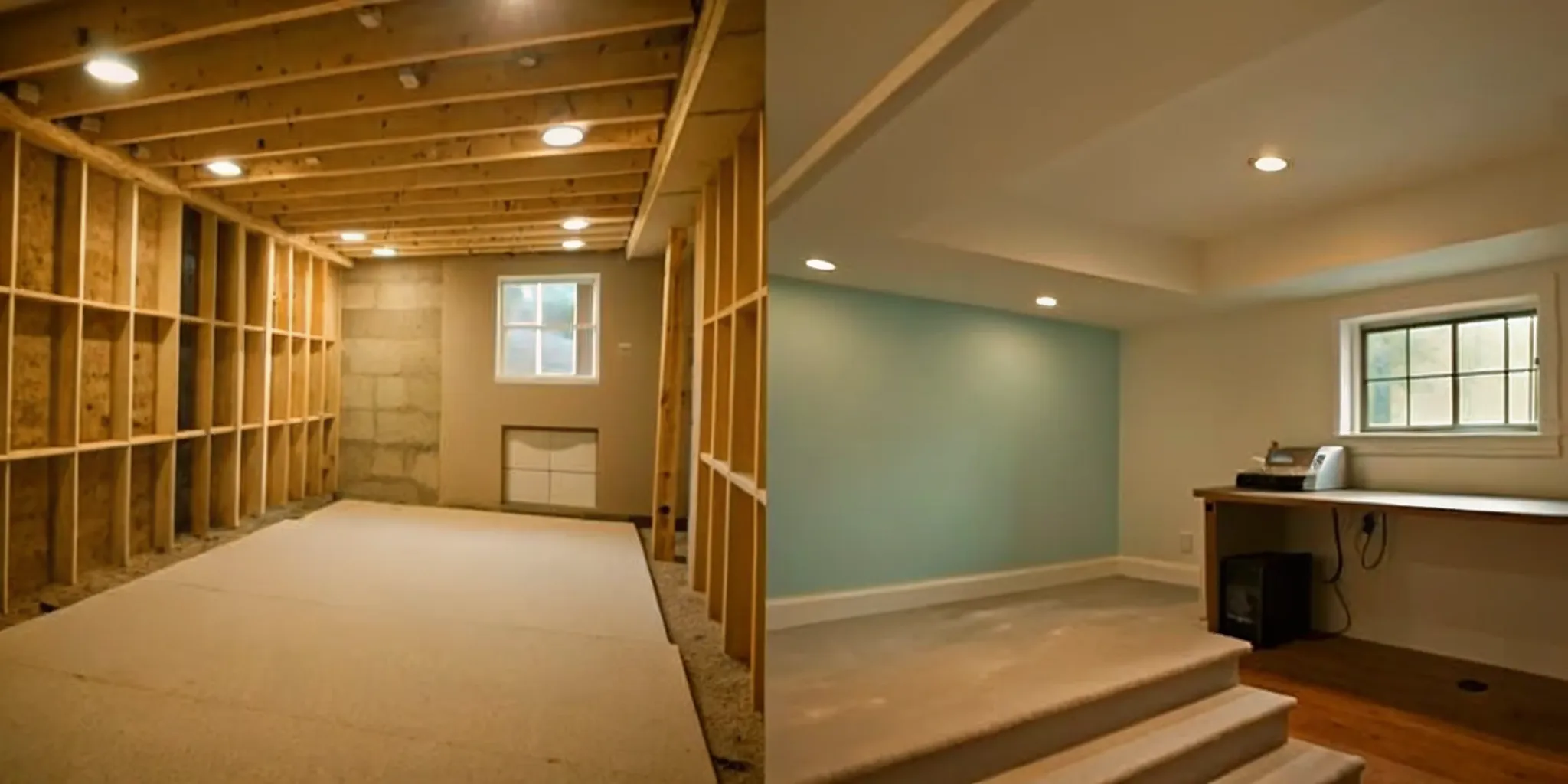
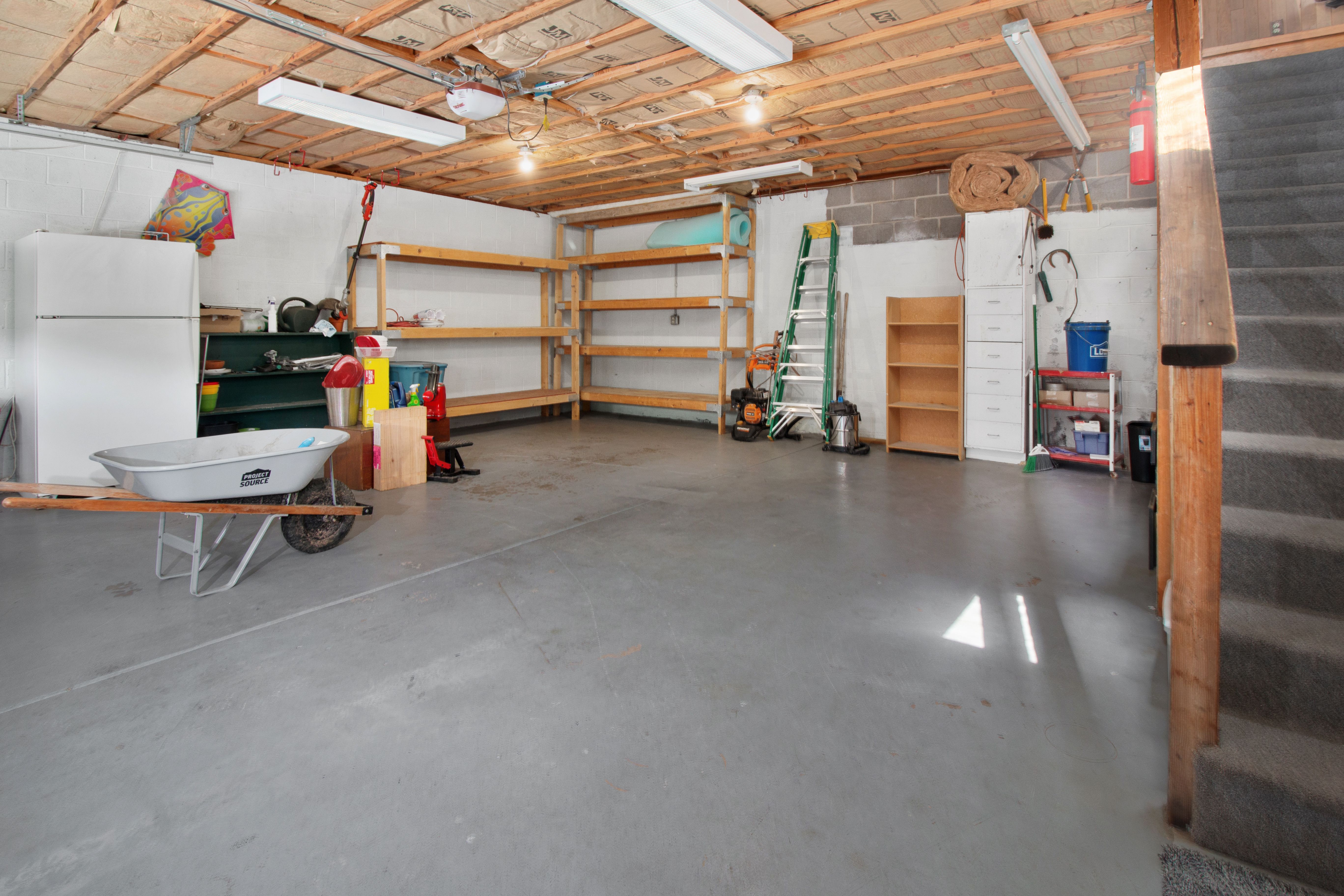
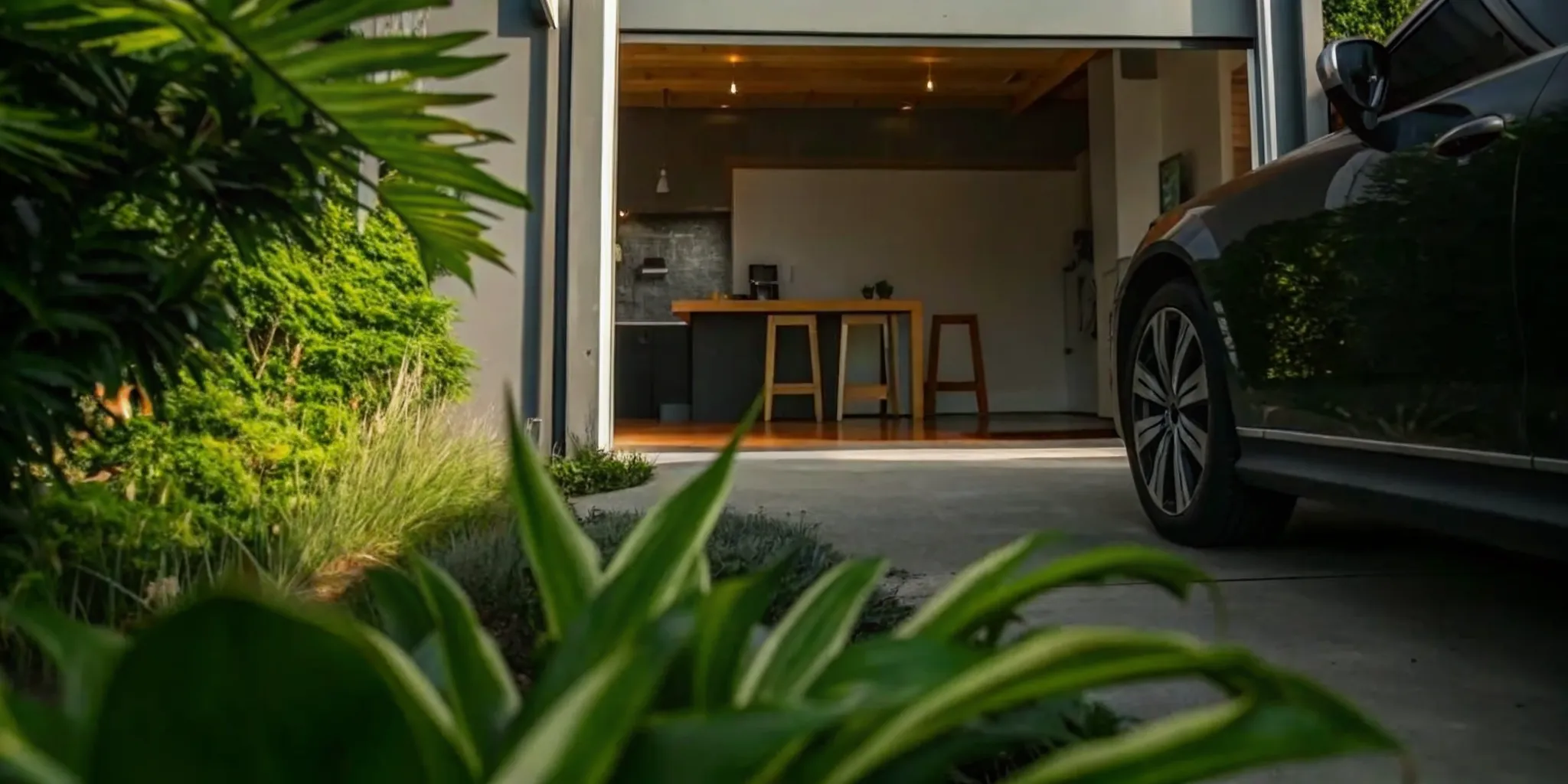
If you’re looking for the most budget-friendly path to an ADU, converting an existing space like a garage or basement is often your best bet. Since the main structure is already in place, you save a significant amount on construction costs. These conversions are perfect for creating a studio or one-bedroom apartment. The main trade-off is that you lose the original function of the space, whether it’s parking, storage, or a workshop. While conversion ADUs absolutely add value, some homebuyers might miss having a garage, so the return on investment can be slightly less than that of a new detached unit. A customized plan can help you weigh these pros and cons for your specific property.
Junior ADUs (JADUs)
A Junior ADU, or JADU, is a smaller, more streamlined type of conversion. These units are created within the existing footprint of your home and can be no larger than 500 square feet. They typically share a bathroom with the main house but must have their own separate entrance and an efficiency kitchen. Because they use existing space and have simpler requirements, JADUs are a very cost-effective way to add a small, functional living area. They’re an ideal solution for housing a college student, an aging parent, or a live-in caregiver without undertaking a major construction project.
Prefabricated ADUs
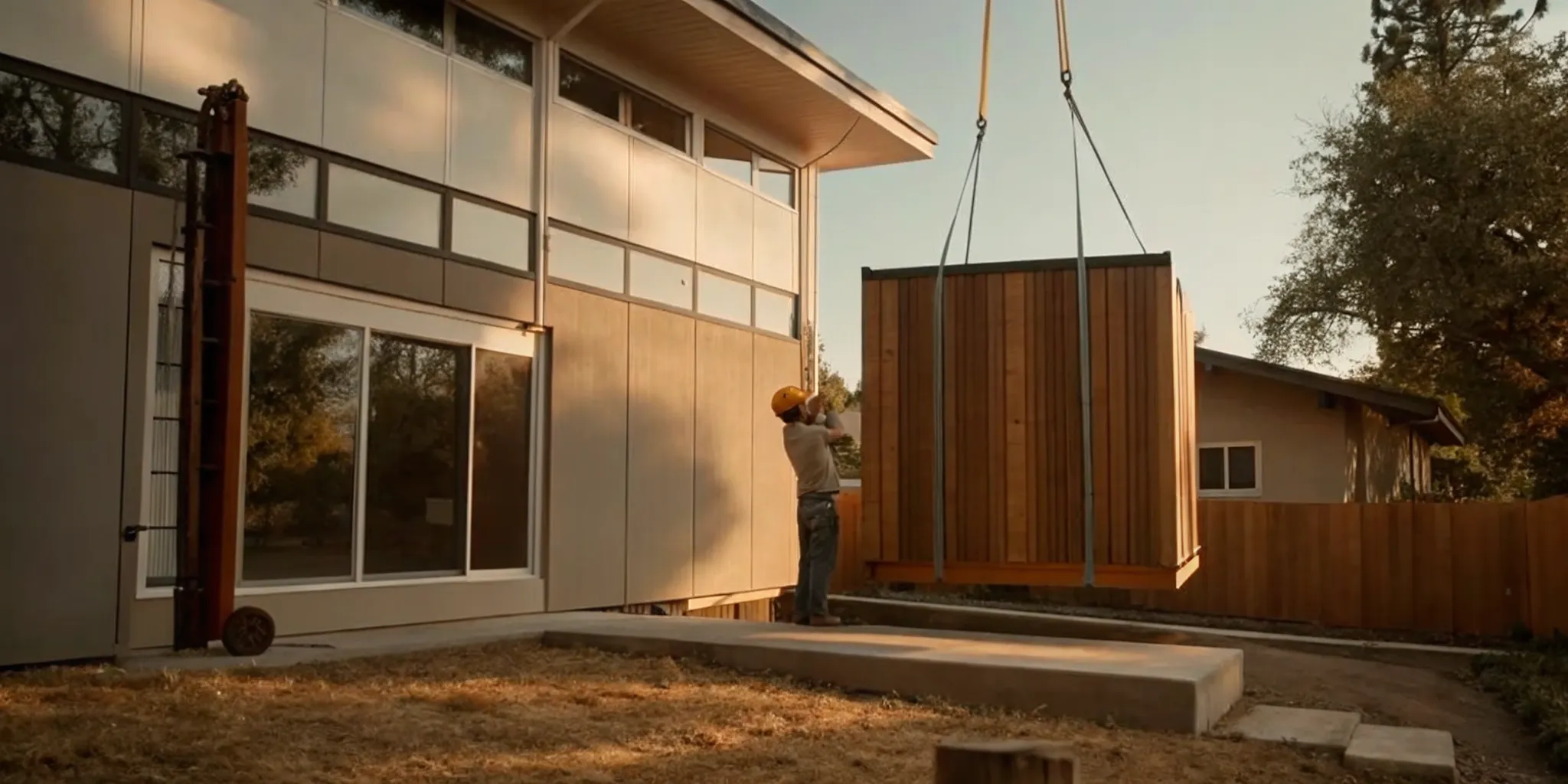
Prefabricated ADUs are built in a factory and then transported to your property for installation. This method can significantly speed up the construction timeline, as the unit is built in a controlled environment while your site is being prepared. While the build itself is faster, remember that you still need to manage permits, foundation work, and utility connections. It’s also important to choose a high-quality manufacturer, as the unit’s durability and materials will directly impact its long-term value. Partnering with vetted professionals ensures both the prefab unit and the on-site work meet the right standards for a lasting investment.
What's the Real Cost of Building an ADU?
When you start thinking about building an ADU, the first number that comes to mind is usually the construction cost. But the total price tag involves more than just lumber and labor. To create an accurate budget, you need to account for everything from architectural designs and city permits to the long-term costs of ownership. Breaking down the expenses into a few key categories can help you get a complete picture of your investment, ensuring there are no surprises along the way. Let's walk through what you can expect.
Hard Costs: Construction
Hard costs are the tangible expenses of building your ADU. This is the biggest chunk of your budget, covering all physical materials and the labor required to put them together. Think of everything from the foundation and framing to the roofing, windows, and interior finishes. While these costs can feel substantial, it’s helpful to frame them as an investment. Studies have shown that homes with ADUs see a significant increase in property value over time, meaning the initial construction costs can offer a strong return on investment. The quality of your build will directly impact your ADU’s final value, so this is where smart spending really counts.
Soft Costs: Design and Permits
Before you can break ground, you have to handle the soft costs. These are the less tangible, but equally important, expenses for planning and approvals. This category includes fees for architects or designers who create your blueprints, structural engineers who ensure the building is sound, and the various city permits required for legal construction. It might be tempting to cut corners here, but getting the proper permits is non-negotiable. An unpermitted ADU won't be recognized in a home appraisal, meaning it adds no official value to your property. A partner can help you manage the permitting process to make sure everything is done correctly from the start.
Site Prep and Utility Hookups
Your property needs to be ready for construction before the first wall goes up. Site preparation costs cover essential work like clearing and leveling the land, excavation for the foundation, and trenching for utilities. You’ll also need to budget for connecting the ADU to essential services. This includes hooking up water, sewer or septic, electricity, and gas lines. These costs can vary widely depending on the distance from your main house to the ADU and the specific conditions of your lot. Working with experienced professionals for utility connections is crucial to ensure everything is safe, compliant with local codes, and built to last.
Ongoing Costs: Taxes, Insurance, and Upkeep
Your financial commitment doesn’t end once construction is complete. As a homeowner, you’ll need to plan for the ongoing costs of your new ADU. Because the unit adds value to your property, you can expect your property taxes to increase, typically by about 1% of the ADU's value each year. If you plan to rent it out, remember that any rental income is usually taxable, though you can often deduct expenses like maintenance. You’ll also need to update your homeowner's insurance policy to cover the new structure. Finally, just like any home, your ADU will require regular upkeep, including cleaning, repairs, and landscaping.
Common Myths About ADU Costs, Debunked
When you start exploring the idea of building an ADU, you'll likely come across a lot of opinions and "common knowledge" about the costs involved. It can be tough to separate fact from fiction. Let's walk through some of the most persistent myths about ADU costs so you can plan your project with a clear and realistic financial picture. Getting these misconceptions out of the way is the first step toward making a smart investment in your property.
Myth: "The Build Cost Is the Final Cost"
It’s easy to focus on the construction estimate as the main price tag, but that number is just the beginning. The total cost of owning an ADU includes ongoing expenses that you'll want to budget for from the start. Think about regular maintenance and repairs, just like with your primary home. You'll also need to account for an increase in your property taxes and homeowners insurance. While these costs add up, they are a normal part of owning a valuable asset. A comprehensive project plan should always include a line item for these long-term expenses to give you a true sense of the overall investment.
Myth: "Going DIY Always Saves Money"
Taking on a big project yourself can feel empowering, but building an ADU is rarely a good candidate for a full DIY approach. While you might save on labor costs upfront, a single mistake can lead to expensive fixes and major delays. Navigating building codes, permits, and inspections is complex, and professionals have the experience to get it right the first time. An experienced ADU builder understands local regulations and has a network of reliable subcontractors. Partnering with vetted professionals not only protects your investment but also saves you from the stress of managing a complicated construction project, ensuring it’s done correctly and on schedule.
Myth: "Any ADU Can Be Built on a Shoestring Budget"
While it's tempting to find the cheapest way to build your ADU, remember that quality matters. An ADU is a significant addition to your property, and cutting corners on construction or design can negatively impact its value. In areas with high housing demand, a well-built and thoughtfully designed ADU will attract better rental applicants and command a higher rent. It will also add more to your home's resale value down the line. Investing in durable materials, good design, and quality craftsmanship isn't just about creating a nice space; it's about maximizing your return on investment for years to come.
Myth: "Financing Is Simple to Secure"
Securing a loan for an ADU can be more complicated than getting a standard mortgage. Not all lenders are familiar with ADUs, and their processes for approving and funding construction can vary. It’s a good idea to speak with a financial advisor or a lender who has experience with renovation or construction loans early in your planning process. They can help you understand your options, from a home equity line of credit (HELOC) to a construction loan. Having a detailed project budget and a clear plan from a dedicated advisor will also make you a much stronger candidate when you approach lenders for financing.
How Much Value Can an ADU Add to Your Home?
Beyond the initial construction costs, an ADU is a powerful investment in your property and your lifestyle. It’s not just about adding square footage; it’s about creating new opportunities. From generating a new income stream to providing a home for family, the value of an ADU extends in several exciting directions. Understanding these benefits can help you see the full picture of what this project can mean for your financial future and daily life. Let's look at the four key ways an ADU adds tangible value to your property.
Immediate Property Value Increase
One of the most significant financial perks of building an ADU is the instant equity it adds to your property. As soon as the project is complete, your home’s market value gets a serious lift. Studies show that homes with an ADU are often priced around 35% higher than comparable homes without one. A good rule of thumb is to expect your property value to increase by about 30%. For example, if your home is currently valued at $500,000, adding an ADU could increase its worth by $150,000. This makes it a smart investment from day one, turning construction costs into long-term property wealth.
Potential for Rental Income
An ADU can quickly become a source of consistent monthly income. Renting out your new unit can provide cash flow that helps offset your mortgage, cover the ADU’s construction costs, or simply fund other life goals. In high-demand areas like Los Angeles or the Bay Area, rental income can be substantial. Appraisers sometimes use a simple formula to estimate value: an ADU can add about 100 times its monthly rental income to your home's value. So, if your unit can be rented for $3,000 a month, it could potentially add $300,000 to your property's appraisal value. When you plan your project, considering the local rental market is a key step.
Added Flexibility for Your Family
The value of an ADU isn't just financial; it’s also about the flexibility it brings to your life. This separate living space can adapt to your family’s changing needs over the years. It can serve as a private home for aging parents, giving them independence while keeping them close. It can also be a perfect spot for adult children saving for their own home, a dedicated home office that’s separate from your main living area, or a comfortable guest house for visitors. This versatility provides peace of mind, ensuring your property can evolve with you. You can always explore more ideas for how an ADU can fit your family's unique situation.
Long-Term Equity Growth
Building an ADU is a strategic move for long-term financial growth. Not only does it increase your property's value immediately, but it also tends to appreciate at a faster rate. One study found that over a 10-year period, homes with ADUs saw their value grow 22% more than homes without them. This accelerated equity growth gives you more financial leverage down the road. Whether you plan to sell your home for a higher profit in the future or want to refinance and tap into that equity for other investments, an ADU strengthens your financial position, proving its worth for years to come.
What Determines an ADU's Added Value?
Not all ADUs are created equal, and their impact on your property value isn't a simple calculation. Several key factors come into play, from your zip code to the quality of your cabinet pulls. Understanding these elements will help you make smart decisions that maximize your return on investment.
Your Neighborhood and Local Market
Location, location, location. It’s a real estate cliché for a reason. The value your ADU adds is heavily influenced by your neighborhood. In dense, high-demand areas like Los Angeles or the SF Bay Area, where new housing is scarce, a well-built ADU can add significant value. The harder it is to build in your area, the more a legal, finished unit is worth. In contrast, an ADU in a more rural area with plenty of space might not see the same dramatic appraisal increase. Your local market conditions, including average rent prices and home sale values, set the stage for your ADU’s financial performance.
The Unit's Size, Layout, and Quality
Functionality is a huge driver of value. An appraiser will see more value in an ADU with a full kitchen, a separate bedroom, and a complete bathroom than in a simple studio with a kitchenette. However, bigger isn’t always better. Many homeowners find that efficiently designed units between 400 and 600 square feet offer the best value per square foot. A thoughtful layout that feels spacious and livable is more important than raw square footage. High-quality finishes that match the main home also signal a smart, cohesive investment rather than a cheap addition. Realm provides customized plans to help you find that perfect balance between size, function, and budget.
Proper Permitting and Legal Compliance
This one is non-negotiable. For an ADU to officially add to your home's square footage and value, it must be fully permitted. An unpermitted "granny flat" won't be included in an appraisal and can become a major liability when you decide to sell. Potential buyers may be scared off by the risk of code violations or even demolition orders from the city. Think of the permitting process as a way to protect your investment. Doing everything by the book ensures your ADU is safe, legal, and recognized as the valuable asset it is. Partnering with vetted professionals who understand local codes is the best way to get this right.
Overall Curb Appeal and Design
First impressions matter. An ADU that looks like a natural extension of your property will always add more value than one that looks like an afterthought. Good design considers everything from the architectural style to the landscaping and entryway. A private entrance and a dedicated outdoor space, like a small patio, can make the ADU far more appealing to renters or family members. As more people seek flexible living arrangements for multi-generational families or work-from-home offices, a thoughtfully designed ADU becomes a powerful selling point. A clunky or poorly placed unit, on the other hand, can detract from your main home’s appeal.
Will Your ADU Pay for Itself?
An ADU is a major financial commitment, so it’s only natural to ask if it’s a smart investment. While the answer depends on your personal goals, a well-planned ADU often makes a lot of financial sense. By looking at the immediate property value increase, potential rental income, and your breakeven point, you can get a clear picture of the return on your investment. Let's break down how to think about the financial side of your ADU project.
Weighing Upfront Costs Against Long-Term Gains
One of the most immediate financial benefits of an ADU is the bump in your property value. Adding a legal, permitted ADU can increase your home's market value by 15% to 35% or more, depending on your location and the quality of the build. In fact, one study found that over a decade, homes with ADUs appreciated 22% more than similar homes without them. This isn't just an extra bedroom; it's a long-term asset that builds equity. The key is to ensure the project is done right, which is where having an expert advisor can make all the difference in maximizing that long-term gain.
How Rental Income Can Offset Your Investment
Beyond property value, an ADU can become an income-generating machine that helps offset the initial building costs. If you plan to rent out your unit, you can use that potential income to estimate its value. A common rule of thumb suggests an ADU can add about 100 times its monthly rental income to your home's value. For example, if your new unit can realistically rent for $3,500 a month, it could add an estimated $350,000 to your property's value. That monthly check can go directly toward paying off a construction loan or simply providing a new stream of passive income.
Estimating Your Breakeven Point
Your breakeven point is when the financial benefits of your ADU officially surpass your upfront costs. This includes the combination of added property value and the rental income you collect over time. Some homeowners see a cash-on-cash return of around 10% on the total cost of building their ADU. It’s important to be realistic, though, as the added value might not be a perfect dollar-for-dollar match for your construction costs. That’s why a detailed financial plan is so important. Understanding how it works to partner with vetted professionals helps you create a realistic budget, putting you on a clear path to reaching your breakeven point sooner.
Smart Design Choices to Increase Your ADU's Value
Building an ADU is a major investment, and like any investment, you want to maximize your returns. While factors like location and size play a big role in your ADU’s value, the design choices you make are completely within your control. Thoughtful design goes beyond aesthetics; it’s about creating a functional, desirable, and durable space that will attract high-quality tenants or add significant appeal for future homebuyers.
Focusing on a few key areas can make a world of difference. A smart layout can make a small unit feel spacious, quality finishes signal durability, energy-efficient features reduce long-term costs, and a touch of privacy makes the space feel like a true home. Getting these details right from the start ensures your ADU not only looks great but also functions beautifully for years to come, directly impacting your rental income and property value. Working with an expert can help you make the right calls for your specific project and budget, ensuring your design plan is set up for success.
Prioritize Open Floor Plans and Natural Light
When you’re working with a smaller footprint, creating a sense of spaciousness is everything. An open floor plan that combines the kitchen, living, and dining areas is one of the most effective ways to do this. It removes visual barriers, making the entire unit feel larger and more connected. This layout also offers incredible flexibility, allowing the space to adapt to different needs, whether it’s a home office, a spot for a yoga mat, or a dining area for two.
Just as important is maximizing natural light. Large windows, glass doors, and strategically placed skylights can flood the space with light, making it feel brighter and more inviting. Natural light has a powerful effect on our well-being and can make even the most compact ADU feel airy and open.
Invest in Quality Finishes
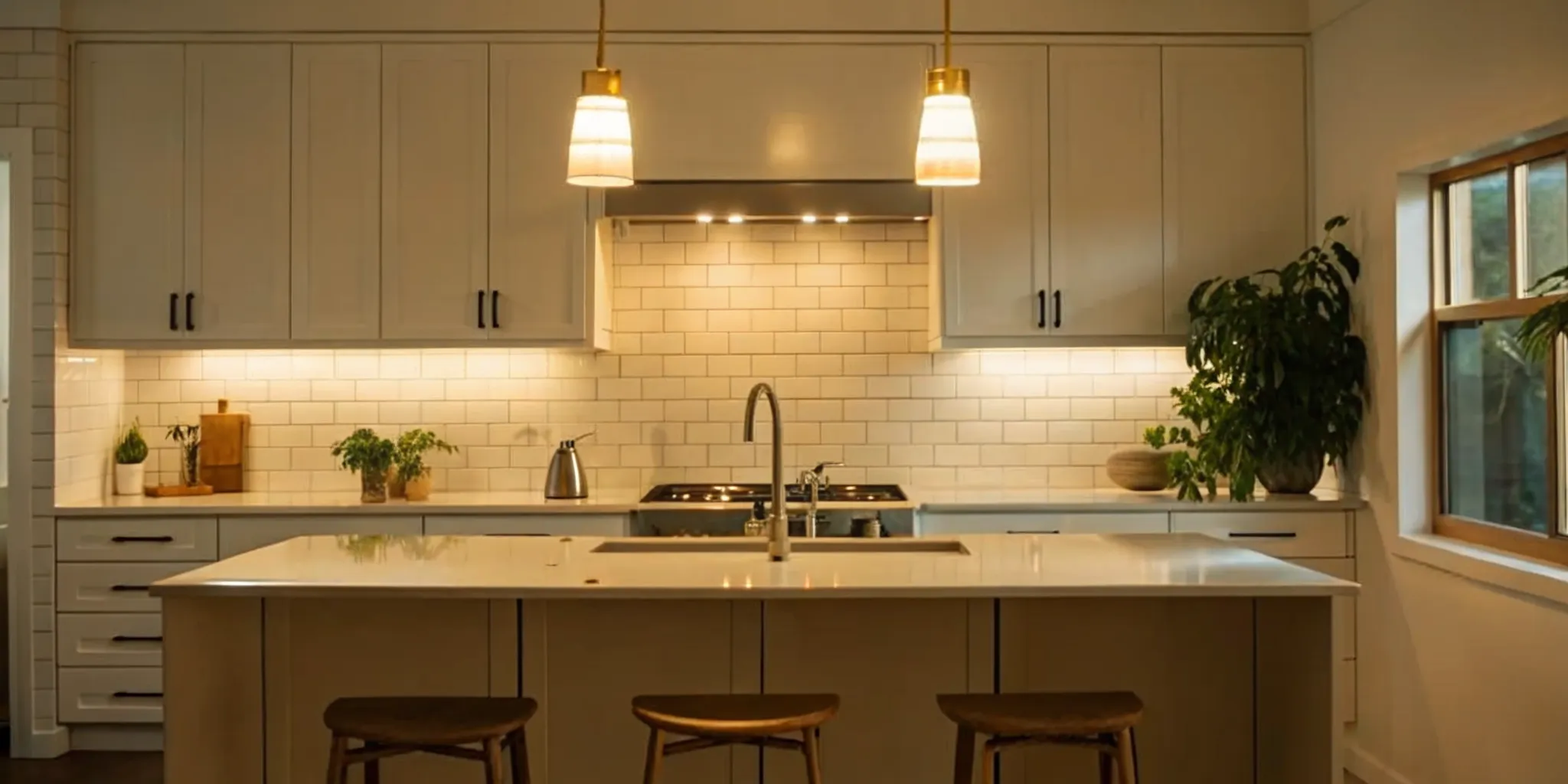
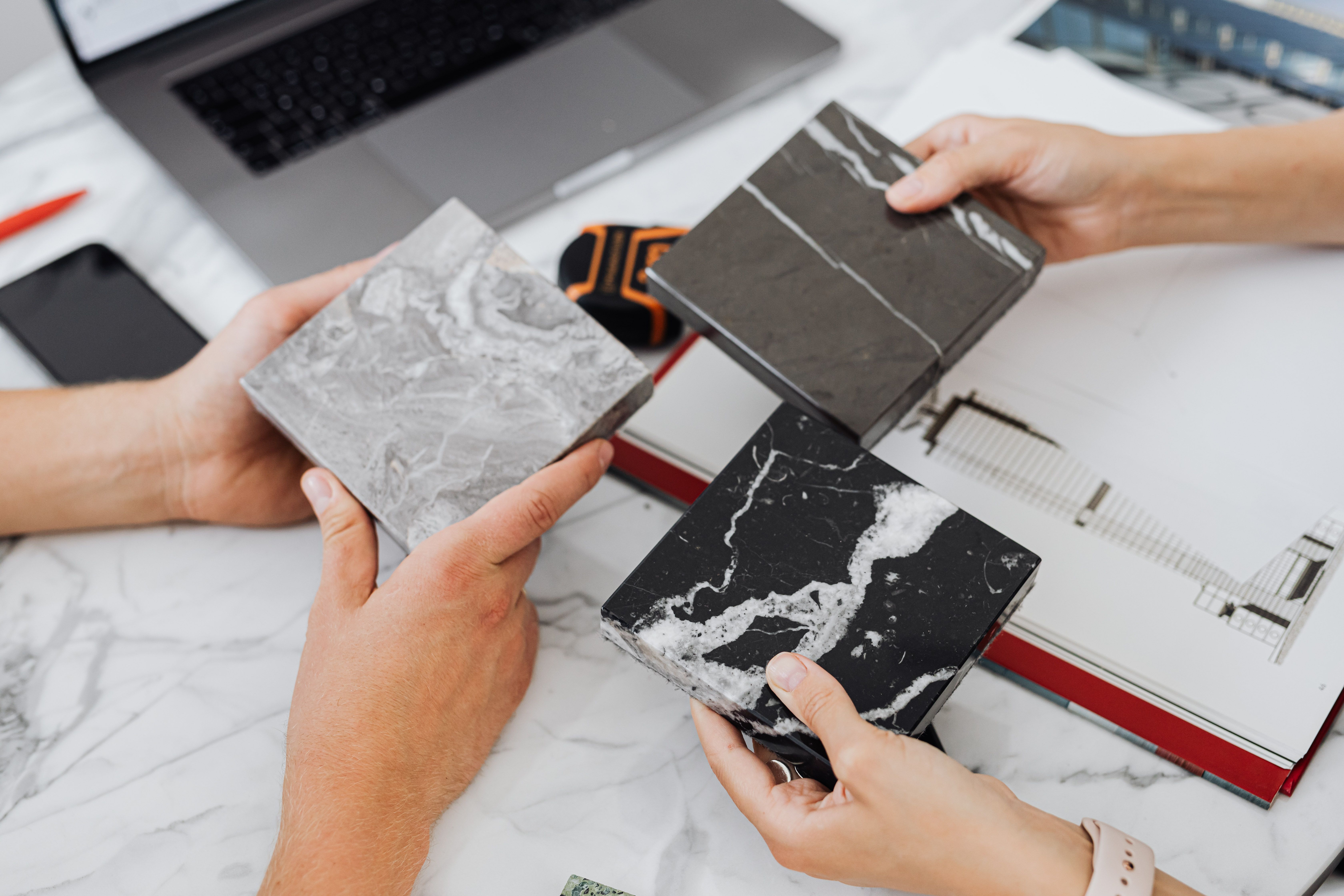
You don’t need to splurge on ultra-high-end materials to create a valuable ADU, but you should aim for a step above builder-grade. The key is to find the sweet spot between cost and quality. Think durable, attractive, and timeless. For example, choose quartz countertops that offer the look of stone without the high maintenance, or install luxury vinyl plank flooring that is both waterproof and scratch-resistant.
These choices signal to potential renters or buyers that the unit was built with care and is meant to last. Quality finishes often translate to lower maintenance and fewer repairs down the line, which is a major selling point. Investing in good, but not overly fancy, finishes typically provides the best return on your investment.
Incorporate Energy-Efficient Features
In a world of rising utility costs, energy efficiency is more than just a buzzword; it’s a powerful feature that adds real value. Incorporating these elements into your ADU is a win-win: it lowers monthly bills for the occupant and makes your property more attractive in a competitive market. Simple additions like double-pane windows, proper insulation, and LED lighting make a significant impact on energy consumption.
When selecting appliances, look for the ENERGY STAR label, which certifies that the product meets strict efficiency guidelines. These features not only appeal to budget-savvy and environmentally conscious tenants but also contribute to a more sustainable and valuable property overall. It’s a modern touch that shows you’ve built a forward-thinking home.
Create a Private Entrance and Outdoor Space
Privacy is arguably one of the most important factors for an ADU’s success, especially as a rental. No one wants to feel like they are living in someone else’s shadow. A separate, dedicated entrance is non-negotiable. It establishes a clear boundary and gives the occupant a sense of autonomy and ownership over their space. This is crucial for attracting long-term tenants who are looking for a place to call their own.
If your lot allows, creating a private outdoor area can dramatically increase your ADU’s appeal. It doesn’t have to be large; a small patio with room for a bistro set or a small, fenced-in patch of grass can be a huge differentiator. This private retreat makes the unit feel more like a standalone home, justifying a higher rent and making it far more desirable. Finding the right local professionals can help you design a solution that works for your property.
How to Avoid Common (and Costly) ADU Mistakes
Building an ADU is an exciting project, but it’s also a major investment of your time and money. While the potential payoff is huge, a few missteps along the way can lead to budget overruns, frustrating delays, and a final product that doesn’t quite meet your expectations. The good news is that most of these mistakes are entirely avoidable with a little bit of planning.
Thinking ahead about the rules, your budget, and the team you’ll work with can make all the difference. By focusing on these key areas from the start, you can set your project up for a smooth and successful outcome. Let’s walk through the three most important steps you can take to protect your investment and build an ADU you’ll love for years to come.
Research Local Zoning Laws First
Before you fall in love with a specific ADU design or floor plan, your first step should always be to check your local regulations. Every city and county has its own set of rules that will directly impact your project. These zoning laws and building codes determine critical details like the maximum size and height of your ADU, where it can be placed on your property (known as setbacks), and even parking requirements. Getting this wrong can force you back to the drawing board after you’ve already spent money on design plans. A dedicated advisor can help you make sense of these complex rules, ensuring your project is compliant from day one.
Create a Comprehensive Budget
One of the biggest mistakes homeowners make is underestimating the total cost of their ADU. It’s easy to focus on the construction estimate, but that’s only part of the financial picture. A truly comprehensive budget includes not only the hard costs of labor and materials but also the soft costs for design, engineering, and permits. You also need to plan for ongoing expenses. Remember to include future costs like increased property taxes, insurance, and a fund for regular maintenance in your calculations. A smart budget also includes a contingency of 10% to 20% to cover any surprises that pop up during construction, giving you peace of mind.
Partner With Vetted Professionals
Your ADU is only as good as the team that builds it. While a DIY approach might seem tempting for saving money, the complexities of construction and permitting often require professional expertise. It’s a good idea to talk to a professional builder to make sure your ADU meets all requirements and is built exactly how you want it. Finding the right architect and general contractor is crucial. Look for professionals with specific experience building ADUs in your area. Always check their licenses, review their portfolio of past work, and call their references. Working with vetted professionals ensures your project is in capable hands and protects you from poor workmanship and legal issues.
Is Building an ADU the Right Move for You?
Deciding whether to build an ADU is a big decision, and the right answer depends entirely on your personal and financial goals. For many homeowners, especially in California, an ADU is a strong investment. A legally permitted unit can increase your property value by 15% to 35%, and the potential for steady rental income can create a new financial cushion for your family. It’s a powerful way to make your property work harder for you.
However, it’s important to see this as a long-term play. To really reap the financial rewards, experts suggest you should plan on owning the property for at least three to five years after the ADU is complete. This isn’t a quick flip; it’s an investment in your home’s future. The value it adds also depends heavily on your local market, the quality of the build, and, most importantly, ensuring every part of the project is properly permitted. An unpermitted structure won’t add to your home’s appraised value and can become a significant liability.
Ultimately, you need to weigh the upfront costs against your long-term vision. Are you building a home for an aging parent, a space for your adult children, or a rental unit to generate income? Understanding your "why" is the first step. From there, you can create a realistic budget and plan that aligns with your goals, ensuring the project is a success from start to finish. A dedicated advisor can help you sort through these questions and map out a clear path forward.
Related Articles
Frequently Asked Questions
What's the very first step I should take if I'm considering an ADU? Before you start browsing floor plans, your first move should be to understand your local zoning rules. These regulations will tell you what's possible on your property, including how large your ADU can be and where it can be built. At the same time, get clear on your personal goals. Are you looking for rental income, a home for a family member, or a private office? Knowing your "why" and what the city allows will form the foundation for a realistic budget and a successful project plan.
How do most people pay for an ADU? Financing an ADU is different from a standard home loan, but there are several common paths. Many homeowners use the equity they already have in their home through a home equity line of credit (HELOC) or a cash-out refinance. Another popular option is a construction loan, which is designed specifically for building projects. Getting your finances in order and having a detailed project plan will make you a much stronger applicant when you speak with lenders who specialize in these types of loans.
Will I lose money if I convert my garage into an ADU? Converting a garage is often the most budget-friendly way to build an ADU because the structure is already in place. While you do trade parking or storage space for living space, it's a trade that can pay off significantly. A permitted garage conversion adds legal square footage and a functional living unit to your property, which increases its overall market value. In many neighborhoods, the value of an extra dwelling far outweighs the value of a garage, making it a very smart financial move.
How much will my property taxes actually increase? When you complete a permitted ADU, your property taxes will go up, but it's not as scary as you might think. Your entire property is not reassessed. Instead, you'll receive a supplemental tax bill based only on the value of the new construction. A good rule of thumb is to expect an annual increase of about 1% to 1.25% of the ADU's construction cost. So, if your ADU cost $200,000 to build, you could anticipate your property taxes rising by about $2,000 to $2,500 per year.
Do I have to rent out my ADU to make it a good investment? Not at all. While rental income is a fantastic benefit that can help you reach your breakeven point faster, it's not the only way an ADU provides value. The moment it's complete, a permitted ADU adds significant value to your property. It also provides incredible life flexibility, whether you use it for aging parents, adult children, or a home office. This versatility and the long-term equity growth make an ADU a powerful asset, even if you never have a single tenant.