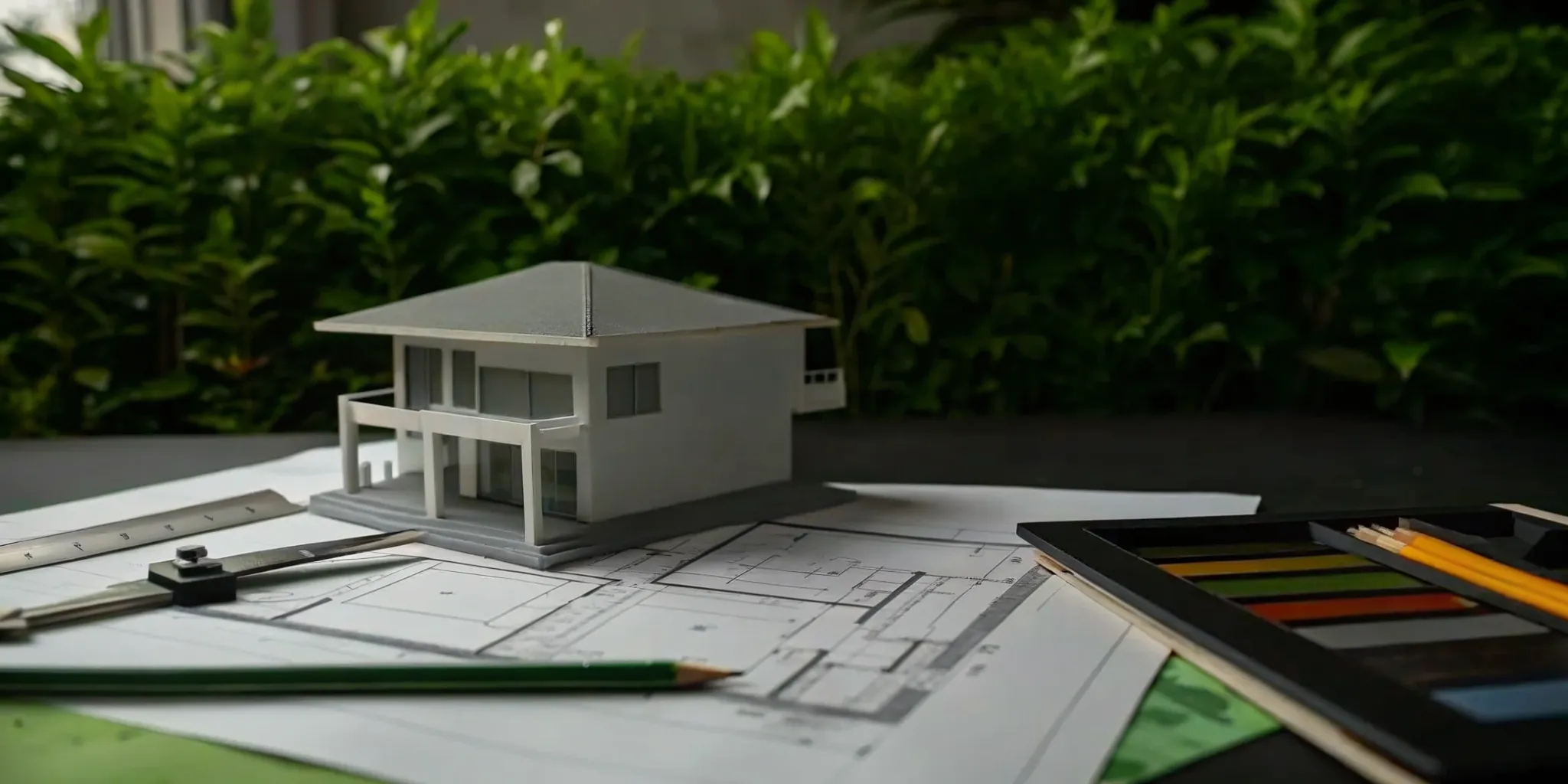
Whole House Renovation Cost Guide: Budgeting a Complete Home Remodel
Schedule your whole house renovation cost guide. Learn what to budget for a complete home remodel in California and Washington, from room-by-room costs to...
|
July 17, 2026
In this article:
A complete home transformation is one of the most exciting investments you can make as a property owner. However, staring down an empty house and trying to map out every expense can quickly feel overwhelming. Knowing the actual costs before you begin helps you budget with confidence and avoid expensive surprises along the way.
The average whole house renovation cost typically ranges from $15 to $150 per square foot, which translates to a total investment of $100,000 to $200,000 for a standard 2,000-square-foot home. If your project requires a full-scale gut remodel down to the wall studs, costs can scale up from $60 to $150 per square foot. According to data tracked by Realm Living, your actual budget depends heavily on your local labor rates, structural needs, and material finishes. Working with a dedicated advisor and pre-vetted contractors allows homeowners to plan their spending accurately while keeping construction on track.
Before you begin picking out new light fixtures or hiring a general contractor, you need to understand the baseline numbers for your specific property layout. The process starts with a clear look at how these project variables shape your bottom line. What Does a Whole House Renovation Actually Cost? Here is how to estimate your total investment and set a realistic budget for your complete remodel.
What Does a Whole House Renovation Actually Cost?
Planning a full home remodel is a major step. The total cost of a home renovation varies widely based on the size of your home and the work you choose to do. Most homeowners pay between $15 and $150 per square foot for updates, as noted by NerdWallet. This wide range reflects the vast difference between simple cosmetic updates and major structural changes.
Average Cost Ranges by Home Size
For a standard 2,000-square-foot home, a full remodel typically runs between $100,000 and $200,000. If you have a smaller home, your total costs will likely be lower. Industry data from Angi indicates that a remodel for a home between 1,250 and 1,600 square feet averages from $19,500 to $88,400. These figures include standard materials and local labor, but custom finishes will push costs higher.
The Price of Structural Changes
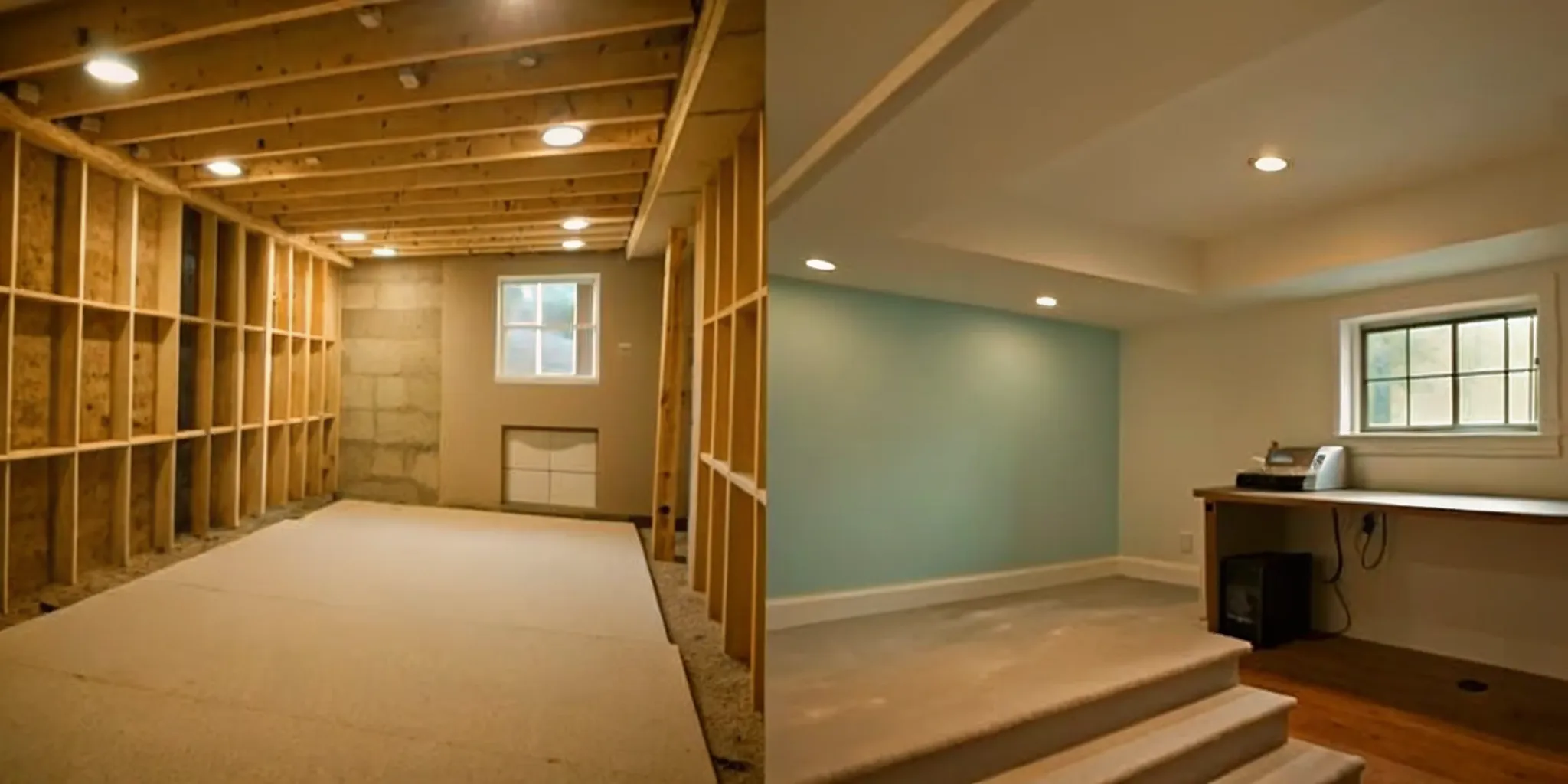
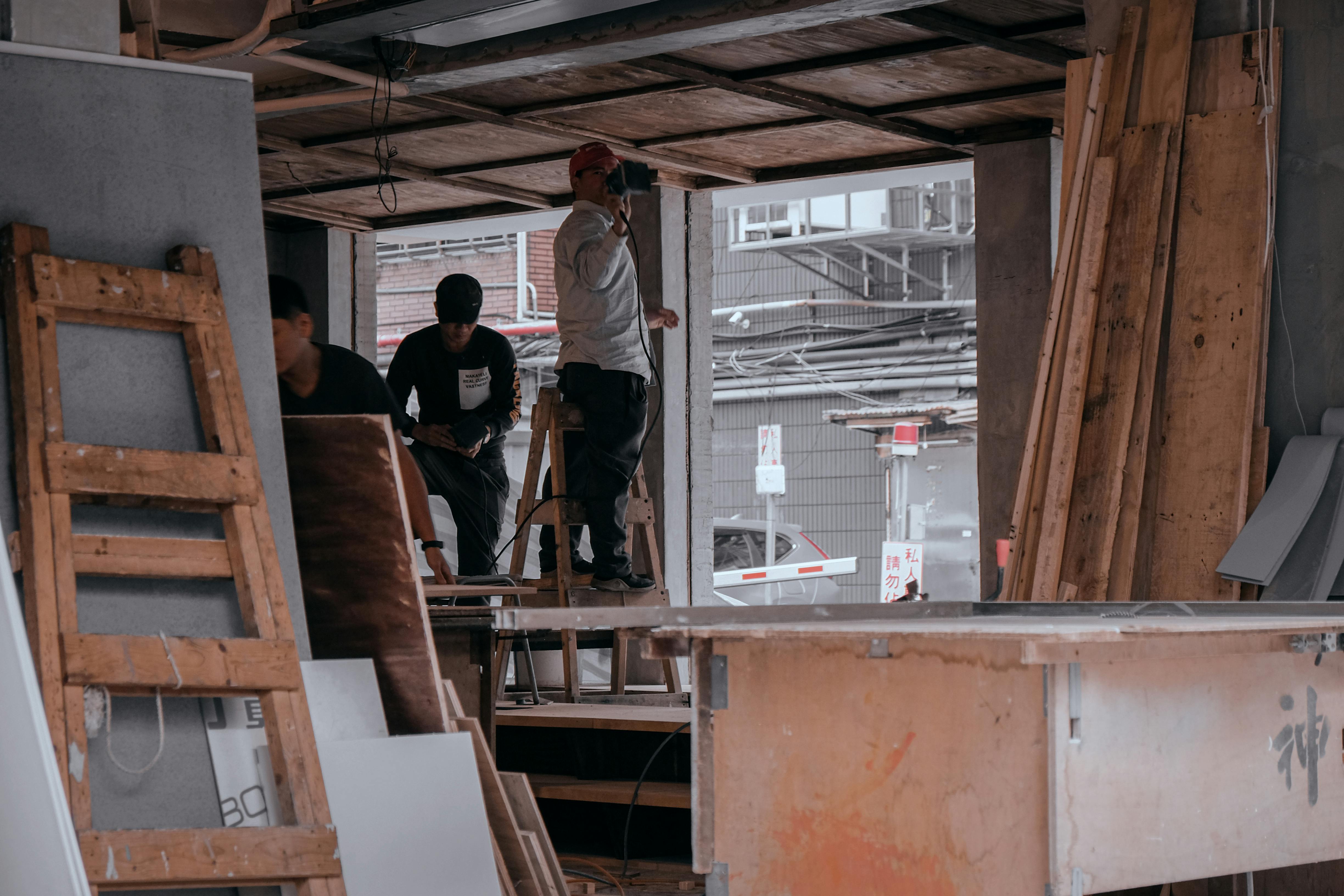
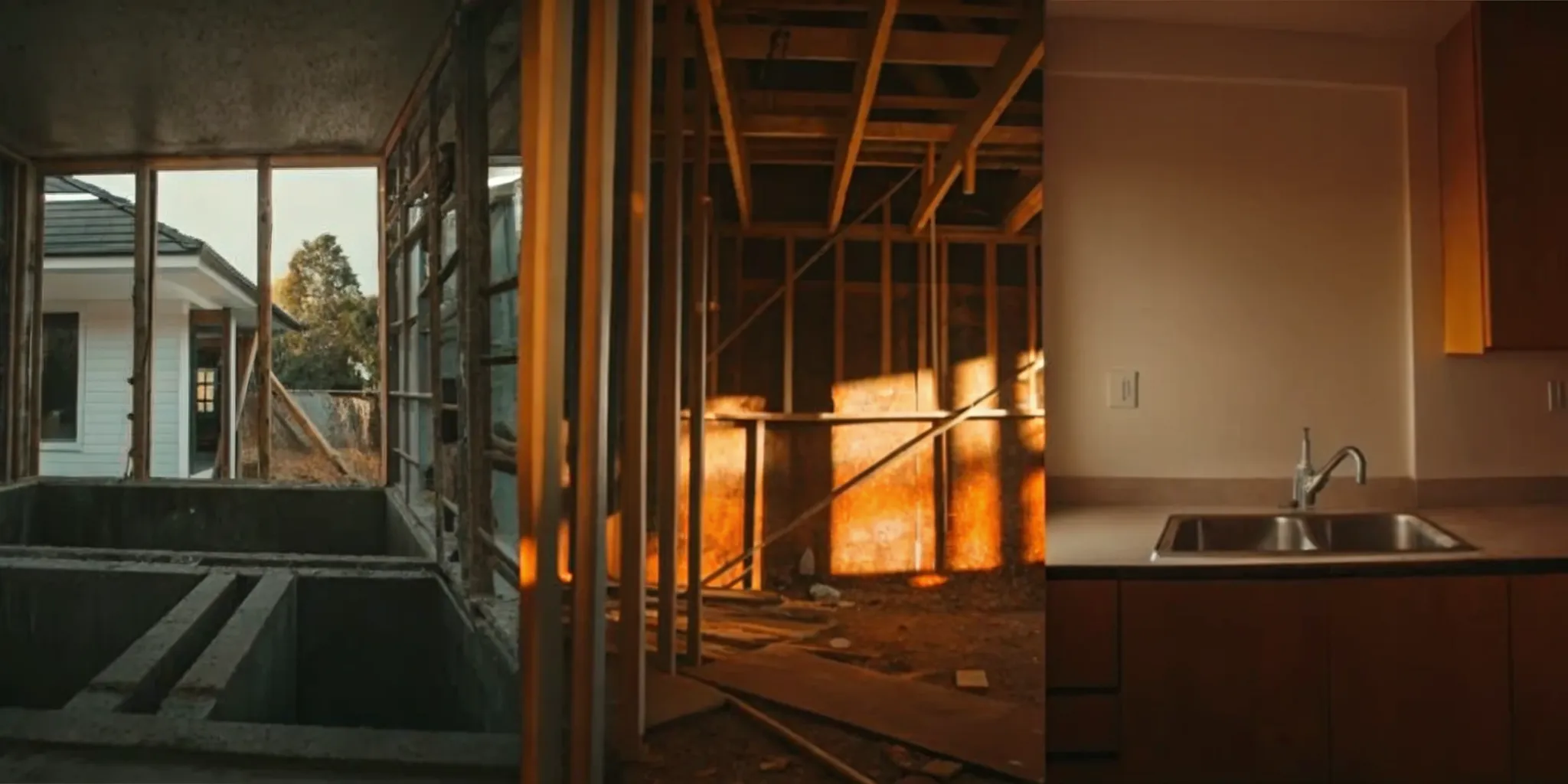
If you plan to tear your home down to the studs, you should budget for a gut remodel. This type of deep construction typically costs between $60 and $150 per square foot. Tearing down walls, updating old plumbing, and rewiring electrical systems require more skilled labor and permits. While structural upgrades increase your upfront costs, they also improve home safety and energy efficiency. Research published by the National Institutes of Health shows that deep building upgrades are highly cost-effective ways to reduce long-term energy bills and building emissions.
Whole House Renovation Cost Breakdown by Room
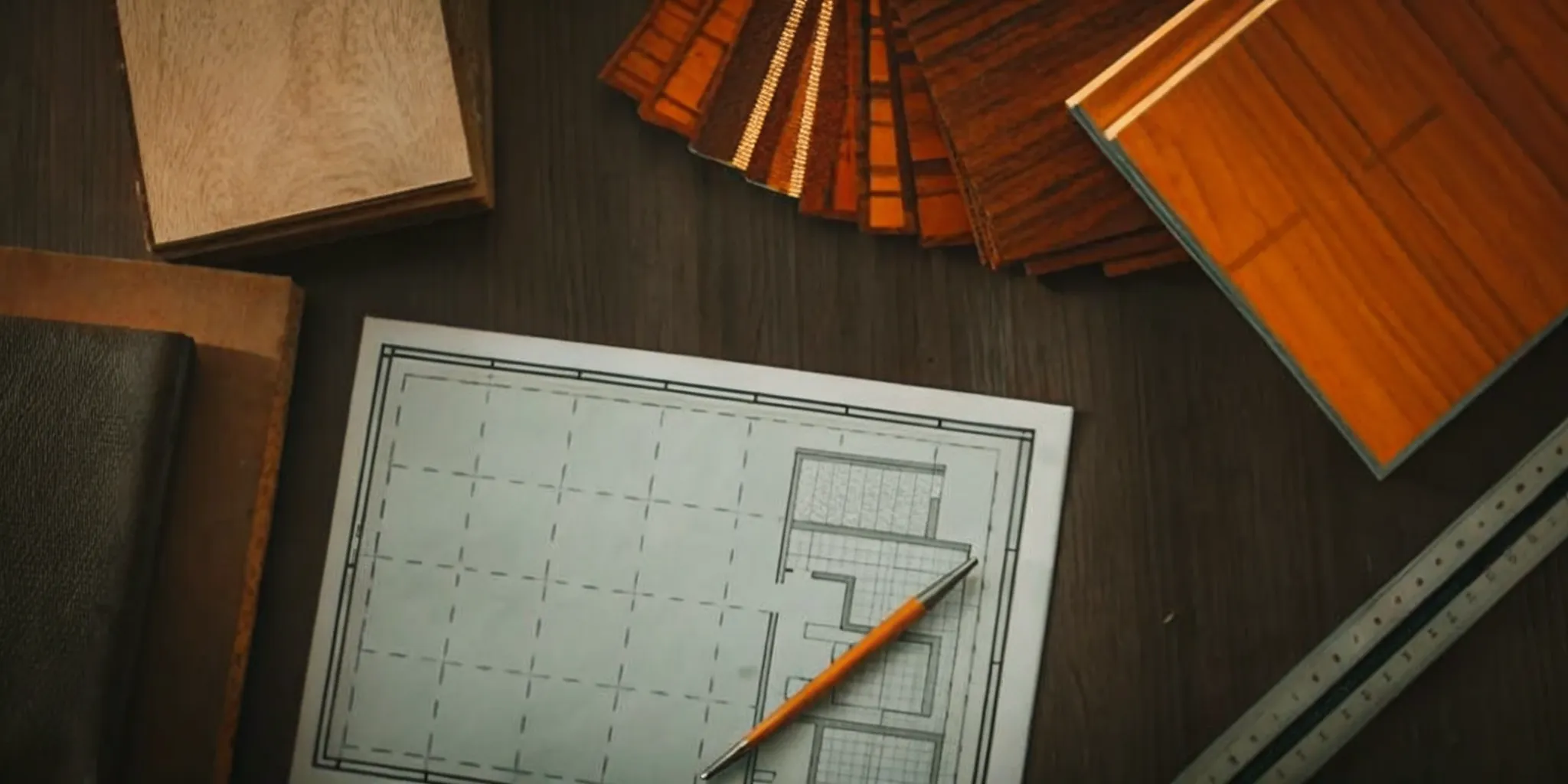
When planning a cost guide for interior renovations, looking at each room is the best way to build a real budget. Home remodeling costs vary by room type because some spaces need new pipes, wires, and heavy tools while others only need paint and new floors. A room by room plan helps you see where your money goes. This method lets you focus your funds on the high-value areas that improve your daily life and home value.
High Cost Wet Rooms: Kitchens and Bathrooms
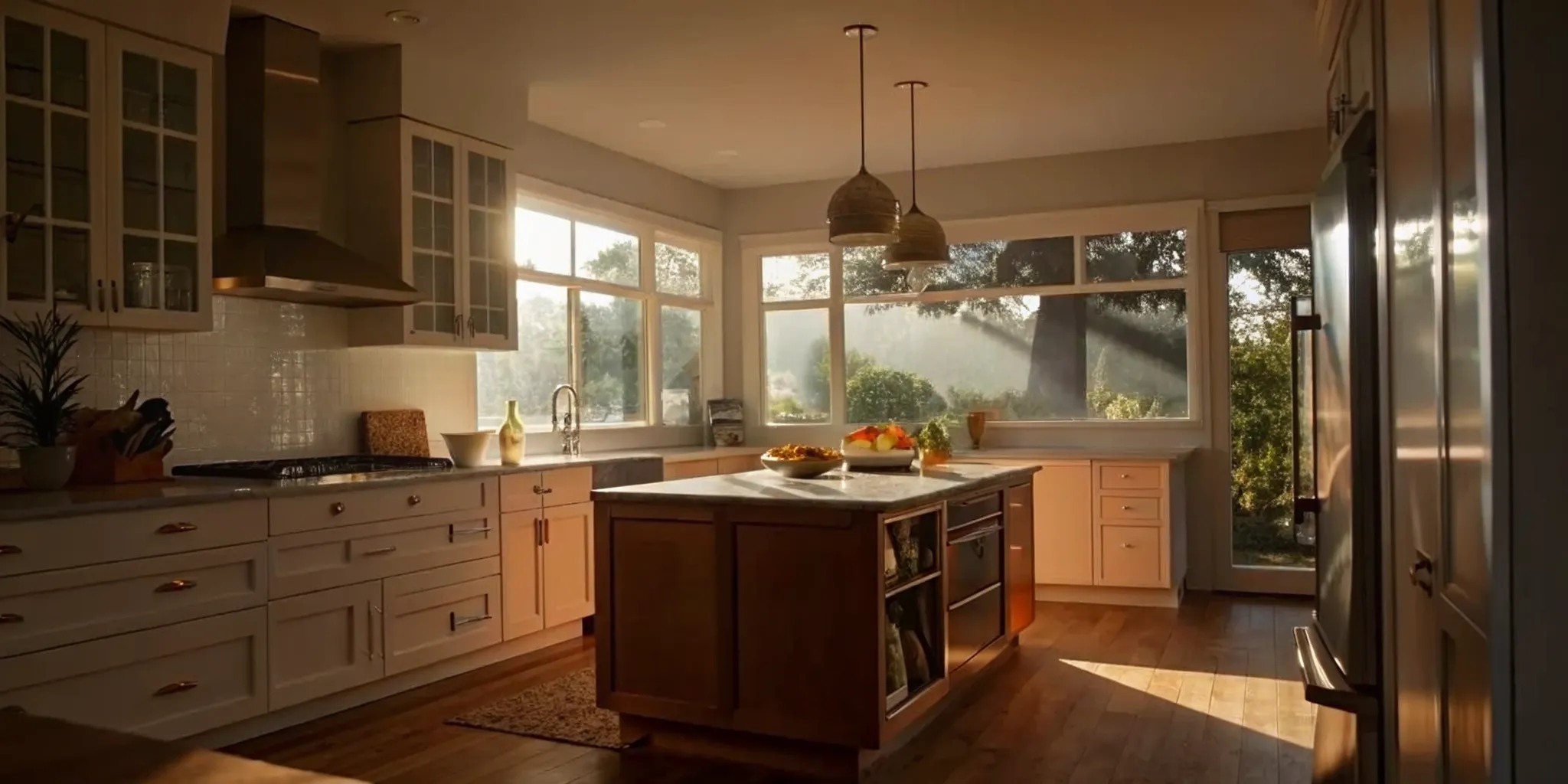
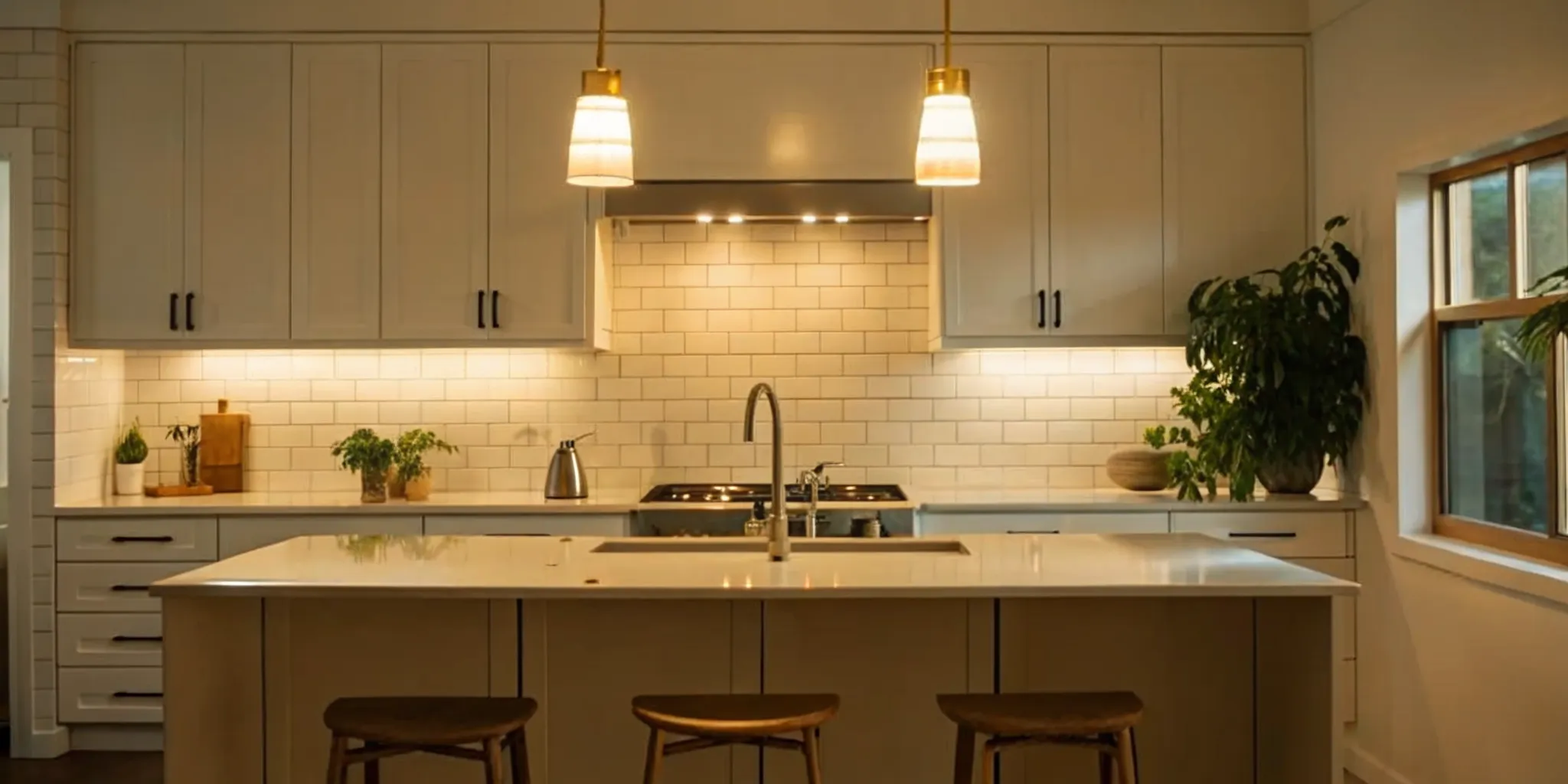
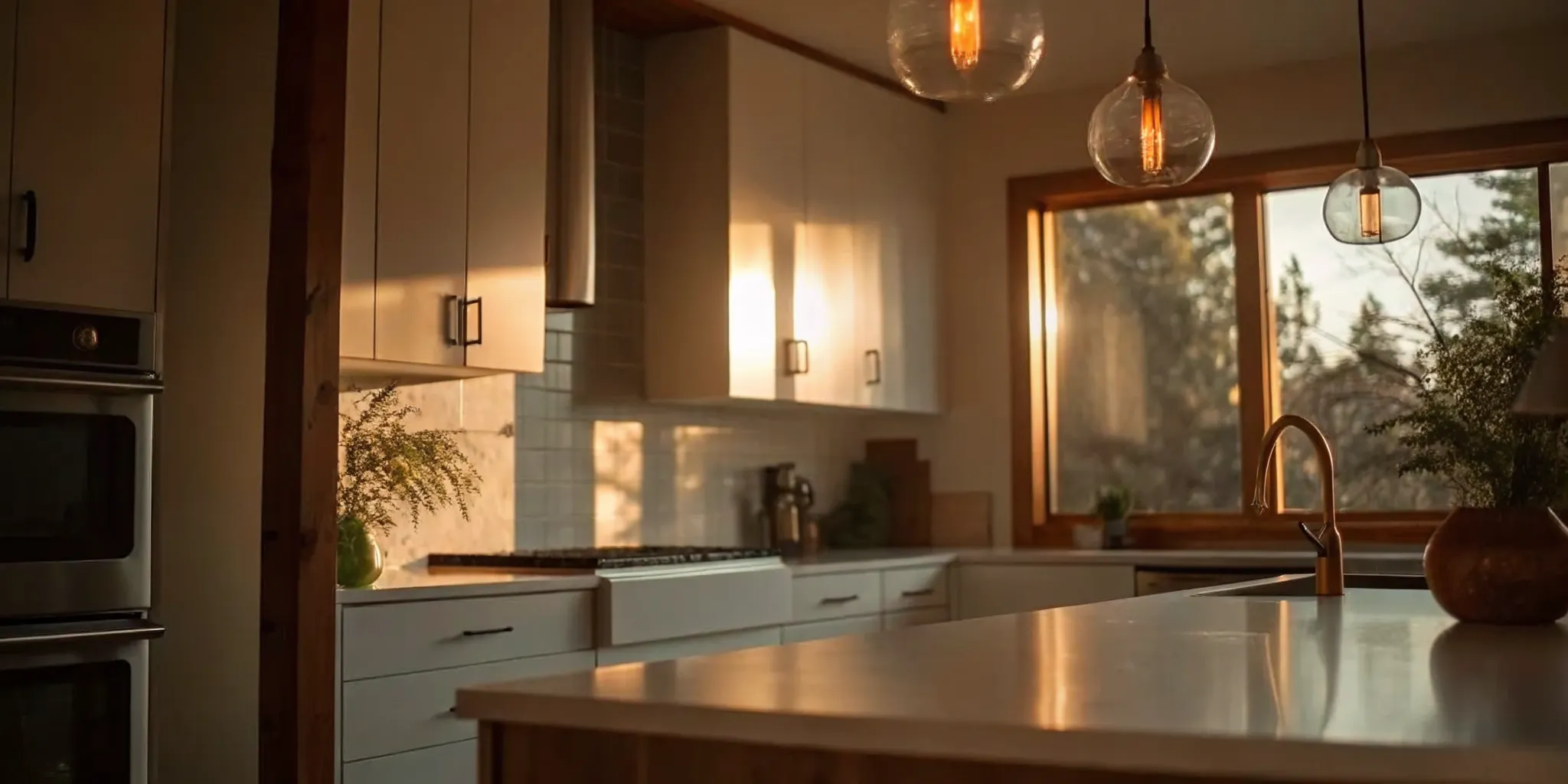
Kitchens and bathrooms cost the most per square foot because they need skilled trade labor, plumbing, and appliances. A standard kitchen remodel ranges from $10,000 to $50,000 or more depending on materials and layout changes. High-end custom kitchens with premium cabinets and stone counters easily top $100,000. Bathrooms are also expensive. A modest bathroom remodel starts around $10,000, but an upscale remodel can reach $81,612 or more for master suites. These wet areas are complex, but they also offer some of the highest returns on your investment when you sell.
Living Spaces, Bedrooms, and Additions
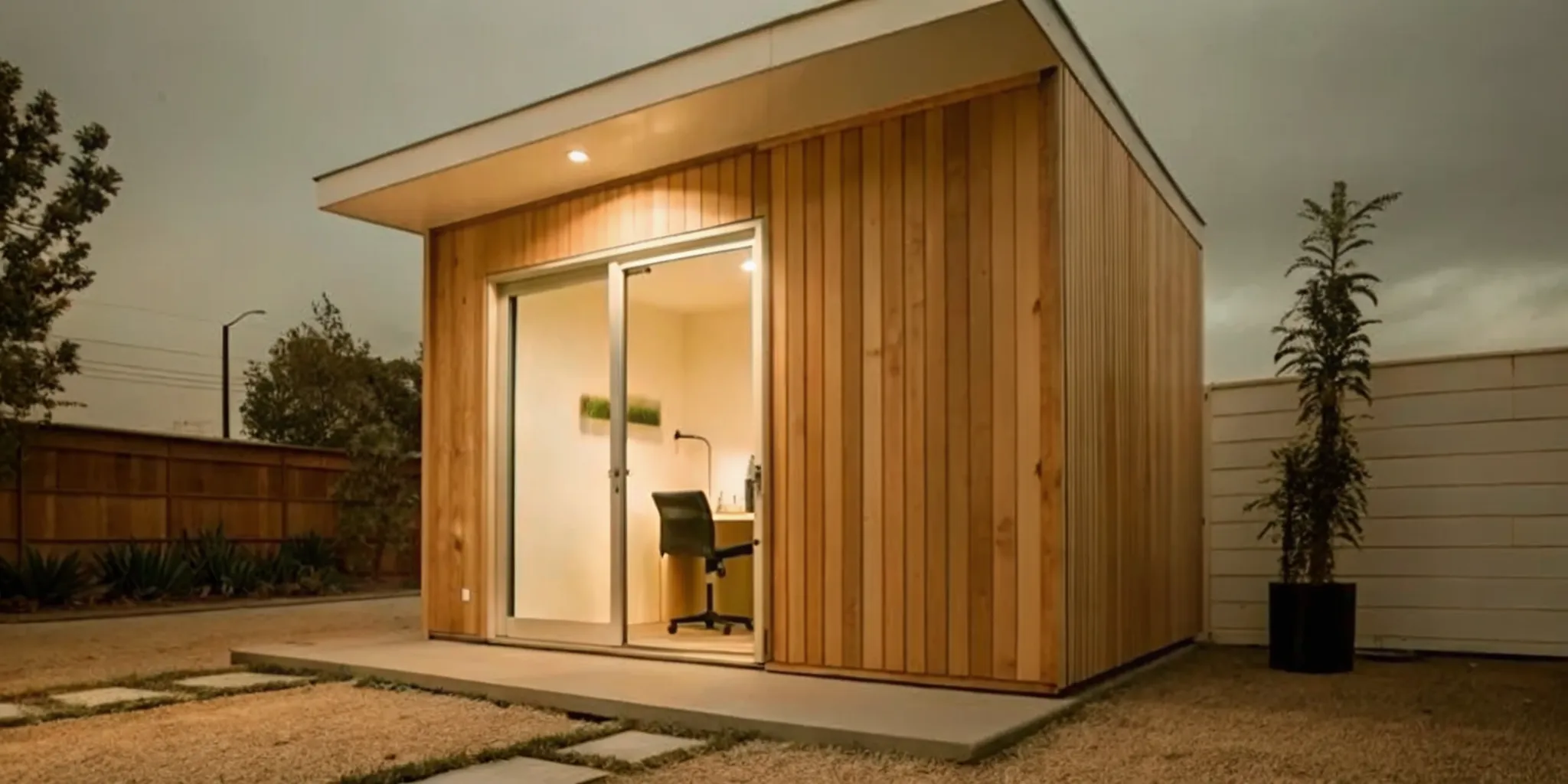
Dry living spaces like bedrooms, family rooms, and offices are much cheaper to renovate because they do not require plumbing. Upgrades in these rooms usually focus on drywall, trim, lighting, and floors, which keeps costs lower. But if you add new space, the price rises fast. For example, adding a premier master bedroom suite costs about $351,613 on average. Basements and attics fall in the middle, costing more if you must add subfloors, insulation, or egress windows to make them safe and legal.
Interior and Exterior Room Cost Comparison
The table below shows the typical cost ranges for different spaces during a whole house renovation. These ranges reflect national averages, but local labor rates in metro areas like Los Angeles or Seattle will often land near the higher end of these scales.
| Room or Project Type | Low-End Cost Range | High-End Cost Range | Primary Cost Drivers |
|---|---|---|---|
| Kitchen Remodel | $10,000 | $50,000+ | Cabinets, appliances, countertops, plumbing |
| Bathroom Remodel | $10,000 | $81,612+ | Tiling, fixtures, vanities, pipe routing |
| Master Bedroom Suite Addition | $150,000 | $351,613+ | Foundation, framing, roofing, HVAC systems |
| Living or Family Room | $5,000 | $20,000 | Flooring, lighting, built-in shelving, paint |
| Finished Basement | $20,000 | $75,000 | Waterproofing, framing, drywall, subfloors |
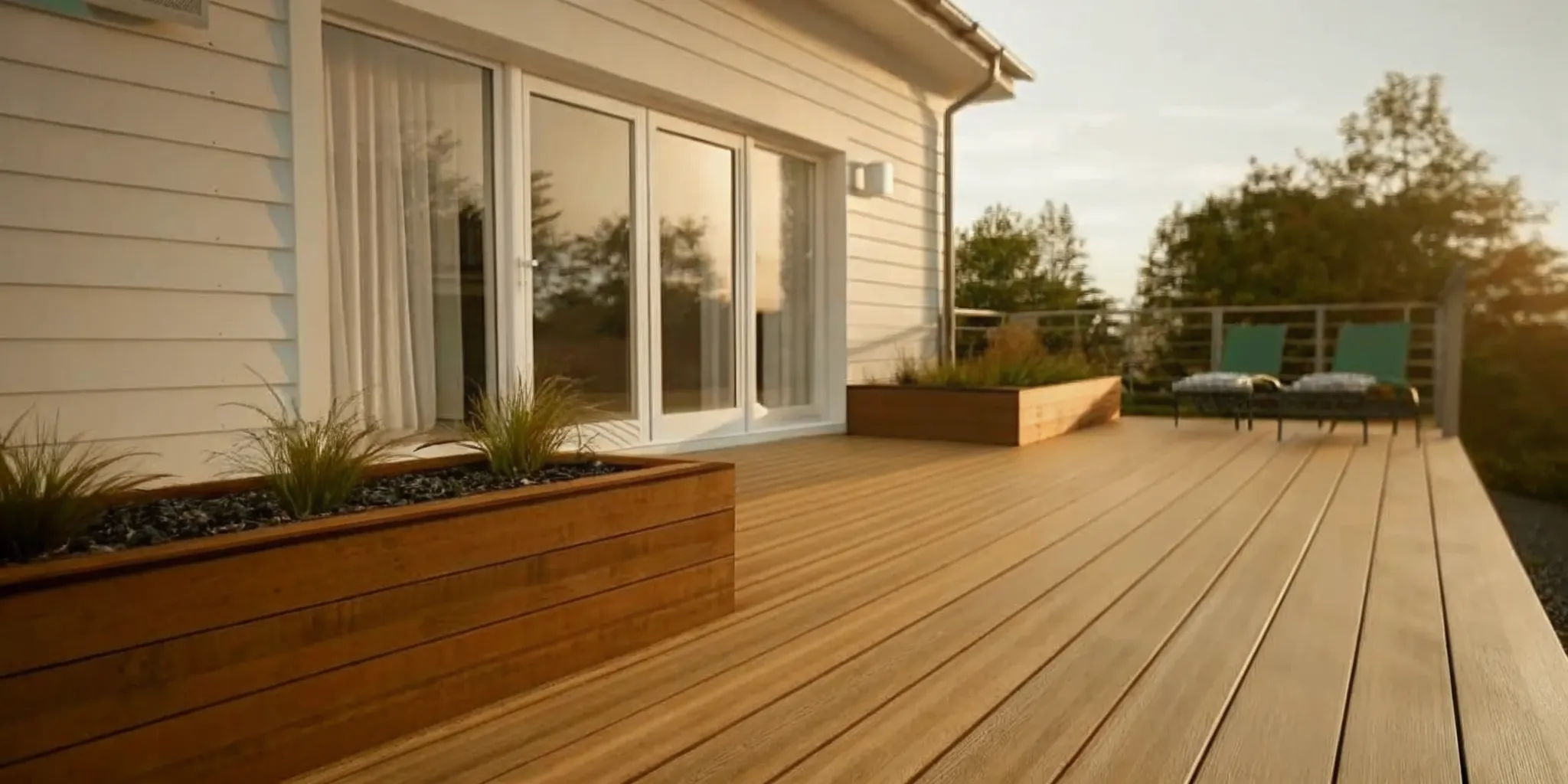
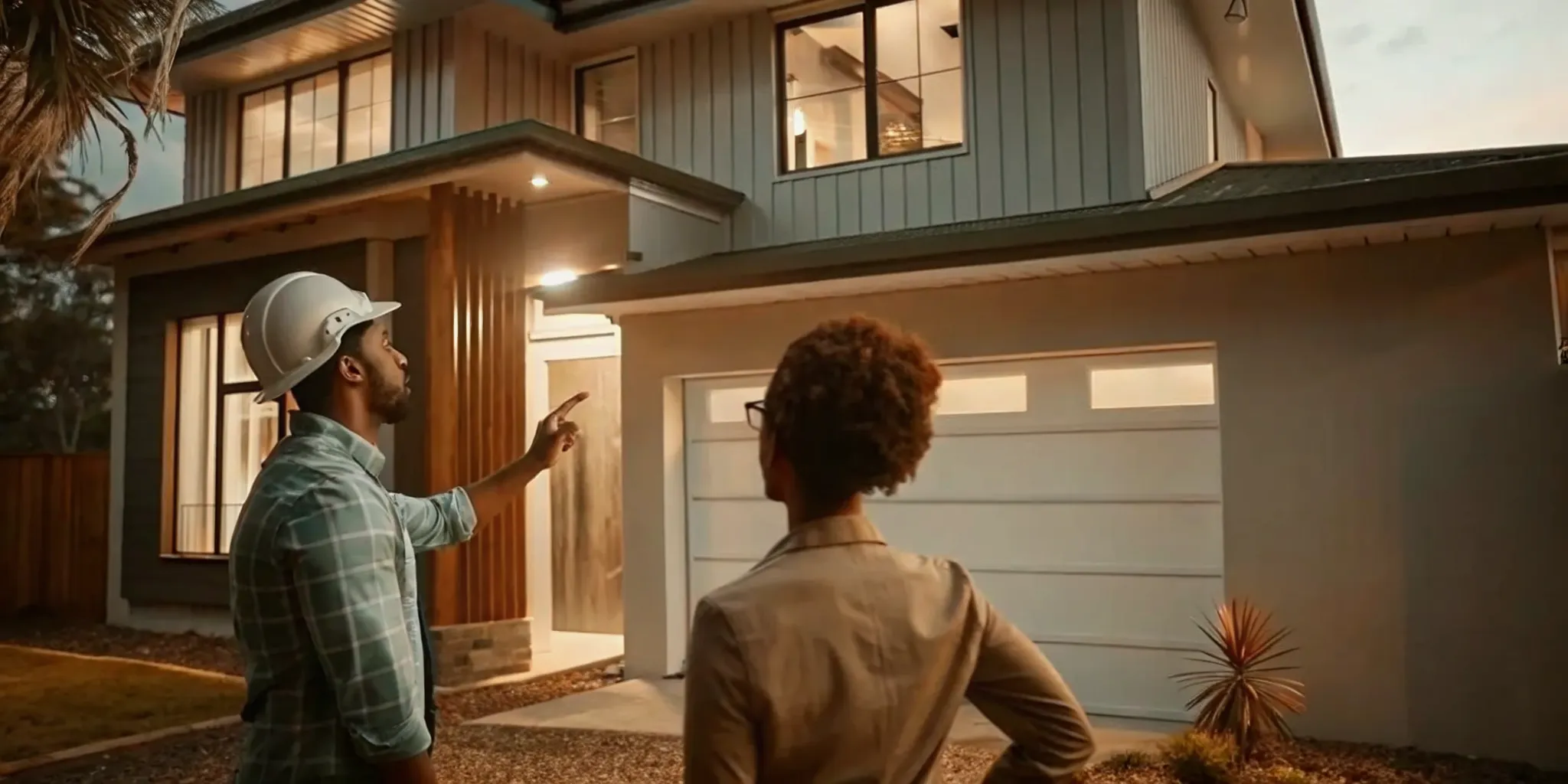
| Home Exterior | $15,000 | $60,000 | Siding, paint, entry doors, basic landscaping |
Every home renovation has unique needs and structural challenges that shape the final price. Upgrading older homes can also reveal hidden issues like outdated wiring or structural wear. To protect your budget, work with experts who can map out these room costs before work starts. Working with a dedicated partner like Realm Living gives you clear bid comparisons and expert guidance to keep your room-by-room budget on track.
Full Gut Renovation vs. Cosmetic Remodel
When planning a cost of a home renovation, you must decide between a full gut renovation and a cosmetic remodel. A cosmetic remodel focuses on visual updates like paint, trim, and light fixtures. This superficial approach keeps costs low and project timelines short. In contrast, a gut renovation is a complete rebuild. It involves stripping the space down to the wall studs to fix old wiring, plumbing, and structural frames. Your choice will shape your project timeline, permit needs, and the overall whole house renovation cost.
The Fast Pace of Cosmetic Updates
Cosmetic updates are the most budget-friendly way to refresh a home. These projects usually cost between $15 and $60 per square foot according to data from HomeGuide. Homeowners often choose this route when the underlying structures of the house are in good shape. Common updates include laying new vinyl floors, installing stock cabinets, and mounting new light fixtures. A basic, low-end whole house renovation cost can average about $75,000 when you limit the work to these surface upgrades. Because you do not move walls or run new pipes, these projects rarely require complex city permits.
The Deep Scope of Gut Renovation
A full gut renovation is a massive task that alters the bones of a house. This process is necessary when you must move load-bearing walls, replace rotting wood, or swap out old utility systems. Full-scale structural remodels usually cost between $100 and $400 per square foot as reported by Fin Home Contracting. You will strip away the drywall, rebuild the subfloor, and install modern mechanical systems. While the upfront investment is much higher, a gut renovation ensures the safety of your home for decades. To keep your project safe and compliant, you should always check the building rules set by your local government or the U.S. Department of Housing and Urban Development before you begin structural work.
Comparing Your Project Paths
To choose the best path, you must weigh your budget against the actual state of your property. If your home has strong bones but looks dated, cosmetic changes are your best option. If the building has structural damage or bad layouts, you need a gut renovation. The table below outlines how these two paths compare across key criteria.
| Project Detail | Cosmetic Remodel | Full Gut Renovation |
|---|---|---|
| Average Cost | $15 - $60 per square foot | $100 - $400 per square foot |
| Structural Changes | None | Wall removal, framing repairs |
| Permit Required | Rarely | Yes, almost always |
| Typical Timeline | 2 - 4 weeks | 3 - 6 months |
| Primary Benefit | Low cost, fast update | New utility systems, safe structure |
Key Factors That Influence Your Renovation Budget
Every home is unique, so there is no single price tag for a full remodel. The total cost of a home renovation depends on several moving parts that can drive your budget up or down. Understanding these core variables helps you plan ahead and avoid surprises during construction.
Your Home Geographic Location
Where you live is one of the biggest drivers of project costs. Labor rates, permit fees, and material delivery fees vary wildly by city and state. For example, high-demand areas like California and Washington face some of the highest construction labor rates in the nation. According to market data from Willow Home, even within a single state, local premiums can change fast. Building in Denver runs about 10% to 20% above national averages, while building in Boulder adds another 15% to 25% on top of Denver rates. If you renovate a home in a mountain community, you can expect to pay 20% to 30% more than the Front Range average. These local differences mean you must look at local bids, not just national cost estimates.
Age and Size of the Structure
The overall size of your house directly dictates how much paint, flooring, and drywall you need to buy. But the age of the house is often the factor that triggers unexpected expenses. Older homes frequently hide issues behind their walls that do not meet modern building codes. When you open up the walls of a home built before 1980, you may find outdated galvanized pipes, knob-and-tube wiring, or lead paint. Upgrading these vital systems to keep your family safe is a major part of building renovation complexity and can quickly increase your total budget.
Material Quality and Selection
The finishes you choose will swing your budget by tens of thousands of dollars. Standard stock cabinets, laminate counters, and vinyl floors keep costs low but have a shorter lifespan. On the other hand, custom hardwood cabinets, quartz countertops, and imported tile can easily double your kitchen or bath budget. Balancing these material choices is a critical step when planning your home remodel so you invest in high-use areas while saving on guest rooms or laundry spaces.
How to Lower Your Construction Bids
Finding vetted contractors and comparing bids is a stressful part of any large home project. Homeowners often accept the first bid they get because they do not know how to negotiate. However, people who work with Realm Living get access to a team of professional advisors who compare and level bids. Through this clear comparison and bid negotiation process, homeowners achieve 10% to 25% lower project costs than standard market rates.
Hidden Costs and Contingency Planning
When you budget for a major home project, the sticker price is rarely the final cost. Unexpected issues often arise once walls are opened or work begins. A study in the National Institutes of Health database shows that a top-down strategy helps find the best path for complex builds.
Unseen Home Renovation Expenses
To avoid running out of money, you must build a safety net. The best way to do this is to set aside 15% to 20% of your total budget for surprise expenses. This money acts as a buffer so you can handle issues without pausing your project or cutting corners on finishes.
Steps to Manage Hidden Construction Costs
You can protect your budget by planning for these five common areas of unexpected spending before you begin your build.
- Permits and Local Fees: Municipal building permits and local plan checks can cost thousands of dollars. You must research your local zoning rules and fee schedules early so these costs do not catch you off guard.
- Structural and Safety Surprises: Opening up old walls can reveal termite damage, faulty wiring, or outdated plumbing. If you own an older home, you may also need to budget for asbestos removal to keep the site safe.
- HVAC and Major System Upgrades: A larger layout or a new room addition often strains your existing infrastructure. You may need to replace your entire heating system or install a new water heater to support the extra space.
- Temporary Living Expenses: Living in a construction zone is highly stressful and often impossible during a full gut remodel. You must factor in the cost of renting a temporary home, moving your furniture, storing your belongings, and eating out more often.
- Post-Project Adjustments: Once construction ends, you will still face finishing costs. You should budget separately for new window blinds, light fixtures, final landscaping, and deep cleaning services to make the house truly liveable.
Mitigating Risk with Clear Agreements
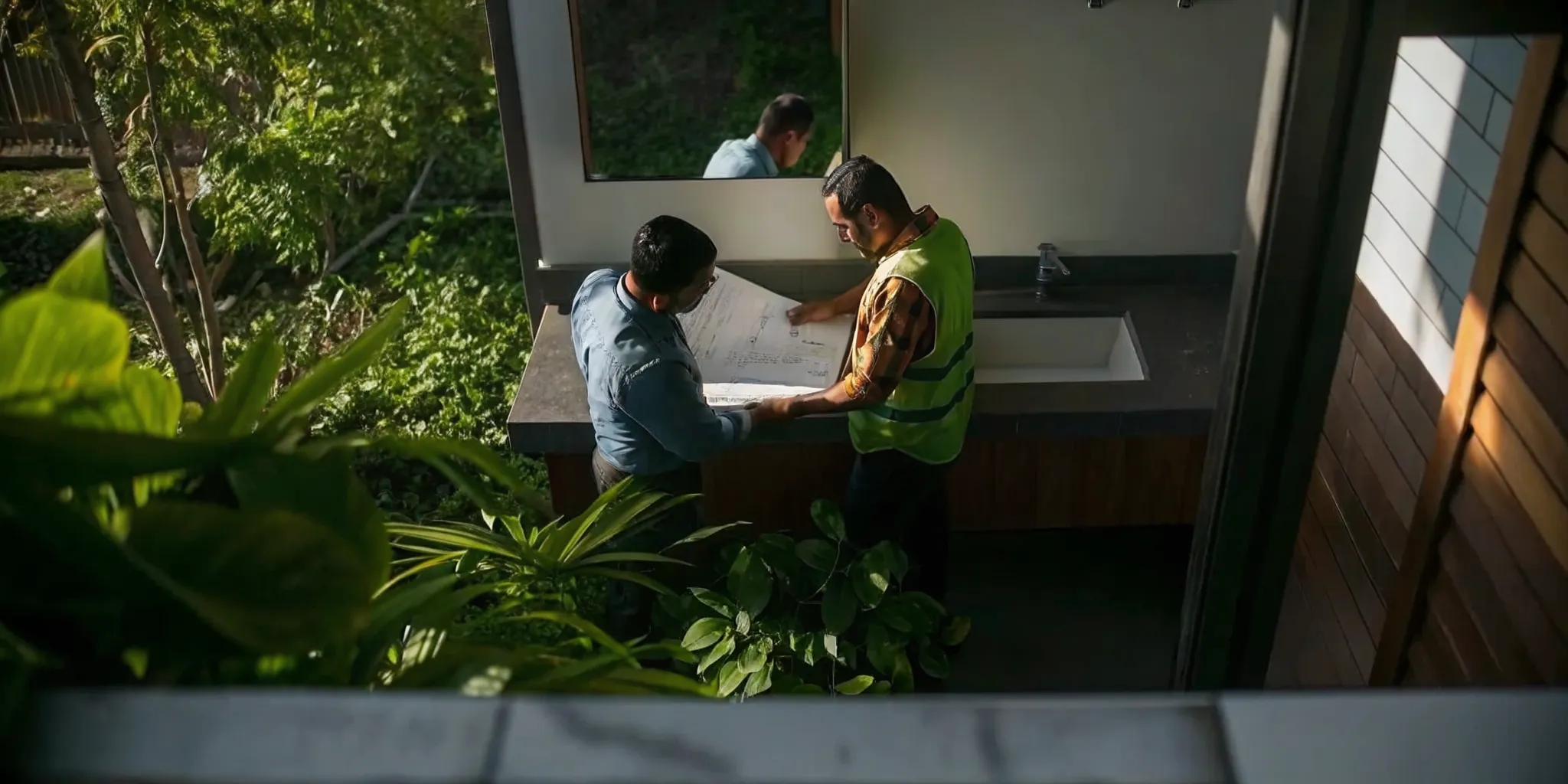
Your choice of build partner plays a major role in how well you control these surprise costs. When hiring a general contractor, you should ensure your contract is highly detailed and includes a clear process for change orders. Realm Living provides a 2-year warranty on projects. This coverage is twice the standard industry length and helps protect you from future issues.
How to Build a Realistic Renovation Budget
Planning a checklist for your whole-home remodel starts with knowing your total costs. This step is key because a whole house renovation cost depends on many choices. In fact, national data shows a wide range of costs for these projects. According to a 2024 Houzz study, the median spend for a home remodel was $20,000. To make sure you do not spend too much, you must plan each step before the work starts.
Steps to Build Your Budget
You can manage your funds and keep costs low by following these five key steps:
- Audit your finances: Look at your cash, savings, and loan choices first. You need to know how much cash you can spend without stress. Look for the best loan rates if you need to borrow money.
- Get multiple bids: Ask at least three contractors for quotes on your project. Do not just pick the lowest bid. Realm Living helps by looking at these bids for you. Our bid negotiation process helps homeowners save 10% to 25% on their total costs.
- Prioritize your projects: Group your remodel list into things you must have and things you want. Focus your funds on structural needs and safety issues first. You can add cosmetic changes later if you have leftover cash.
- Set a contingency fund: Old homes often hold surprises like bad wires or mold. Always set aside 15% to 20% of your total budget for these hidden costs. Having this cash ready stops your project from pausing when issues come up.
- Use a project management tool: Track your bills and dates with a mobile app. The Realm Living mobile app gives you real-time tracking for your project. This keeps you in control of your spend from start to finish.
Taking time for planning a remodeling project keeps you on track. It helps you work with your team, spot high costs early, and make smart trade-offs. With a clear budget and the right tools, you can complete your project without high financial stress.
Is a Whole House Renovation Worth the Cost?
Deciding on a cost of a home renovation often comes down to long-term value. Homeowners must weigh the upfront price against the financial return at resale and the daily benefit of a modern space. If you want to increase the worth of your property, certain strategic updates offer a very high return on investment.
Return on Investment for Common Upgrades
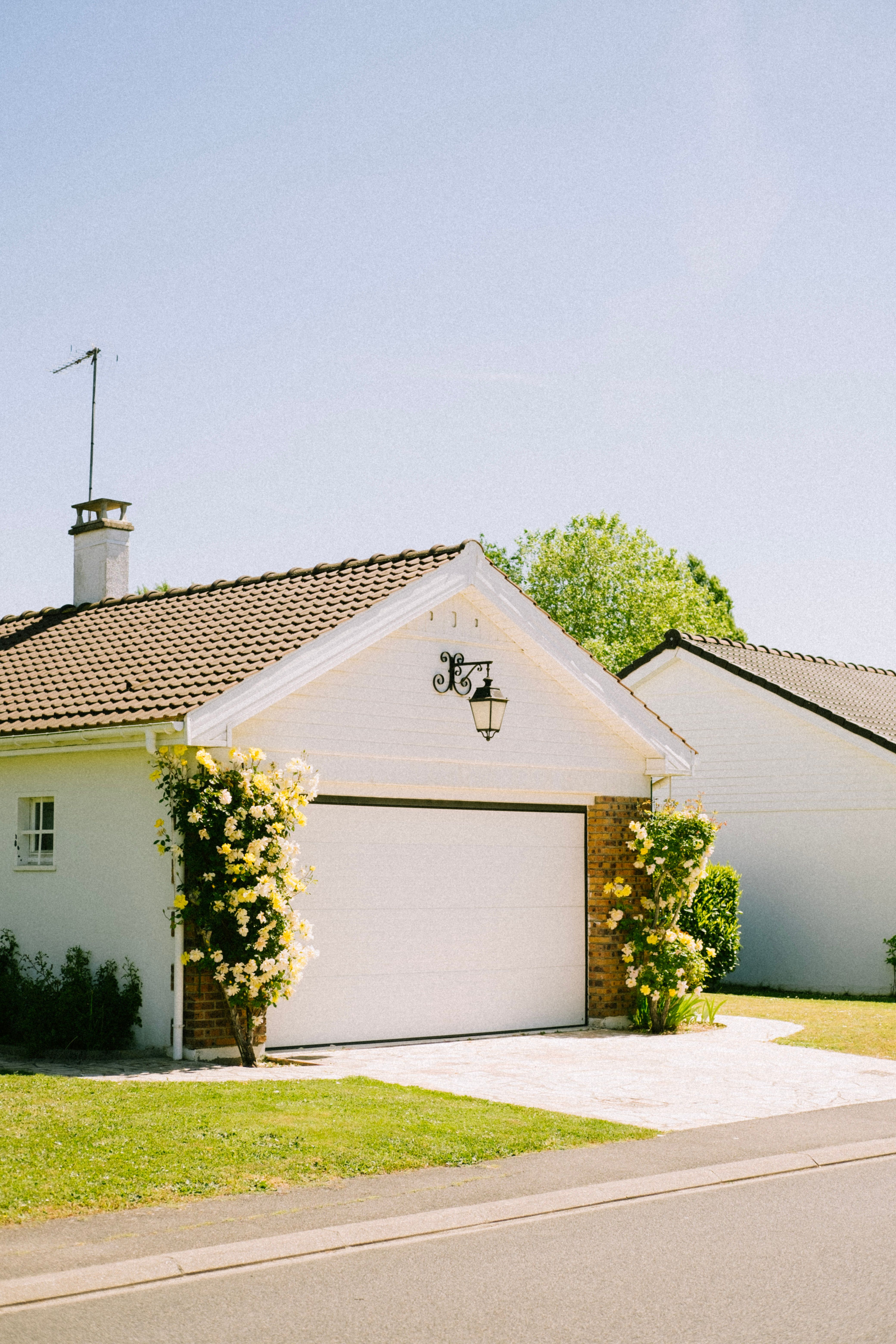
Data shows that major renovations can recoup a large portion of their costs. According to research published by NerdWallet, a garage door replacement averages a 268% return on investment. If you focus on the interior, a minor midrange kitchen remodel yields a 113% return on investment, while adding vinyl siding recovers about 97% of its cost.
How Location Drives Renovation Value
Your local real estate market plays a huge role in the final value of your project. Homeowners in California and Washington often see a much stronger return at resale due to high housing demand and premium prices. Upgrading a home in major metros like Los Angeles, San Diego. Or Seattle helps maintain a competitive edge, making a whole house renovation cost highly justifiable compared to moving.
The Real Costs of Moving vs. Remodeling
When you decide to sell your home and buy a new one, the moving process brings high transaction costs. Real estate agent fees, closing costs, and moving company bills can quickly eat up tens of thousands of dollars. Remodeling allows you to customize your current space to fit your lifestyle without losing money on fees or taking on a higher mortgage rate in a tough housing market.
How Realm Living Protects Your Investment
Working with a professional network helps keep your project budget safe and predictable. Homeowners who plan with Realm Living save between 10% and 25% on project costs through professional bid leveling and negotiation. Every project is backed by a 2-year warranty, which is twice the standard industry length, to ensure your remodel is built to last.
Frequently Asked Questions
How much does a whole house renovation cost?
A full home remodel usually costs between $100,000 and $200,000 for a 2,000-square-foot house. Your final price depends on the age of your home, local labor rates, and the quality of your finishes. Structural changes and moving plumbing lines will also raise your overall price.
What is the average cost per square foot for a total home remodel?
Most whole-house projects cost between $15 and $150 per square foot. A basic cosmetic remodel costs on the lower end of this scale. A full gut renovation that strips the home down to the wall studs will cost much more, often ranging from $60 to $150 per square foot.
What can increase the cost of a full house renovation?
Your total price can go over $250,000 if you add new square footage or change your home layout. Upgrading old electrical, heating, or plumbing systems also adds significant expense. Selecting high-end custom cabinets, luxury stone counters, or premium hardwood floors will drive costs up quickly.
Is a whole house renovation worth the cost?
A full remodel increases your living comfort and boosts your home equity. High-value projects like kitchen updates or exterior siding replacements offer the best financial returns. According to academic research published by the National Institutes of Health, updating old structures is also a highly cost-effective way to lower your energy bills.
How does Realm Living help reduce whole house renovation costs?
We match you with top local contractors and compare bids to find the best value. Homeowners save about 10% to 25% on their projects through our professional bid comparison process. We also provide a two-year warranty on all work, which is twice the standard length offered by most builders.
Ready to Start Your Whole House Renovation?
Delaying a major home remodel often leads to rising material costs and worsening structural issues. Every month you wait can add to your stress and delay the comfort and equity you want to build in your home. Starting your project now helps you secure top-tier local contractors and lock in current pricing before rates go up.
Ready to start your renovation journey? Schedule a free consultation with a Realm Living renovation advisor to plan your project with confidence.