The True Cost to Renovate vs Buy a Bigger House
Get a clear look at the cost to renovate vs buy bigger house, including hidden expenses, budgeting tips, and how to choose the best option for your needs.
|
June 18, 2026

In this article:
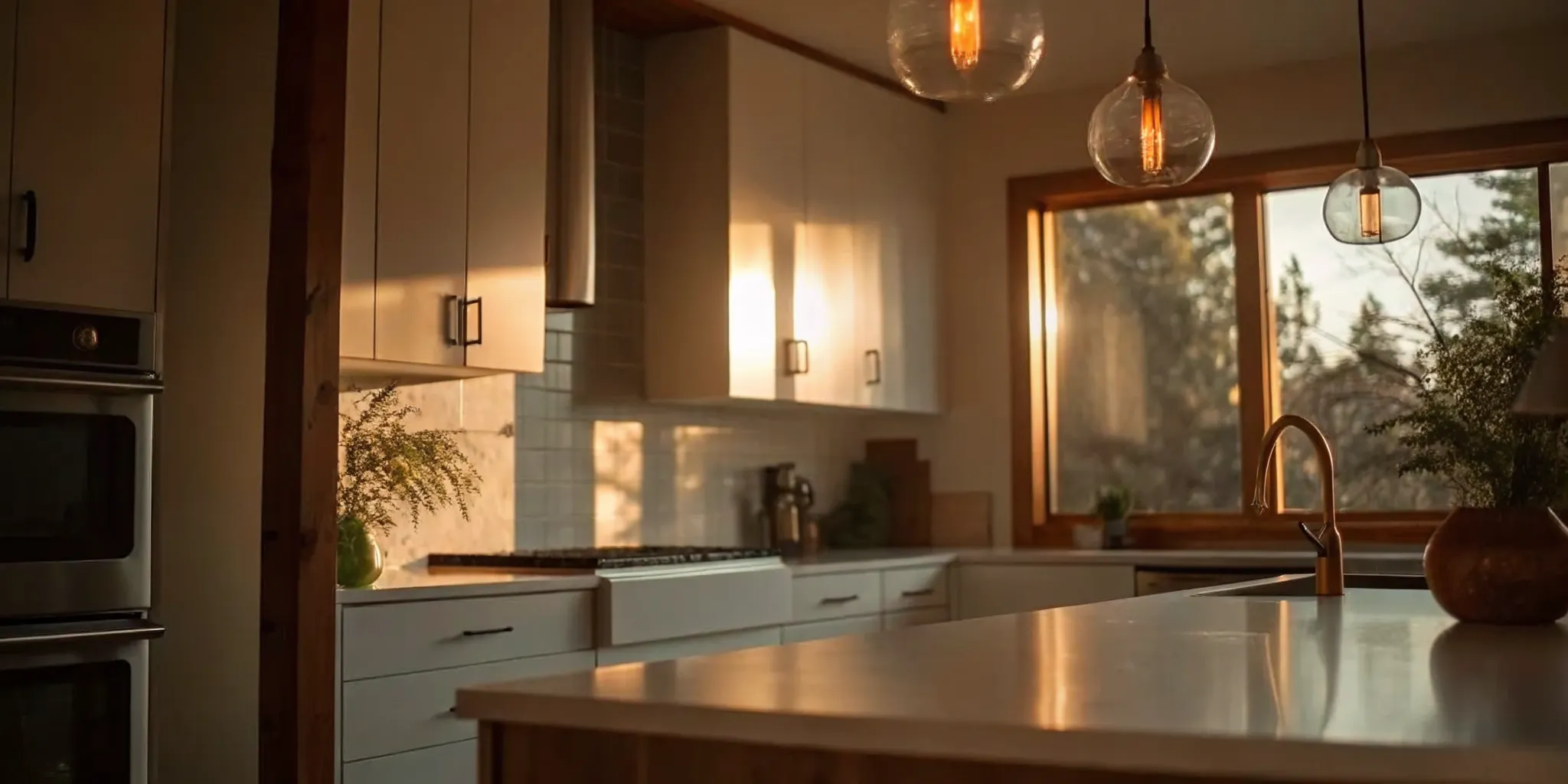
You love your neighborhood, your commute is perfect, and your kids have friends on the block. But your kitchen is straight out of another decade, and you’re desperate for a functional home office. This is the classic homeowner’s dilemma. Your heart is tied to your community, but your head knows you need a change. This decision isn’t just about money; it’s about balancing the life you’ve built with the space you need. Weighing the emotional pull of your current home against the practical benefits of a new one is tough. By breaking down the real cost to renovate vs buy bigger house, you can see how your finances align with your lifestyle goals, making this deeply personal choice feel much clearer.
Key Takeaways
- Look beyond the initial price tag: The true cost of your decision is more than the first number you see. For a move, remember to include closing costs and potentially higher interest rates. For a renovation, plan to set aside a 15 to 20 percent contingency fund for any surprises.
- Recognize the value of staying put: Your current home likely has major financial advantages, especially if you have a low-interest mortgage. Giving that up for a new loan at a higher rate can significantly reduce your purchasing power and increase your monthly payment.
- Prioritize your long-term lifestyle goals: The best choice depends on how you want to live for the next five to ten years. Get clear on what your family truly needs, whether it's a dedicated home office, more room for kids, or simply staying in a neighborhood you love.
What's the Real Cost of Renovating Your Home?
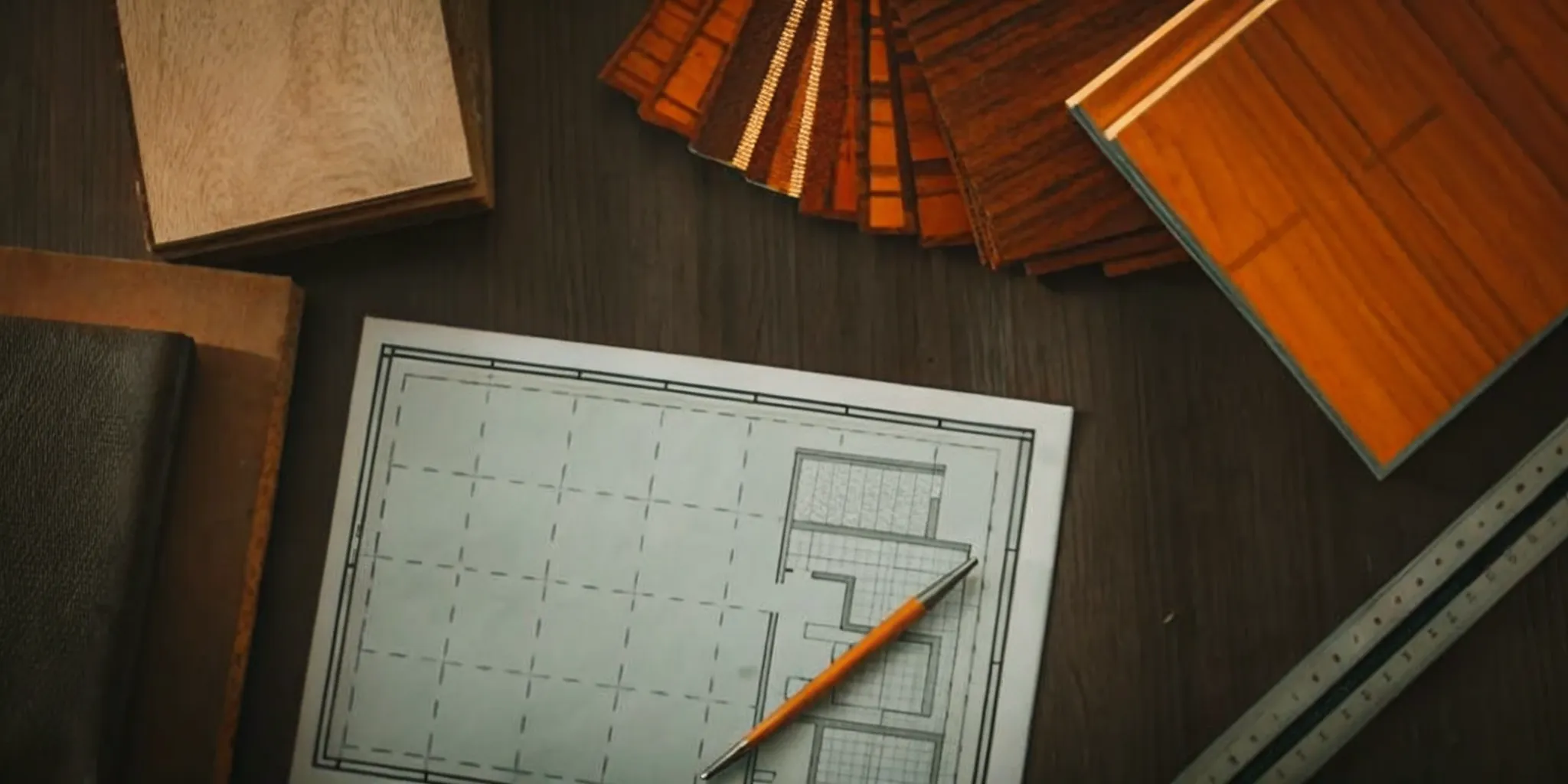
Figuring out the true cost of a renovation is often the biggest hurdle when deciding whether to update your current home or move. It’s more than just the initial quote from a contractor; the final number depends on the project's scale, the materials you choose, and the surprises that can pop up along the way. Getting a clear picture of these expenses is the first step toward making a confident choice. A renovation budget isn’t just a single number, but a range that reflects your priorities and the realities of your home.
The good news is you don’t have to figure this out alone. Having a detailed, data-backed plan can help you see all the potential costs upfront, so you can compare your options accurately. Understanding how it works to get a customized project plan can bring much-needed clarity. From there, you can start to dig into the specifics of your project and see how the numbers stack up against the price of a new home in your area.
Price Ranges for Popular Home Projects
Let's be direct: major renovations are a significant investment. Depending on the scope, some homeowners spend between $250,000 and $500,000 to add on to and renovate their homes. Of course, not every project will reach that level. A cosmetic bathroom refresh will have a very different price tag than a full kitchen gut or a second-story addition. The cost is tied directly to the complexity and scale of your vision. Your location also plays a huge role, as labor and material costs in places like the San Francisco Bay Area or Los Angeles are higher than in other parts of the country. For more specific insights, you can explore a library of resources to see data on projects similar to yours.
Uncovering the Hidden Costs of Renovating
One of the most common renovation pitfalls is the discovery of unexpected issues after the work has started. When you open up walls, you might find problems like old water damage, outdated electrical wiring, or even asbestos. These hidden problems can add thousands to your budget if you aren't prepared. This is why a contingency fund is essential. Plan on setting aside an extra 15% to 20% of your total project cost for these surprises. It might feel like you're over-budgeting, but having that cushion prevents a stressful scramble for funds mid-project. This is a key reason why Realm pairs homeowners with an advisor, who can help anticipate these issues based on your home's age and location.
How Scope, Materials, and Labor Impact Your Budget
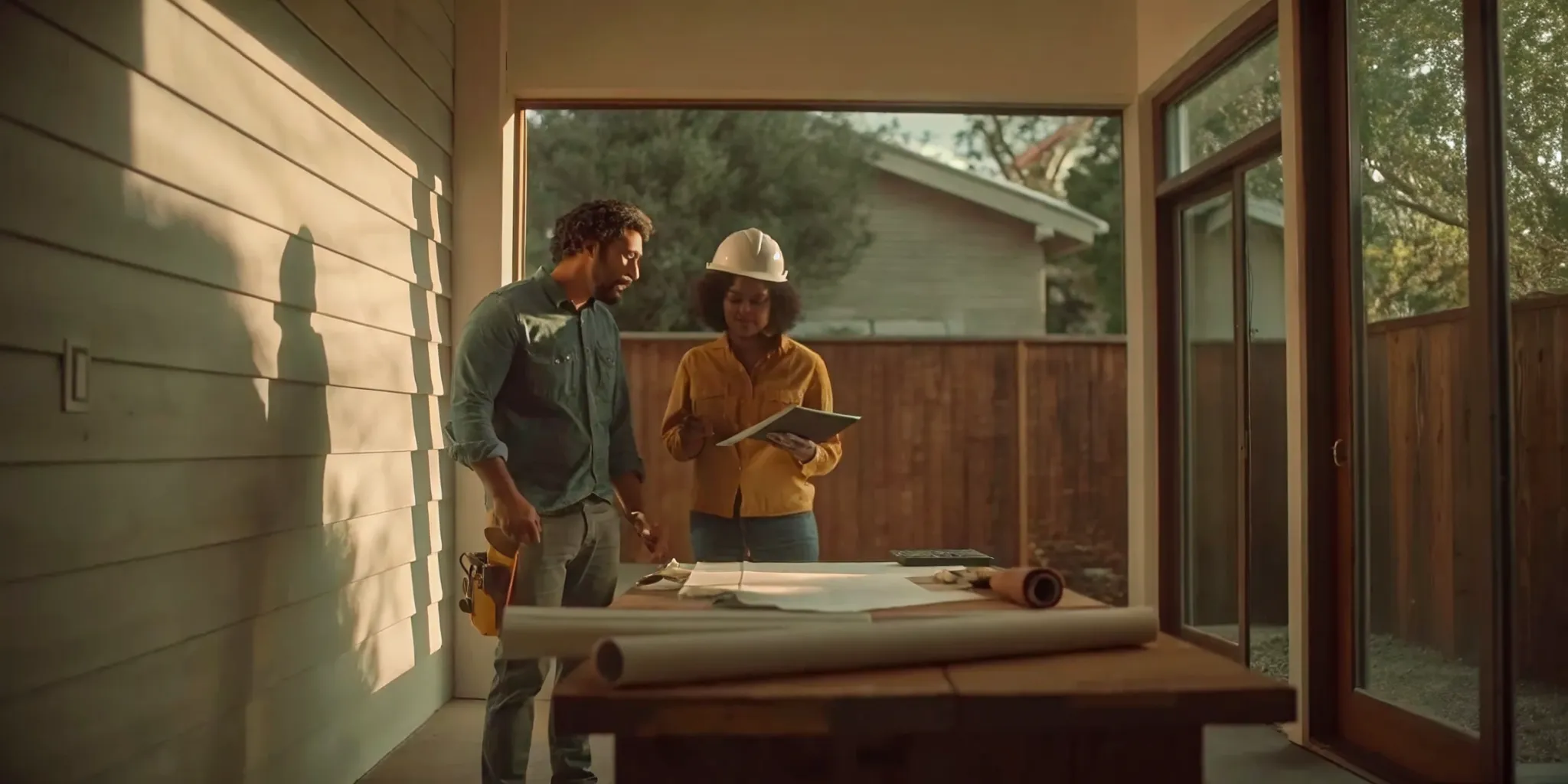
Your budget is shaped by three key factors: the project's scope, your material selections, and labor costs. The scope is simply the size and complexity of the work. A larger project naturally costs more, and any changes or additions you make after work begins (known as scope creep) will inflate your budget. Your choice of materials, from flooring to fixtures, also has a massive impact. High-end, custom finishes will cost significantly more than standard, off-the-shelf options. Finally, there's labor. While doing some of the work yourself can save money, it requires time, skill, and the right tools. For most homeowners, hiring professionals from a vetted vendor network is the best way to ensure the job is done correctly and efficiently.
What's the Real Cost of Buying a Bigger Home?
It’s easy to get swept up in the dream of a bigger house. You picture extra bedrooms, a spacious kitchen, and a backyard perfect for summer barbecues. But the sticker price on that new home is only the opening chapter of its financial story. Before you start browsing listings, it’s important to get a clear-eyed view of all the expenses involved. Unlike a renovation, where you can create a detailed budget for a specific scope of work, the costs of moving can be less predictable and add up quickly.
When you buy a new property, you’re not just paying for more square footage; you’re also buying into a new set of recurring expenses and one-time fees that can take a serious bite out of your budget. From the mountain of paperwork at closing to the first utility bill, these costs are just as real as the down payment. Thinking through these expenses ahead of time helps you make a decision based on the complete financial picture, not just the allure of a fresh start. With a clear understanding of both options, you can confidently decide whether to improve your current space or pack your bags for a new one.
Beyond the Sticker Price: Closing Costs and Moving Expenses
The initial cash you’ll need for a new home goes far beyond the down payment. Closing costs are a major expense that many buyers underestimate. These fees, which typically range from 2% to 5% of the home's purchase price, cover everything from loan origination and appraisal fees to title insurance and attorney charges. On a $900,000 home, that could mean shelling out an extra $18,000 to $45,000 on closing day.
And that’s before you even think about the move itself. Professional movers, packing supplies, and potential storage fees all add to the bill. If there’s a gap between selling your old home and moving into the new one, you might also need to budget for temporary housing. These aren't small details; they are significant costs that can drain your savings if you haven't planned for them.
Factoring in the Ongoing Costs of a New Home
Once you’re settled in, the expenses don’t stop. A larger home naturally comes with higher utility bills for heating, cooling, and electricity. Your property taxes will also increase, as they are based on the higher assessed value of your new home. But one of the biggest financial shifts for many homeowners is the mortgage itself. If you bought your current home when interest rates were at historic lows, moving could mean trading a comfortable 3% rate for a 7% rate or higher.
This jump in your interest rate can dramatically reduce your purchasing power and lead to a much higher monthly payment, even for a similarly priced home. It’s a crucial calculation to make. Before you fall in love with a new house, use a mortgage calculator to see how today’s rates would impact your monthly budget. This new financial reality will be with you for the long haul, shaping your lifestyle for years to come.
Renovate or Move: Which Is More Affordable?
Deciding whether to renovate your current home or move to a new one often comes down to a single, crucial question: which path is easier on your wallet? While it seems like a straightforward math problem, the answer is layered with personal, local, and financial details. To find the right answer for you, you need to look beyond the price tag of a new house or the initial quote for a remodel. Let's break down the key financial factors that will shape your decision, from your local market's behavior to the long-term value of your investment.
How Your Local Market Changes the Equation
Your home's location is one of the biggest factors in this decision. If you love your neighborhood, schools, and commute, renovating is often the clear winner. Why? Because moving, even just across town, means giving up a location you already know works for you. Plus, in competitive markets like Los Angeles or the Bay Area, home prices have likely climbed since you bought. This means any new home you consider might come with the same outdated kitchen or cramped bathroom you're trying to escape, but with a much higher price tag. Staying put allows you to invest your money directly into the features you want, right where you want to be. A dedicated Realm advisor can help you understand your home's potential value in your specific neighborhood.
What High Home Prices Mean for Your Decision
When you start running the numbers, renovating often comes out ahead. For many homeowners, creating their dream space through a remodel can cost 30% to 50% less than buying a new home that checks all the boxes. Think about it: the price of a new house is just the start. You also have closing costs, moving expenses, and potential new property taxes. Renovating allows you to focus your budget on exactly what needs to change. Instead of paying a premium for a whole new property, you're investing in targeted improvements that directly address your needs. Understanding how it works to budget for a project is the first step to seeing these savings.
The Impact of Interest Rates on Your Choice
If you bought or refinanced your home before 2022, you're likely sitting on a mortgage with a very low interest rate. This is a huge financial advantage that's easy to overlook. Moving would mean giving up that low rate for a new mortgage at a much higher one, which could drastically shrink your purchasing power. For example, jumping from a 3% to a 7% interest rate can add hundreds, or even thousands, of dollars to your monthly payment. This financial reality makes staying put and using other financing options, like a home equity loan or line of credit, an attractive way to fund your renovation without sacrificing your great mortgage rate.
Calculating the ROI on Your Renovation
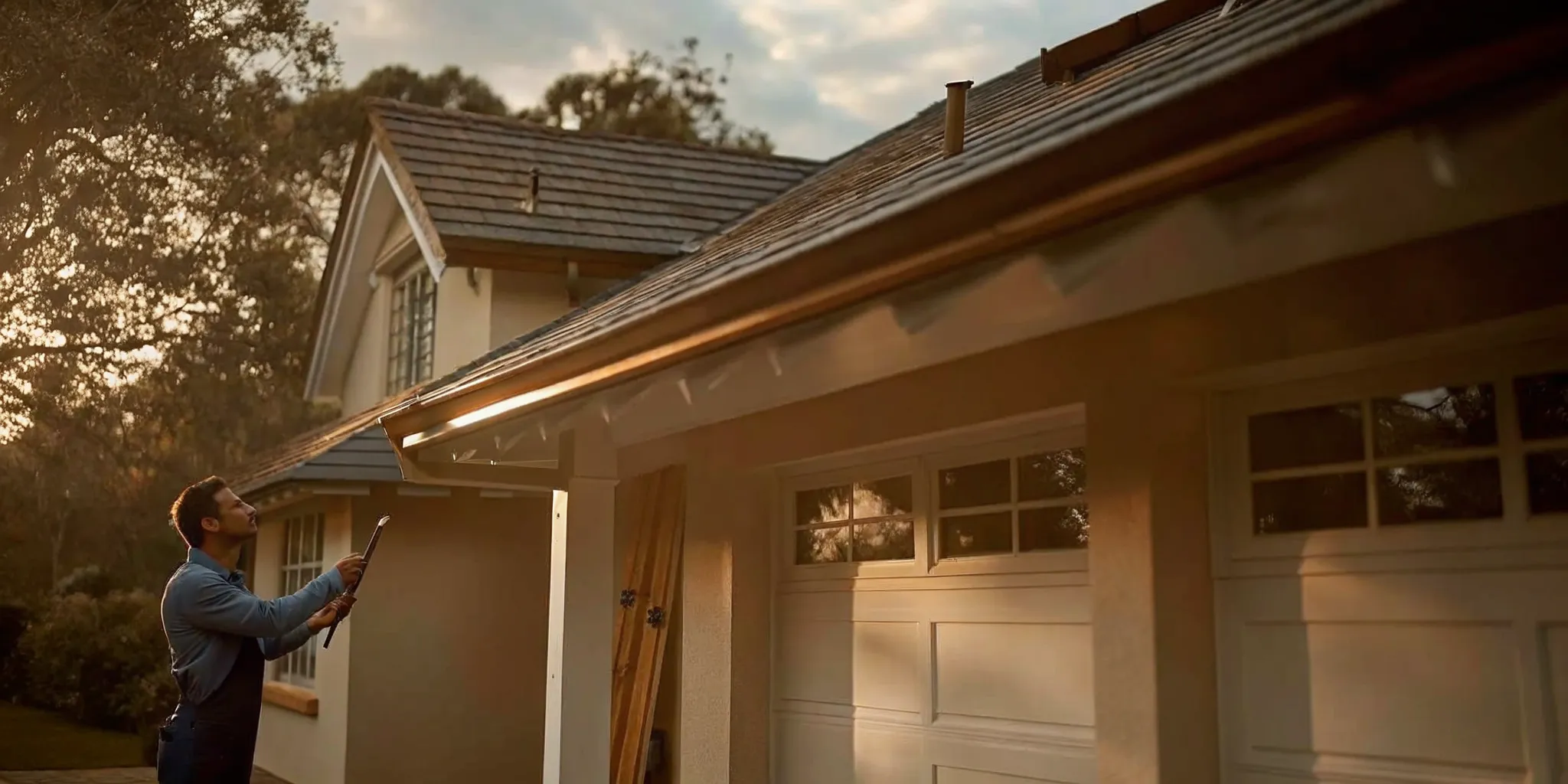
Not all renovations are created equal when it comes to your home's value. The smartest projects are those that increase your home’s resale value, and the good news is that you don't have to spend a fortune to see a solid return. In fact, midrange remodels often provide the best return on investment because they appeal to a wide range of future buyers without over-improving for the neighborhood. Focusing on the best ROI home improvements like kitchen and bathroom updates, new siding, or a garage door replacement can make your home more enjoyable now and a better investment for the future.
The Case for Renovating Your Current Home
If you love your neighborhood, your commute, and the memories you’ve made in your house, the thought of moving can be a tough pill to swallow. Renovating offers a path to get the home you need without giving up the home you love. It puts you in the driver’s seat, allowing you to tailor every detail to your family’s lifestyle. But just like any major decision, it comes with its own set of benefits and potential hurdles.
The key is understanding both sides of the coin. While renovating can be a financially savvy way to create your dream space, it’s also a process that requires careful planning to avoid common pitfalls. Let’s break down what you can expect, so you can weigh the pros and cons for yourself.
Why Staying Put and Renovating Makes Sense
Often, the most compelling reason to renovate is financial. Getting what you want by updating your current home can cost significantly less than buying a new, larger one, especially when you factor in closing costs, moving expenses, and a potentially higher mortgage. If your home already has "good bones" and a layout you generally like, renovating allows you to invest that money directly into features you’ll enjoy for years to come. You get to create a space that’s perfectly suited to your needs with customized plans for everything from a new kitchen to a full-scale addition, all without leaving the community you’re already a part of.
The Challenges of Renovating Your Home
Of course, renovations aren't without their challenges. The biggest fear for many homeowners is the unknown. Projects can sometimes become "money pits" when one small fix reveals a much larger, hidden issue like old wiring or water damage. These surprises can quickly inflate your budget and extend your timeline. It’s also important to consider your long-term plans. If you think you might move in the next few years, a major renovation may not provide a full return on your investment when you sell. Having expert guidance can help you anticipate these issues and create a realistic project plan from the start.
The Case for Buying a Bigger House
Sometimes, the best renovation is a new address. While we love helping homeowners transform their current spaces, we also know that moving is sometimes the right path. If your home's "good bones" are no longer good enough, or your neighborhood just doesn't fit your life anymore, buying a bigger house can feel like a breath of fresh air. It offers a clean slate and a chance to get what you want without living through construction. But this path has its own set of challenges and costs to consider before you start packing boxes.
Why Moving to a New Home Is Appealing
The biggest draw of moving is often its simplicity. Instead of juggling contractors and material choices, buying a new home can feel more straightforward. You might pick from a few pre-set options for finishes and then simply wait for moving day, especially if you're looking at new construction. A move also gives you the chance to completely change your surroundings. If you're not in love with your current location, schools, or commute, exploring new neighborhoods makes perfect sense. It’s an opportunity for a true fresh start, not just a bigger floor plan.
The Hurdles of Buying a Bigger Place
While the sticker price of a new house is the main number you focus on, the true cost of moving is much higher. The expenses of buying a home go far beyond the purchase price, including closing costs, agent commissions, inspection fees, and the actual cost of moving your belongings. Newly built homes also tend to cost more than older ones because of modern materials and labor expenses. In a competitive market, you might also find yourself in a bidding war, pushing the price even higher. It’s a path that requires a significant financial cushion and a tolerance for the unpredictable nature of the real estate market.
How Will Your Lifestyle Shape Your Decision?
Beyond the spreadsheets and financial forecasts, the choice to renovate or move is deeply personal. It’s about how you live your life and what you need from your home to feel comfortable, supported, and happy. This decision isn't just about altering your space or changing your address; it's about assessing your lifestyle needs and long-term goals. Before you get lost in floor plans or real estate listings, take a moment to think about what truly matters to your daily life.
Are you making room for new family members, or are you becoming empty nesters? Do you need a dedicated space to work from home, or is your commute the real problem? How much do you love your neighbors, your local park, and your short walk to the best coffee in town? Answering these questions will help you understand whether your current house, with a few thoughtful changes, can become your forever home, or if a new house in a new location is the right next chapter. With a clear vision, you can create a customized plan that aligns with your finances and your life.
Making Room for a Growing Family
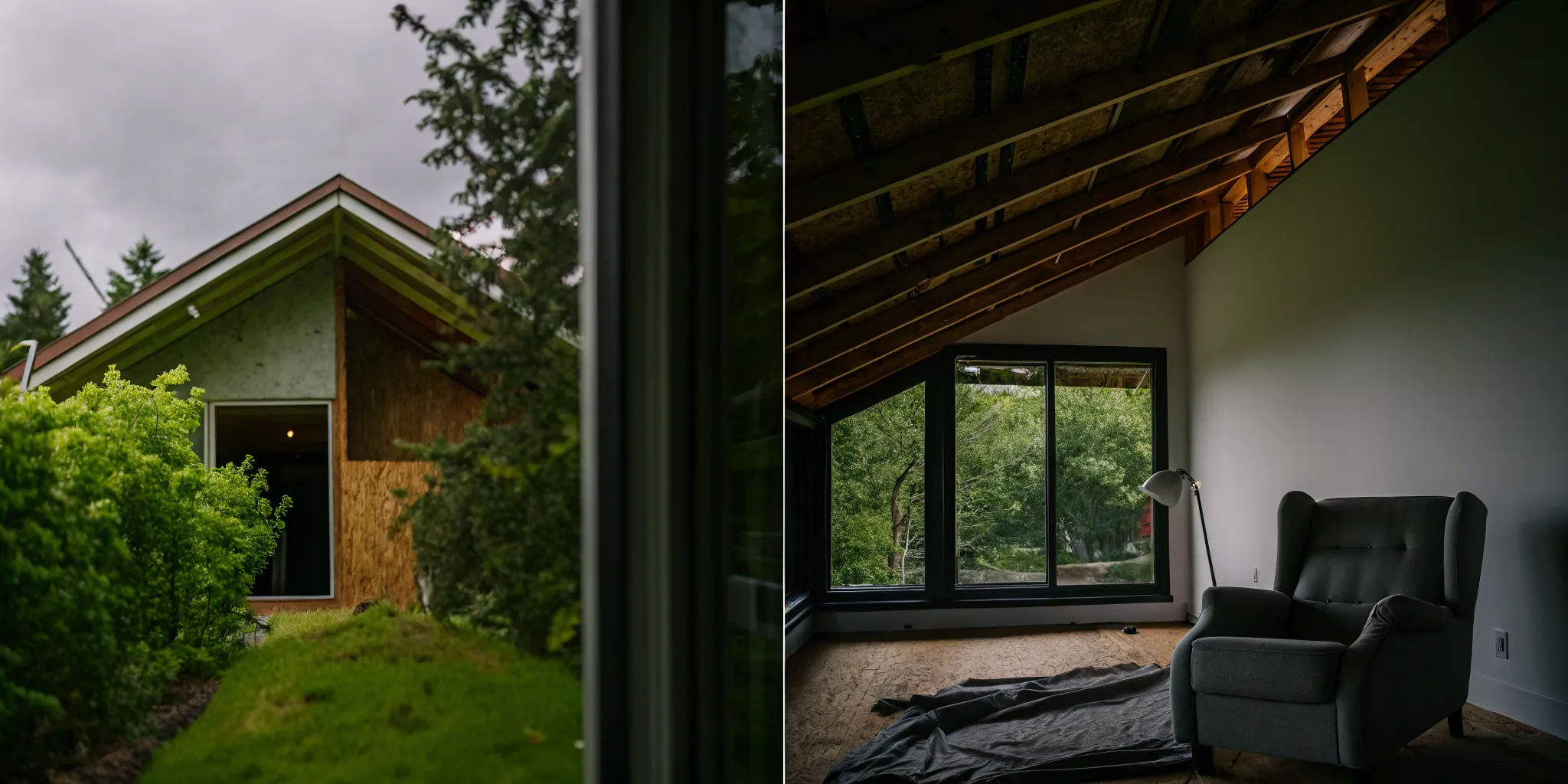
If your family is expanding, the need for more space can feel urgent. An addition or renovation allows you to design rooms specifically for your family’s needs without leaving a neighborhood you love. You can add a nursery, create a dedicated playroom, or build a new primary suite for a much-needed parent retreat. However, it's wise to consider your timeline. If you think you might move within the next five years, a major renovation may not give you a full return on your investment when you sell. A new, larger home offers immediate space, but it often means uprooting your family from familiar schools and friendships, which is a significant emotional consideration.
Creating Your Ideal Work-from-Home Space
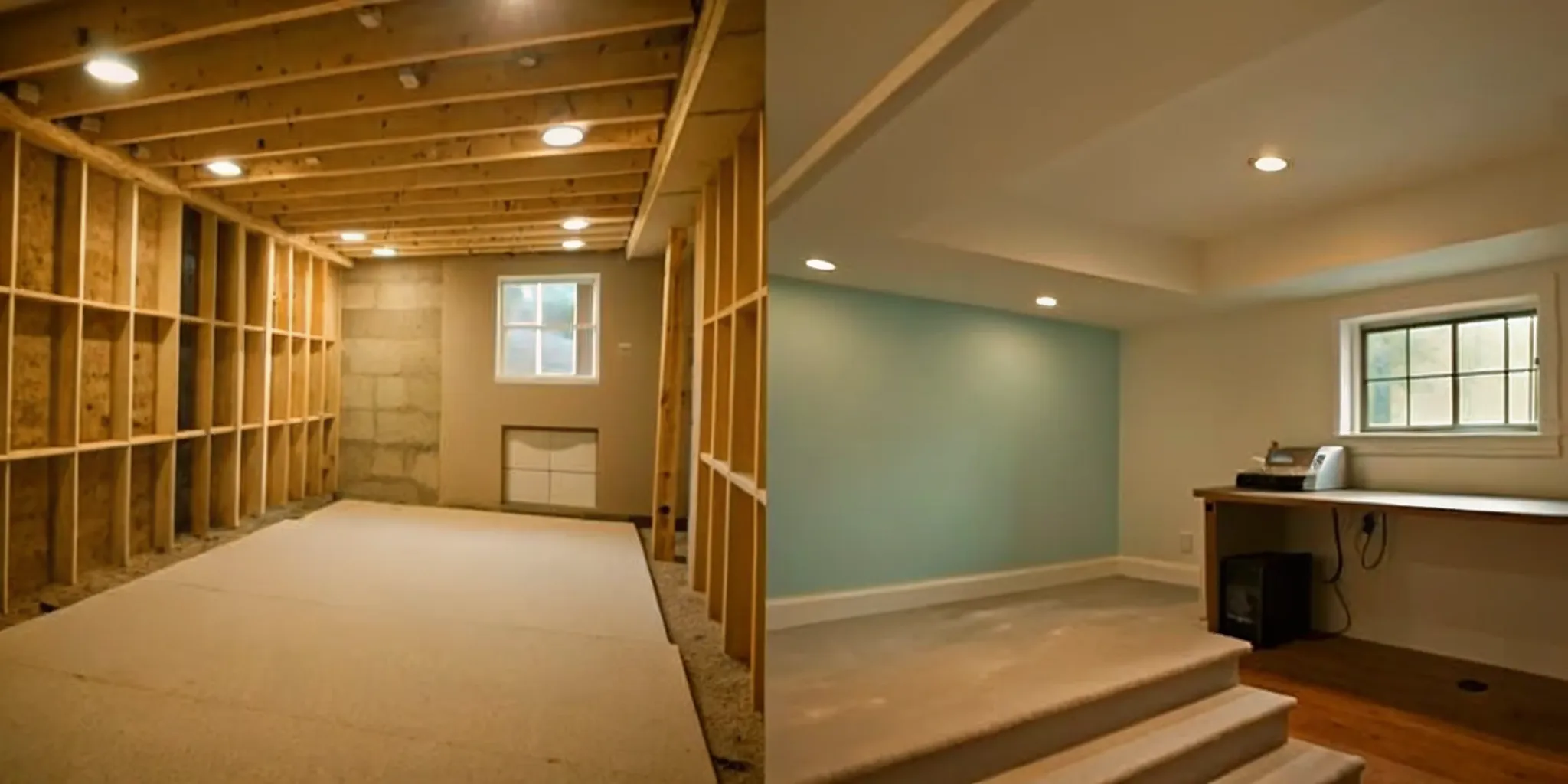
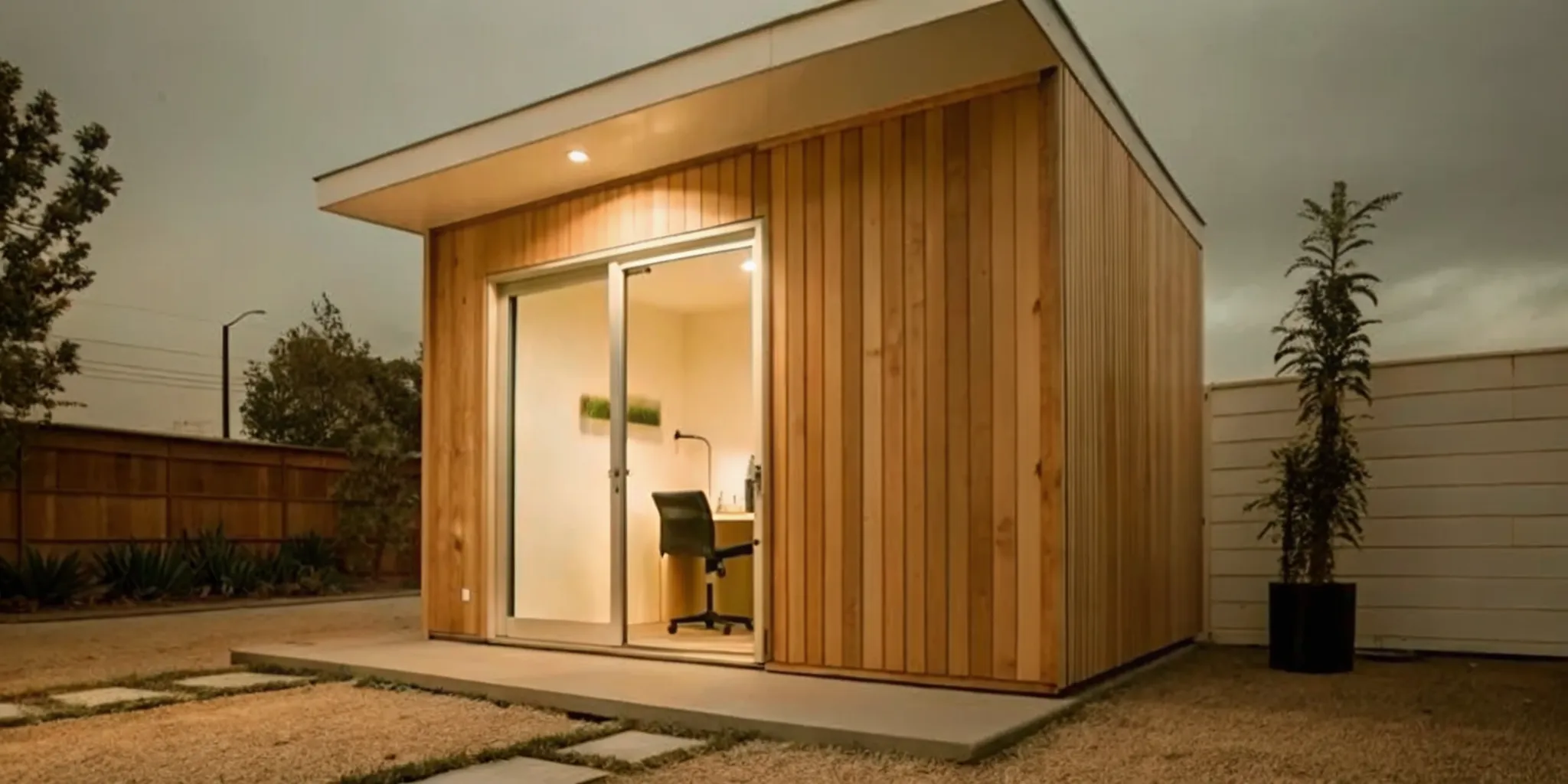
The shift to remote work has changed what we need from our homes. If your "office" is currently a corner of the kitchen table, you know how challenging that can be. Renovating gives you the power to create a truly functional workspace. You can convert a spare bedroom, finish a basement, or even build a detached office in your backyard. This allows you to design a space with proper lighting, soundproofing, and storage tailored to your professional needs. While you might find a new home with an existing office, it’s unlikely to be the perfect setup you could build for yourself. Weigh what you truly need against what you want in a new space before making a move.
The Pull of Your Neighborhood and Community
Sometimes, the heart wants what it wants, and for many of us, that’s a deep connection to our neighborhood. If you have wonderful neighbors, close friends and family nearby, and a school district you love, the thought of leaving can be heartbreaking. As some experts note, if you're fond of your neighborhood, it might be wise to stay put and remodel your home to fit your needs. You can change your house, but you can't pack up your community and take it with you. If you don’t feel that connection, or if a different neighborhood offers a better commute or lifestyle, then exploring new homes makes perfect sense.
Aligning Your Home with Your Long-Term Goals
Think about where you see yourself in the next five, ten, or even twenty years. This long-term vision is a critical piece of the puzzle. Are you approaching an empty nest phase where a large house might feel like too much to manage? A renovation could help you downsize in place, creating a more functional, smaller living area within your current home. Or perhaps you’re planning to age in place, in which case a remodel could incorporate universal design features for future accessibility. Getting expert guidance can help you clarify these goals and ensure your home continues to support your life for years to come, whether you stay or go.
Common Myths About Renovating vs. Moving
When you’re facing a big decision like renovating your home or moving, everyone seems to have an opinion. Friends, family, and even internet forums are full of well-meaning advice. The problem is, a lot of that common wisdom is based on myths that can steer you in the wrong direction. It’s easy to get caught up in black-and-white thinking, but the truth is usually somewhere in the middle.
Making the right choice for your family and your finances starts with separating fact from fiction. Let’s clear up a few of the most persistent myths about renovating versus moving. Understanding these will give you a much clearer picture of what each path truly entails, helping you move forward with confidence instead of uncertainty. We'll look at the real story behind renovation value, the hidden costs of moving, and why a bigger house isn't always the better option.
Myth: Renovations Always Add Value
It’s a popular belief that any money you put into your home is a direct investment that you’ll get back, and then some, when you sell. While it’s true that smart renovations can increase your home’s value, it’s not a guarantee. Some projects become “money pits,” where fixing one problem uncovers three more, quickly inflating your budget. Even a beautifully executed project might not offer a great return on investment if it over-improves your home for the neighborhood. The key is to renovate with a clear plan that balances your personal needs with market realities, ensuring your project adds value to your life and your finances.
Myth: The Purchase Price Is Your Only Major Cost
When you’re dreaming of a new home, it’s easy to focus only on the sticker price. But the cost of moving goes far beyond what you pay for the house itself. You also have to account for closing costs, which can be thousands of dollars, plus moving expenses, potential repairs on the new property, and higher property taxes or insurance. Suddenly, that "more affordable" new house might not be. When you compare the all-in cost of moving to the cost of a renovation, staying put and improving your current space can often be the more financially sound decision, especially when you already love your neighborhood.
Myth: A Bigger Home Is Always a Better Investment
In our culture, bigger is often seen as better, but this isn't always true in real estate. If your renovation or addition makes your home the largest and most luxurious on the block, you may not get the value back when it’s time to sell. Home values are often pulled toward the neighborhood average. Buyers looking for a "McMansion" are probably searching in a neighborhood full of them, not on a street of modest bungalows. A thoughtful renovation that modernizes your space and improves its function can be a much smarter investment than simply adding square footage for the sake of it.
Myth: You Can Predict Every Renovation Cost
Even with the most detailed plan, renovations can hold surprises. When you open up walls, you might discover unexpected issues like old wiring, hidden water damage, or even asbestos. These discoveries can add time and money to your project. While you can’t predict every single thing that might come up, you can prepare for the possibility. This is why working with an experienced team is so important. A good renovation plan always includes a contingency fund, typically 10% to 20% of the total budget, to cover these unforeseen challenges without derailing your entire project.
What It's Really Like to Live Through a Renovation
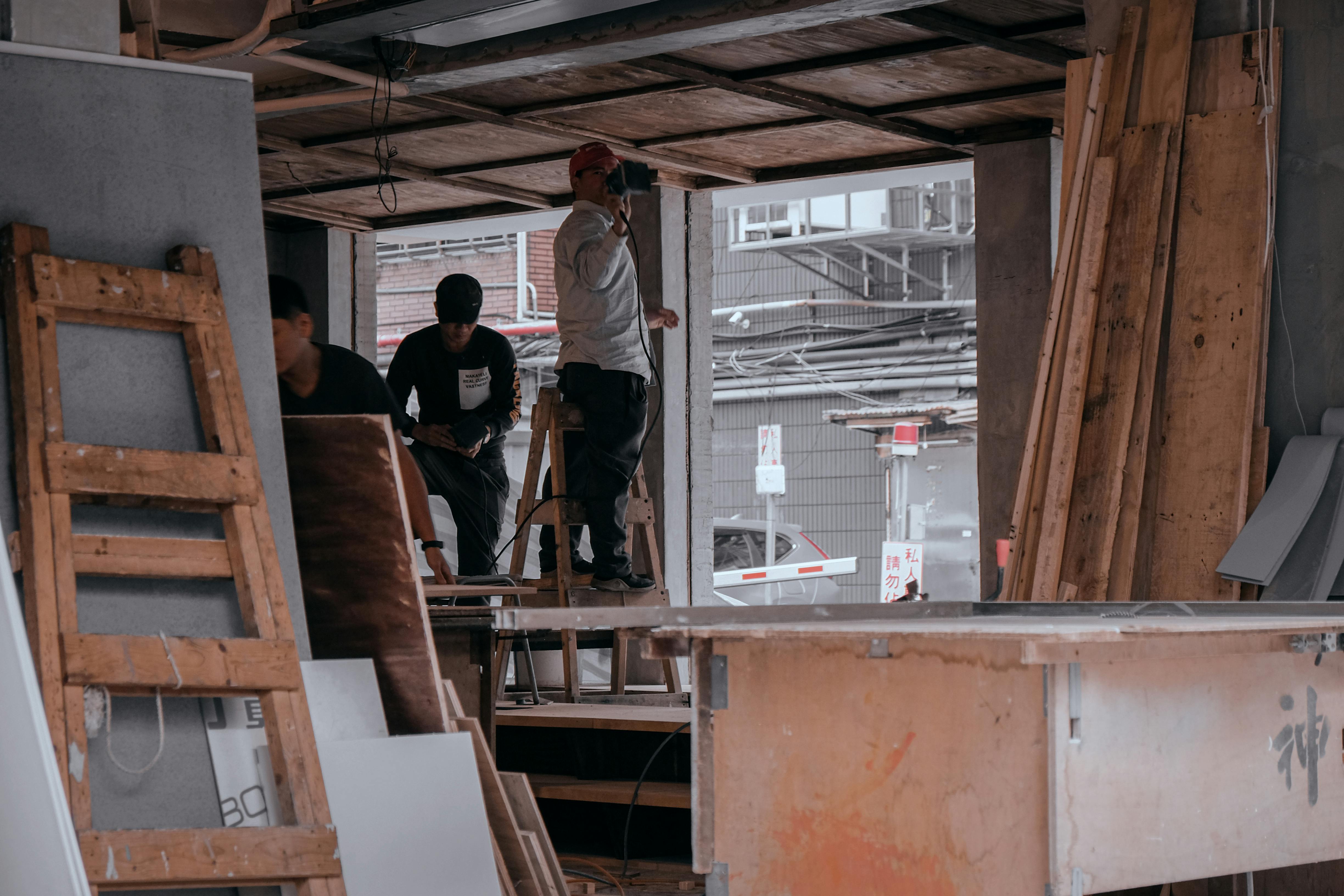
Let’s be honest: watching a home transform on TV in under an hour is one thing, but living through it is another experience entirely. The reality of a renovation is often messy, noisy, and can feel a bit chaotic. One designer aptly described it as being like "a long surgery" for your home, which perfectly captures the emotional and physical disruption it can cause. You’ll have new people in your space, your daily routines will be upended, and there will be a layer of dust on just about everything, no matter how careful your crew is. It’s a process that tests your patience and flexibility.
Knowing this isn't meant to scare you off. Instead, it's about preparing yourself for the journey ahead. When you go in with clear eyes, you can create a plan to manage the temporary upheaval. Think of it as a short-term trade-off for the long-term joy of a home that truly fits your life. Having a solid support system, from your family to your project team, makes all the difference. A dedicated advisor can help you anticipate these challenges and keep your project on track, turning a potentially stressful process into a manageable and even exciting one.
How to Handle the Dust and Disruption
If you’re living at home during the work, you’ll need a strategy for the daily realities of construction. You will deal with dust, noise, and parts of your home being completely unusable, like your kitchen or primary bathroom. To keep your sanity, seal off the renovation zone from the rest of your house using plastic sheeting and painter's tape. Cover furniture and close air vents in adjoining rooms to minimize the spread of dust.
Set up a temporary "life zone" elsewhere in your home. This might mean a mini-kitchen in your dining room with a microwave, coffee maker, and mini-fridge. For the noise, invest in good headphones or plan to be out of the house during the loudest parts of the day. Clear communication with your contractor about their daily schedule will also help you plan your own.
Setting Realistic Timelines and Expectations
Patience is a renovator’s best friend. While everyone wants their project done yesterday, renovations can take a long time, especially for major additions or projects involving foundation or plumbing work. It’s not uncommon for a large-scale renovation to take a year or more from planning to completion. Delays can happen for many reasons, from waiting on permits to discovering unexpected issues behind a wall.
It’s also wise to think about your long-term plans. If you think you might move in the next five years, a massive renovation might not give you the return you hope for when you sell. Before you commit, it’s important to understand the process and build a realistic timeline with your team, including a buffer for those just-in-case moments. This ensures your expectations are aligned with the reality of the work ahead.
How to Make the Right Choice for Your Family and Finances
Deciding between renovating and moving is a huge financial and personal choice. It’s not just about comparing the price of a new house to a renovation quote. It’s about what makes the most sense for your life right now and in the future. Getting clear on your priorities is the first step. This decision shapes your daily life, your finances, and your family’s future, so it’s worth taking the time to think through every angle before you commit to a path.
Answering a few honest questions can help you see the right choice more clearly. It’s about looking past the beautiful photos on real estate sites and the glossy design magazines to figure out what truly fits your needs. Maybe you love your street but can’t stand your kitchen, or maybe you’re dreaming of a bigger yard that your current lot just can’t offer. Every family’s situation is unique, and there’s no single right answer. By weighing these factors, you can move forward with a plan that feels right for you, your family, and your bank account.
Key Questions to Ask Yourself Before You Decide
Before you get too far down either path, take a moment to reflect on what really matters. Do you love your neighborhood, the local schools, and your short commute? If your location is a huge part of your happiness, renovating might be the better option. Think about your finances, too. If you have a low interest rate on your current mortgage, moving could mean a much higher monthly payment for a new home. For many homeowners, a renovation can deliver what they want for 30% to 50% less than buying new. Also, consider the quality of your current home. If it has "good bones" and a solid structure, investing in it makes sense. Finally, be honest about the hassle factor. Both renovating and moving are disruptive, so which kind of chaos are you more prepared to handle?
How an Advisor Can Bring Clarity to Your Project
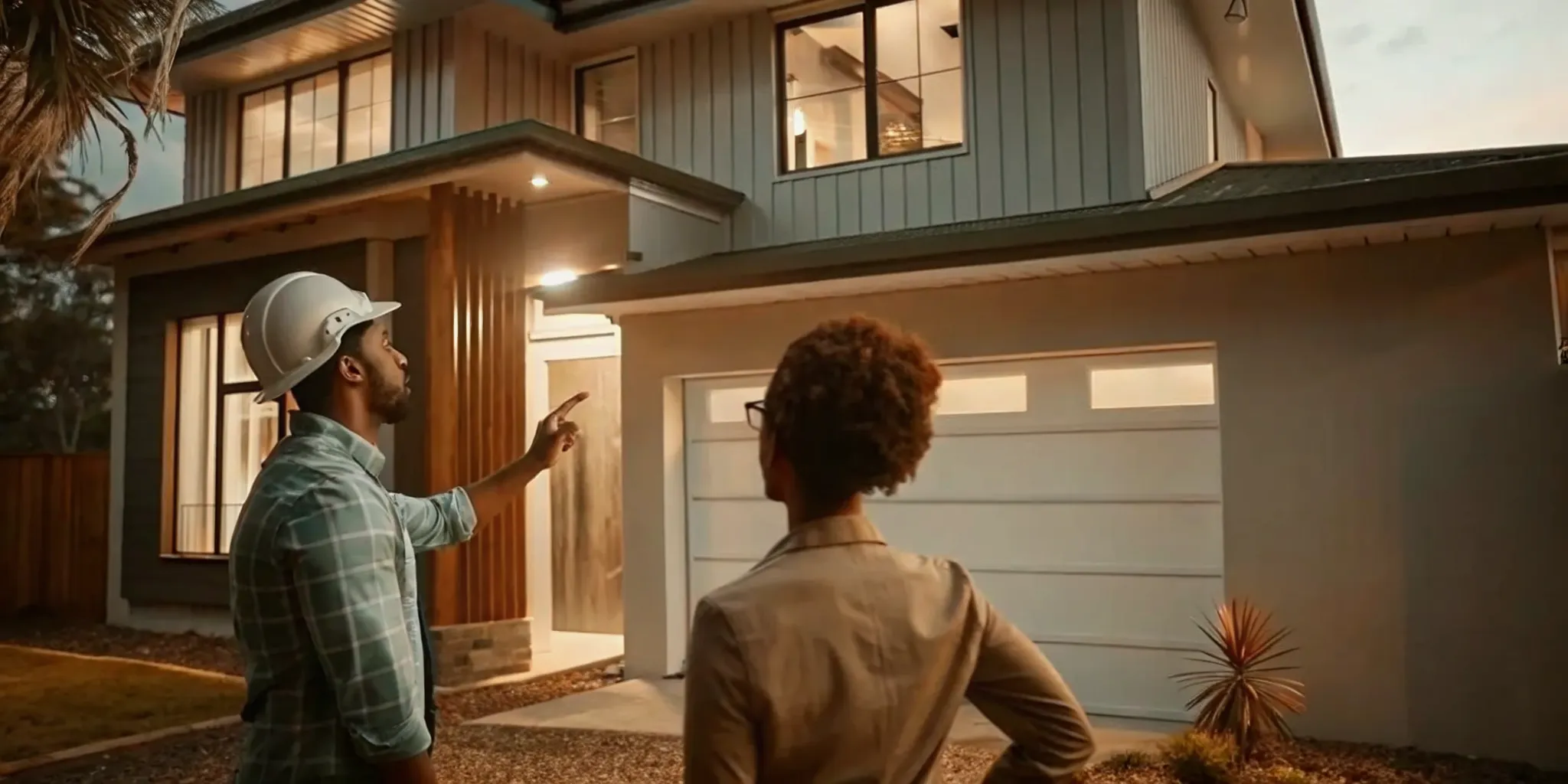
Weighing all these factors can feel overwhelming, and that’s where an outside perspective can make all the difference. A dedicated project advisor helps you separate your needs from your wants and provides an objective look at your situation. They can help you understand what’s feasible for your home and your budget, giving you a realistic picture of what a renovation would entail. This expert guidance is designed to bring clarity to your decision-making process. An advisor acts as your partner, helping you analyze costs, timelines, and potential returns so you can feel confident in your choice. With a clear, customized plan, you can decide whether to transform your current space or start fresh somewhere new.
Related Articles
- Breaking Down Your Full Interior Renovation Cost
- Your Residential Remodel Construction Step-by-Step
- Residential Construction Renovation: A Simple Guide
- 2-Bedroom House Remodel Cost: A Full Breakdown
- Average Cost of a Home Renovation: A Full Breakdown
Frequently Asked Questions
How do I know if renovating is actually cheaper than moving? To get a true comparison, you have to look at the total cost of each option. For moving, that means adding closing costs (which can be 2% to 5% of the home's price), moving fees, and the potential for a much higher mortgage payment to the sticker price. Renovating often comes out ahead because you are targeting your spending on the exact changes you want, rather than paying a premium for a whole new property that might still need work.
What's the most important factor to consider besides money? Your connection to your community is a huge factor that a spreadsheet can't capture. Think about how much you value your neighbors, your kids' schools, your commute, and your local parks or shops. You can change almost anything about your house, but you can't pack up your neighborhood and take it with you. If you love where you live, investing in your current home is often the most fulfilling choice.
I have a low mortgage interest rate. Should I just forget about moving? Not necessarily, but that low rate is a major financial asset you shouldn't give up lightly. Moving would likely mean trading that great rate for a much higher one, which could add hundreds or thousands to your monthly payment. For many homeowners, it makes more sense to keep their current mortgage and use other financing, like a home equity loan, to pay for a renovation. This way, you get the home you want without sacrificing your financial advantage.
How can I avoid my renovation becoming a "money pit"? The best defense against a money pit is a good plan. While you can't predict every surprise, you can prepare for them. Start by working with professionals to create a detailed project scope and budget. Most importantly, build a contingency fund of 15% to 20% of your total project cost. This cushion is specifically for handling unexpected issues, like old wiring or hidden water damage, without causing financial stress or derailing your project.
What kind of renovation gives the best return on investment? You don't have to do a massive overhaul to see a good return. Midrange projects that appeal to a wide range of buyers, like kitchen and bathroom updates, often provide the best financial payback. The key is to improve your home's function and style without making it the most expensive house on the block. Smart, practical updates will make your home more enjoyable for you now and a more attractive asset if you decide to sell later.