Your Guide to a Modern Prefab Backyard Office
Find out how a modern prefab backyard office can create a dedicated, stylish workspace at home. Learn about costs, design options, and installation tips.
|
May 13, 2026
In this article:
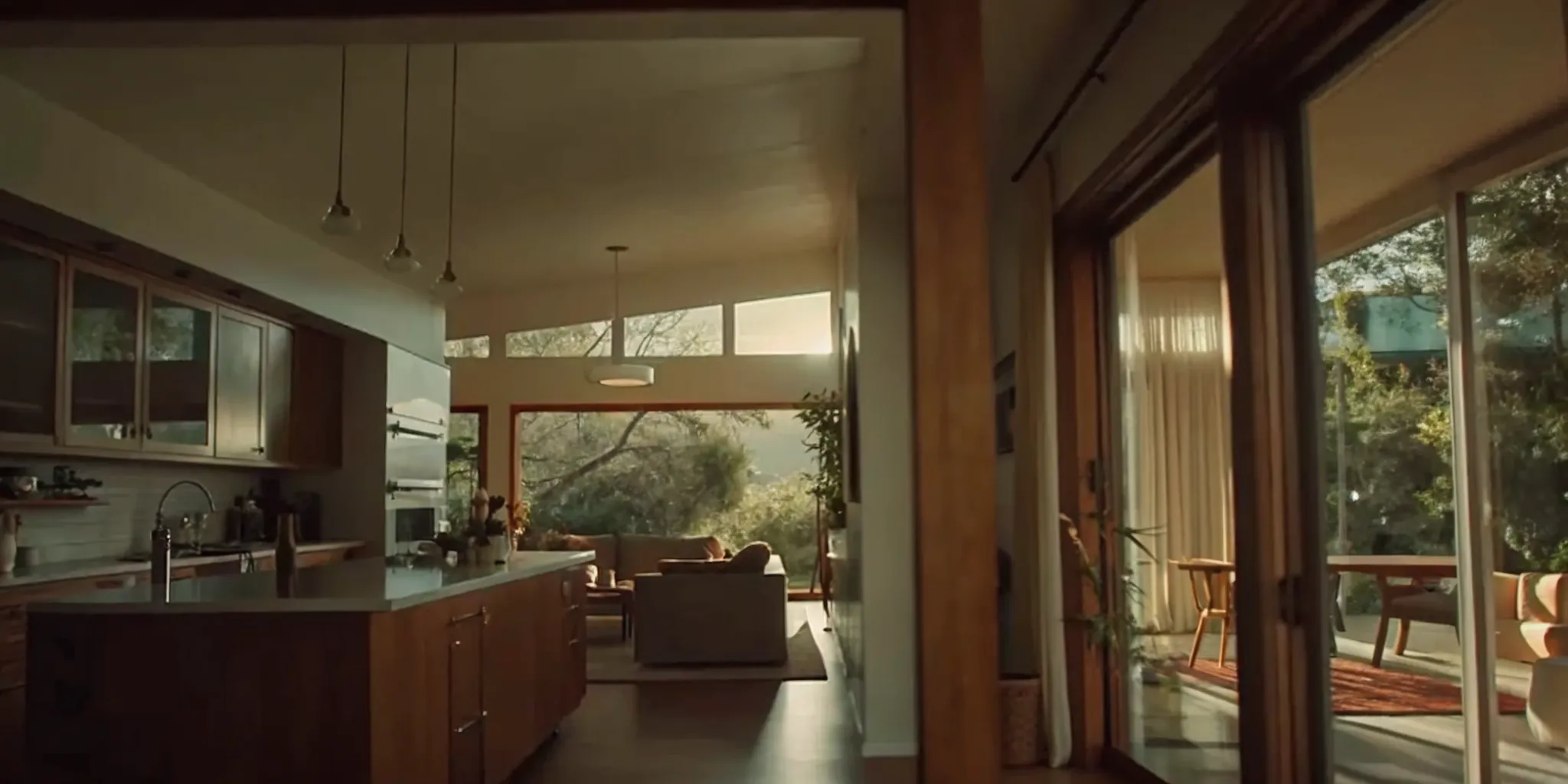
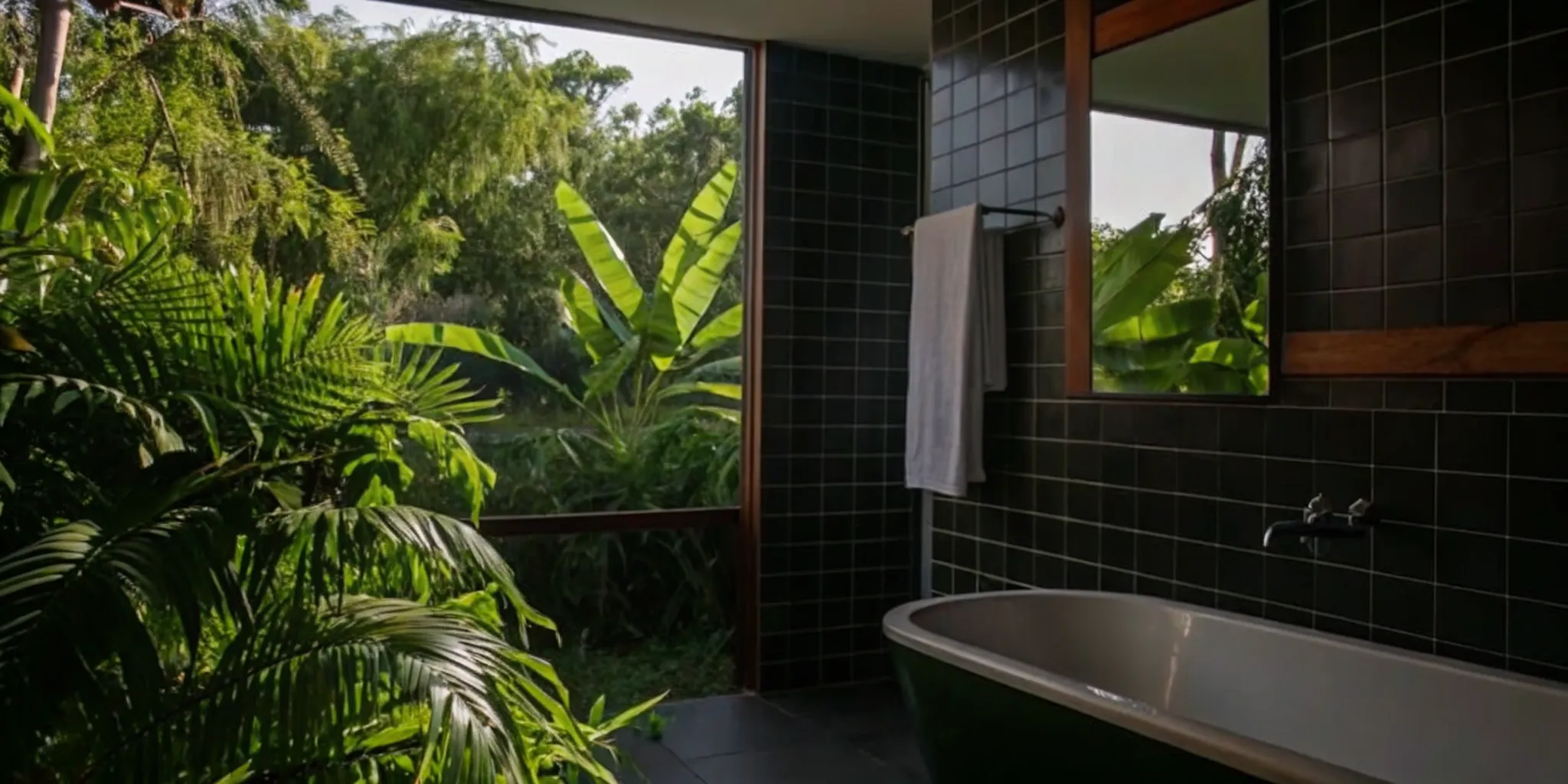
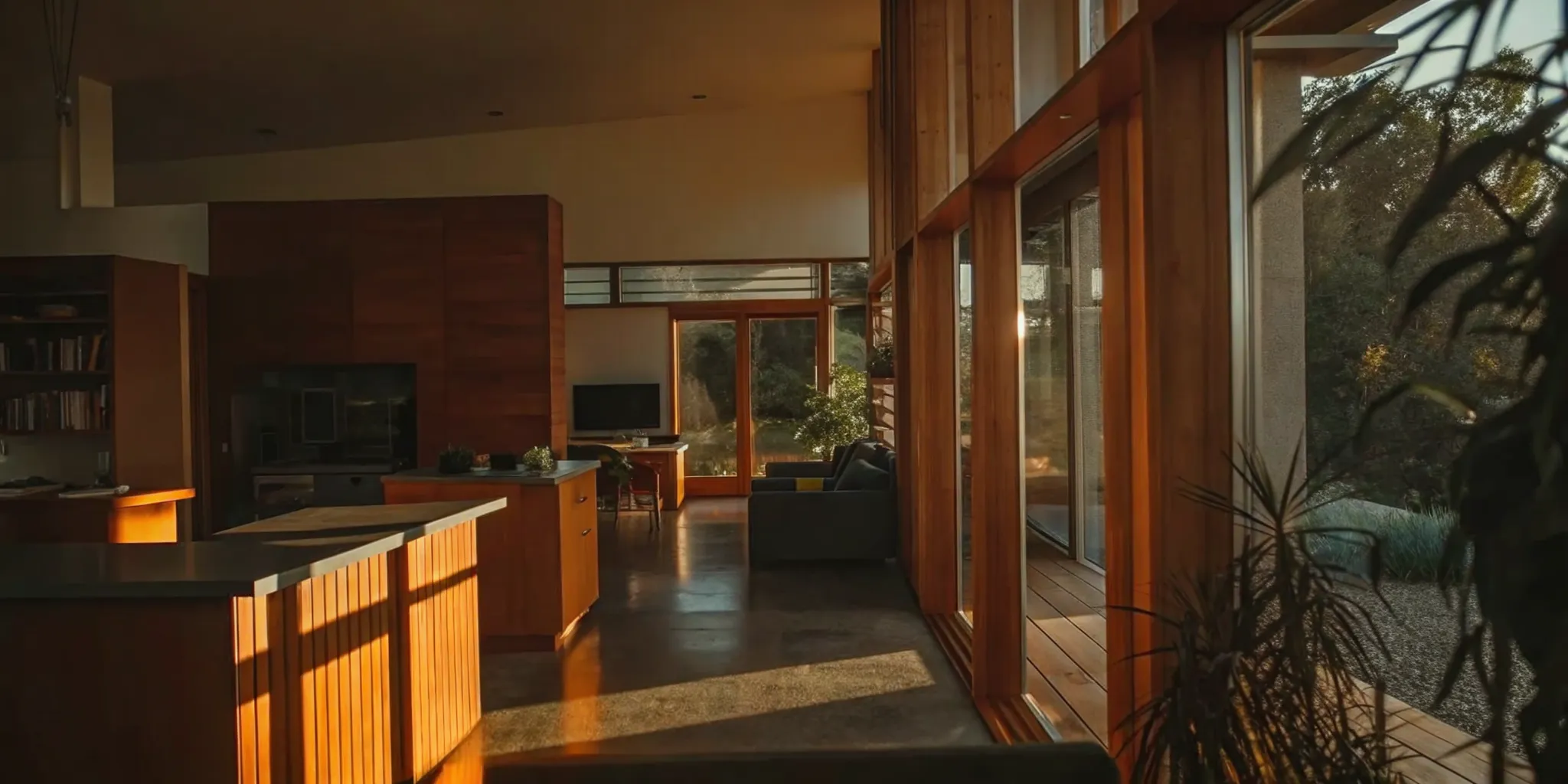
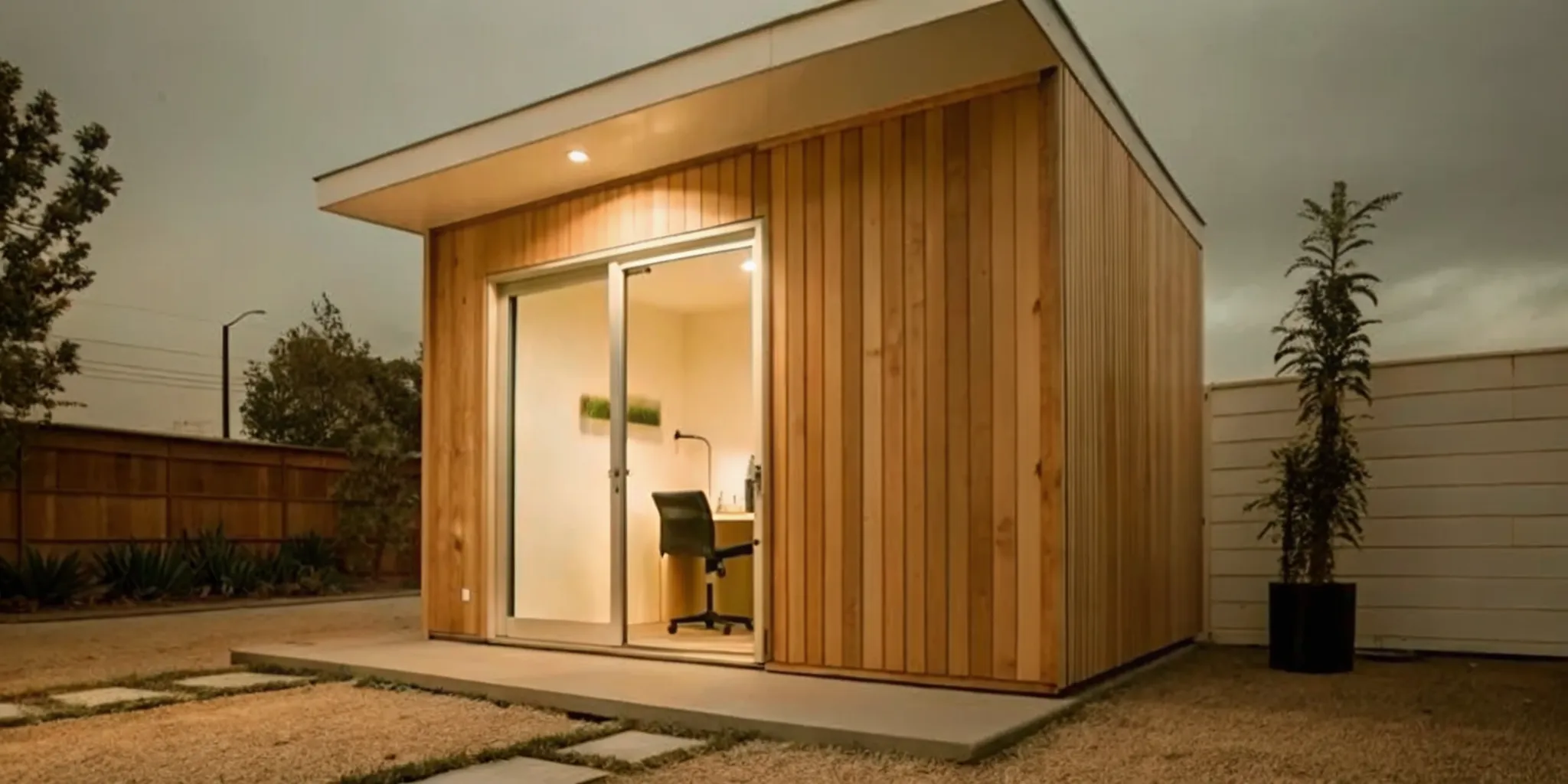
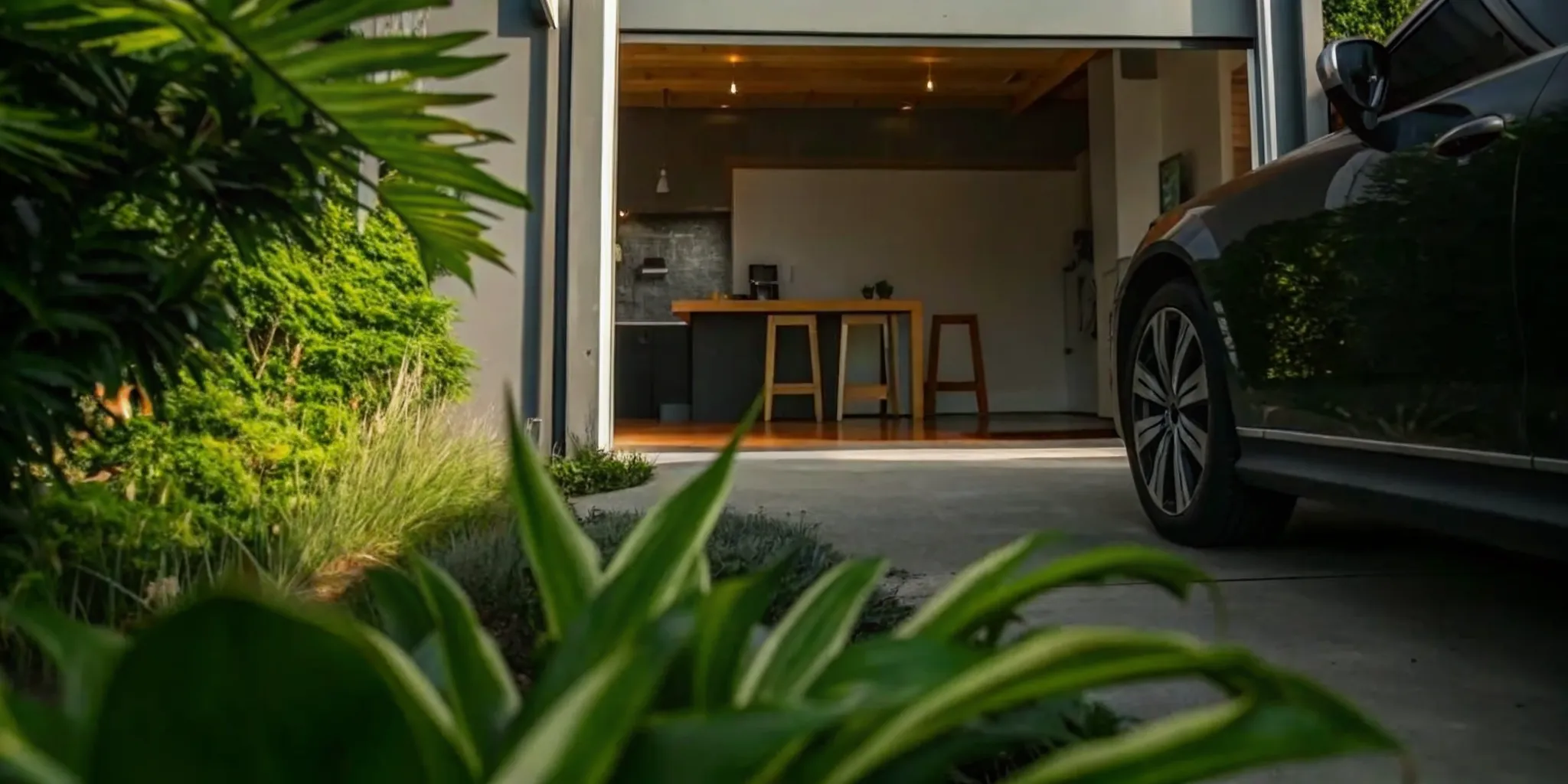
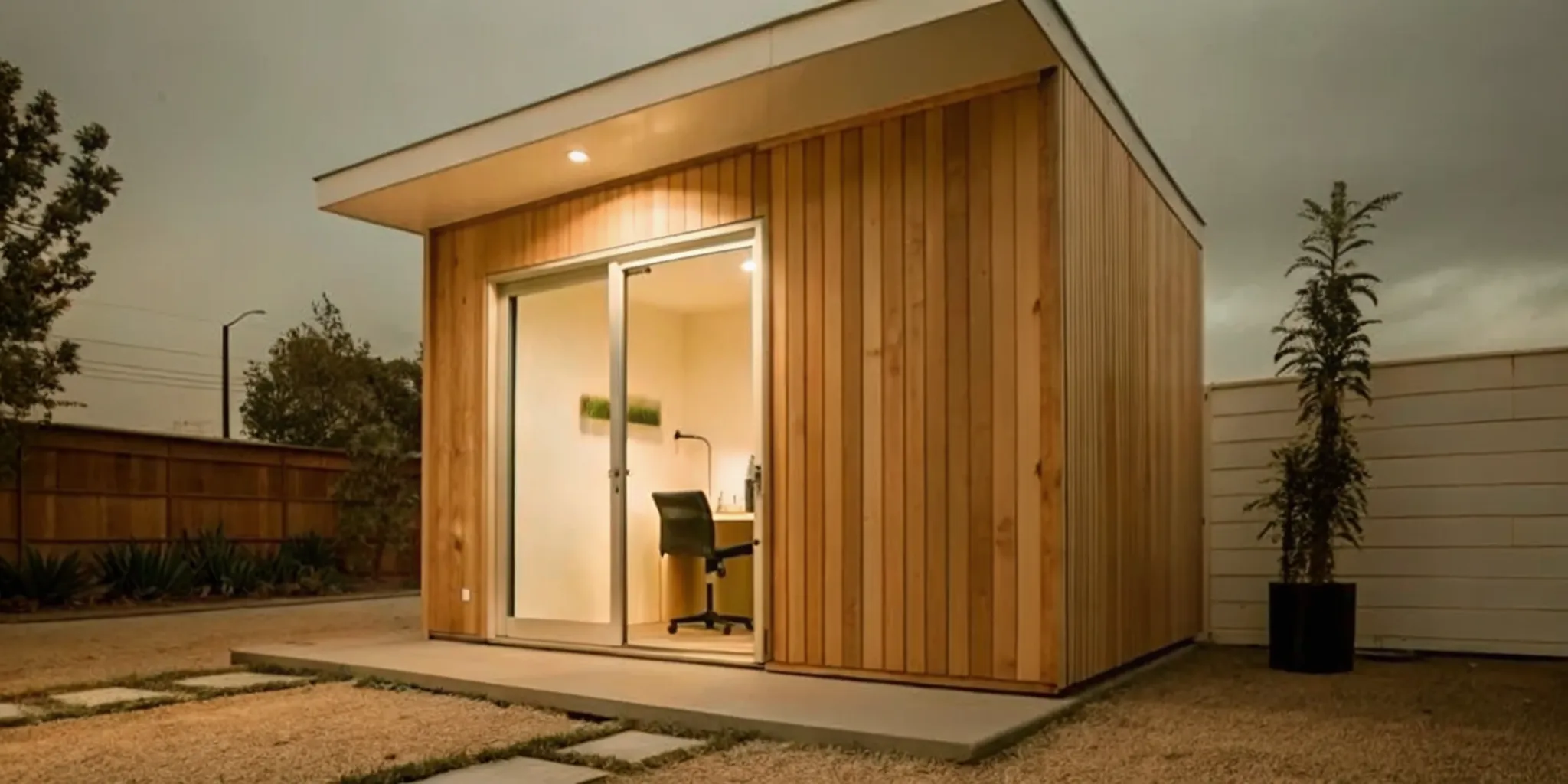
When you hear 'backyard office,' you might picture a simple shed. But a modern prefab backyard office is something else entirely. It’s a piece of architecture guided by the principle that form should follow function. Think clean lines, large windows that flood the space with natural light, and honest materials that connect the structure to your garden. These aren't just boxes; they are thoughtfully designed environments built to inspire creativity and focus. We'll explore the key design features to look for, from smart layouts to sustainable materials, so you can find a space that is both beautiful and incredibly useful.
Key Takeaways
- Separate work from home life while adding value: A backyard office provides a crucial physical boundary for better focus and a healthier work-life balance. This functional, flexible space is also a smart investment that can increase your property's appeal to future buyers.
- Budget beyond the sticker price: Your total project cost includes more than just the office unit. Remember to factor in essential expenses like site preparation, foundation work, utility hookups, and permits to create a realistic financial plan.
- Personalize your prefab space: Prefab does not mean generic; you can customize everything from the exterior siding to the interior layout and climate control. Defining your needs upfront helps you create a space that is perfectly suited to your work style and home aesthetic.
What Is a Modern Prefab Backyard Office?
If you’ve ever dreamed of a commute that’s just a few steps across your lawn, you’ve probably considered a backyard office. A modern prefab version takes that dream and makes it incredibly achievable. Think of it as a stylish, self-contained workspace that’s built in a factory and then assembled in your backyard. This process makes it faster to install and often more affordable than building from the ground up.
The "modern" part isn't just about looks; it’s about a design philosophy that prioritizes purpose. These aren't just sheds with desks inside; they are thoughtfully engineered structures designed to be comfortable and functional. They often feature large windows for natural light, smart layouts to maximize space, and innovative materials that make them durable and energy-efficient. It’s a dedicated space built to help you focus, completely separate from the distractions of your main home.
Prefab vs. Traditional Offices
The biggest difference between a prefab backyard office and a traditional home office (like a converted spare bedroom) comes down to a simple principle: that a building's shape should come from its purpose, an idea known as form follows function. Your spare room was designed to be a bedroom; its layout and lighting were chosen for that purpose. A prefab office, on the other hand, is designed from day one to be a workspace. Every element is intentional, from the placement of windows to reduce screen glare to the built-in storage that keeps things tidy. This focus on simple, useful design creates an uncluttered environment that encourages focus and gives you a true mental separation from household chores.
Prefab vs. Custom-Built Offices
When you compare a prefab office to a custom-built backyard structure, the main difference is the construction process. A custom-built office is constructed entirely on-site, which allows for endless personalization but often comes with a longer timeline and more budget uncertainty. Prefabricated offices are built in a controlled factory environment, which streamlines production, reduces waste, and leads to a more predictable final cost and timeline. While you still need to handle site prep, the overall project is much faster. This factory-first approach is a hallmark of modern building. Planning for this type of project is where a partner like Realm can help you manage all the moving parts, from initial design choices to coordinating installation.
Why Choose a Prefab Backyard Office?
Deciding to add a dedicated office to your property is a big step, and a prefab unit offers some compelling advantages over a traditional home addition. Beyond just giving you a quiet place to take calls, a modern backyard office can create a healthier work-life balance, add real value to your home, and even be a more sustainable choice. If you're looking for a solution that is efficient, stylish, and functional, a prefab office might be the perfect fit for your work-from-home life.
Create a True Work-Life Separation
The biggest draw for many homeowners is the ability to physically separate work from home. That short walk across the yard becomes your new commute, creating a mental boundary that’s hard to achieve when your office is the dining room table. This separation helps you focus during the day and fully disconnect when you clock out. Modern prefab designs are built for this purpose. They emphasize simplicity and clean lines to create a space that is both functional and welcoming, helping you stay productive without feeling isolated. A well-designed office, planned with expert guidance, becomes a true sanctuary for deep work, letting you leave the stresses of the job behind when you head back inside for the evening.
Increase Your Property Value
A thoughtfully designed backyard office is more than just a workspace; it’s an asset. In a world where remote work is common, a turnkey office space is a huge selling point for future buyers. It adds valuable, flexible square footage to your property without the disruption of a major home addition. Modern architecture focuses on practical uses and clean, efficient design, which adds a sophisticated appeal to your home. By investing in a quality prefab unit, you’re not just improving your daily routine, you’re making a smart financial move that can increase your property’s market value. Working with a trusted partner ensures your project is a valuable and lasting investment.
Build More Sustainably
Prefab construction is often a greener way to build. Because the units are constructed in a factory setting, the process is highly efficient, leading to less material waste compared to a traditional on-site build. Many manufacturers also prioritize using sustainable materials and energy-efficient designs. This approach aligns with the core principles of modern architecture, where a building’s design should follow its purpose, an idea known as "form follows function." A prefab office is the perfect example of this, as its entire design is optimized for its role as a workspace. This functionalism results in a structure that is not only efficient to build but also more resource-efficient to operate long-term, a common goal in many modern building projects.
Key Design Features to Look For
Modern design is more than just an aesthetic; it’s a philosophy that prioritizes clean lines, functionality, and a strong connection to the surrounding environment. When you’re looking at prefab backyard offices, these principles come to life in specific features that make the space both beautiful and incredibly useful. Think of it as creating a workspace that is simple, uncluttered, and inviting. Paying attention to these key design elements will help you find a unit that not only meets your needs today but also feels like a natural extension of your home and garden.
Layout and Size
The best modern layouts are built on the idea of simplicity and usefulness. You’ll find that most prefab offices feature open-concept designs that feel spacious and airy, even in a compact footprint. Before you choose, think about how you’ll actually use the space. Do you need a single, focused workstation, or will you need room for a small meeting table or a comfortable chair for reading? The goal is to find a size and layout that supports your work without feeling cramped or cluttered. Remember, the principle of functionalism means the shape of the space should serve its ultimate purpose: helping you do your best work.
Materials and Build Quality
Modern architecture has always embraced new and honest materials, and prefab offices are no exception. You’ll often see a mix of glass, steel, and finished concrete alongside natural woods. These materials aren't just for looks; they are chosen for their durability and low maintenance. Look for units with high-quality siding like metal or composite wood that can stand up to the elements. The build quality is what ensures your office is a long-term investment, not a short-term fix. A well-built structure should feel just as solid and permanent as your main house, providing a secure and quiet place to work for years to come.
Windows and Natural Light
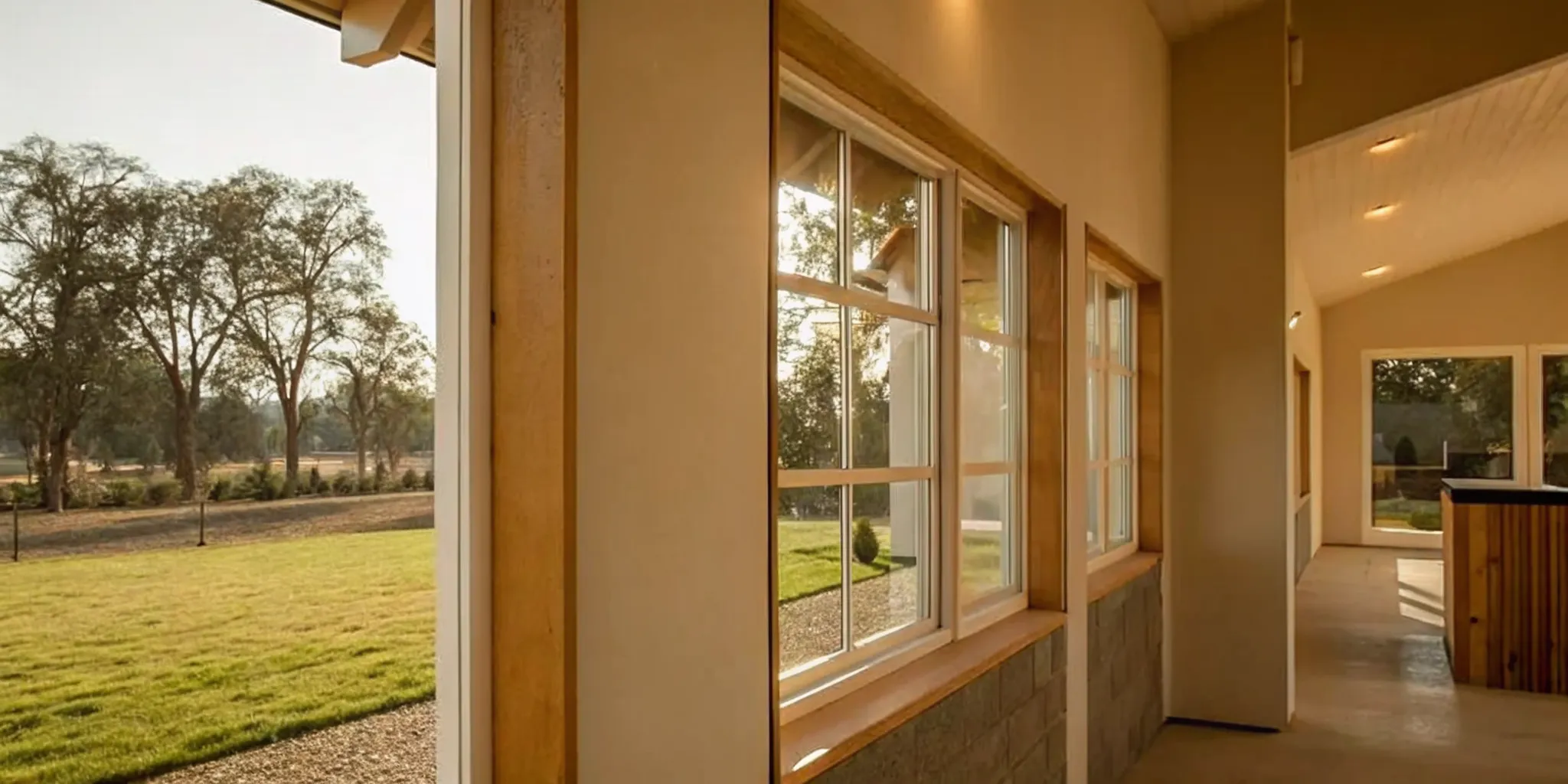
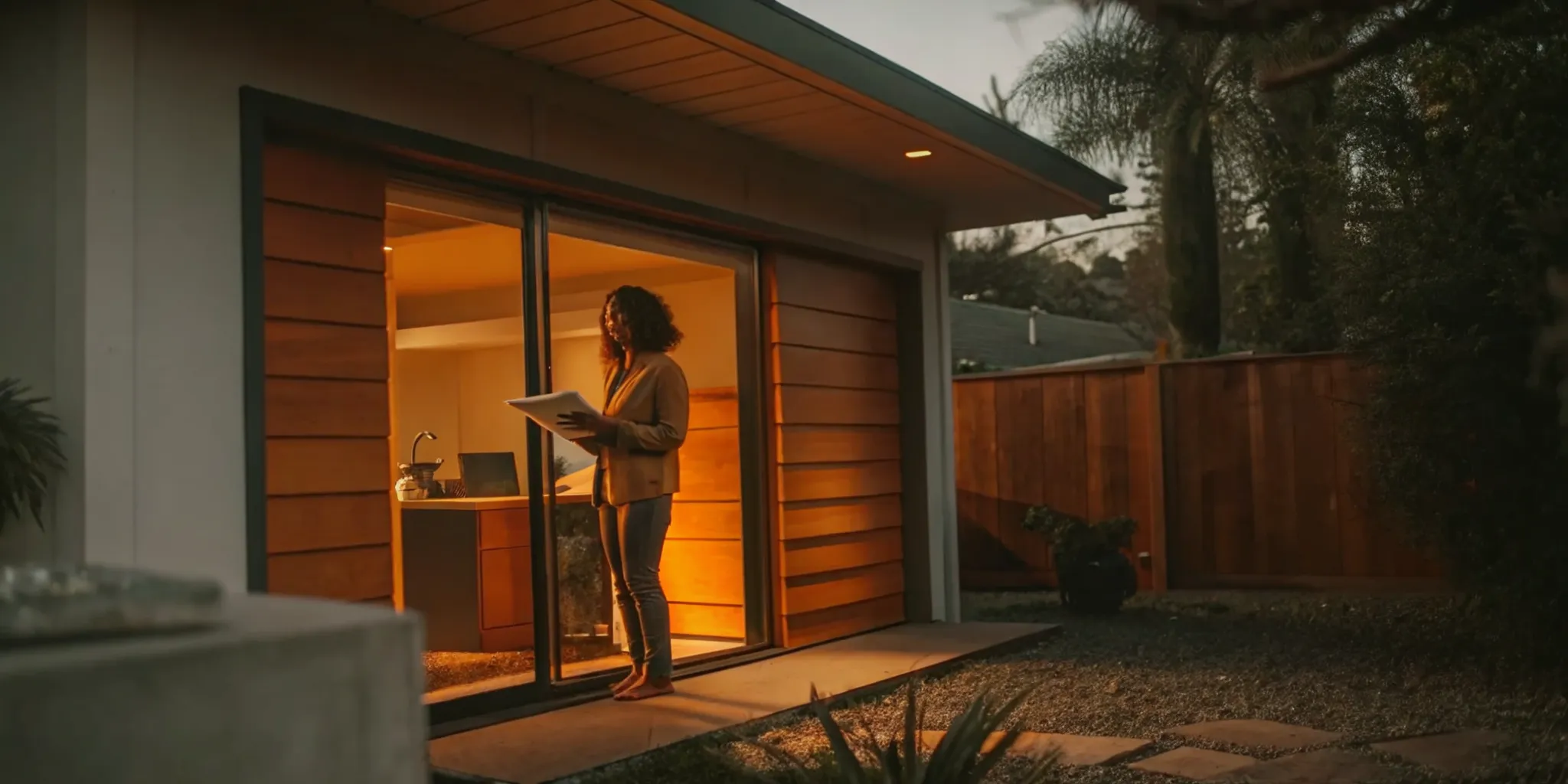
One of the most defining features of modern design is the use of large, expansive windows. Thanks to innovations in glass production, designers can incorporate huge panes of glass that blur the line between indoors and out. This is especially powerful in a backyard office, where large windows can make a small space feel vast and open. Abundant natural light not only reduces the need for artificial lighting but also has proven benefits for mood and productivity. When evaluating options, consider how the window placement will frame your garden views and provide a constant connection to nature throughout your workday.
Smart Tech and Connectivity
A truly modern office is a smart one. The best prefab units come ready for the digital age with integrated technology that makes your life easier. Look for features like built-in USB-C outlets, smart thermostats, and integrated lighting systems you can control from your phone. Planning for robust connectivity from the start is also crucial. You’ll need to ensure you have a strong Wi-Fi signal and enough power for all your devices. A dedicated Realm advisor can help you map out the utility requirements for your office, ensuring your new workspace is as efficient and connected as you need it to be.
How Can You Customize Your Office?
One of the best parts of choosing a prefab office is that "prefab" doesn't mean you're stuck with a generic, one-size-fits-all box. Many companies offer a surprising range of customization options that let you tailor the space to your exact needs and style. Think of the base model as a blank canvas. You get to decide on the finishes, features, and layout that will make your backyard office a true extension of your home and a place you love to work. From the siding on the outside to the flooring on the inside, you have control over the details that matter most. This is your chance to create a workspace that is not only functional but also deeply personal and inspiring.
The ability to customize is crucial for several reasons. First, the interior finishes set the tone for your workday. Choosing the right colors, textures, and lighting can create an environment that helps you focus and feel creative. Second, the exterior appearance ensures the new structure harmonizes with your existing home and landscaping, adding to your property's overall value and appeal. You can match materials and colors for a seamless look. Third, practical customizations like climate control are essential for making the office comfortable and usable throughout the year, regardless of the weather. Finally, thinking about the layout allows you to design a space that supports your specific workflow and can adapt as your needs change over time.
Interior Finishes
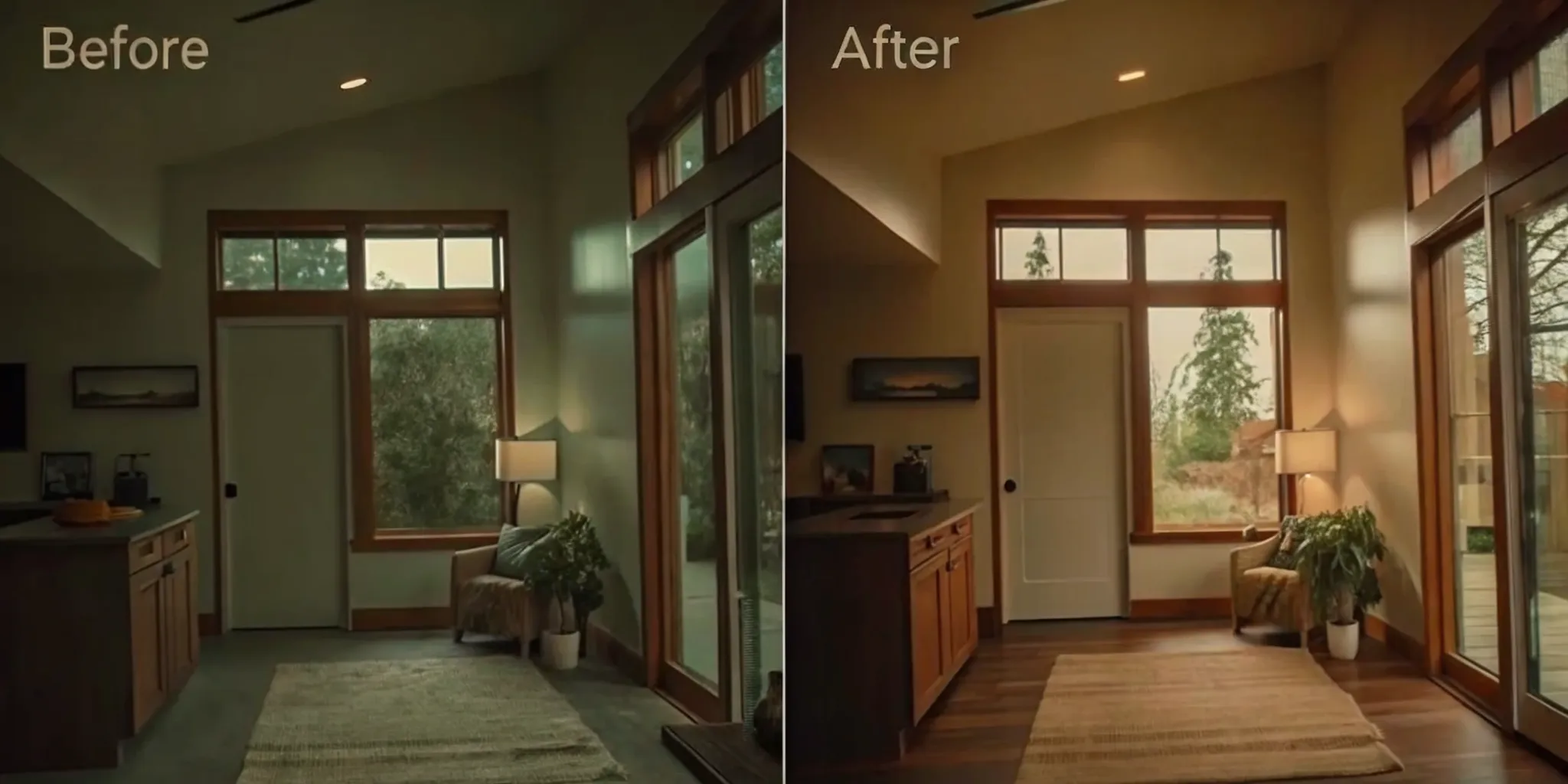
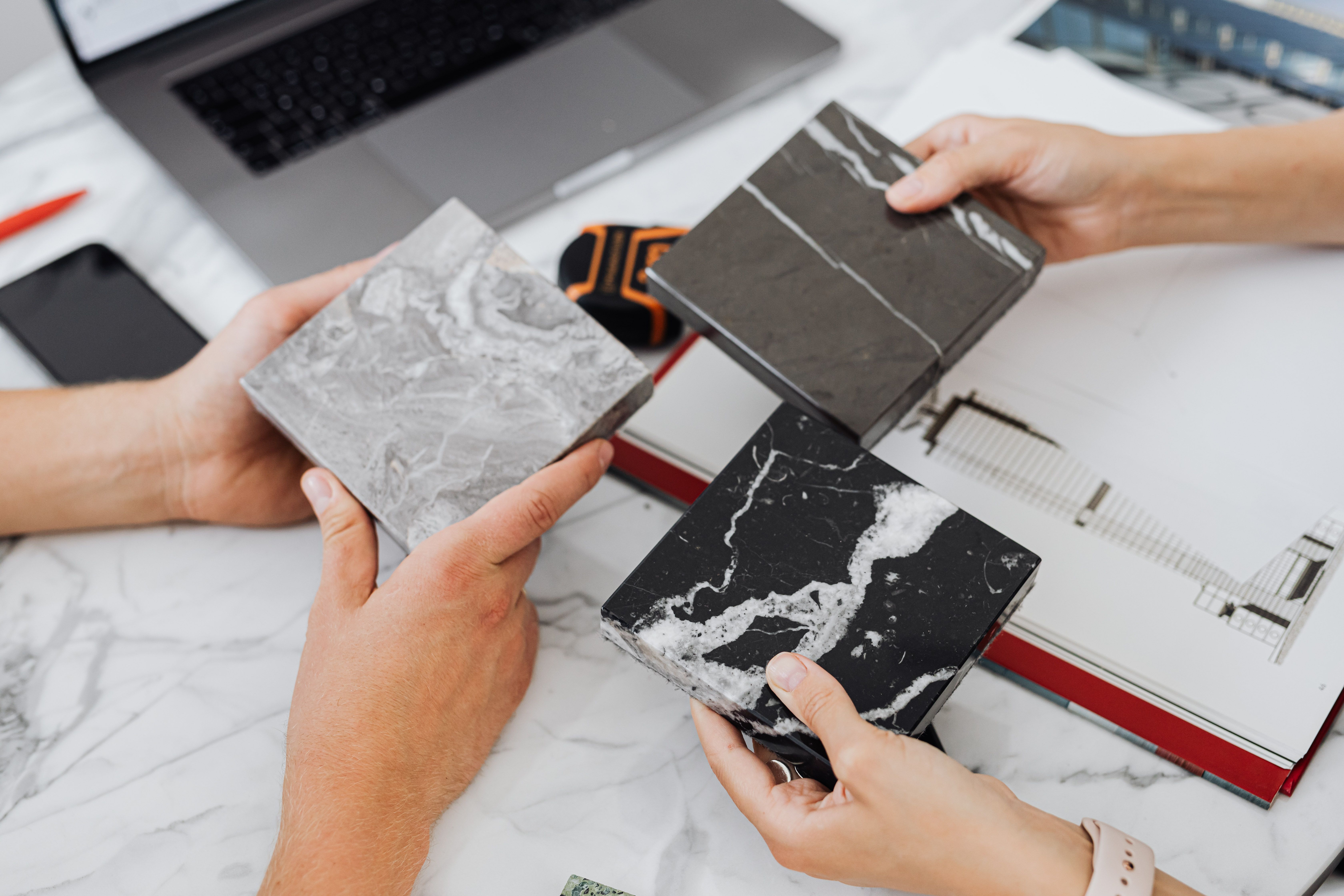
The interior of your office is where you can really let your personality shine. Most manufacturers provide a catalog of options for flooring, walls, and lighting. You can choose from durable vinyl plank flooring, cozy carpet tiles, or even sleek polished concrete. For walls, you might stick with classic drywall or opt for something more textural like wood paneling. These customization options allow you to create an environment that feels both professional and personal, ensuring your new workspace is a place you feel inspired and focused in every day.
Exterior Style
You want your new office to complement your home and yard, not stick out like a sore thumb. Customizing the exterior is key to achieving a cohesive look. You can often select siding materials that match your main house, whether it’s classic wood, modern metal, or low-maintenance fiber cement. Color choice is also up to you, giving you the freedom to go for a bold, contemporary look or a subtle shade that blends into the landscape. Thoughtful exterior design ensures your backyard office adds to your property's overall curb appeal and value.
Climate Control Options
To make your office a comfortable workspace year-round, you’ll need to plan for heating and cooling. Many prefab units can be equipped with high-efficiency systems like ductless mini-splits, which provide both heating and air conditioning. Other options include radiant floor heating for a touch of luxury or simple baseboard heaters for a budget-friendly choice. Integrating the right climate control not only keeps you comfortable during heatwaves and cold snaps but also helps manage energy costs, making your office a more sustainable and affordable space in the long run.
Flexible and Multi-Use Layouts
Your work needs might change over time, so designing a flexible layout is a smart move. Consider an open floor plan that you can easily reconfigure with modular furniture. You could also incorporate built-in storage to keep clutter at bay or add a partition to create a separate zone for client calls. A flexible workspace can easily adapt to your needs, serving as a quiet retreat for deep work one day and a collaborative hub the next. This adaptability ensures your investment continues to serve you well for years to come.
How Much Does a Prefab Backyard Office Cost?
Figuring out the budget for your backyard office is about more than just the sticker price of the unit. The total cost includes the structure itself, preparing your yard for its arrival, getting it hooked up to utilities, and other finishing touches. Think of it like buying a car; the base model price is the starting point, but the final number depends on the features and prep work you need. Breaking down these expenses will help you create a realistic budget and avoid surprises down the road.
The Base Price
The starting price for a prefab backyard office can range from around $10,000 for a simple, compact model to over $50,000 for a larger, more customized design. This base price typically covers the structure itself, including the walls, roof, flooring, a basic door, and windows. What it often doesn't include are interior finishes, electrical wiring, or any optional upgrades like premium siding or extra windows. When you're comparing different companies, make sure you get a clear list of what's included in the base price so you can accurately compare your options.
Site Prep and Installation
Before your new office can be delivered, your backyard needs to be ready. Site preparation is a critical step that can add between $1,000 and $5,000 to your total project cost. This work often involves leveling the ground, clearing vegetation, and pouring a concrete slab or installing another type of foundation. The installation fee itself might be included in a turnkey package from the prefab company, or it could be a separate charge. It’s important to clarify this upfront. A dedicated project advisor can help you find vetted professionals to handle this crucial groundwork.
Utility Connections
To make your office functional, you’ll need power and internet. The cost to connect utilities can range from $1,500 to $5,000 or more, depending on how far your office is from your home's main utility lines. An electrician will need to run wiring from your main panel to the new structure, and you may need a separate subpanel. The cost to install electrical wiring will depend on the complexity of the job and local labor rates. If you want to add a bathroom or kitchenette, you’ll also need to budget for plumbing, which will increase the cost further.
Factoring in Ongoing Costs
Your financial planning shouldn't stop once the office is built. Remember to account for ongoing expenses that come with your new space. Monthly utility bills for electricity and internet can add $100 to $300 to your budget, depending on your usage and climate. It's also wise to set aside money for maintenance. A good rule of thumb is to budget about 1% of the office's total cost annually for upkeep, like repainting or minor repairs. Finally, check with your local assessor’s office, as a permanent backyard structure could potentially increase your property taxes.
Do You Need a Permit for a Backyard Office?
The short answer is, most likely, yes. The word “permit” can sound intimidating, but it’s a standard and essential part of almost any construction project. Permits exist to make sure your new office is safe, structurally sound, and meets local building codes. Think of it as a system of checks and balances that protects your investment and your property value. Whether you need one often comes down to a few key factors: the size of the structure, its location on your property, and whether you’re connecting it to utilities like electricity or water. Skipping this step might seem like a way to save time and money, but it can lead to major fines, orders to tear down your new office, and serious problems when you eventually sell your home.
Navigating the permitting process is one of the first major steps in your project. Every city and county has its own set of rules, so what works for a friend in another town might not apply to you. The key is to do your research upfront so there are no surprises down the line. This is where having an expert in your corner can be a game-changer. A project partner like Realm can manage this entire process for you, from figuring out which permits are needed to submitting the paperwork and scheduling inspections. But if you're tackling it yourself, let's break down the main things you need to look out for.
Understanding Local Zoning Rules
First up are your local zoning rules. Think of these as the master plan for your neighborhood, dictating how land can be used. These zoning laws can restrict the size, height, and even the type of structure you can build. For example, many cities have a rule of thumb that any accessory structure over 120 square feet requires a building permit. However, this number can vary quite a bit, so it’s crucial to check your local requirements instead of making assumptions. Your city’s planning or building department website is the best place to start. A quick search or phone call can save you a major headache later.
Setbacks and HOA Rules
Next, you’ll need to consider setbacks and any Homeowners Association (HOA) rules. A "setback" is the required minimum distance between your new office and your property lines, your main house, or other structures. This ensures there’s enough space for access and safety. These distances can range from five to 15 feet, depending on your local code. On top of city rules, if you live in a community with an HOA, you have another layer of guidelines to follow. HOAs often have specific rules about the exterior appearance, placement, and size of any new structures. Be sure to get their written approval before you start building.
Permits for Utilities
If you plan to have electricity, heating, cooling, or plumbing in your backyard office, you will almost certainly need separate permits for that work. These utility permits ensure that all connections are installed safely by licensed professionals and are up to code, which is critical for preventing fire hazards or water damage. This process often involves inspections at different stages of the project. It’s a good idea to talk with your electrician and plumber early on, as they can usually handle the permit application process for their portion of the work and tell you what to expect.
Plan for These Common Challenges
A little planning goes a long way in making sure your backyard office project is a success. While prefab construction simplifies many steps, there are a few key areas where some foresight can save you time, money, and future headaches. Thinking through these common challenges now will help you create a space that you’ll love for years to come. It’s about turning potential problems into smart decisions before they happen.
For instance, the spot you choose in your yard is more than just a pretty backdrop; it’s the foundation of your new office, and preparing it correctly is crucial for its longevity. Similarly, looking beyond the sticker price of the unit and creating a comprehensive budget for the entire project, including installation and utilities, prevents financial surprises down the road. Many homeowners focus on the unit cost and forget to account for site work, delivery, and landscaping, which can add up. We’ll also touch on why selecting the right insulation is key for year-round comfort and energy savings, a detail that makes a huge difference in your daily experience. Finally, we'll explore how designing for flexibility ensures your new space can adapt as your needs change, making it a truly long-term investment. By anticipating these elements, you can work with your project team to build a backyard office that is not only beautiful but also durable and functional from day one.
Site Prep and Drainage
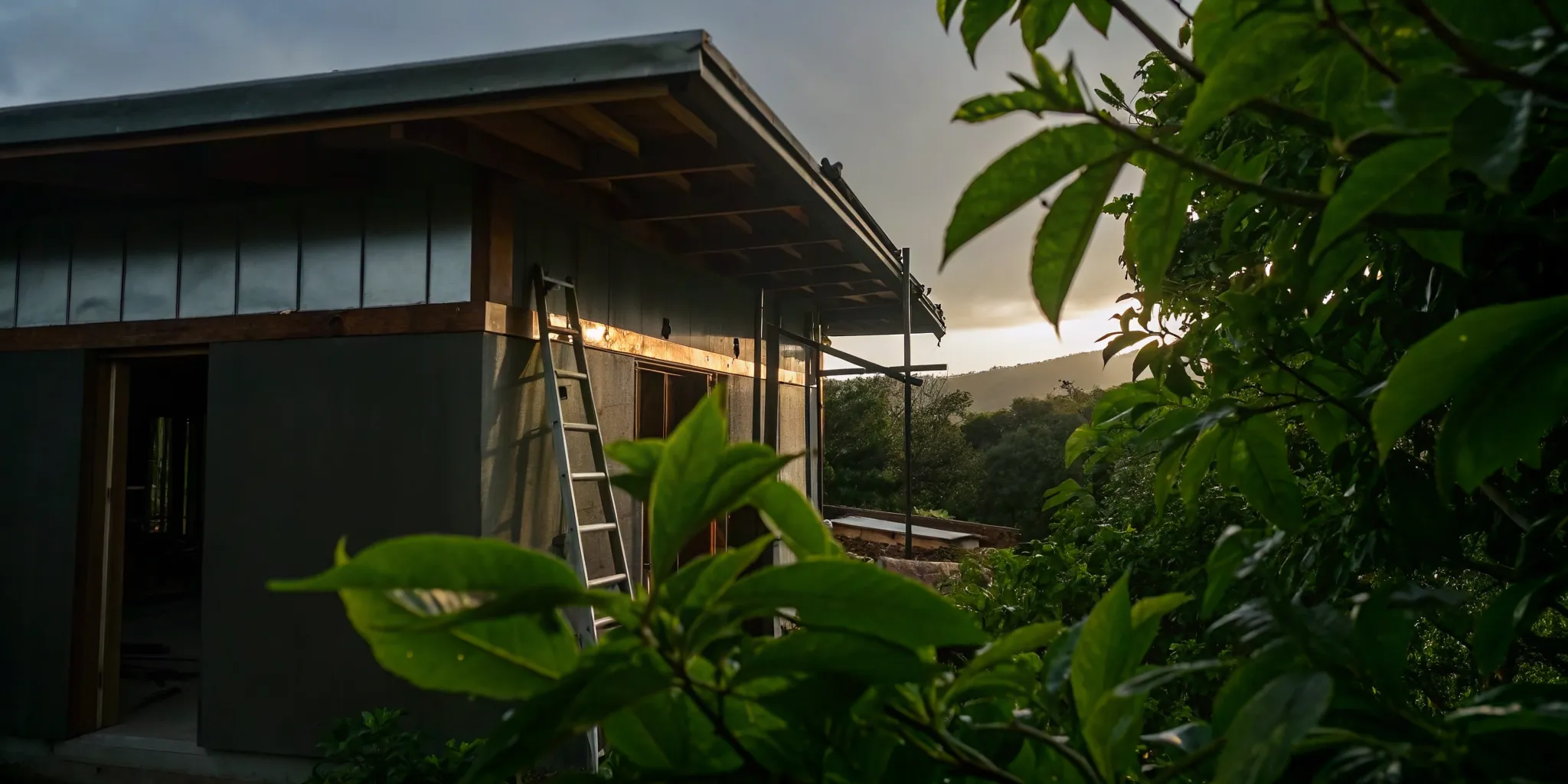
The spot you choose in your yard is more than just a pretty backdrop; it’s the foundation of your new office. Proper site preparation is critical to the long-term stability of the structure. The main goal is to create a level surface and ensure water flows away from the building, not toward it. Poor drainage can lead to water pooling around the foundation, which can cause serious structural damage over time. Before the first shovel hits the ground, it’s wise to assess your land’s slope and soil type. A solid foundation starts with good site preparation, which is a step your contractor will handle to protect your investment for the long haul.
Budgeting for the Full Project
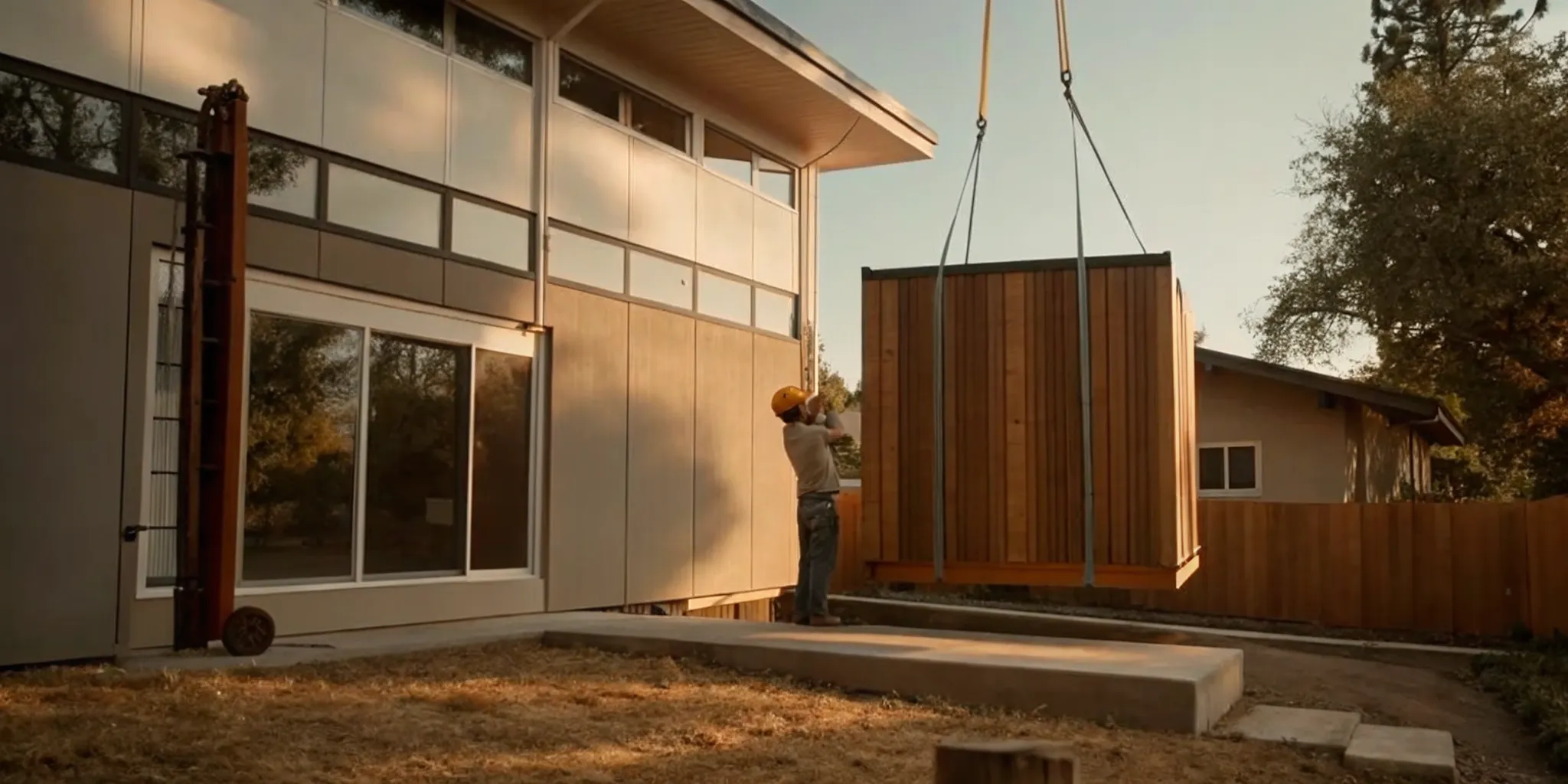
When you’re dreaming about your new office, it’s easy to focus on the price of the prefab unit itself. However, the total project cost includes more than just the structure. To avoid surprises, it’s important to budget for the full scope of the work. This includes costs for site prep, delivery (which can sometimes require a crane), the foundation, and connecting utilities like electricity and internet. You’ll also want to factor in finishing touches like landscaping and permits. Creating a comprehensive budget that accounts for these items from the start will give you a clear and realistic financial picture, making the entire process feel much more manageable.
Choosing the Right Insulation
Your backyard office should be a comfortable retreat year-round, whether you’re escaping summer heat or a winter chill. The key to achieving this is choosing the right insulation. Good insulation will not only keep you comfortable but also make your office more energy-efficient, saving you money on heating and cooling bills. Common insulation options include spray foam, fiberglass, and cellulose, and the best choice often depends on your local climate and how you plan to use the space. Don’t be afraid to discuss these options with your prefab provider or contractor to ensure your office is built for four-season comfort.
Planning for Future Flexibility
Your work life and personal needs can change over time, and your backyard office should be able to adapt. When planning the layout, think beyond your current desk setup. Could this space double as a creative studio, a workout room, or even a quiet guest suite in the future? Designing a flexible space can be as simple as choosing modular furniture that’s easy to reconfigure or incorporating smart storage solutions that keep the floor plan open. By planning for flexibility now, you ensure your backyard office remains a valuable and useful part of your home for many years, ready to evolve right along with you.
How to Plan Your Installation
With your design choices locked in, it’s time to focus on installation. This is where your backyard office starts to feel real. Planning these next steps carefully ensures a smooth process from groundbreaking to your first day of work. A little preparation here goes a long way in preventing headaches down the road. Let's walk through what you need to do to get your site ready, assemble your team, and understand the timeline.
Pick the Perfect Spot
Choosing where to place your office is one of the most important decisions you'll make. Think about your daily routine and what will make the space most enjoyable. Consider a location that gets plenty of natural light to create a pleasant and productive atmosphere. You’ll also want to think about privacy from the main house and your neighbors. On a practical level, the site needs to be relatively level with good drainage to prevent water issues. A solid foundation is key, so proper ground preparation is a non-negotiable first step.
Find Your Project Team
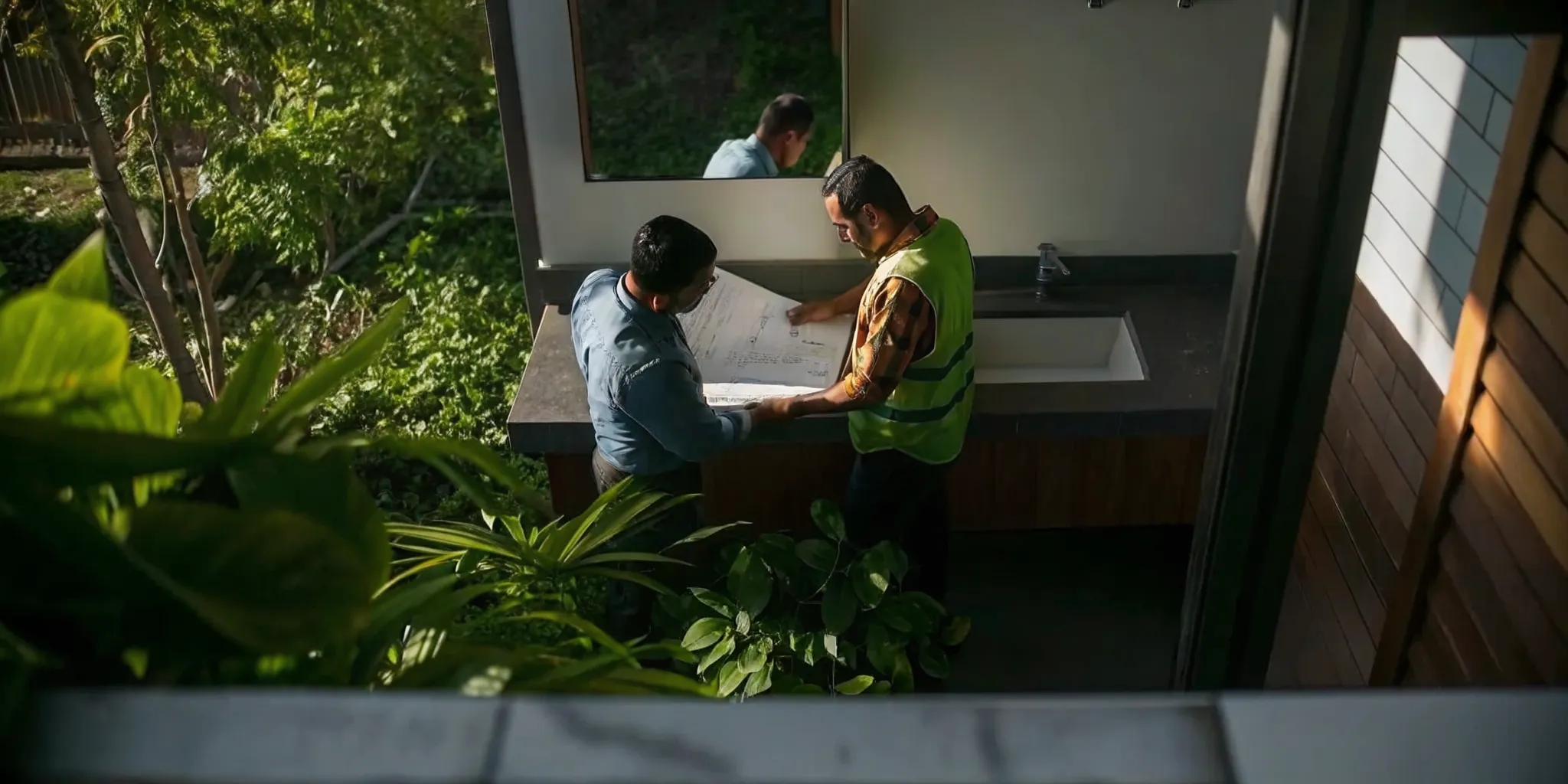
You don’t have to manage this project alone. Building a prefab office often involves a general contractor and sometimes an architect. It’s incredibly helpful to work with professionals who have specific experience with prefab construction, as they can anticipate challenges and keep the project on track. Vetting your team is essential; you want people who understand your vision. At Realm, we simplify this step by connecting you with a network of vetted professionals who are right for your project, so you can build your team with confidence.
What to Expect: Project Timeline
One of the biggest draws of a prefab office is the speedy construction timeline. Once the unit is delivered, the installation can be quite fast. In fact, most prefab office installations can be completed in a matter of weeks. However, the total project timeline includes more than just the build. You need to factor in time for site preparation, permits, and utility connections. It's also wise to build a buffer into your schedule for unexpected delays, like bad weather, so you can manage the process without added stress.
Is a Prefab Backyard Office Right for You?
You've seen the design possibilities and planned for the practicalities. Now it's time for the big question: is a prefab office the right move for you and your home? Making the final call comes down to two key areas: the numbers and the nitty-gritty logistics. Let's walk through them so you can feel confident in your decision.
The Financial Breakdown
Let's talk money. One of the biggest draws of a prefab office is its cost-effectiveness compared to a traditional addition. Depending on the size and features you choose, you can expect the unit itself to cost anywhere from $10,000 to $50,000. Beyond the initial price, think about the long-term value. A well-designed backyard office is a desirable feature that can increase your property value, offering a solid return on your investment if you ever decide to sell. Just remember to factor in ongoing utility costs for electricity, heating, and cooling when you map out your budget.
Final Things to Consider
Before you get your heart set on a specific model, it's crucial to do some homework on your property. First, look into your local zoning laws and permit requirements. Many cities have rules about the size and placement of accessory structures, and a Realm advisor can help you figure out what applies to your home. Next, consider the design. Think about how the office will look with your home's style and how it will fit into your backyard landscape. Finally, get really clear on your personal needs. Will this be your 9-to-5 workspace, a quiet creative studio, or a flexible space for hobbies? Defining its purpose will guide you to the perfect size and features.
Related Articles
- Your Guide to a Backyard Office Shed with Bathroom
- The Complete Guide to Building a Backyard Office Shed
- Backyard Office Pod California: A Complete Guide
- Backyard Office Pods for Sale: A Buyer's Guide
Frequently Asked Questions
Isn't a prefab office just a glorified shed? That's a fair question, but the two are worlds apart. A shed is designed for storage, while a modern prefab office is engineered as a fully functional, human-centric workspace. Think of it this way: a prefab office is built with insulation, high-quality windows, proper ventilation, and electrical systems, just like a room in your house. The design prioritizes natural light and usability, creating a comfortable and productive environment from the start, which is very different from trying to work in a structure made for lawnmowers.
What's the real, all-in cost I should expect for a backyard office? The price of the unit itself is just the starting point. To get a realistic budget, you need to think about the total project cost. This includes preparing the site, which might involve leveling ground or clearing plants, and pouring a proper foundation. You also need to account for the cost of running utilities like electricity and internet from your main house to the office. When you add these elements together, you get a much clearer picture of the full investment required.
How long does the whole process take from start to finish? While the on-site installation of a prefab unit is impressively fast, often taking just a few weeks, the entire project timeline is longer. The pre-construction phase, which includes finalizing your design, securing permits, and preparing the site, is where you'll spend the most time. A good estimate for the whole process, from your first decision to your first day working in the new space, is typically a few months.
How complicated is getting a permit for a small office? The permitting process can feel daunting, but it's a standard and protective step for any significant construction. Most cities require a permit for accessory structures over a certain size, usually around 120 square feet, or for any building with electrical or plumbing hookups. The rules exist to ensure the structure is safe and won't cause issues down the line. While every city is different, a good contractor or project advisor can handle this process for you, making it much less of a headache.
Can I really customize a 'prefabricated' building? Absolutely. "Prefabricated" refers to the construction method (built in a factory), not a lack of design choice. Most manufacturers offer a wide range of customization options. You can often select exterior siding to match your main house, choose your preferred interior flooring and wall finishes, and decide on the placement and style of windows. You can also add features like built-in desks, shelving, or specific climate control systems to make the space perfectly suited to your needs.