Finding the Best ADU Builders in the Bay Area
Find trusted ADU builders Bay Area homeowners rely on. Get tips for choosing the right partner, comparing costs, and ensuring a smooth ADU project.
|
June 3, 2026

In this article:
An ADU is one of the biggest investments you’ll make in your property, and the builder you choose is the steward of that investment. You’re not just hiring someone to swing a hammer; you’re entrusting them with your home, your budget, and your peace of mind for the next several months. In a market as complex as Northern California, the stakes are even higher. Your search for qualified ADU builders in the Bay Area is the first and most important step in ensuring a successful outcome. We’ll walk you through the essential questions to ask and the credentials to verify, so you can find a trustworthy professional who will treat your project with the care it deserves.
Key Takeaways
- Treat hiring a builder like a job interview: Go beyond the price quote by checking their license, confirming their specific experience in your city, and calling their past clients to get the full picture.
- Weigh your priorities for prefab vs. custom: A prefab unit can save you time and money, while a custom build offers total design freedom; decide if speed and budget or personalization matters more for your project.
- Focus on local expertise and communication: A great builder will have a proven track record in your specific area and a clear plan for keeping you informed, so make sure to ask detailed questions about their process for permits and project updates.
Finding Your ADU Builder in the Bay Area
Deciding to build an Accessory Dwelling Unit is a huge step, and it’s easy to get caught up in the excitement of design ideas and future rental income. But before you get too deep into floor plans and finishes, there’s a more critical decision to make: choosing your builder. This is, without a doubt, the most important choice you’ll make for your entire project. Your builder is your partner from start to finish, turning your vision into a physical home on your property.
The Bay Area is a fantastic place to own an ADU, but it also comes with a unique set of challenges. Each city and county has its own set of rules, zoning codes, and permitting processes that can feel like a maze. Finding a builder who is just good at construction isn’t enough; you need someone who is an expert in your specific area. The right partner will guide you through the entire process, from initial feasibility studies to final inspections. Having this kind of expert guidance is what separates a stressful, delay-filled project from a smooth and successful one. It ensures you’re not just building an ADU, but making a smart, secure investment in your property.
Why Choosing the Right Partner is Key
Your builder is so much more than just a contractor; they are the key to a successful project. A great partner will have a long history of building quality homes and can manage every detail for you. Look for a full-service company that can handle the entire process, from design to final handover. Deep local experience is also non-negotiable. A builder with decades of experience in the Bay Area, for example, will already know the ins and outs of your city’s specific requirements. They’ll handle the tricky parts like permits and city rules, so you don’t have to become a zoning expert overnight. This comprehensive support from an experienced team is what makes the ADU journey manageable and even enjoyable.
Prefab vs. Custom: Which ADU is Right for You?
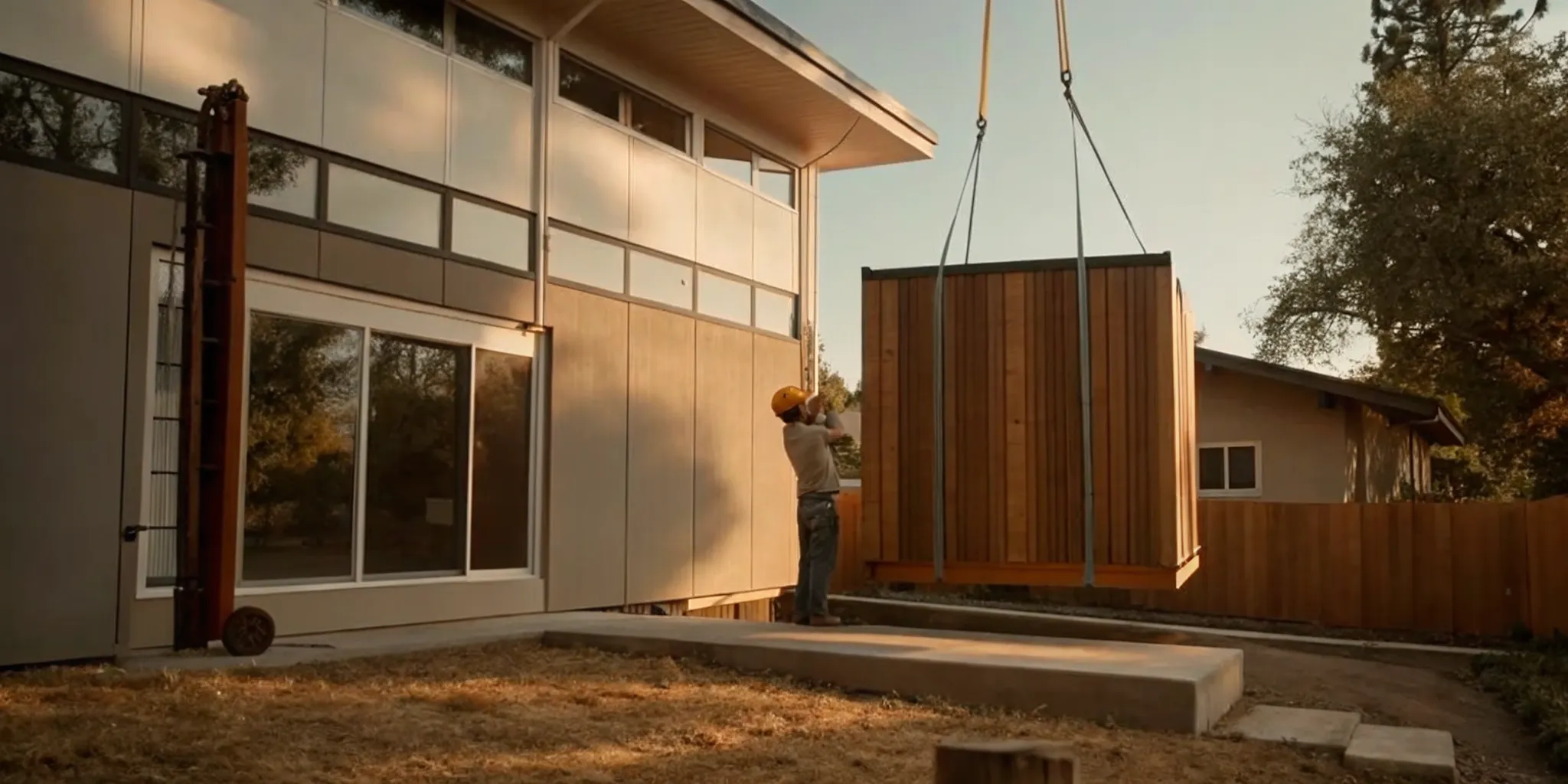
One of the first big decisions you'll make when planning your accessory dwelling unit (ADU) is whether to go with a prefabricated or a custom-built design. Prefab ADUs are constructed in a factory and then delivered to your property, while custom ADUs are designed and built from the ground up on-site. Each path has its own benefits and drawbacks when it comes to cost, timing, and design. Understanding these differences will help you choose the approach that best fits your budget, timeline, and vision for your new space. Let's break down what you can expect from each option.
Comparing the Costs
Cost is often the deciding factor for homeowners, and the difference between prefab and custom can be significant. Prefab ADUs generally have a more predictable and lower price point because the building process is standardized. In the Bay Area, a prefab unit might cost around $330 per square foot. For a custom-built ADU, however, costs can climb to $600 per square foot or even more, depending on the complexity and finishes you choose. This means a 700-square-foot custom ADU could potentially cost over $400,000. While prefab offers budget clarity, a custom build allows you to invest in specific features that are important to you, even if it comes at a premium.
Understanding the Timelines
If you're hoping to have your ADU ready as soon as possible, a prefab unit is almost always the faster option. Because the majority of construction happens in a factory, the on-site work is limited to preparing the foundation and installing the unit. This efficient process means some companies can deliver and install a prefab ADU in as little as six months, minimizing disruption to your daily life. A custom build, on the other hand, is a longer journey. The design phase, permitting, and on-site construction from scratch naturally extend the project timeline. Your dedicated Realm advisor can help you map out a realistic schedule based on the path you choose.
Weighing Design Flexibility and Quality
A common misconception is that prefab means you get a one-size-fits-all box. While custom builds offer limitless personalization, many prefab builders provide a wide range of high-quality designs, with some offering over 70 models to choose from. This gives you plenty of options for floor plans and finishes. However, if you have a very specific vision, need to match unique architectural details of your main house, or are working with a challenging lot, a custom ADU is the best way to get exactly what you want. Realm can connect you with vetted professionals who specialize in both prefab and custom projects, ensuring quality craftsmanship no matter which you choose.
How Permitting and Regulations Differ
No matter which type of ADU you build, you'll have to deal with local permits and regulations, which can vary widely between cities and counties. The process can feel overwhelming, with rules dictating everything from the unit's size to its placement on your property. Some prefab companies have an advantage here, as they are often experienced in permitting their standard models in specific areas, which can sometimes streamline the approval process. Ultimately, the key is working with a builder who has deep experience with your local zoning laws. This is where having an expert on your side makes all the difference, ensuring your project complies with all requirements from day one.
How to Vet Potential ADU Builders
Finding the right builder is the most critical decision you'll make for your ADU project. You're not just hiring a contractor; you're choosing a partner who will be responsible for a significant investment in your property. The right team makes the process feel manageable and exciting, while the wrong one can lead to budget overruns, delays, and endless stress. Taking the time to thoroughly vet your candidates is the best way to protect your investment and ensure your project is a success. Think of it as conducting a job interview where you are in complete control.
Verify Their Licensing and Insurance
Before you even talk about design or cost, your first step is to confirm credentials. A legitimate builder will have a valid contractor's license and carry both general liability and worker's compensation insurance. This isn't just red tape; it's your primary protection. The license shows they meet state requirements, while insurance protects you from liability for accidents on your property. You can easily verify a contractor's license online through the California Contractors State License Board. A professional will be happy to provide proof of their credentials, so don't be shy about asking. It’s a simple, non-negotiable step that weeds out unqualified operators from the start.
Confirm Their Bay Area Zoning Experience
The Bay Area is known for its complex and varied zoning regulations, which can differ from one city to the next. A builder who has successfully completed projects in San Jose might not know the specific rules for Berkeley. You need a partner who has direct experience with your local planning department. A contractor who "knows the local rules and permit process" can anticipate challenges and keep your project on track, saving you from frustrating and expensive delays. When interviewing potential builders, ask them to share examples of ADUs they’ve built in your specific city or county. Their familiarity with local requirements is a strong indicator of a smoother process ahead.
Look for a Full-Service Partner
An ADU project has a lot of moving parts, from architectural design and engineering to city permits and managing subcontractors. Choosing a full-service, or design-build, firm can simplify this complex process. These companies act as your single point of contact, handling all the "tricky parts like permits, city rules, and working with different contractors" under one roof. This integrated approach helps streamline communication, align your budget with your design, and reduce the risk of miscommunication between separate designers and builders. For homeowners, this means less stress and a clearer path from concept to completion. It’s a model that ensures one team is accountable for the entire project.
Check Reviews, References, and Warranties
Once a builder has passed the initial checks, it's time to dig into their reputation. Start by reading online reviews, but don't stop there. Ask each finalist for a list of references from recent ADU projects, and actually call them. Ask past clients about their experience with the builder's communication, budget management, and final quality of work. You should also confirm that the builder offers a warranty for their construction. A solid warranty is a sign that a builder is confident in their craftsmanship and is committed to standing by their work long after they’ve packed up their tools. This gives you peace of mind that your new ADU is built to last.
What Does an ADU Cost in the Bay Area?
Let's talk about the number one question on every homeowner's mind: what will this actually cost? Building an ADU in the Bay Area is a significant investment, and the final price tag can vary widely. The key is to understand where your money is going and what factors have the biggest impact on the bottom line. With a clear picture of the costs, you can create a realistic budget and plan a project that meets your financial and personal goals. Having an expert advisor on your side can make all the difference in keeping your project on track from the start.
Breaking Down Prefab vs. Custom Pricing
Your first major decision point is choosing between a prefab and a custom-built ADU, and this choice heavily influences the cost. A study of Northern California found the average price for an ADU is around $177,500, which breaks down to about $329 per square foot. This figure often reflects the cost of prefab ADUs, which are built off-site in a factory and then installed on your property. On the other hand, a fully custom-built ADU, designed from scratch to your exact specifications, can easily cost $500,000 or more. Prefab offers more cost certainty, while custom provides ultimate personalization.
Factors That Influence Your Final Cost
Beyond the prefab versus custom debate, several other variables will shape your final budget. The size of the unit is a primary driver; some estimates put high-end construction costs at around $600 per square foot, meaning a 700-square-foot ADU could approach $420,000. The city you live in also matters, as permit fees and local requirements differ across the Bay Area. Don't forget to account for site-specific conditions, like a sloped lot or difficult utility connections, which can add to your costs. Finally, your choice of finishes, from flooring to appliances, will also play a big role in the final number.
How to Compare Quotes and Protect Your Budget
It’s wise to assume your project might cost more than the initial estimate, so building a 10-15% contingency fund into your budget is a smart move. When you start getting quotes from builders, make sure you’re comparing apples to apples by ensuring each bid includes the same scope of work. One great strategy is to hire a designer first. A good designer can help you refine your vision and then assist you in finding the right general contractor for the job. This approach gives you a professional advocate who can help you vet bids and protect your budget throughout the entire process.
Key Questions to Ask Before You Hire
Choosing a builder is the biggest decision you’ll make for your ADU project. The right partner can make the process smooth and successful, while the wrong one can lead to headaches and budget overruns. To make sure you’re partnering with a true professional, it’s important to go into your initial conversations prepared. Having a list of specific questions will help you vet potential builders thoroughly and compare them on the factors that matter most. Think of it as an interview where you’re hiring for a very important job. These questions will help you find the best fit for your project.
How many ADUs have you built in the Bay Area?
This question is about more than just a number; it’s about specific, local experience. The Bay Area has a unique combination of seismic requirements, soil conditions, and diverse city regulations. A builder who has completed dozens of ADUs from San Jose to Oakland will have a deep understanding of these local nuances. They’ll know how to anticipate challenges specific to the region and will have established relationships with local suppliers and subcontractors. A long track record demonstrates stability and a commitment to building in this market, which is a great sign for any homeowner.
How do you handle permitting and local zoning compliance?
Navigating the web of permits and zoning laws in the Bay Area can feel like a full-time job. Each city has its own set of rules, and they can change frequently. A great builder will handle this entire process for you. Ask them to walk you through their approach. Do they have an in-house expert or a trusted partner who manages permitting? How do they stay updated on changes to local ordinances? Finding a builder who confidently takes on this responsibility is a huge relief. Having expert guidance on compliance ensures your project starts on the right foot and avoids costly delays or legal issues down the road.
What does your timeline look like, and how do you manage delays?
Every construction project has a timeline, but not all timelines are realistic. Ask for a detailed project schedule that outlines each phase, from site prep to the final walkthrough. More importantly, ask how they handle the inevitable surprises. What is their process if materials are delayed or an unexpected site issue arises? A professional builder won’t just promise a fast timeline; they will have a clear communication plan for managing delays. They should be able to explain how they’ll keep you informed and what steps they take to get the project back on track, showing they are prepared and transparent.
What's included in your pricing, and what could change the final cost?
A price quote is just a number until you understand exactly what it includes. Ask for a detailed, itemized breakdown of all costs. Does the price cover design, permits, site work, and finishes, or are there separate charges? It’s also crucial to discuss potential overages. Ask what common factors might cause the final cost to increase, such as significant site challenges or your material selections. A trustworthy builder will be upfront about these possibilities and can help you protect your budget by explaining what’s fixed and what’s variable, so you can plan accordingly and avoid sticker shock later.
How will you keep me informed throughout the process?
Clear and consistent communication is the foundation of a good client-builder relationship. You should feel confident that you’ll know what’s happening with your project at every stage. Ask about their primary method of communication. Do they use a project management portal, send weekly email updates, or schedule regular site meetings? You should also know who your main point of contact will be. Knowing you have a go-to person to answer your questions provides incredible peace of mind. This is why having a dedicated advisor can transform the renovation experience from stressful to streamlined.
Related Articles
- Find a General Contractor Bay Area: The Complete Guide
- How to Get an ADU Approved: A Step-by-Step Guide
- How Long Does an ADU Permit Take? A County-by-County Guide for Bay Area Homeowners
- The 500 Sqft Threshold: Why It's the Most Popular ADU Size in California
- The Real Cost to Build an ADU in San Diego
Frequently Asked Questions
I’m just starting to think about an ADU. What is the very first thing I should do? Before you fall in love with a specific design or builder, your first step should be to understand what’s possible on your property. This involves a bit of homework on your local zoning rules and a realistic look at your budget. You need to know your city’s requirements for setbacks, size limits, and parking. A feasibility study can give you a clear picture of your options. This initial planning phase is crucial because it sets the foundation for every other decision, ensuring you start your project with a practical and achievable plan.
Can I still personalize a prefab ADU, or am I stuck with a standard model? This is a common concern, but you definitely have options. While you can’t change the core structure of a prefab ADU, most builders offer a variety of models and floor plans to start with. From there, you can typically select your own finishes, such as flooring, countertops, paint colors, and fixtures. Think of it like customizing a new car; you choose the model and then select the interior package and color. If you have a very specific architectural vision or a tricky lot, a custom build might be better, but prefab offers a great balance of quality design and personalization for many homeowners.
How can I prevent my ADU budget from getting out of control? The best way to protect your budget is through careful planning and clear communication. Start by building a 10 to 15 percent contingency fund into your total budget for any surprises. When you get quotes from builders, insist on a detailed, itemized list of what’s included so you can compare them accurately. Having a professional on your side, like a designer or a dedicated project advisor, can also be a huge help. They can review bids, spot potential hidden costs, and advocate for you throughout the construction process.
What’s the real difference between a general contractor and a full-service design-build firm? A general contractor is hired to execute a set of plans that you provide. They manage the construction itself, but you are responsible for hiring an architect or designer first. A design-build firm, on the other hand, handles the entire project from start to finish. They have designers, engineers, and builders all on one team. This integrated approach means you have a single point of contact and accountability, which often streamlines the process, reduces miscommunication, and helps keep the project aligned with your budget from the very beginning.
How much of my own time will I need to commit to an ADU project? Your time commitment really depends on the type of builder you hire. If you act as your own project manager and hire separate architects and contractors, you should be prepared to dedicate a significant amount of time to coordinating everything. However, if you partner with a full-service design-build firm or use a service that provides a dedicated advisor, your role becomes much more focused. You’ll still make all the key decisions on design and finishes, but you won’t have to manage the day-to-day logistics, permit paperwork, or contractor schedules. This allows you to enjoy the creative parts of the process without the stress of the administrative work.