Sustainable Home Renovation: Your Eco-Friendly Remodeling Guide
Get started on your sustainable home renovation. Eco-friendly upgrades cut energy costs, boost home value, and qualify for significant tax credits in CA and WA.
|
July 14, 2026

In this article:
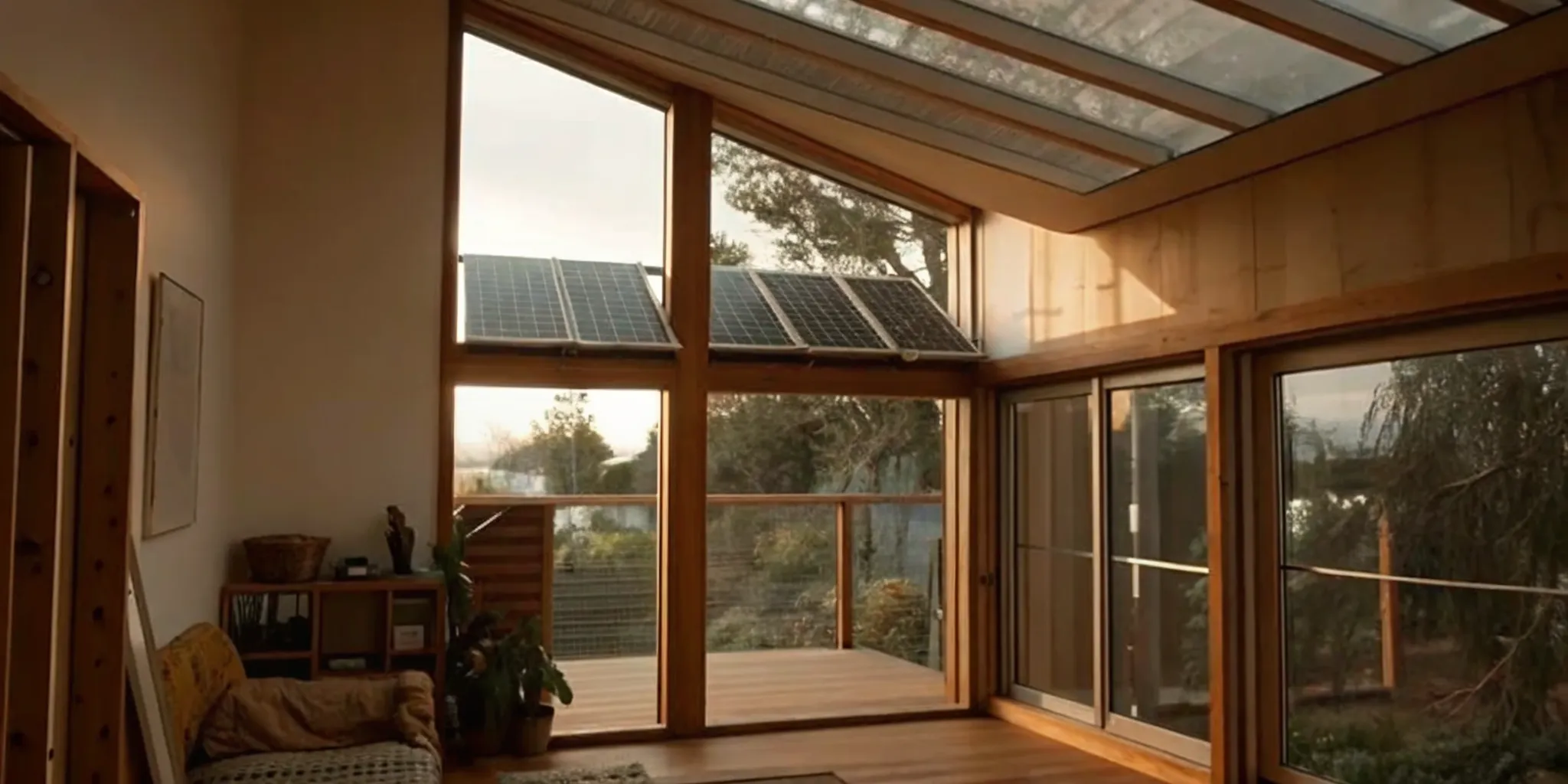
Planning a sustainable home renovation means choosing materials and systems that lower your environmental impact while cutting monthly utility bills. For homeowners in California, Washington, and across the Pacific Northwest, green remodeling delivers measurable returns: energy-efficient windows reduce heating costs by up to 15%. And the federal solar tax credit covers 30% of installation costs through 2032. Whether you are updating a kitchen, adding an ADU, or planning a whole-home remodel, a sustainable approach protects both the planet and your budget.
Get started on your sustainable home renovation with Realm Living , our expert advisors guide you through every decision, from material selection to contractor vetting.
Sustainable home renovation combines energy-efficient systems, low-impact materials, and smart water conservation to reduce a home's environmental footprint while lowering operating costs. Key upgrades include improved insulation, solar panels, low-flow fixtures, and non-toxic finishes. These improvements qualify for federal tax credits and state rebates, making green remodeling more affordable than ever for homeowners in CA, WA, and beyond.
Eco-friendly upgrades boost property value, reduce utility bills, and create healthier indoor spaces. Below we explore the specific steps, costs, and incentives that make sustainable home renovation a smart long-term investment.
Why Does Sustainable Home Renovation Matter?
Summary: A sustainable home renovation lowers energy and water costs, increases resale value, and improves indoor air quality. Green-certified homes sell faster and at a premium compared to standard homes.
Choosing a sustainable home renovation is more than just an eco-friendly trend. It is a smart way to build a home that is better for the planet and your bank account. By focusing on green building, you can lower your monthly bills and increase the long-term value of your property. This approach helps you create a home that is both modern and efficient.
Save Money on Energy and Water
The most direct benefit of an eco-friendly remodel is lower utility costs. A well-insulated home can reduce heating and cooling costs by up to 30% by stopping air leaks. Simple changes like LED lights use about 90% less energy and save the average home $225 per year, according to EcoWatch. These small upgrades add up to big savings over time.
Increase Your Property Value
Sustainable homes are in high demand among today's buyers. Studies from Zillow show that green-certified homes often sell faster and for more money than standard houses. Investing in a sustainable home renovation makes your property stand out in a competitive housing market. Buyers value the lower operating costs and high-quality materials that come with green building.
Protect Your Health and Comfort
A green remodel also improves how it feels to live in your home. Using low-VOC paints and natural materials helps clear the air of harsh chemicals. This leads to better indoor air quality and a safer space for your family. Better insulation and energy-efficient windows also keep your home at a steady temperature all year long. You will feel more comfortable in every room, no matter the weather outside.
How to Plan an Eco-Friendly Renovation
Summary: Start with a home energy audit to identify air leaks and inefficiencies. Set clear sustainability goals, and partner with experienced renovation advisors who can guide material and contractor selection.
Planning a sustainable home renovation needs a clear path from the start. You must look at how your home uses power and water before you pick new paint or tiles. Most people find that early choices have the biggest impact on long-term savings. By setting goals first, you ensure your project helps the planet and your wallet.
Start With an Expert Audit
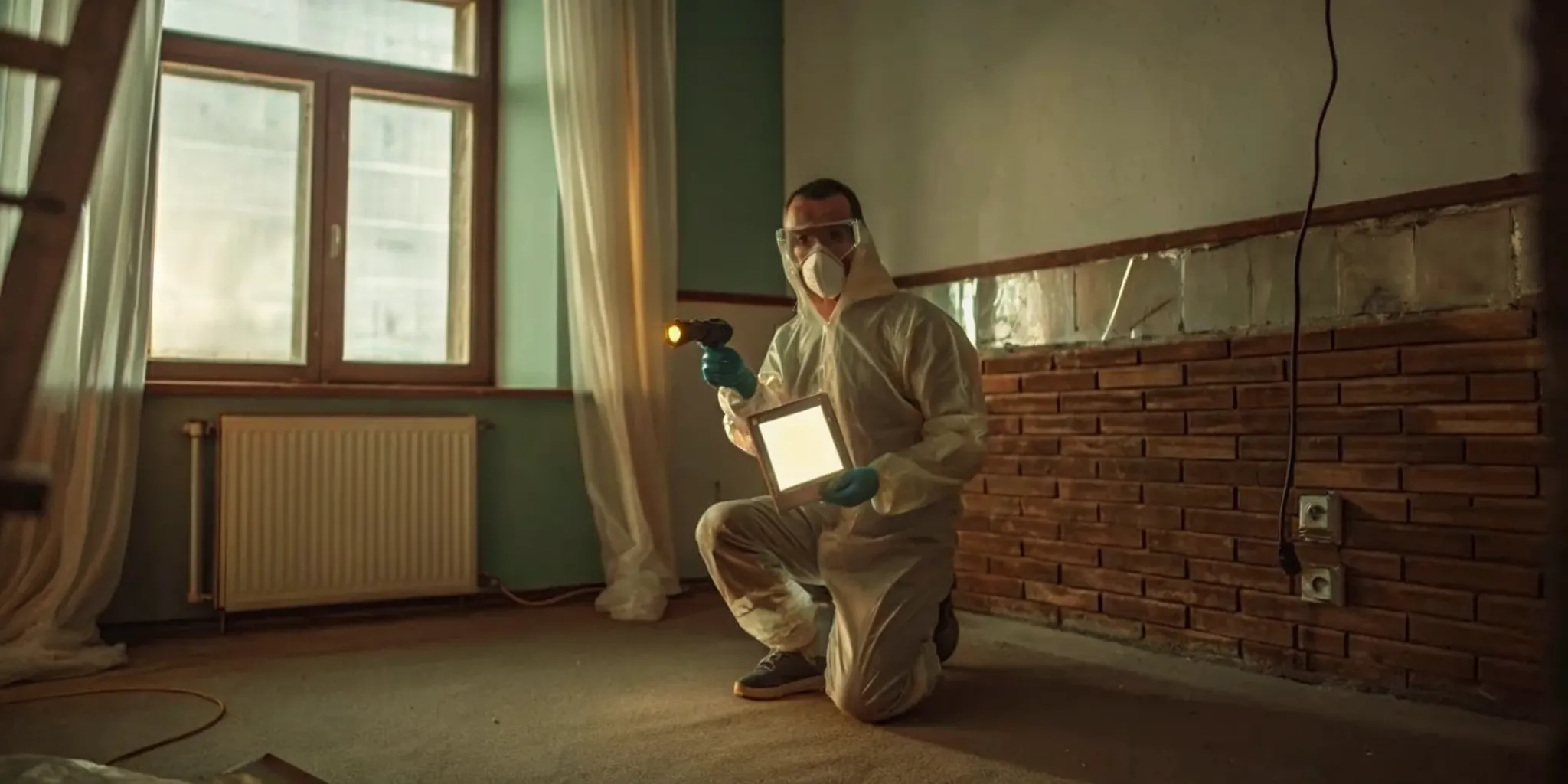
A home energy audit is the best first step for any green project. This check finds where your home loses heat or has air leaks. It shows you which systems are old and waste power. The U.S. Department of Energy suggests this review to help you pick the right upgrades for your climate. Knowing how your home works now allows you to spend your budget where it counts.
Once you have your results, you can see if you need better insulation or new windows. This data helps you rank your tasks. You should always fix air leaks before you add green features like solar panels. This method makes sure your new systems do not work too hard to keep you comfortable.
Set Your Green Goals
Define what green means for your own project. Some people want to cut their carbon footprint, while others want to lower monthly bills. You might focus on non-toxic materials to improve the air in your home. Or you could aim to reach net-zero energy use. Having clear goals helps you stay on track when you have to make hard choices about costs.
Think about how long the products you buy will last. Look for items that take little energy to make or use recycled parts. You can find many options that come from local shops to save on shipping. Using a comprehensive home renovation planning guide helps you see the big picture and shows how each choice affects the rest of your home.
Partner With Expert Advisors
You do not have to plan a green remodel on your own. Realm Living has served over 4,000 homeowners and managed more than $900 million in project value. Advisors with over 2,000 hours of experience guide you through the hard choices of a modern build. They help you find the best ways to save energy and water. Having an expert on your side saves you time and reduces stress.
Realm Living also has the largest database of real-world renovation bids in the country. This tool gives you accurate costs for eco-friendly work. This often leads to 10 to 25% cost savings for your project. You can leverage this data to create a renovation budget that fits your needs, with help finding vetted contractors who have a track record of success.
Steps to Build Your Plan
Following a set of steps will keep your project on track. Use this order to move from a basic idea to a full build.
- Get a home energy audit to find where you waste power and heat.
- Set clear goals for energy use, water savings, and air quality.
- Talk to an advisor to pick materials and systems that meet your needs.
- Create a detailed budget using real bid data from past green projects.
- Select a vetted contractor who has experience with sustainable home renovation.
- Review your plan to make sure every choice supports your long-term goals.
Which Energy-Efficient Upgrades Deliver Real ROI?
Summary: Air sealing, high-performance windows, smart thermostats, and modern HVAC systems return 10-30% annual energy savings. Federal tax credits cover up to 30% of solar and heat pump costs, accelerating the payback period.
Making your home more efficient is a core part of any sustainable home renovation. These upgrades do more than just help the planet. They also cut your monthly costs and can raise your home's resale value. In fact, homes with green labels often sell faster and for higher prices than homes without them, according to Zillow.
Seal the Envelope With Better Insulation
The best way to start is by sealing your home. A house that is well-sealed keeps air from leaking out, reducing the strain on your heating and cooling systems. Improving your insulation in the attic, walls, and floors can lower your energy bills by as much as 30%, according to experts at Sweeten. You can choose eco-friendly materials like recycled denim, sheep wool, or cellulose made from old paper. These options are safe for your family and easy on the earth.
Upgrade to High-Performance Windows
Windows are another key area where homes lose energy. Old, single-pane windows let heat in during the summer and out during the winter. You should look for double or triple-pane windows with Low-E coatings. These coatings reflect heat while letting in natural light. Switching to energy-efficient windows can save you between 7 and 15% on your annual energy costs, according to Energy Star.
Install Efficient HVAC and Smart Controls
Heating and cooling use the most energy in most homes. Modern heat pumps are two to three times more efficient than standard systems. Before you buy, learn the key things to know about HVAC systems to find the best fit. You can also add a smart thermostat to manage your home's climate. These devices can cut your heating and cooling costs by 10 to 15% each year, according to the EPA. Swapping to LED lights uses 90% less power and can save you about $225 per year, according to EcoWatch.
Use Tax Credits to Lower Your Costs
The cost of these upgrades is lower now thanks to new legislation. The Inflation Reduction Act provides tax credits for many green projects. You can get a credit of up to 30% for solar panels or up to $2,000 for a new heat pump, according to the IRS. These credits make a sustainable home renovation much more affordable and help you get a faster return on your investment.
What Sustainable Materials Work Best for an Eco-Friendly Remodel?
Summary: Bamboo, reclaimed wood, recycled glass, low-VOC paint, and paper-based composites offer durable, low-impact alternatives to traditional building materials. Local sourcing further reduces the carbon footprint of your project.
Choosing the right parts is a big step in any sustainable home remodel. The items you pick for your floors, walls, and counters change how your home looks and how it helps the earth. Many green options offer high value and last a long time.
Renewable and Reused Flooring Options
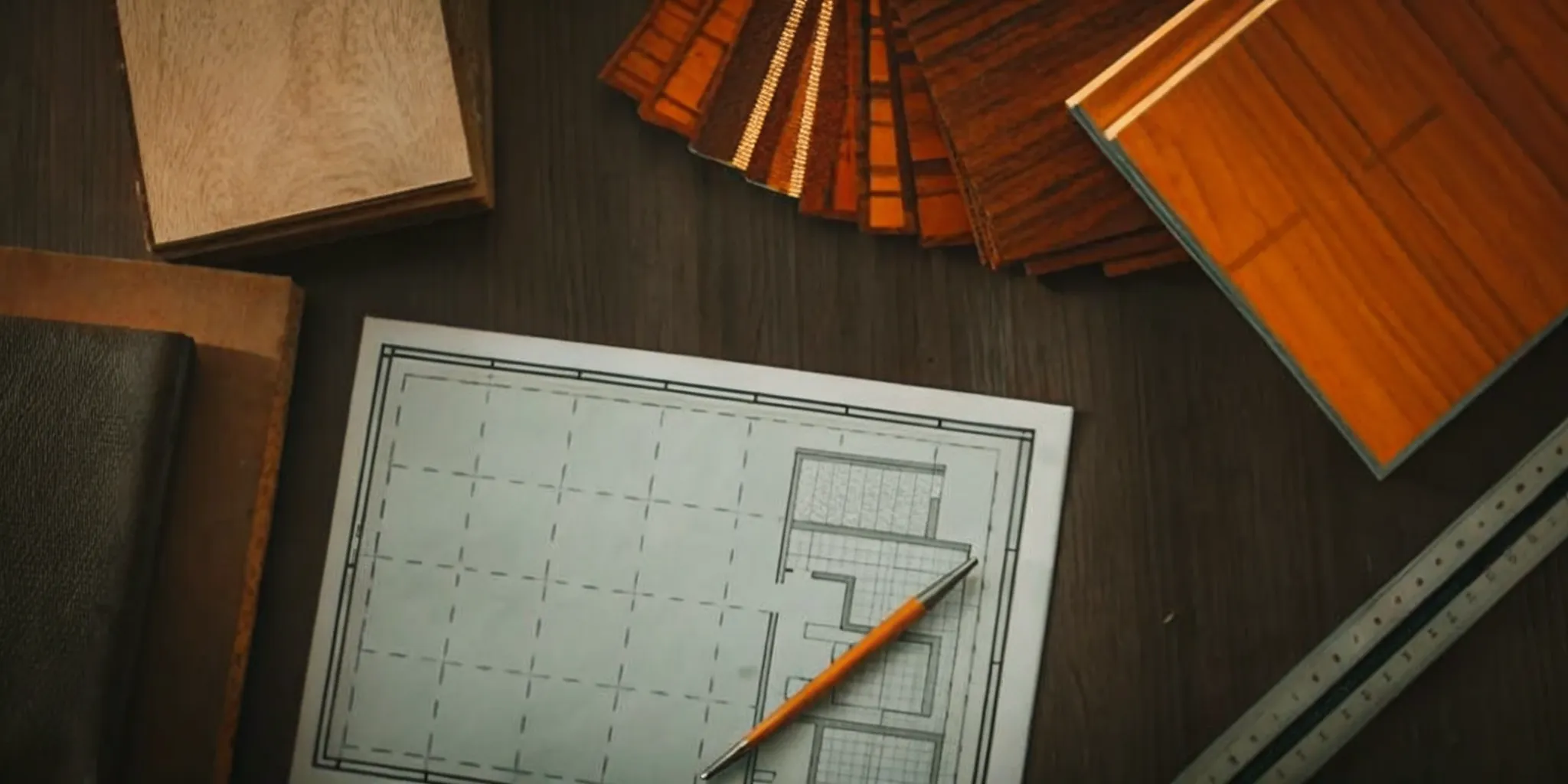
Bamboo is a great pick for green floors. It grows back fast, reaching full size in three to five years. In contrast, old hardwood trees can take 20 years or more to reach maturity. Bamboo is strong and looks clean in a modern home. It is a smart way to get the look of wood without waiting decades for trees to grow back.
You can also find carpets made from recycled plastic bottles. These floors turn waste into something new and soft. They work well in bedrooms and play areas. If you are planning to add more rooms, explore our guide to home additions for more tips.
Low-Impact Counters and Surfaces
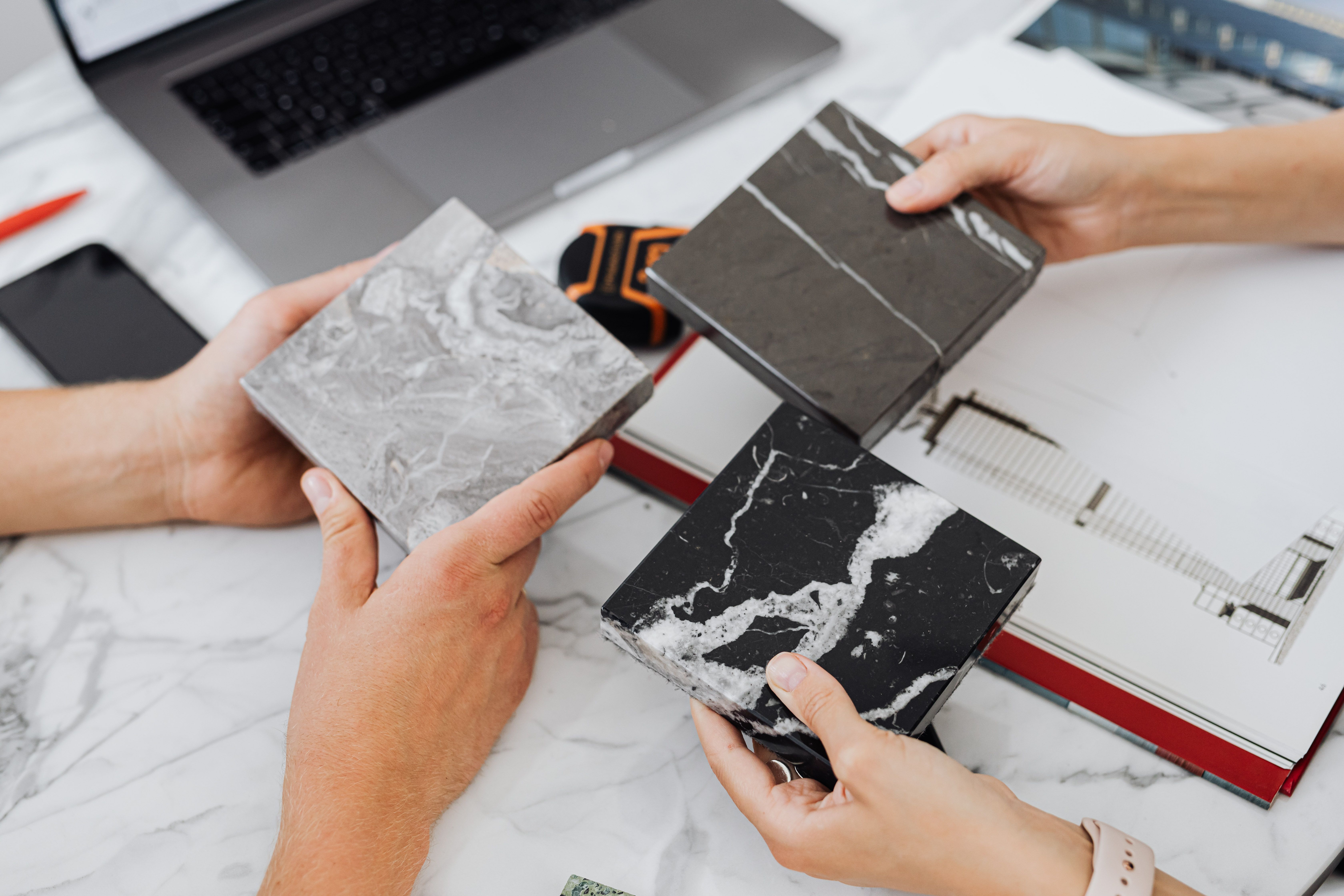
Your kitchen can be both green and stylish. Reclaimed wood is a popular choice for counters and beams. It adds a unique look that new wood cannot match. Using old wood also costs less than buying new high-end timber. Recycled glass counters use small bits of glass in a tough base. They are hard to scratch and easy to clean. Paper-based counters like PaperStone are made from waste paper and last for years.
Healthier Finishes and Local Sourcing
The paint on your walls matters for your health. Low-VOC and zero-VOC paints are better for the air in your home. VOCs are gases that can leak out of paint for a long time and may cause health issues. Choosing safe paint helps your family breathe easier.
Try to buy parts for your home from local sources. This cuts down on transport emissions and supports local businesses. A green home also saves water. The EPA WaterSense program says low-flow shower heads can reduce water use by up to 50%. Using local goods and smart fixtures makes your whole project better for the environment.
| Material | Green Impact | Best Use | Cost Level |
|---|---|---|---|
| Bamboo | Grows back in 5 years | Floors and trim | Medium |
| Reclaimed Wood | Uses old timber, reduces waste | Beams and counters | Low to High |
| Recycled Glass | Keeps glass out of landfills | Kitchen counters | High |
| Low-VOC Paint | Improves indoor air quality | Walls and ceilings | Low |
| Recycled Paper | Uses waste paper | Counters and desks | Medium |
Water Conservation and Eco-Friendly Landscaping
Summary: Low-flow fixtures, dual-flush toilets, and tankless water heaters reduce indoor water use by 30-60%. Native landscaping cuts outdoor water consumption by 50-75% while supporting local ecosystems.
Reducing water use is a key part of any sustainable home renovation. Many people focus on energy, but water is just as vital for a green home. Smart choices in your kitchen, baths, and yard can lower your monthly bills. These steps also help protect local water sources in cities like San Diego and Seattle.
Efficient Indoor Water Solutions
Modern homes can save a lot of water with new technology. Low-flow faucets and showerheads are an easy win for any bathroom remodel. These fixtures can reduce water use by 30-50% while providing good flow. This saves money on your water bills and helps the environment.
Toilets are another area where you can find large savings. Dual-flush models allow you to select the amount of water needed for each flush. These units use 20-60% less water than older styles. Tankless water heaters are 24-34% more energy-efficient than standard tanks. They heat water only when you turn on the tap, eliminating standby energy loss.
Outdoor Water Savings With Native Plants
Your yard often uses the most water of any part of your home. Most lawns need constant watering to stay green in the summer. You can change this by using native plants that grew in your area long before homes were built. They are adapted to local rainfall and soil, needing very little extra water once established.
Native landscaping can cut outdoor water use by 50-75% for most homes. This creates a hardy yard that looks great and supports local birds and pollinators. Adding mulch around plants keeps the soil moist and prevents evaporation in direct sun.
Advanced Systems for Water Control
For even more savings, consider rainwater harvesting. This system captures rain from your roof and stores it in large tanks for garden use or car washing. Smart irrigation controllers check the weather and skip watering when rain is forecast, preventing wasteful overwatering.
Navigating Costs and Incentives for Eco-Friendly Upgrades
Summary: Federal tax credits (30% solar, up to $2,000 heat pump), state rebates, and utility programs stack to reduce net project costs. Realm Living's advisor model adds 10-25% savings through competitive bidding and expert guidance.
High upfront costs often stop homeowners from starting a sustainable home renovation. But new federal tax credits and local rebates now make these projects much more affordable. By using these incentives, you can lower your total project cost while building a home that is better for the planet.
Federal and State Tax Incentives
The Inflation Reduction Act offers significant savings for green home projects. Homeowners can get a 30% federal tax credit for solar panel installations through 2032. You can also claim up to $2,000 for high-efficiency heat pumps. Other credits apply to new windows, doors, and insulation that prevent heat loss.
Many states and local power companies offer additional rebates for energy-efficient choices. These state and utility rebates often stack with federal credits to reduce your costs further. Researching all available programs is key to making a large renovation fit your budget.
Saving Money With the Advisor Model
Working with Realm Living helps you find every way to save. Realm Living gives homeowners 10-25% cost savings compared to traditional renovation paths. Advisors use a large database of real-world bids to find the best prices for your specific needs. They guide you through the complex rules of tax credits so you do not miss any savings.
A dedicated advisor saves you more than just money. They also save you over 40 hours of work by vetting contractors and checking project plans. This expert help ensures your sustainable home renovation stays on track and meets all local standards. You get a two-year warranty on the work, which is twice the industry standard for peace of mind.
Long-Term Value of Green Homes
Eco-friendly upgrades pay for themselves over time through lower monthly bills. A well-insulated home can cut heating and cooling costs by up to 30%. These savings add up year after year, making the initial cost much easier to manage. Sustainable homes also tend to be worth more when it is time to sell.
Data shows that green-certified homes often sell faster and at a higher price than standard houses. Buyers today look for energy efficiency and low utility costs. By choosing sustainable options now, you protect the future value of your largest asset while enjoying a better living space today.
Planning Your Sustainable Renovation With Realm Living
Summary: Realm Living's expert renovation advisors, real-world bid database, and vetted contractor network simplify the sustainable remodeling process from planning through completion. The service covers kitchens, bathrooms, ADUs, additions, and whole-home remodels.
Planning a sustainable home renovation often feels like a big job. You must pick green materials and find ways to save energy. Realm Living makes this easier by offering full-service support for your project. They help homeowners in cities like Los Angeles, San Diego, the San Francisco Bay Area, Sacramento, and Seattle. To date, they have served over 4,000 homeowners and managed more than $900 million in project value.
Expert Renovation Advisors
When you start with Realm Living, you get an expert renovation advisor. These professionals have more than 2,000 hours of experience each. They help you define your green goals and match them with the right materials and contractors. An advisor handles the complex parts of your project so you can focus on your vision and budget.
Realm Living uses technology to create a personalized project dashboard. You can see cost comparisons, track timelines, and communicate with your team in one place. This transparency helps you stay informed without being overwhelmed by details.
Vetted Contractor Network
Finding the right contractor is one of the hardest parts of any remodel. Realm Living pre-vets every contractor in its network. Each professional is licensed, insured, and evaluated on past performance. This means you get reliable builders who have experience with sustainable methods and materials.
Using a vetted network protects you from common renovation problems. You avoid unlicensed workers, incomplete bids, and scheduling conflicts. Realm Living's team monitors project milestones and steps in if any issue arises. This oversight ensures your sustainable home renovation stays on schedule and on budget.
Data-Driven Cost Accuracy
One of the biggest advantages of working with Realm Living is access to real-world bid data. With the largest database of renovation costs in the country, Realm Living provides accurate estimates for eco-friendly work in your area. This data helps you plan with confidence and avoids the surprise costs that often derail green projects.
Frequently Asked Questions
What is the most cost-effective sustainable home renovation upgrade?
Air sealing and insulation improvements consistently deliver the highest ROI. Reducing air leaks can lower heating and cooling costs by up to 30%, and the materials are relatively inexpensive compared to major system replacements. Most homeowners recoup the cost within two to three years through lower utility bills.
How much does a sustainable home renovation cost compared to a standard remodel?
Green upgrades typically add 5-15% to upfront costs, but the long-term savings from reduced energy and water bills often offset this premium within three to seven years. When federal tax credits and utility rebates are considered, many sustainable renovations cost less than standard remodels over their lifecycle.
Can I get tax credits for a sustainable home renovation in 2026?
Yes. The Inflation Reduction Act offers tax credits through 2032, including 30% for solar panel installation and up to $2,000 for heat pumps. Additional state and utility rebates are available in California, Washington, and most other states. These incentives can reduce your net project cost by thousands of dollars.
How do I find a contractor who specializes in eco-friendly remodeling?
Look for contractors with green building certifications like LEED, NGBS, or Energy Star accreditation. Realm Living's network includes vetted professionals with proven experience in sustainable methods. Interview multiple candidates and ask about their experience with specific green materials, energy code compliance, and past eco-friendly projects.
What are the best sustainable materials for a kitchen remodel?
Bamboo or reclaimed wood flooring, recycled glass countertops, low-VOC cabinetry, and Energy Star-rated appliances form a strong foundation for a green kitchen. These materials are durable, reduce environmental impact, and create a healthy indoor environment for cooking and family living.
Ready to Start Your Sustainable Home Renovation?
A sustainable home renovation is one of the smartest investments you can make in your property and your quality of life. With federal tax credits, state rebates, and expert guidance from Realm Living, going green has never been more accessible. Whether you are planning a kitchen update, a bathroom remodel, or a whole-home transformation, the right plan makes all the difference.
Schedule your free consultation with Realm Living today and take the first step toward a home that is healthier, more efficient, and built to last.