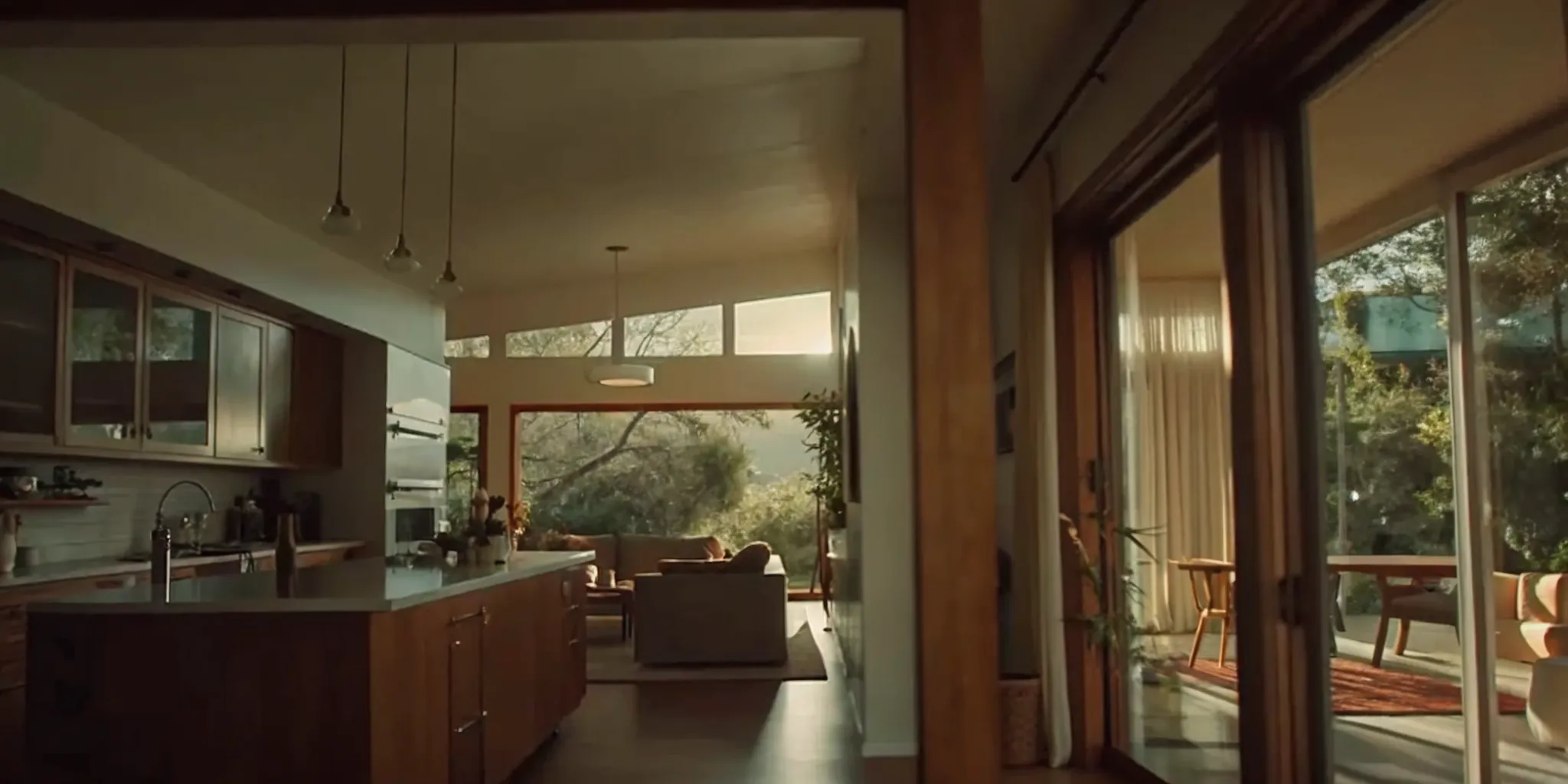
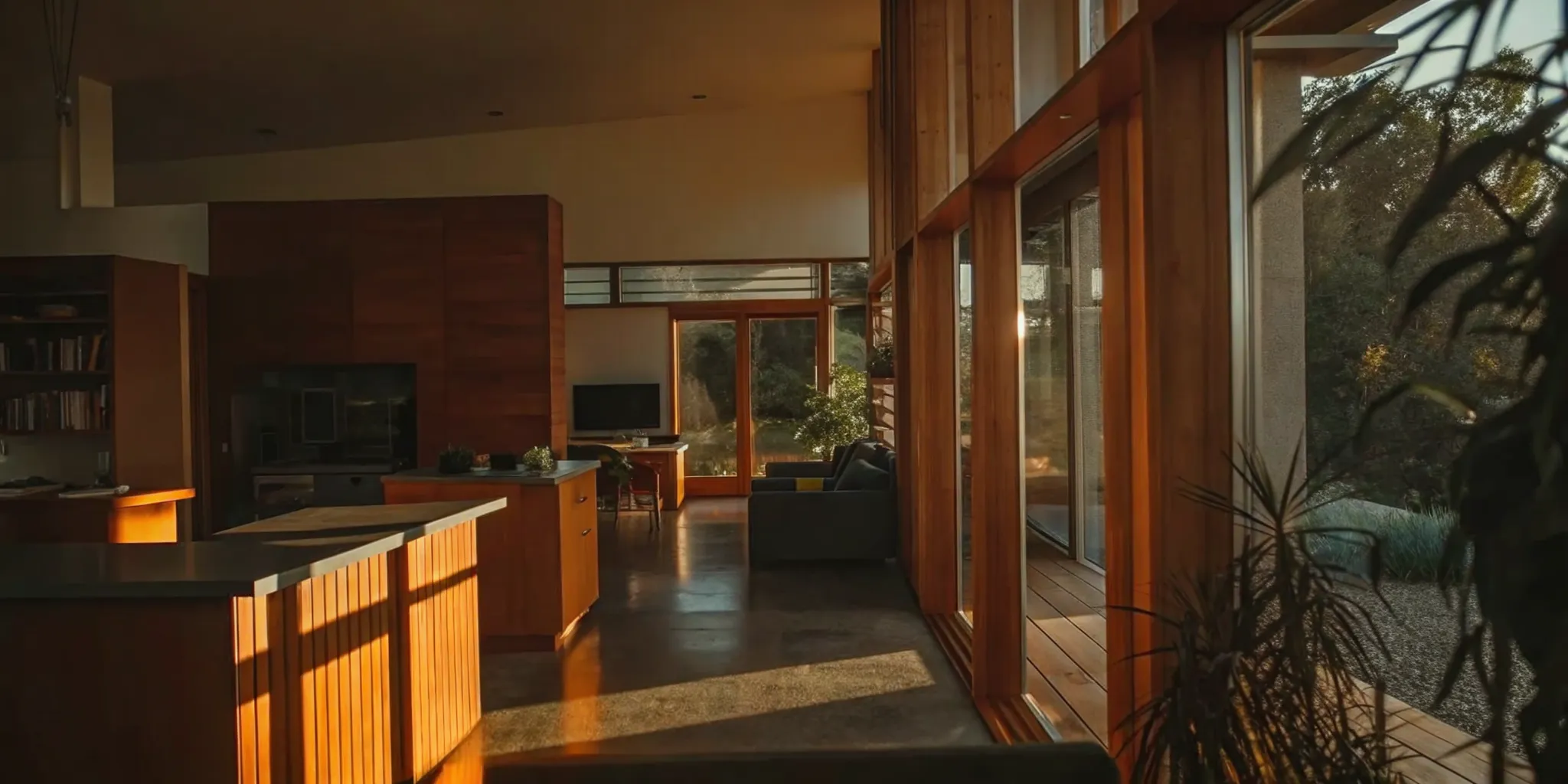
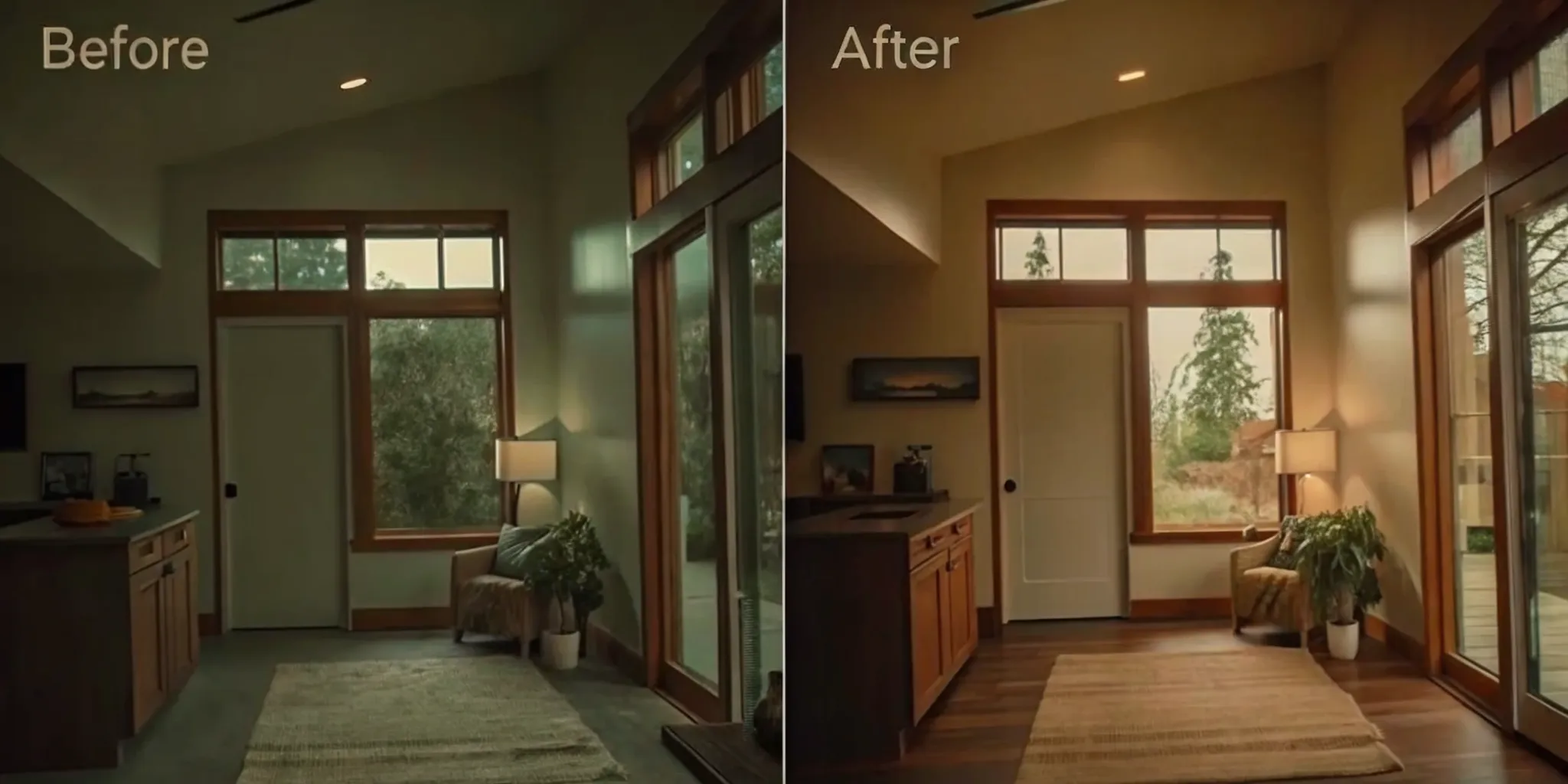
16 Attic Bedroom Ideas for Adults to Maximize Space
Get inspired with attic bedroom ideas for adults that maximize space, style, and comfort. Find smart tips for storage, lighting, and cozy design solutions.
|
June 4, 2026

In this article:
The unique architecture of an attic, with its sloped ceilings and cozy nooks, is what gives it so much potential charm. Instead of fighting against these quirky features, the best designs embrace them. A low wall becomes the perfect spot for a built-in reading nook, and an angled ceiling is an opportunity for a stunning skylight. The key is to work with the room's character to create a space that feels both unique and purposeful. If you’re looking for ways to turn those architectural challenges into your greatest assets, these attic bedroom ideas for adults will provide the inspiration you need to create a stylish, functional, and truly one-of-a-kind retreat.
Key Takeaways
- Work with your attic's unique shape: Instead of fighting against sloped ceilings and awkward corners, use them to your advantage. Thoughtful design choices, like custom built-ins and zoned layouts, transform these challenges into the charming, functional features that make an attic bedroom so special.
- Create the illusion of space with light and layout: Make your attic feel bright and open by maximizing natural light with skylights and using a light color palette. Pair this with low-profile, multi-use furniture and a layered lighting plan to keep the room feeling spacious and cozy.
- Get creative with storage and style: Solve the attic storage puzzle with clever solutions like knee-wall built-ins and furniture designed for angles. Then, tie everything together by choosing a design style, like modern minimalist or rustic charm, that turns the finished room into your own personal retreat.
Is an Attic Bedroom Conversion a Good Idea?
If you've been staring at your ceiling wondering what to do with the space above, you’re onto something big. Converting your attic into a bedroom is one of the smartest ways to expand your home’s footprint without the cost and complexity of a full-blown addition. It’s more than just adding a room; it’s about creating a unique space that serves your lifestyle while making a significant financial investment in your property. A well-planned attic conversion can transform an often-neglected area into one of the most cherished spots in your home.
Discover the perks beyond extra square footage
Attics have a natural charm that makes them perfect for a private retreat. Tucked away from the main household hustle, an attic bedroom offers a sense of seclusion and personality that’s hard to replicate. Those sloped ceilings and quirky nooks aren’t obstacles; they’re architectural features that invite creativity. You can lean into the cozy angles to create a snug reading corner or position a bed under a new skylight for a bit of stargazing. This is your chance to design a space that’s entirely your own, turning an empty upper level into one of the most expressive bedrooms in the house. It’s the perfect spot for a guest suite, a teenager’s haven, or your personal sanctuary.
How an attic conversion adds value to your home
Beyond the personal enjoyment, an attic bedroom is a solid investment. Adding a legal bedroom and bathroom can significantly increase your home's market value because you're adding valuable, livable square footage. Potential buyers see a fourth bedroom or a dedicated guest suite as a major plus. The key is to do it right. A thoughtfully designed conversion that feels integrated with the rest of the home will always provide a better return. With the right plan, you can turn design challenges like low ceilings and limited light into unique strengths. Getting expert guidance ensures your project meets building codes and maximizes its potential, making it a valuable addition for years to come.
How to Maximize Space in Your Attic Bedroom
Attic bedrooms have a unique charm, but their sloped ceilings and awkward corners can make them feel cramped. The secret to creating a spacious and functional attic retreat isn't about fighting the architecture; it's about working with it. With a bit of strategic planning, you can transform those quirky features into your room's greatest assets. From clever furniture choices to custom built-ins, every decision can help you make the most of your square footage. Let's look at a few ways to design an attic bedroom that feels open, airy, and perfectly suited to your needs.
Embrace the sloped ceilings
Sloped ceilings are the defining feature of an attic, so why not make them the star of the show? Instead of seeing them as a limitation, view them as a built-in opportunity for character. Dormer windows are a fantastic way to break up a long slope, bringing in natural light and creating charming spots for a window seat or a small desk. You can also design custom storage, like bookshelves and cabinets, that fit perfectly into the angled walls. This not only provides much-needed storage but also makes the room feel intentional and thoughtfully designed, turning an awkward angle into a beautiful focal point.
Select low-profile, multi-use furniture
When dealing with low or slanted ceilings, your furniture choices are key. Opt for low-profile pieces, like platform beds or sleek, modern dressers, to create the illusion of more height. This simple switch can make the entire room feel more open and less crowded. It's also the perfect opportunity to get creative with multi-functional furniture. Think of a bed frame with built-in drawers for clothes and linens, an ottoman that doubles as a coffee table and storage chest, or a floating desk that saves floor space. Every piece that serves more than one purpose helps you reduce clutter and maintain a sense of spaciousness.
Use vertical shelving and storage
Even with sloped ceilings, you can still take advantage of vertical space. The trick is to be strategic. Knee walls, the short walls that sit under the lowest part of a sloped roof, are prime real estate for built-in drawers or cabinets. This turns what is often dead space into functional storage without encroaching on your living area. You can also find wardrobes and shelving units specifically designed to fit into angled nooks. By building storage into the walls and using every available inch, you keep the floor clear and make the room feel significantly larger. A Realm advisor can help you map out these custom solutions to fit your exact dimensions.
Create distinct zones for rest and activity
Defining different areas within your attic bedroom can make the space feel more organized and purposeful. Even in a small room, you can create distinct zones for sleeping, working, and relaxing. A built-in bed tucked into an eave can create a cozy sleeping nook, separating it from the rest of the room. You can use a low-slung wall to anchor a custom desk, creating a dedicated workspace that doesn’t feel like it’s in the middle of your bedroom. A comfy armchair and a small side table in a corner can become a quiet reading spot. This approach helps a single room serve multiple functions without feeling chaotic, and a dedicated project advisor can help you plan a layout that works for your lifestyle.
Smart Storage for Awkward Attic Spaces
The charm of an attic bedroom often comes from its unique architecture, like sloped ceilings, low knee walls, and quirky corners. While these features add character, they can make finding storage a bit of a puzzle. Standard dressers and wardrobes rarely fit, leaving you with unused, awkward gaps. But with a little creativity, these tricky spots can become your greatest storage assets. The key is to think beyond traditional furniture and embrace solutions that are either custom-built for the space or cleverly designed to fit its angles.
Instead of seeing a sloped wall as a limitation, view it as a canvas for custom built-ins. Those low-clearance areas are perfect for long, low drawers, and tight corners can house surprisingly spacious shelving. By tailoring storage to your attic's specific dimensions, you not only maximize every square inch but also create a seamless, high-end look that feels intentional. Planning these kinds of custom projects can feel overwhelming, especially when it comes to budgeting and finding the right professionals. A dedicated advisor can help you design the perfect layout and connect you with vetted contractors to bring your vision to life. With the right approach, you can transform your attic into a beautifully organized and functional retreat.
Install built-ins in knee walls and eaves
Those low walls that run along the sides of your attic, known as knee walls, are prime real estate for storage. Instead of pushing a short piece of furniture against them, consider installing built-ins that fit the space perfectly. You can design custom storage with cabinets and shelves that tuck neatly under the sloped walls. This approach turns a potentially awkward area into a streamlined feature. Think long, low cabinets for folded clothes, open shelving for books and decor, or even a cozy window seat with storage drawers underneath if you have a dormer. It’s a polished solution that makes the room feel intentional and clutter-free.
Add slide-out drawers to triangular corners
Triangular corners where the roofline meets the floor are notoriously difficult to furnish. Don't let that space go to waste. These spots are ideal for custom-built solutions that make use of the deep, narrow area. You can transform awkward triangular areas into slide-out drawers, which are perfect for storing shoes, accessories, or extra linens. Another great option is a low, corner wardrobe or wrap-around bookshelves that follow the angle of the wall. By filling these nooks with functional storage, you reclaim valuable floor space and give the room a clean, organized look that feels completely custom.
Combine under-bed storage with a built-in desk
In any bedroom, the space under the bed is a goldmine for storage, and this is especially true in a space-conscious attic. Opt for a bed frame with built-in drawers or lift-up storage to keep seasonal clothing, bedding, and other items out of sight. To take it a step further, you can use built-in beds that have storage integrated all around them. You can also create a custom desk or shelving unit under a low, sloped ceiling to make every inch count. This combination of multi-use furniture creates a functional zone for both rest and productivity without taking up extra room.
Find wardrobes and shelves designed for angles
If custom built-ins aren't in your plan, don't worry. Many furniture retailers now offer modular systems and pieces specifically designed for angled spaces. Look for wardrobes and cupboards that are shorter in the back to fit snugly against a sloped ceiling. You can also find stepped shelving units that follow the incline of the wall, creating a stylish and practical display. For a cozier feel, add built-in shelves and bookcases to create reading nooks while keeping your favorite books and decor tidy. These tailored solutions ensure your storage is both functional and a beautiful part of your room's design.
How to Light Your Attic Bedroom
Lighting can make or break any room, but it’s especially important in an attic. With their sloped ceilings and potentially limited windows, attics can easily feel dark and cramped. But with a smart lighting plan, you can transform your attic into a bright, airy, and welcoming bedroom. The key is to think in layers, combining natural light, clever decorative choices, and a mix of artificial light sources. Getting this right from the start is a core part of a successful renovation. A partner like Realm can help you create customized plans that integrate lighting design seamlessly into your project, ensuring a beautiful and functional result.
Bring in natural light with skylights and dormers
If your budget and building codes allow, adding skylights or dormer windows is the single most effective way to brighten an attic bedroom. These features do more than just let in sunlight; they open up the room, making it feel larger and more connected to the outdoors. Operable skylights are a fantastic choice because they also provide natural ventilation, letting you air out the space with fresh air. Imagine waking up to a sun-drenched room or falling asleep while stargazing from your bed. A dormer can also add valuable headroom and create a perfect spot for a window seat or a small desk.
Amplify brightness with mirrors and light colors
Once you have your natural light source, you can multiply its effect with a few simple design tricks. Painting the walls and ceiling a light color is the easiest way to make the space feel bigger and brighter. Whites, soft grays, and pale pastels reflect light rather than absorb it, which helps counteract the shadows created by sloped ceilings. To take it a step further, strategically place mirrors. A large mirror on the wall opposite a window will bounce light around the room, creating an illusion of depth and doubling your brightness.
Layer your lighting for warmth and function
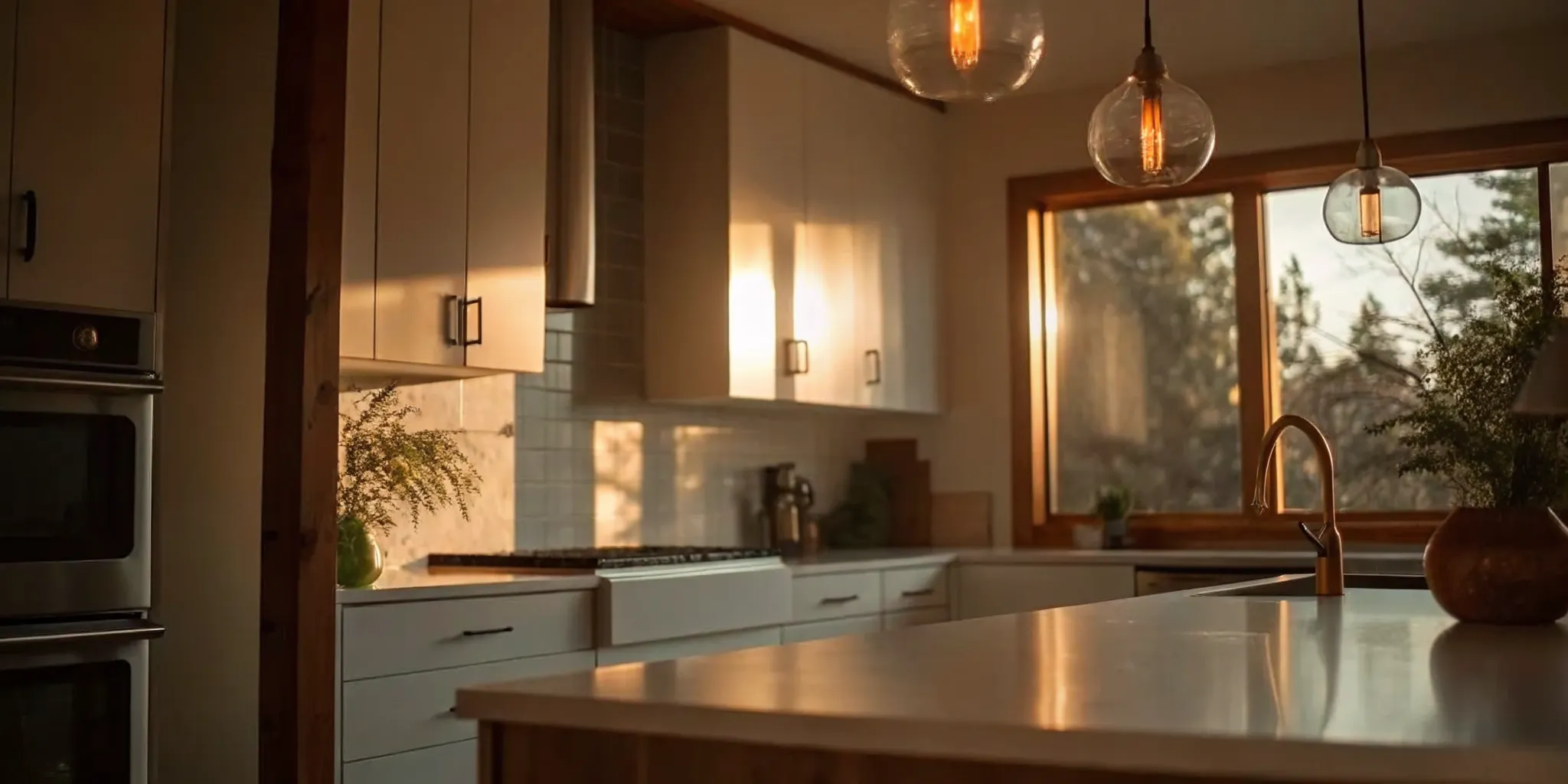
In an attic, you can’t just rely on a single overhead light. Layering your lighting is essential for creating a space that is both functional and cozy. Start with ambient lighting, which provides overall illumination. This could be a stylish chandelier or pendant light at the highest point of the ceiling. Next, add task lighting for specific activities, like a reading lamp by a chair or bedside sconces. Finally, incorporate accent lighting, such as LED strips along a beam or a small spotlight on a piece of art, to add warmth and visual interest.
Choose the right fixtures, from sconces to statement pieces
The unique angles of an attic bedroom call for creative fixture choices. Since tall floor lamps often don’t fit well, wall sconces are your best friend. They provide light without taking up any floor space and come in countless styles to match your decor. For your main overhead light, a hanging fixture in the tallest part of the room will draw the eye upward and create a dramatic focal point. On lower parts of the ceiling, consider flush-mount or semi-flush-mount lights. And don’t forget table lamps for your nightstands or desk to complete your layered lighting scheme.
Find the Right Design Style for Your Attic Retreat
Choosing a design direction is one of the most exciting parts of creating your attic bedroom. The unique architecture of an attic, with its sloped ceilings and cozy corners, lends itself to several beautiful styles. Whether you’re drawn to clean, modern lines or the warmth of rustic textures, the right design will turn your attic into a true retreat. Think about the mood you want to create: is it a serene escape, a cozy cabin, or a bright and airy studio? Your answer will guide you toward the perfect style for your new space.
Modern Minimalist: Clean lines and a calming feel
A modern minimalist style is a fantastic choice for an attic because it creates a sense of calm and order. The key is to use a simple, often monochromatic, color palette. Think shades of white, gray, and soft neutrals. This approach helps the angled walls blend together, making the room feel more spacious and less visually cluttered. Furnishings should have clean lines and simple forms, avoiding anything too ornate. The goal is to create an uncluttered sanctuary where you can relax and unwind. A minimalist design helps the unique architecture of the attic speak for itself.
Rustic Charm: Exposed beams and natural textures
If your attic has exposed wooden beams, you have the perfect foundation for a rustic design. Leaning into this style means celebrating natural materials and textures. Complement the wood with a warm, earthy color scheme and furnish the space with pieces made from reclaimed wood or wrought iron. You can add softness and warmth with textiles like chunky knit blankets, flannel bedding, and a simple jute rug. This approach transforms your attic into a cozy, cabin-like hideaway that feels both timeless and inviting. It’s a style that truly embraces natural elements to create a warm atmosphere.
Scandinavian-Inspired: Simple, functional, and cozy
Scandinavian design is a natural fit for attic bedrooms because it balances simplicity, function, and coziness, a concept known as hygge. This style relies on a light and airy color palette, typically dominated by white, to maximize brightness. To counteract the low ceilings, choose low-profile furniture like platform beds and floor cushions. This simple trick creates the illusion of more vertical space. Natural wood tones, soft textiles, and plenty of plants add warmth and life to the room. The result is a space that feels both functional and inviting, perfect for a multi-purpose attic bedroom.
The Finishing Touches: Add warm textiles, a reading nook, and personal details
Regardless of the style you choose, the finishing touches are what make the space feel like yours. Soften the room’s angles and add warmth with plenty of textiles. Layering a thick area rug over the floor, adding plush throw blankets to the bed, and hanging curtains can make the room feel like a cozy cocoon. Carve out a small corner to create a reading nook with a comfortable chair and a small lamp. Finally, add personal details like your favorite artwork, family photos, or a few cherished objects. These small additions are what will truly transform your attic from just a room into a personal retreat.
Related Articles
- 13 Inspiring Modern Attic Conversion Ideas
- 15 Low Ceiling Attic Bedroom Ideas That Work
- How Much to Convert Attic to Living Space? A Breakdown
- How Much Does an Attic Conversion Cost?
Frequently Asked Questions
Is converting my attic really worth the cost? An attic conversion is a significant project, but it’s one of the smartest ways to invest in your home. You’re adding valuable square footage and a legal bedroom, which directly increases your property’s market value, often for less than the cost of a traditional home addition. Beyond the financial return, you’re creating a unique, private space tailored to your life, whether it’s a quiet master suite, a guest room, or a hangout for your teenager. The personal enjoyment combined with the financial upside makes it a project with lasting benefits.
How do I know if my attic is even suitable for a conversion? Not every attic is a candidate for conversion, so a quick check is your first step. The most important factor is ceiling height. Building codes generally require at least half of the finished room to have a ceiling that is seven feet or taller. You also need to confirm that your home’s foundation and the attic’s floor joists can support the weight of a finished room. Finally, you’ll need a practical spot to install a permanent staircase. A professional assessment is the best way to get a clear answer, which is a great first conversation to have with a project advisor.
What’s the biggest mistake people make when designing an attic bedroom? The most common misstep is trying to fight the room’s architecture. People often try to force standard, boxy furniture into a space full of angles and slopes, which makes it feel cramped and awkward. The best attic designs embrace the quirks. Instead of seeing a sloped wall as a problem, see it as the perfect spot for a built-in desk or a low-slung bed. Working with the room’s unique character, rather than against it, is what creates a space that feels intentional, cozy, and spacious.
Do I really need to worry about building codes and permits? Yes, absolutely. It might seem like a hassle, but following building codes is what makes your new bedroom safe, functional, and a legitimate asset. Codes ensure you have proper insulation, safe electrical wiring, adequate structural support, and a safe exit in case of an emergency. Getting the right permits and inspections guarantees that your project is done correctly and officially adds a legal bedroom to your home’s record, which is crucial for its resale value.
My attic gets really hot in the summer. How do I handle heating and cooling? This is a critical point to plan for, as attics are prone to extreme temperatures. The solution starts with excellent insulation; high-quality spray foam is often the best choice for attics because it creates a powerful air seal. For climate control, you have a couple of great options. You can see if it’s possible to extend your home’s existing HVAC ductwork into the attic. Alternatively, installing a ductless mini-split system is a very popular and efficient solution that gives you dedicated heating and cooling for that room alone.