Renovate Before Selling: Updates That Pay Off
Find out which projects to prioritize when you renovate before selling. Learn smart updates that attract buyers and help you get the best price for your home.
|
June 16, 2026
In this article:
It’s a common story: a homeowner pours thousands of dollars into a pre-sale renovation, only to find it didn’t add a dime to the final sale price. The decision to renovate before selling is smart, but it’s surprisingly easy to get wrong. Choosing overly personal designs, over-improving for the neighborhood, or hiring the wrong contractor can turn a good investment into a costly mistake that delays your sale. This guide is your roadmap to avoiding those exact pitfalls. We’ll break down which projects offer a reliable return, which ones you should almost always skip, and how to manage your renovation for a smooth, profitable sale.
Key Takeaways
- Choose projects with broad appeal and a high ROI: Focus on refreshing your home with cosmetic updates that have a proven return, like minor kitchen and bath remodels, fresh neutral paint, and a new front door. The goal is to create a clean slate for buyers, not a highly personal space.
- Prioritize first impressions, inside and out: Buyers make snap judgments, so start with what they see first. Invest in curb appeal to get them in the door, then present a sparkling clean, decluttered interior. Fixing small, nagging repairs shows the home is well-cared-for and builds trust.
- Plan your work and work with a pro: A successful renovation depends on a solid plan, a realistic budget, and a reliable contractor. To avoid stress and costly mistakes, always vet your professionals, get multiple bids, and create a detailed timeline before any work begins.
Why Renovate Before Selling?
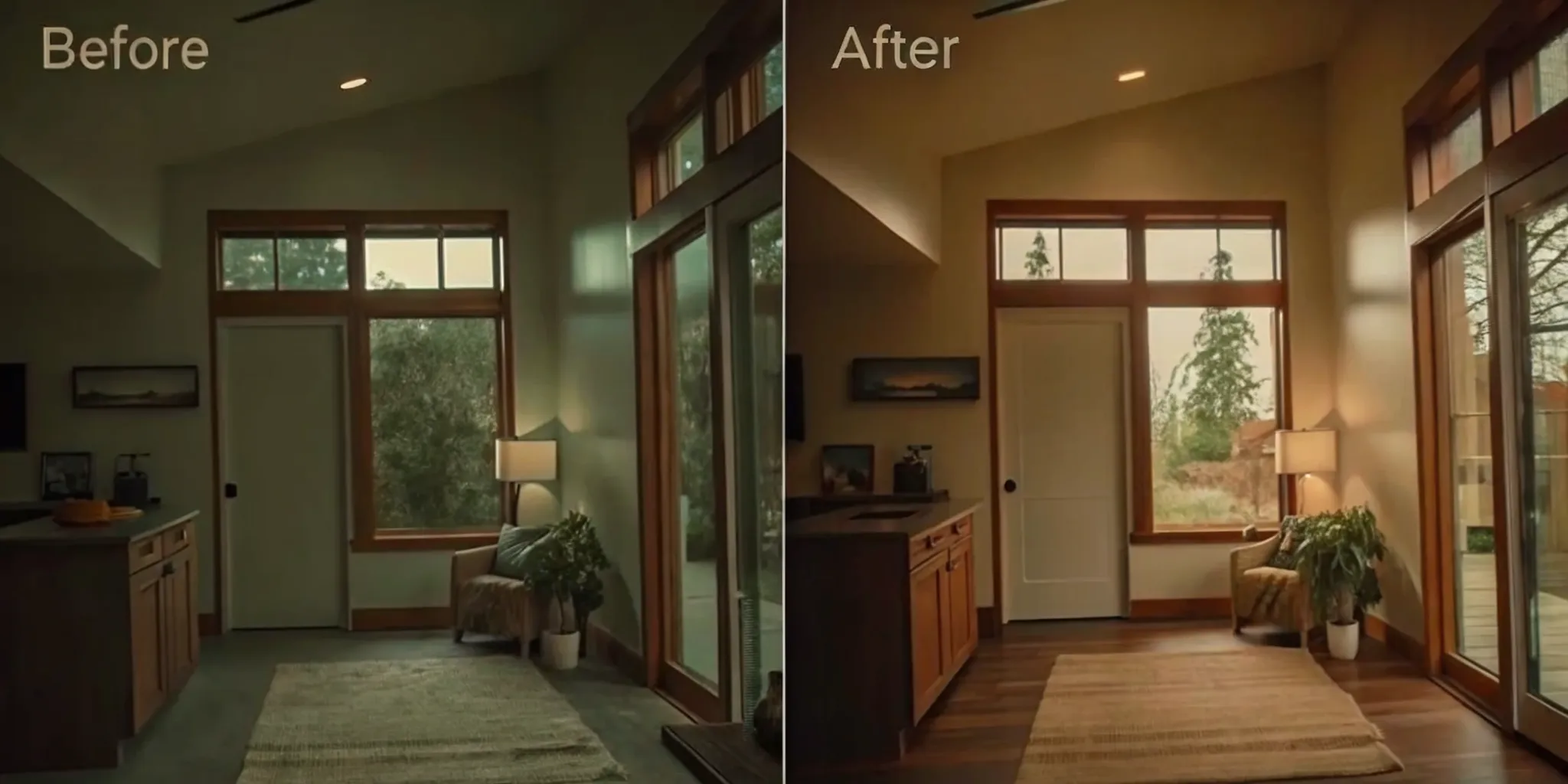
Deciding whether to renovate before putting your house on the market is a big question for many sellers. It can feel like a catch-22: you have to spend money to make money. But with a smart approach, pre-sale renovations are a strategic investment, not just an expense. The key is to focus on updates that appeal to the broadest range of buyers and offer a solid return. When done right, a few key projects can make a huge difference in how your home is received. Think of it as setting the stage for buyers to see your home’s full potential, helping them picture their life there from the moment they walk in.
Sell for a Higher Price
The most direct benefit of renovating is the potential to increase your home's sale price. While not every project guarantees a dollar-for-dollar return, strategic updates can add significant value. Projects that improve your home's functionality or expand its usable space tend to give you the most bang for your buck. For example, some exterior improvements, like installing a new garage door, can sometimes recoup over 100% of their cost at resale. The goal isn't to build your personal dream home, but to make smart, appealing updates that justify a higher asking price and attract stronger offers from serious buyers.
Sell Your Home Faster
A move-in ready home is incredibly appealing to buyers who want to avoid the hassle of immediate repairs or updates. A house that looks clean and well-cared-for often sells faster, which can save you a lot of money and stress in the long run. Every day your home sits on the market, you're still paying the mortgage, taxes, and insurance. By investing in the right renovations upfront, you can shorten your home's time on the market and move on to your next chapter sooner. Even simple things like improving your landscaping can make a property more attractive and help it sell more quickly.
Stand Out in a Crowded Market
In a competitive real estate market, you need your home to make a memorable first impression. Thoughtful renovations can help your property stand out from a sea of similar listings. Curb appeal is a great place to start, since the front of your house is the first thing buyers see online and in person. A new front door or a tidy yard can make a huge difference. It’s also wise to look at homes that recently sold in your neighborhood to see what features are popular with local buyers. Often, focusing on a clean, well-maintained appearance is more effective than undertaking large, expensive projects.
Which Renovations Offer the Best ROI?
When you’re renovating to sell, the goal isn’t just to make your home look better; it’s to make a smart financial investment. Return on investment, or ROI, is the key metric here. It tells you how much of your renovation spending you’re likely to get back when you sell the house. While a full-scale, down-to-the-studs remodel might be fun for you, it rarely pays for itself. The projects that offer the best ROI are often the less glamorous ones that fix problems, improve functionality, and give your home a fresh, move-in-ready feel.
Think of it from a buyer’s perspective. They’re looking for a home that feels well-maintained and doesn’t come with a long list of immediate projects. They want to be able to picture their own lives there, not be distracted by your highly specific design choices. That’s why focusing on strategic, high-impact updates is so important. By prioritizing projects with a proven track record for returns, you can increase your home’s appeal and final sale price without overspending. A customized renovation plan can help you pinpoint exactly which updates will make the biggest difference for your specific property and market.
Upgrade Your Garage and Front Doors
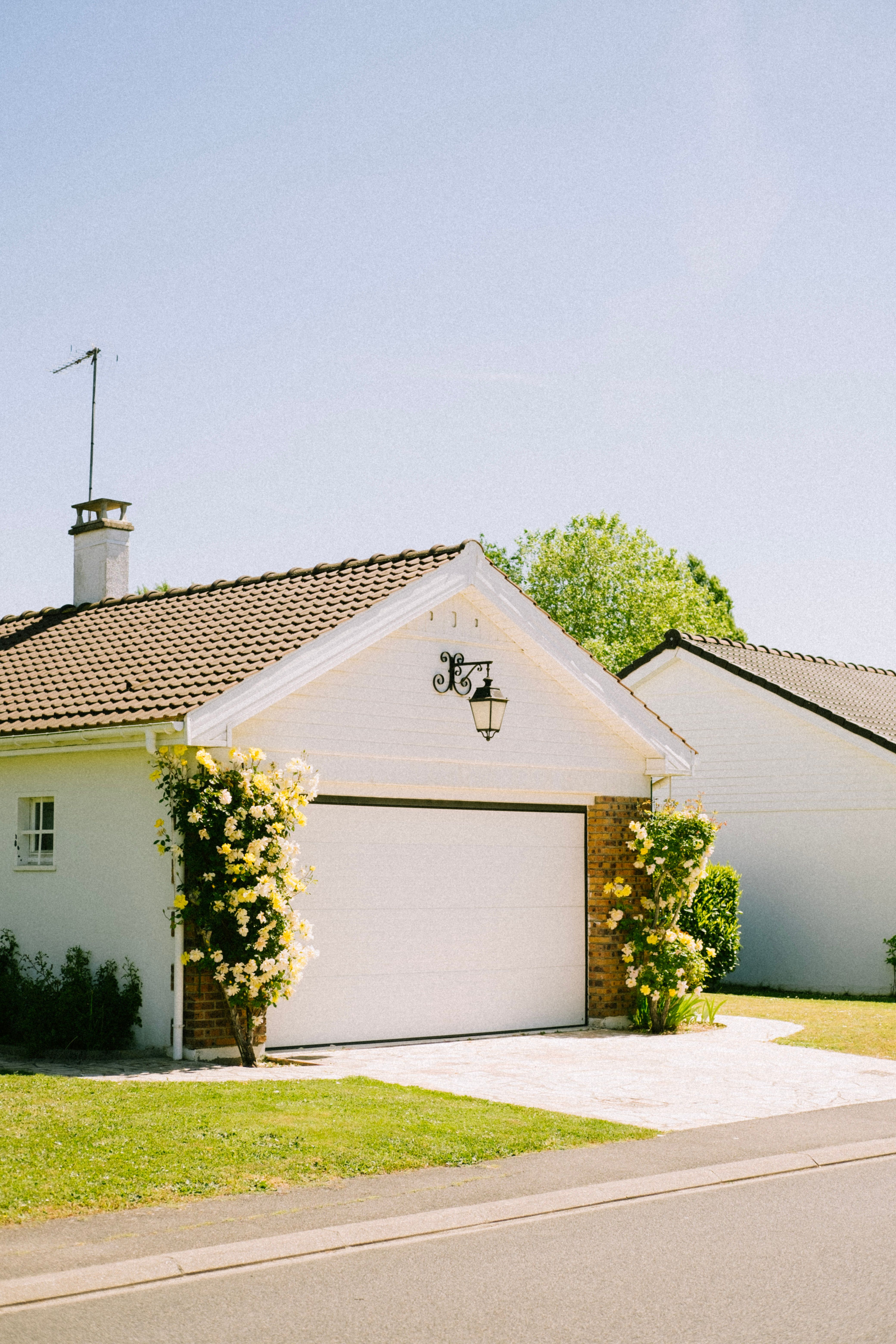
First impressions are everything, and the first thing a potential buyer sees is the front of your house. An old, dented garage door or a worn-out front door can make a home feel dated before anyone even steps inside. This is one of the easiest and most effective ways to improve curb appeal. In fact, some data shows a new garage door can give you 102% of your money back. Similarly, you might recoup 100% of what you spent on a new steel front door. These upgrades signal that the home is secure and well-maintained, setting a positive tone for the rest of the tour.
Make Minor Kitchen Updates
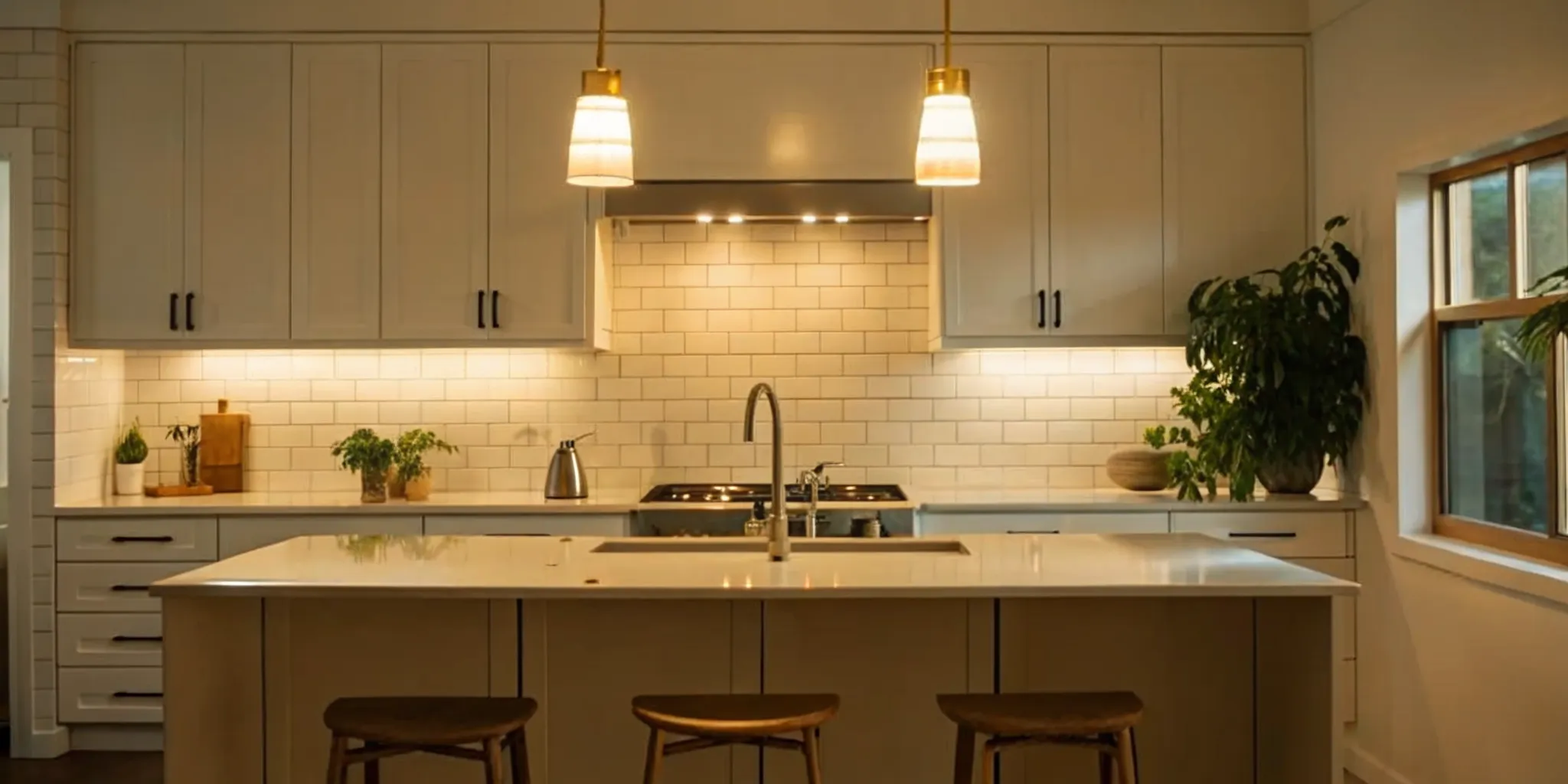
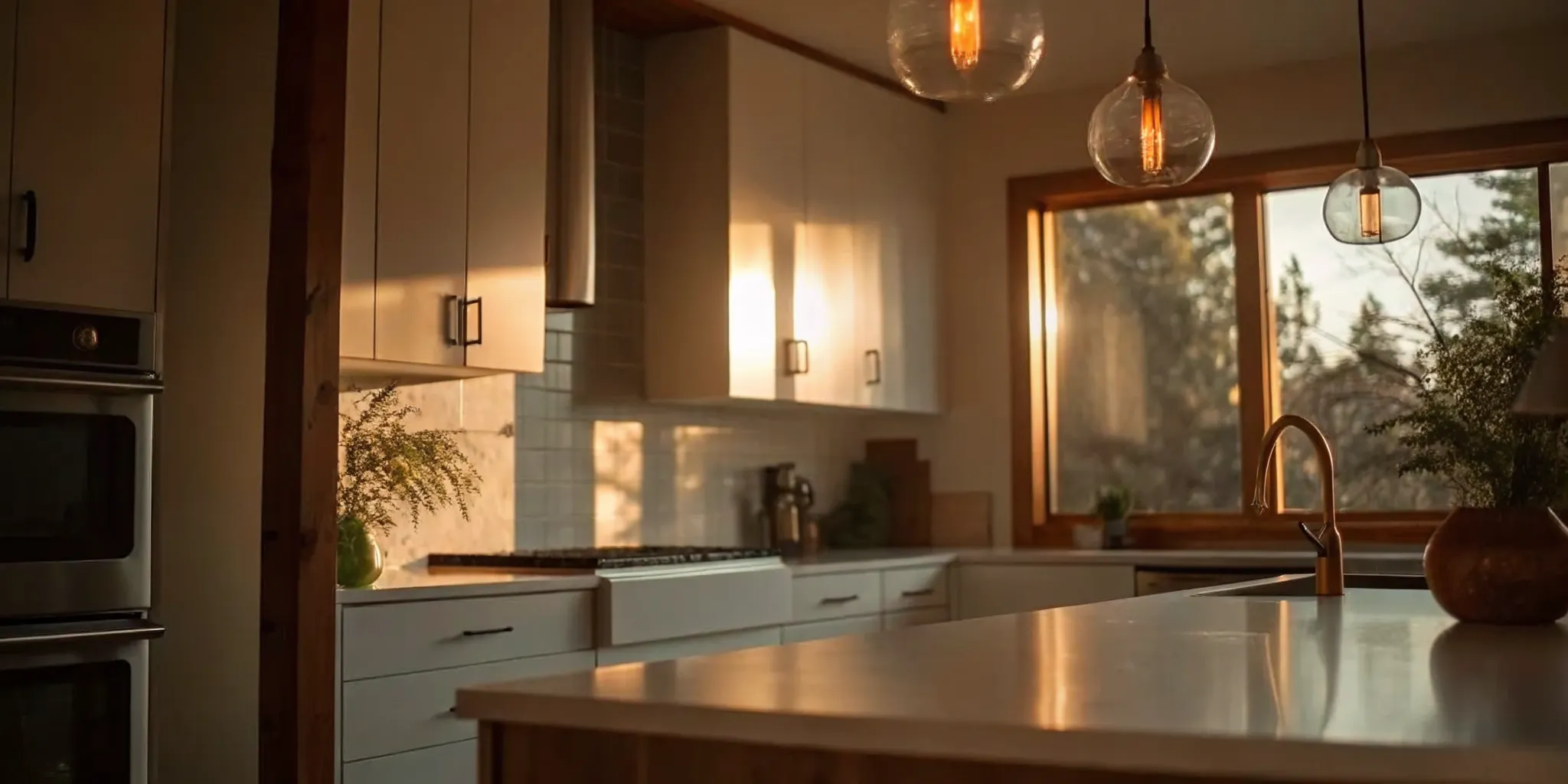
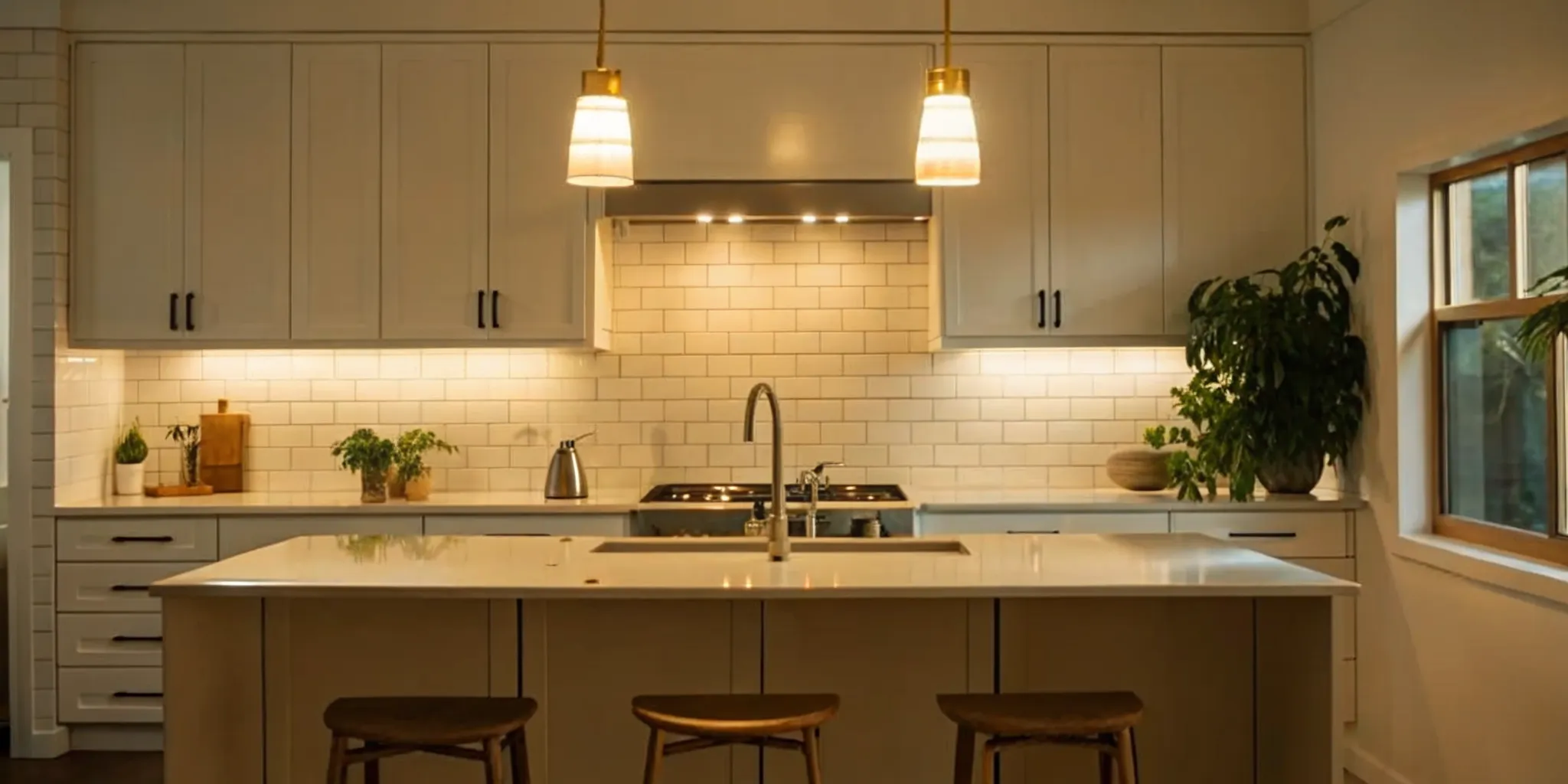
The kitchen is often called the heart of the home, and buyers pay close attention to it. But you don’t need a six-figure remodel to make an impact. A minor kitchen remodel can give you 98.5% of your money back and make the space feel brand new. Instead of tearing everything out, focus on simple, cosmetic changes. A fresh coat of paint on the cabinets, new hardware, an updated faucet, and modern light fixtures can completely transform the room. With about one-third of real estate experts agreeing that kitchen updates make a home more attractive, a small investment here can go a long way.
Refresh Your Bathrooms
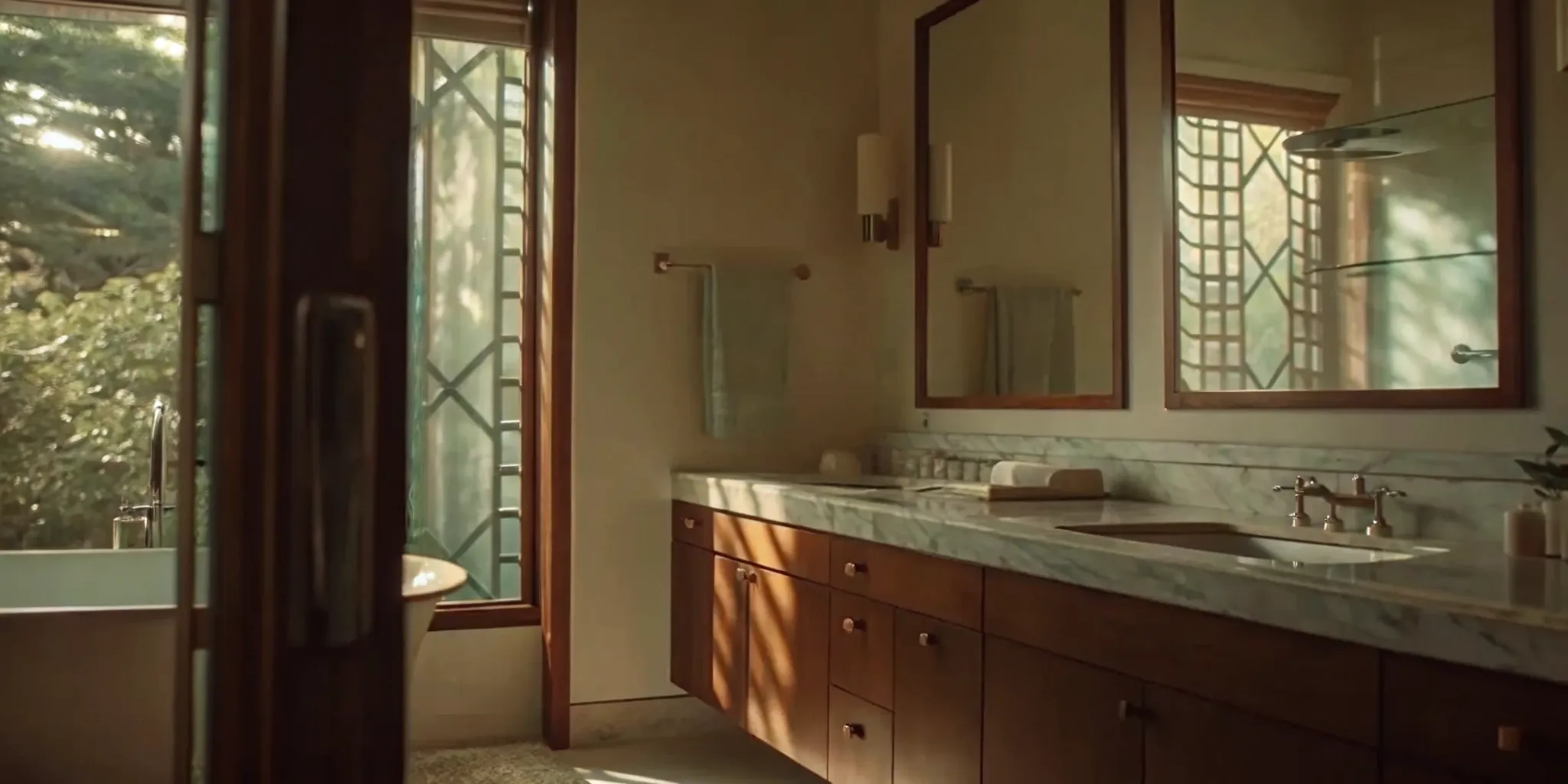
Like kitchens, bathrooms are a major factor for buyers. An outdated, grimy bathroom is a huge turn-off. The good news is that a minor bathroom refresh is another project with an incredible ROI, potentially returning 102% of your cost. You can make a huge difference without re-tiling the entire space. Consider replacing an old vanity, installing a new mirror and light fixture, updating the faucet, and re-grouting the tile. These small changes make the room feel clean, bright, and modern. Remember, high-quality remodels in key areas like bathrooms add significant value and appeal to buyers who want a move-in-ready home.
Refinish Your Hardwood Floors
If you have hardwood floors, you’re already ahead of the game. But if they’re looking scratched and worn, they can drag down the feel of the entire house. Refinishing them is a fantastic investment. It’s much cheaper than installing new flooring, and the results are dramatic. Freshly finished floors make a home look clean, polished, and well-cared-for. This single project can make every room feel brighter and more cohesive. Plus, some reports suggest that buyers might pay thousands more for homes with beautifully refinished hardwood floors, making it a clear win for your bottom line.
Install Energy-Efficient Windows
While new windows might not be the most exciting upgrade, they appeal to a buyer’s practical side. Old, drafty windows can signal high utility bills and future replacement costs. Installing new, energy-efficient windows is a smart move that shows you’ve invested in the home’s long-term quality and efficiency. You can expect to get a solid portion of your investment back, with new vinyl windows returning around 74% of the cost. More importantly, you’ll appeal to the nine out of ten buyers who prefer homes with energy-saving features. It’s a feature that adds comfort, saves money, and gives buyers one less thing to worry about.
Smart Upgrades That Won't Break the Bank
You don’t need a massive budget to get your home ready for the market. Some of the most effective pre-sale updates are also the most affordable. These smart, strategic upgrades focus on refreshing your space and tackling the little things that buyers notice. By focusing on high-impact, low-cost projects, you can make your home feel clean, modern, and well-cared-for, helping it stand out to potential buyers without the stress and expense of a major renovation.
Add a Fresh Coat of Paint
Never underestimate the power of a fresh coat of paint. It’s one of the most cost-effective ways to transform a room, making it feel brighter, cleaner, and more spacious. As real estate professionals often note, painting is a simple update that can make a home look much better to buyers. Opt for neutral colors like warm whites, soft grays, or beiges. These shades create a blank canvas, helping potential buyers envision their own lives and furniture in the space. If painting the entire house feels overwhelming, focus on high-traffic areas like the living room, kitchen, and primary bedroom for the biggest impact.
Improve Curb Appeal and Landscaping
The first impression happens before a buyer even steps through the door. An inviting exterior can significantly influence a buyer's perception and even increase your home's value. Start with the basics: pull weeds, trim overgrown trees and bushes, and add a fresh layer of mulch to garden beds. A neatly edged lawn and driveway also go a long way. For a pop of color, plant some easy-to-care-for flowers in pots or near the entrance. These simple actions create a welcoming atmosphere that makes buyers excited to see the rest of the house. Finding a reliable landscaper can make all the difference, and that's where a trusted network of professionals comes in handy.
Update Lighting and Hardware
Outdated fixtures and hardware can make an otherwise lovely home feel stuck in the past. Swapping these out is a simple, budget-friendly fix that instantly modernizes your space. Walk through your home and look for opportunities to replace old doorknobs, cabinet pulls, light fixtures, and faucets. Choose modern, cohesive finishes like matte black, brushed gold, or polished nickel to create a consistent look throughout the house. You can often do these small projects yourself over a weekend, and they make a surprisingly big difference in the overall feel of your kitchen and bathrooms.
Deep Clean, Declutter, and Make Small Repairs
Before you list your home, give it a thorough deep clean and declutter every room. A sparkling, organized home feels larger and better maintained. This is also the time to address all those minor issues you’ve been meaning to fix. Repair that loose doorknob, fix the leaky faucet, or patch the small nail holes in the walls. While these may seem like minor problems, a home inspector will notice them, and they can give buyers the impression that the home hasn't been well cared for. Taking care of these small repairs shows pride of ownership and helps you present your home in its best possible light. Realm can help you plan for these projects and connect you with vetted handymen to get them done right.
What Renovations Should You Skip Before Selling?
Knowing which renovations to tackle before selling is crucial, but it’s just as important to know which projects to skip. While it’s tempting to think every upgrade adds value, some can actually cost you time and money without providing a return. The goal is to make smart, strategic improvements that appeal to a wide range of buyers, not to build your personal dream home. Overspending on the wrong projects can eat into your profits and even turn potential buyers away. Before you pick up a sledgehammer or sign a contract, let’s cover the renovations you should almost always avoid when preparing your home for the market. This is about making calculated decisions that help you sell faster and for the best possible price, without unnecessary expenses.
Don't Over-Improve for Your Neighborhood
It’s a common mistake: you pour money into your home to make it the fanciest on the block, only to find that buyers aren’t willing to pay the premium. Every neighborhood has an unofficial price ceiling, and over-improving can push your home’s value beyond what the local market can support. Major projects like adding a swimming pool, a sunroom, or converting your garage rarely recover their full cost upon sale. Buyers looking in your area have a certain price point and set of expectations in mind. A home with luxury upgrades that don't match the surrounding properties can be a tough sell. Instead, your renovation plan should aim to meet or just slightly exceed the neighborhood standard, ensuring your home is appealing without being overpriced.
Avoid Highly Personal Designs
You might love that vibrant turquoise accent wall or the quirky, custom-tiled bathroom, but highly specific design choices can be a major turnoff for buyers. When people tour your home, they need to be able to envision themselves living there. Bold colors, intricate patterns, and unique finishes make it harder for them to picture their own furniture and style in the space. When selling, your best bet is to create a neutral canvas. Stick to a palette of soft, neutral colors like greys, beiges, and off-whites. These shades make rooms feel larger, brighter, and give buyers a clean slate to work with. Think of it as staging your home for its next owner, not decorating it for yourself.
Skip Major Additions and Luxury Projects
Large-scale projects like adding a new bedroom, finishing a basement, or undertaking a full-scale kitchen gut job are almost never a good idea right before selling. These renovations are expensive, time-consuming, and rarely offer a dollar-for-dollar return on your investment. For example, a high-end kitchen with commercial-grade appliances might be your dream, but a buyer may not want to pay extra for features they won't use. They might prefer to buy the house for less and customize the space to their own taste. Rather than taking on a massive project, focus your budget on smaller, high-impact updates that refresh the space. A dedicated advisor can help you distinguish between a project with a clear ROI and a costly addition.
How to Know If a Renovation Is Worth It
Deciding to renovate before selling can feel like a gamble. How do you know which updates will actually pay off and which are just a waste of money? The key is to move from guessing to making an informed decision. Before you pick up a sledgehammer or even a paint roller, you need a strategy. By doing a little research upfront, you can invest in projects that attract buyers and give you a solid return.
Analyze Local Sales Data
Start by playing detective in your own neighborhood. Look at homes that have recently sold in your area to see what features they have and what condition they’re in. Are updated kitchens with quartz countertops the norm? Do the homes that sold fastest all have refreshed bathrooms? Paying attention to these local real estate trends helps you understand what buyers in your specific market expect and value. This isn’t about copying your neighbor’s every move; it’s about meeting buyer expectations so your home is seen as a turnkey, desirable option.
Talk to a Real Estate Pro
While data is great, nothing beats on-the-ground expertise. A good real estate agent is your best source for what’s currently happening in the market. They talk to buyers every day and know exactly what features are generating excitement and what’s causing homes to linger. Real estate experts can offer personalized advice based on your home’s specific qualities and your neighborhood’s unique character. They can help you avoid over-improving and guide you toward the updates that will make the biggest impact on your final sale price.
Benchmark Your Project's ROI
Every renovation project has a potential return on investment (ROI), which is the portion of the cost you’re likely to recover at sale. Not all renovations are worth the cost, so it’s smart to choose projects that give you the most money back. Reports like the annual Cost vs. Value analysis can give you a general idea of which updates, like new garage doors or minor kitchen remodels, tend to have the highest ROI. This data helps you prioritize your budget for maximizing the sale and making sure your renovation dollars are well spent.
Renovation Mistakes to Avoid Before Selling
Embarking on a pre-sale renovation is a smart move, but it’s easy to make a misstep that could cost you time, money, and even interested buyers. The goal is to make strategic improvements that offer a solid return, not to create more problems for yourself right before you list your home. Knowing the common pitfalls is the first step to avoiding them. Let’s walk through some of the biggest renovation mistakes homeowners make before selling, so you can approach your project with confidence.
Hiring the Wrong Contractor
Choosing the right contractor is arguably the most critical decision you’ll make in your pre-sale renovation. The wrong one can lead to shoddy work, frustrating delays, and budget overruns that can jeopardize your sale. This isn't just about finding someone who can do the work; it's about finding a reliable professional who communicates clearly and respects your timeline. A bad experience can leave you with a half-finished project and a lower home value. That’s why it’s so important to work with vetted professionals who have a proven track record of quality and reliability. Don’t be afraid to ask for references, check their license, and review their portfolio before signing a contract.
Underestimating Your Budget and Timeline
It’s a classic renovation story: a project that was supposed to take two weeks and $5,000 ends up taking two months and costing double. Underestimating your budget and timeline is a recipe for stress. It’s crucial to create a detailed budget that includes a contingency fund of at least 15-20% for those inevitable surprises, like discovering old wiring or plumbing issues. A realistic timeline is just as important, especially when you have a listing date in mind. Working with an expert can help you develop a solid plan that aligns your renovation goals with a practical budget and schedule, ensuring your project stays on track without derailing your plans to sell.
Assuming Every Renovation Adds Value
Not all renovations are created equal, and it’s a mistake to assume every dollar you spend will come back to you at the closing table. While a new kitchen is great, a full-scale, high-end remodel with luxury appliances might not pay off. The same goes for major additions, swimming pools, or converting your garage into a living space. These projects are expensive and often don’t provide a strong return on investment. Instead of going big, focus on minor updates with broad appeal that refresh the space without breaking the bank. The key is to be strategic, not sentimental.
Choosing Personal Taste Over Buyer Appeal
You may love the idea of a bold accent wall or quirky, patterned tile, but your personal style might not resonate with potential buyers. When you’re renovating to sell, the goal is to create a space that feels like a clean slate, allowing buyers to envision themselves living there. Opt for neutral paint colors like grays, beiges, and off-whites. Choose classic, timeless finishes for things like countertops, flooring, and hardware. You want your home to appeal to the widest possible audience. A home that feels too specific or taste-driven can be a turn-off and may prevent buyers from making an offer.
Forgetting About Curb Appeal
Buyers form an opinion of your home the moment they see the listing photos or pull up to the curb. If the exterior looks neglected, they might assume the interior is in the same condition. Forgetting about curb appeal is a major missed opportunity to make a fantastic first impression. Luckily, it doesn’t take much to make a big impact. A freshly painted front door, new house numbers, a tidy lawn, and some colorful flowers in pots can instantly make your home feel more welcoming. Make sure walkways are clear and the entrance is clean and well-lit. These small touches show pride of ownership and invite buyers to come inside.
How to Prioritize Renovations on a Budget
When you're selling your home, you want every dollar you spend on renovations to count. With a limited budget, the key is to be strategic. Instead of trying to do everything, focus on a few high-impact projects that will appeal to the widest range of buyers. This means prioritizing updates that improve your home's appearance and functionality without requiring a massive investment. By making smart, targeted choices, you can make your home more attractive to buyers and get a better return on your investment. Here’s how to decide what’s worth your time and money.
Tackle What Buyers See First
First impressions are everything in real estate. What a buyer sees in the first few minutes, both online and in person, sets the tone for their entire experience. Before you even think about a kitchen overhaul, step outside and look at your home from the street. A clean, well-kept exterior signals that the home has been cared for. Simple actions like applying a fresh coat of paint to the front door, power washing siding, and tidying up the yard can make a huge difference. Investing in curb appeal doesn't have to be expensive, but it often delivers a fantastic return by drawing more buyers in.
Prioritize Function Over Flash
While a brand-new, high-end kitchen might be tempting, it’s often not the wisest investment before a sale. Many buyers prefer to purchase a home for a slightly lower price and customize the renovations to their own taste. Instead of spending a fortune on luxury upgrades, focus on ensuring the home is in good working order. Fix leaky faucets, repair broken light fixtures, and make sure all the doors and windows open and close properly. These functional fixes give buyers confidence that the home is solid and well-maintained. Projects like swimming pools, sunrooms, and other highly personal additions almost never recover their full cost in a sale, so it's best to skip them.
Set Your Budget Before You Begin
Your budget is your most powerful tool for making smart renovation decisions. Before you get quotes or start tearing down walls, you need a clear financial plan. Start by assessing what truly needs to be done to make your home market-ready. It can be helpful to get a professional opinion to distinguish between critical repairs and cosmetic updates you can skip. Once you have a clear scope, you can create a realistic budget. Working with an advisor can help you develop a project plan that aligns your goals with your budget from the very beginning, ensuring you don’t accidentally overspend on updates that won't pay off.
How to Find a Reliable Contractor for Your Pre-Sale Reno
Choosing the right renovations is only half the battle; finding the right person to execute them is just as critical. The success of your pre-sale project, from staying on budget to finishing on time, largely depends on your contractor. A great contractor ensures your updates add value, while the wrong one can create costly headaches that delay your sale. To protect your investment and your sanity, it’s important to have a clear process for finding a professional you can trust.
Vet Your Contractors Thoroughly
One of the most common home renovation mistakes is hiring the wrong contractor. It’s essential to do your homework and vet potential candidates thoroughly to ensure they have the right experience and reputation. Start by checking for proper licensing and insurance in your state. Next, ask for a list of recent references and actually call them. Ask past clients about their experience with communication, timeliness, and budget. You should also review a contractor’s portfolio to see if the quality of their work aligns with your expectations. Realm maintains a network of vetted professionals, taking the guesswork out of this crucial first step.
Get Multiple Bids
Before making a decision that can help you maximize your sale, it’s advisable to get multiple bids from different contractors. This step isn’t just about finding the lowest price. It helps you understand the market rate and allows you to compare the quality of work and materials proposed. A detailed bid that breaks down costs for labor, materials, and permits is a sign of a thorough professional. Be wary of bids that seem unusually low, as they might involve cutting corners or using subpar materials. Carefully review each proposal to make sure you’re comparing apples to apples, and don’t hesitate to ask for clarification on any vague items.
Partner With a Renovation Expert Like Realm
Let’s be honest, managing a renovation while preparing to sell your home can feel like a full-time job. If you’re short on time or feeling overwhelmed, partnering with an expert can make all the difference. Realm exists to be that resource: helping you make smart decisions, solve problems quickly, and get the project back on track. When you work with Realm, you get a dedicated advisor who helps you compare bids, manage timelines, and communicate with your contractor. This approach streamlines the entire process, ensuring your renovations are completed efficiently so you can list your home with confidence.
Related Articles
- 8 Steps to a House Renovation Design and Plan
- Small Bathroom Remodel Cost: A Full Breakdown
- How to Create a Renovation Budget That's Realistic
- Residential Construction Renovation: A Simple Guide
- How to Sequence Multiple Renovation Projects: What to Do First (and Why It Matters)
Frequently Asked Questions
Do I really need to renovate if my house is already in pretty good shape? Even a well-maintained home can benefit from a few strategic updates before hitting the market. Think of it less as fixing problems and more as setting the stage. Simple projects like a fresh coat of neutral paint, modernizing light fixtures, or updating cabinet hardware can make a huge difference in how buyers perceive your space. These touches help your home feel fresh and move-in ready, allowing buyers to emotionally connect with the property instead of mentally adding up a list of small projects they’d have to tackle.
Is it better to offer a credit to buyers instead of doing the renovations myself? While offering a credit might seem like an easy solution, it often works against you. Buyers tend to overestimate the cost and effort of future projects, so the credit they request may be much higher than what you would have spent. Furthermore, a home that needs work appeals to a smaller group of buyers. By completing the updates yourself, you control the cost and present a finished product that attracts a wider audience, helping you sell faster and for a better price.
How much should I realistically budget for pre-sale renovations? There isn’t a one-size-fits-all answer, as your budget will depend on your home’s current condition and local market standards. A smart approach is to focus on high-impact, low-cost projects first. Instead of guessing, get an expert opinion on which updates will provide the best return. Once you have a focused list, get quotes from professionals to build an accurate budget. It’s always wise to add a contingency fund of about 15-20% to cover any surprises that might pop up.
I'm overwhelmed. If I can only do one thing, what's the most important update? If you have the time and budget for only one project, make it paint. Applying a fresh coat of a warm, neutral color is the single most effective and affordable way to transform your home. It instantly makes rooms feel cleaner, brighter, and more spacious. More importantly, it creates a blank canvas that helps potential buyers envision their own furniture and life in the space, which is a crucial step toward them deciding to make an offer.
How can I be sure I'm not over-improving for my specific neighborhood? The key is to research your local market. Look at the photos of homes that recently sold in your immediate area and notice the level of their finishes. Are the kitchens updated with quartz, or do they have clean, functional laminate? This gives you a benchmark for what buyers in your neighborhood expect and are willing to pay for. Your goal is to meet or slightly exceed that standard, not to build the most luxurious house on the block. A real estate agent or renovation advisor can also provide great insight into your area’s price ceiling.