Prefab ADU Los Angeles: A Homeowner's Guide
Find out how a prefab ADU Los Angeles can add value, create rental income, and expand your living space with this clear, step-by-step homeowner’s guide.
|
June 5, 2026
In this article:
You have the vision: a beautiful backyard cottage for your parents, a quiet home office, or a rental unit to help with the mortgage. But turning that vision into reality can feel out of reach when faced with the high costs and complexities of construction in Southern California. Modern prefab ADUs are closing that gap. They offer a high-quality, stylish, and surprisingly customizable path to adding more living space. This isn’t about settling for a cookie-cutter box; it’s about a smarter way to build. Let’s explore how a prefab ADU in Los Angeles can make your project achievable, affordable, and faster than you thought possible.
Key Takeaways
- Embrace prefab for a faster, more predictable build: Prefab ADUs offer a modern solution for LA homeowners by shortening construction timelines and providing clearer cost estimates compared to traditional builds, helping you add value sooner.
- Budget for the whole project, not just the unit: Your total investment includes more than the ADU's base price. Be sure to factor in essential site work, permits, and utility hookups to create a realistic and comprehensive budget from the start.
- Work with an advisor to simplify the process: An expert partner is key to handling complex steps like securing permits and vetting builders. This guidance ensures your project runs smoothly and complies with all of LA's specific regulations.
What Is a Prefab ADU?
If you’ve been looking for ways to add more living space to your property, you’ve probably heard the term ADU. An Accessory Dwelling Unit, or ADU, is a secondary home built on the same lot as your main house. You might know it by other names, like a granny flat, in-law unit, or backyard cottage. It’s a fully functional, independent living space, complete with its own kitchen, bathroom, and sleeping area.
So, what makes one "prefab"? The term "prefab" is short for prefabricated, which means the main components of the ADU are built in a factory setting instead of on your property. Once the pieces are constructed, they’re transported to your home and assembled on-site. This factory-built approach streamlines the construction process, offering a modern and efficient alternative to building from the ground up in your backyard. For many Los Angeles homeowners, a prefab ADU is the perfect solution for housing family, creating a dedicated home office, or generating rental income. A customized plan can help you figure out if it's the right fit for your goals and property.
Prefab vs. Traditional: What's the Difference?
The biggest difference between a prefab and a traditional, or "stick-built," ADU comes down to where and how it’s constructed. A traditional ADU is built entirely on your property, piece by piece, just like a conventional home. This process is often subject to weather delays and can create significant disruption in your backyard for months.
In contrast, a prefab ADU is built off-site in a controlled factory environment while the foundation is simultaneously prepared at your home. This parallel process dramatically shortens the overall project timeline. Because factory construction is so efficient, it also reduces material waste and labor hours, often making prefab ADUs more than 30% cheaper than their traditional counterparts. This cost-effectiveness and speed make it a compelling option for homeowners.
Exploring the Types of Prefab ADUs
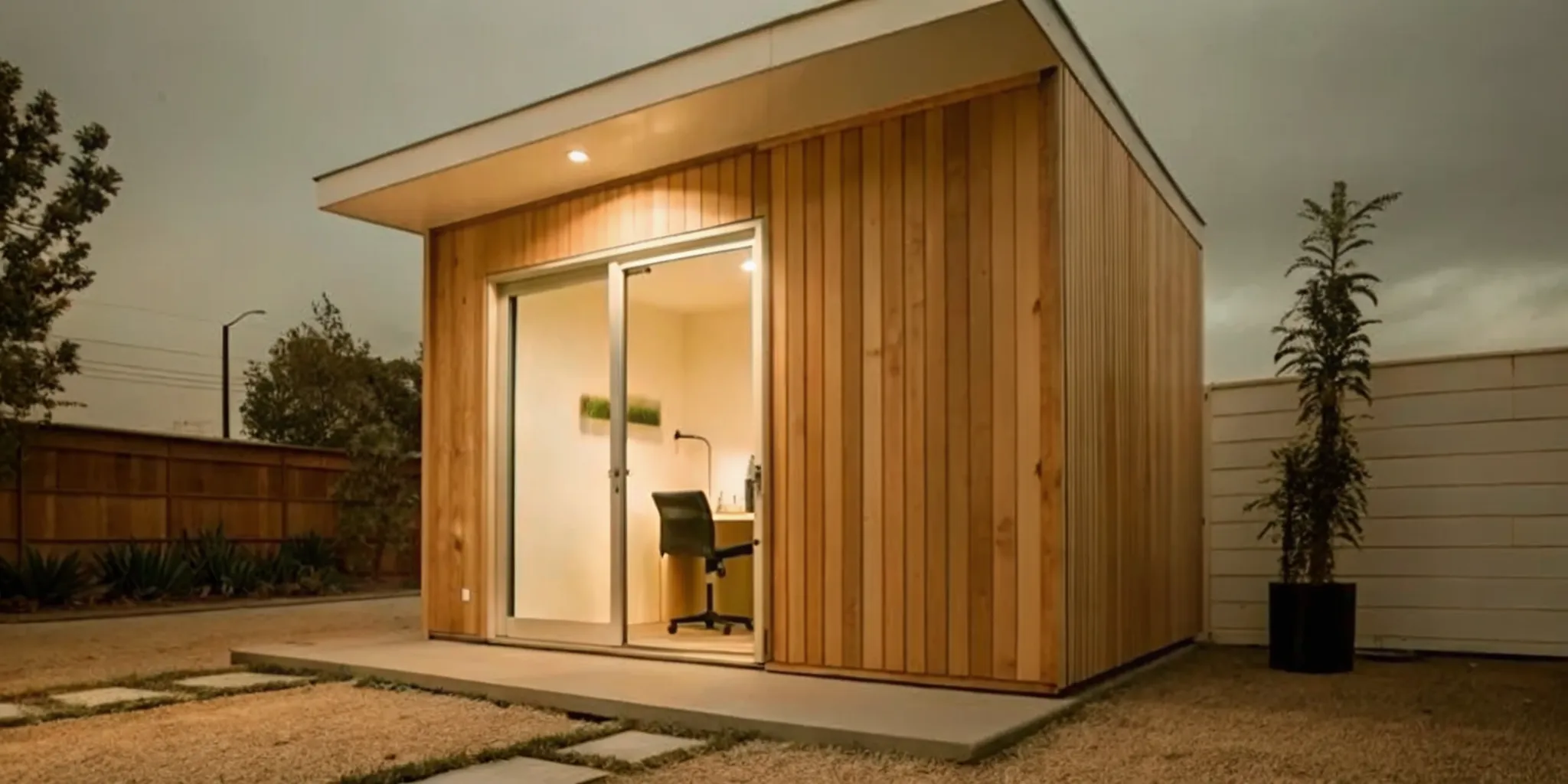
Prefab ADUs aren’t a one-size-fits-all solution; they come in several styles to suit different properties and needs. The most common type is the detached ADU, a standalone backyard cottage or granny flat that offers the most privacy. These are perfect for renters or long-term guests.
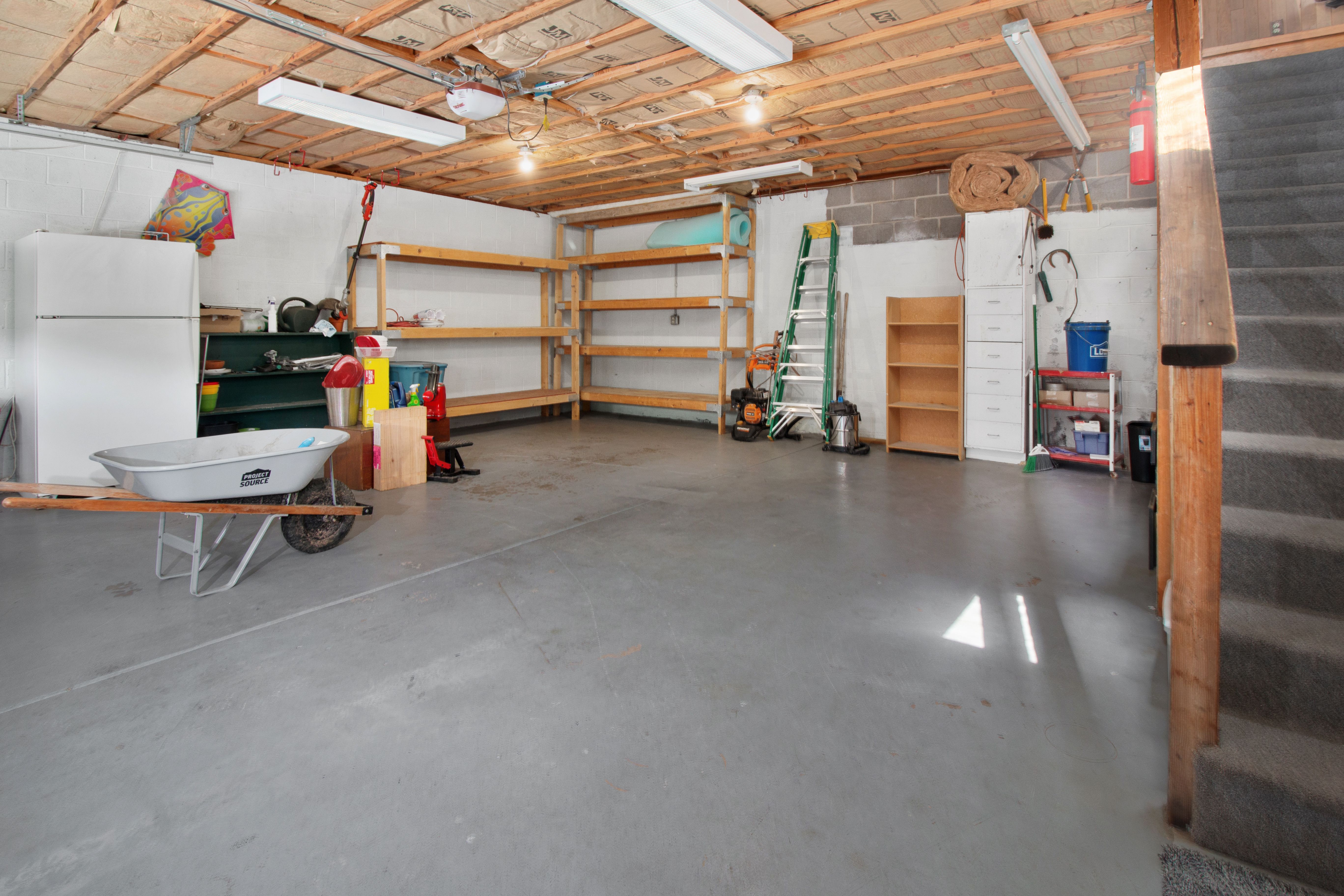
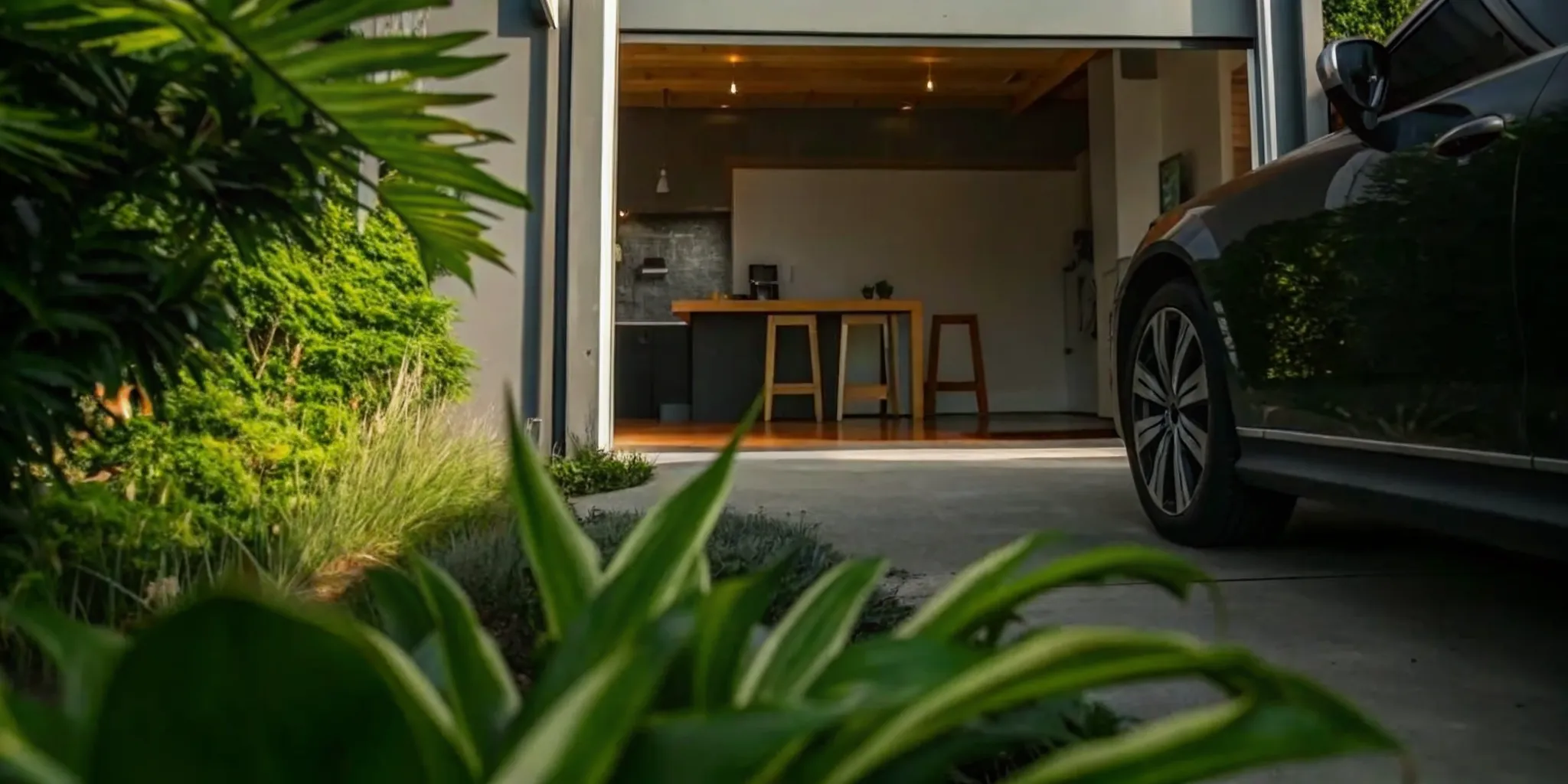
Another option is an attached ADU, which is built as an addition to your main house, sharing at least one wall. This can be a great way to create an in-law suite that feels both connected and separate. You can also use prefab modules for a garage conversion, transforming your underused garage into a legal, rentable living space. Each type offers unique benefits, and the right choice depends on your lot size, budget, and how you plan to use the space.
Common Prefab Myths, Busted
Let's clear up a few common misconceptions about prefab ADUs. Some people think "prefab" means lower quality or a boring, cookie-cutter design. The reality is that modern prefab homes are built to meet or exceed California's strict building codes, making them just as strong and durable as traditional homes. Plus, you’ll find a wide range of beautiful designs and customization options to match your style.
Another myth is that they aren't environmentally friendly. In fact, factory construction is incredibly efficient and generates far less material waste than on-site building. By choosing a prefab ADU, you’re often making a greener choice. With faster build times, high-quality construction, and endless design flexibility, today’s prefab ADUs are a smart, reliable investment for your property.
Why Choose a Prefab ADU in LA?
Adding an Accessory Dwelling Unit (ADU) to your Los Angeles property is a fantastic way to create more space for family, set up a home office, or generate rental income. But the thought of a traditional, lengthy construction project can be daunting. That’s where prefabricated ADUs come in. A prefab ADU offers a modern, efficient alternative that sidesteps many of the headaches associated with conventional builds.
Instead of building from the ground up in your backyard over many months, the main structure of a prefab ADU is built in a factory. This streamlined process offers some incredible advantages. Think faster timelines, clearer costs, and less disruption to your daily life. For LA homeowners, choosing a prefab unit means you can start enjoying your new space sooner and with fewer surprises along the way. It’s a solution that aligns perfectly with the need for flexible, smart housing in a bustling city.
The benefits go beyond just convenience. Prefab ADUs are designed to be high-quality, energy-efficient, and a great return on investment. From the predictable budget to the potential for a new income stream, going prefab is a strategic choice for expanding your home. If you’re looking for a straightforward path to adding an ADU, exploring the world of prefab is your best next step. Working with an expert can make the process even smoother, ensuring your project is handled correctly from start to finish. That's why Realm exists, to give you a dedicated advisor for your project.
Get It Built Faster
One of the biggest draws of a prefab ADU is the speed. A traditional construction project can take over your backyard for months, but prefab construction shortens that timeline dramatically. Because the unit is built in a factory, work can happen at the same time your property is being prepared. While your ADU is being assembled off-site, your contractor can be laying the foundation, running utility lines, and handling other essential site work.
This parallel process means the on-site construction phase is significantly shorter. Once the site is ready, your nearly finished ADU is delivered and installed. Some companies find their ADUs can be ready in as little as 4-6 weeks once they start building on your property. This means less noise, less mess, and less time waiting to use your new space.
Enjoy Cost Predictability
Budgeting for a major construction project can feel like hitting a moving target, but prefab ADUs bring a welcome level of cost certainty. Since the units are built in a controlled factory setting, manufacturers can provide a fixed price for the structure itself. This helps you avoid many of the surprise expenses that can pop up with traditional builds, like weather delays or fluctuating material costs.
While you’ll still need to budget for site preparation, permits, and delivery, knowing the base cost of your ADU upfront makes financial planning much easier. Prefab ADUs can also be more affordable overall, with some estimates suggesting they can be 30% cheaper to build than stick-built units. This predictability gives you the confidence to move forward without worrying about your budget spiraling out of control.
Increase Property Value and Earn Rental Income
An ADU is more than just extra space; it’s a powerful financial asset. Adding a self-contained living unit to your property can significantly increase its market value. But the immediate benefit for many LA homeowners is the potential for rental income. With the high cost of housing in the city, a well-designed ADU can be a reliable source of monthly cash flow that can help pay your mortgage or fund other goals.
The demand for rental units is strong, and an ADU provides a desirable housing option. For example, a 1,200-square-foot ADU in Los Angeles was recently advertised for $3,900 per month. Whether you rent it out to a long-term tenant or use it for short-term stays, your ADU can quickly become a smart investment that pays for itself over time.
Go Green with an Energy-Efficient Design
Choosing a prefab ADU is also a step toward a more sustainable home. The factory-building process is incredibly efficient, leading to less material waste compared to a traditional construction site. Beyond that, many prefab manufacturers prioritize green building practices and materials in their designs.
It’s common for prefab ADUs to come with energy-saving features like solar panels, high-efficiency appliances, and superior insulation. Some even offer upgrades like triple-pane windows to further reduce energy consumption. These features aren’t just good for the planet; they’re great for your wallet. An energy-efficient ADU means lower monthly utility bills for you or your future tenants, making it a smart and responsible choice for the long run.
How Much Does a Prefab ADU Cost in Los Angeles?
Let’s talk about the numbers. Understanding the full cost of a prefab ADU is one of the most important steps in your project. While prefab units offer more cost predictability than a traditional build, the final price tag is more than just the cost of the structure itself. The total investment includes the unit, site preparation, permits, and utility connections. It’s a lot to track, but breaking it down makes it manageable.
Think of your budget in three main categories: the base price of the ADU, the "soft" costs for things like design and permits, and the "hard" costs for site work and installation. A good prefab partner will be transparent about what their price includes, but it’s crucial for you to understand the full scope. This is where having an expert on your side can make a huge difference in preventing surprises. At Realm, we help you create a detailed, all-in budget from the very beginning, so you know exactly what to expect. Our process is designed to give you clarity and confidence as you move forward.
Breaking Down the Base Price
The base price for a prefab ADU in Los Angeles typically covers the manufactured unit itself, including materials, factory labor, and sometimes even delivery. For a smaller studio of around 400 square feet, you can expect the cost to start around $184,000. For a larger, family-sized unit of 1,200 square feet, the price can go up to $450,000 or more.
This price range reflects differences in size, complexity, and the level of finishes you choose. It’s important to ask any potential manufacturer for a detailed list of what’s included in their base price to avoid any misunderstandings down the line.
Planning for Additional Costs
Beyond the base price of the unit, you’ll need to budget for several other essential expenses. These are often called "soft" and "site" costs, and they are critical for getting your ADU move-in ready. These can include permit fees, which for a 1,200-square-foot unit in LA might be around $8,500.
You’ll also need to account for site preparation, which involves grading the land and building a foundation. Other costs include connecting the ADU to utilities (water, sewer, and electricity), landscaping, and any necessary upgrades to your property. Working with a dedicated advisor helps ensure these items are accounted for in your budget from day one, so there are no costly surprises.
Your Guide to Financing and Grants
The good news is that you don’t have to pay for everything out of pocket. Many homeowners use financing options like a home equity loan, cash-out refinancing, or a construction loan to fund their ADU project. These are great ways to leverage your existing property to create new value.
Even better, California offers financial assistance to encourage homeowners to build. The CalHFA ADU Grant Program provides up to $40,000 to help cover pre-construction costs. This grant money can be used for things like site prep, architectural designs, and permit fees, significantly lowering your initial cash outlay and making the project much more accessible.
Designing Your Prefab ADU: Features and Customizations
This is where the fun really begins. If you thought prefab meant you were stuck with a cookie-cutter design, think again. Designing your ADU is your chance to put a personal stamp on the space, ensuring it perfectly fits your property, style, and needs. From the overall floor plan to the very last cabinet pull, modern prefab ADUs offer a surprising amount of flexibility. The sheer number of choices can feel overwhelming, but it’s also what makes the process so rewarding. You’re not just picking a model from a catalog; you’re creating a home.
The key is to work with a partner who can help you see the possibilities and make smart choices that align with your budget and goals. A dedicated advisor can guide you through the selection process, helping you balance your wish list with practical considerations like site constraints and local building codes. They act as your advocate, ensuring your vision comes to life without costly missteps. Let’s walk through the main areas where you’ll be able to customize your new backyard home and turn it into a space that’s uniquely yours.
Choosing Your Layout and Size
The first major decision you'll make is about the ADU's footprint. Prefab models are not one-size-fits-all; you can typically choose from various designs and sizes, from cozy studios to spacious two-bedroom units. Think about how you plan to use the space. A studio or one-bedroom layout might be perfect for a rental unit or a dedicated home office. If you’re building a suite for family members, a larger two-bedroom model could provide more comfort and privacy. Beyond just the size, you’ll want to consider the flow of the layout to make sure every square foot is used effectively.
Customizing the Exterior and Adding Smart Tech
You’ll want your new ADU to complement your main home and fit into your backyard’s landscape. Most prefab companies offer a range of exterior customization options. You can often select siding materials, roofing types, and window styles that either match your existing house for a cohesive look or create a stylish, modern contrast. Beyond aesthetics, you can also integrate smart home technology to make the unit more convenient and secure. Features like smart thermostats, keyless entry, and integrated security systems are popular additions that add significant value and appeal for you or a future tenant.
Eco-Friendly and Energy-Efficient Upgrades
Building a new structure is a great opportunity to incorporate green features that can lower utility bills and reduce your environmental impact. Many prefab ADUs are designed with sustainability in mind. You can often add upgrades like solar panels to generate your own power or select energy-saving appliances. Some builders even offer high-performance materials, such as special triple-pane windows that improve insulation and keep the interior comfortable year-round. These features not only save you money over the long term but are also a huge draw for eco-conscious renters in Los Angeles.
Selecting Interior Finishes and Fixtures
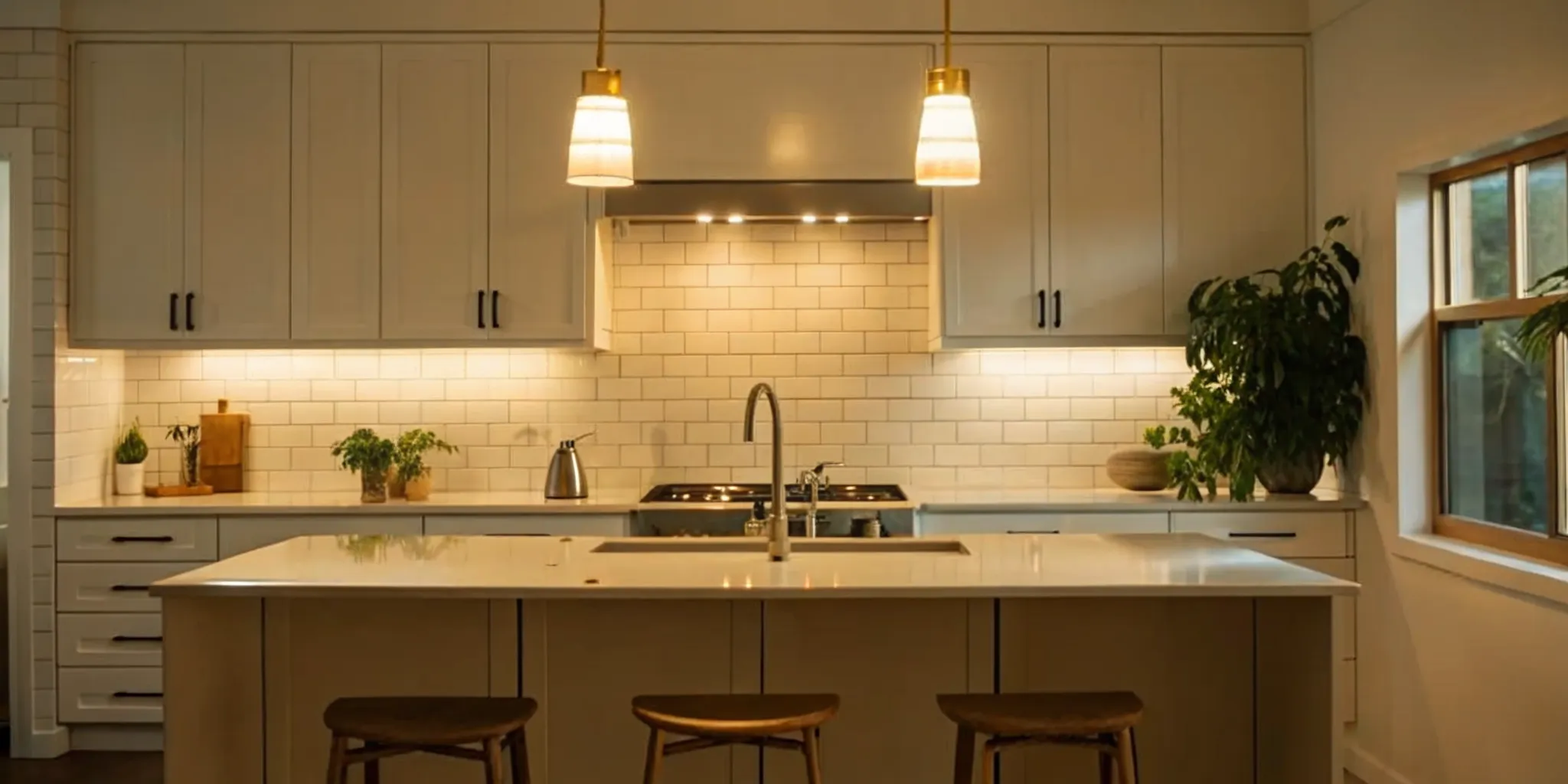
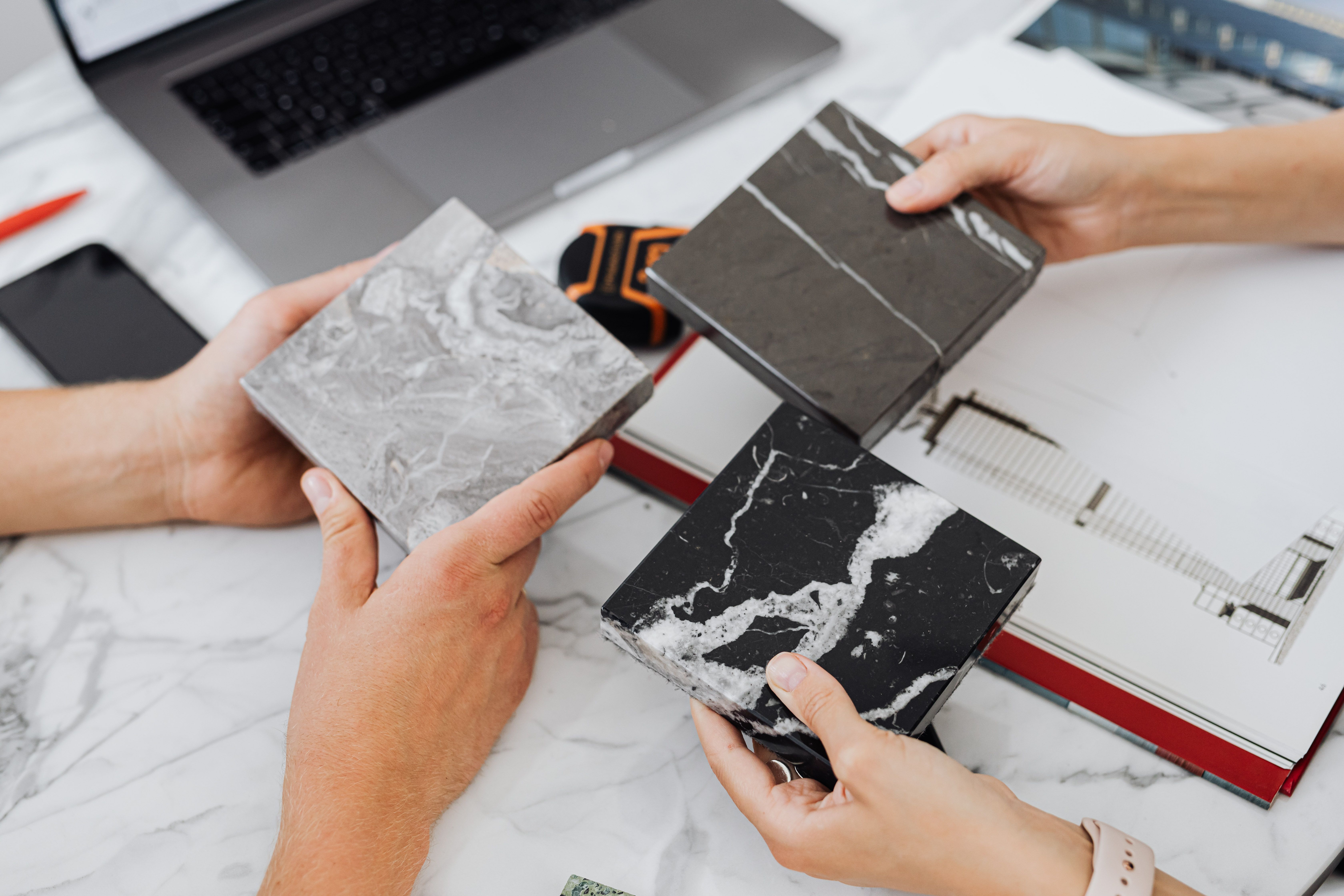
The interior is where you can truly infuse your personal style into the ADU. While the structure is built off-site, the finishes are all up to you. You’ll get to select everything from flooring and paint colors to kitchen cabinetry and countertops. Legally, an ADU must include a living area, bathroom, and spaces for cooking and eating, and most come standard with essential, energy-efficient appliances like a refrigerator and oven. The final choices on fixtures, tile, and lighting are what will transform the unit from a structure into a home. Having an expert plan helps ensure all these details come together beautifully.
Who Builds Prefab ADUs in Los Angeles?
Finding the right builder is one of the most important steps in your ADU journey. The Los Angeles area has a growing number of companies that specialize in prefab construction, each offering different designs, services, and price points. This boom means you have plenty of choices, but it can also feel overwhelming to sort through them all. Some companies are full-service, meaning they handle every single detail from permits to installation. Others focus solely on manufacturing the unit, leaving you to coordinate site prep and other logistics.
The best partner for you depends on your budget, timeline, and how involved you want to be in the process. It's a big decision, and the company you choose will have a huge impact on your experience. While Realm doesn’t manufacture ADUs, our role is to be your expert guide. We help you make sense of your options and connect you with the best local builders for your specific project. To give you a head start, here are a few of the top prefab ADU builders working in Los Angeles, along with some tips on how to choose the right one for you.
Realm
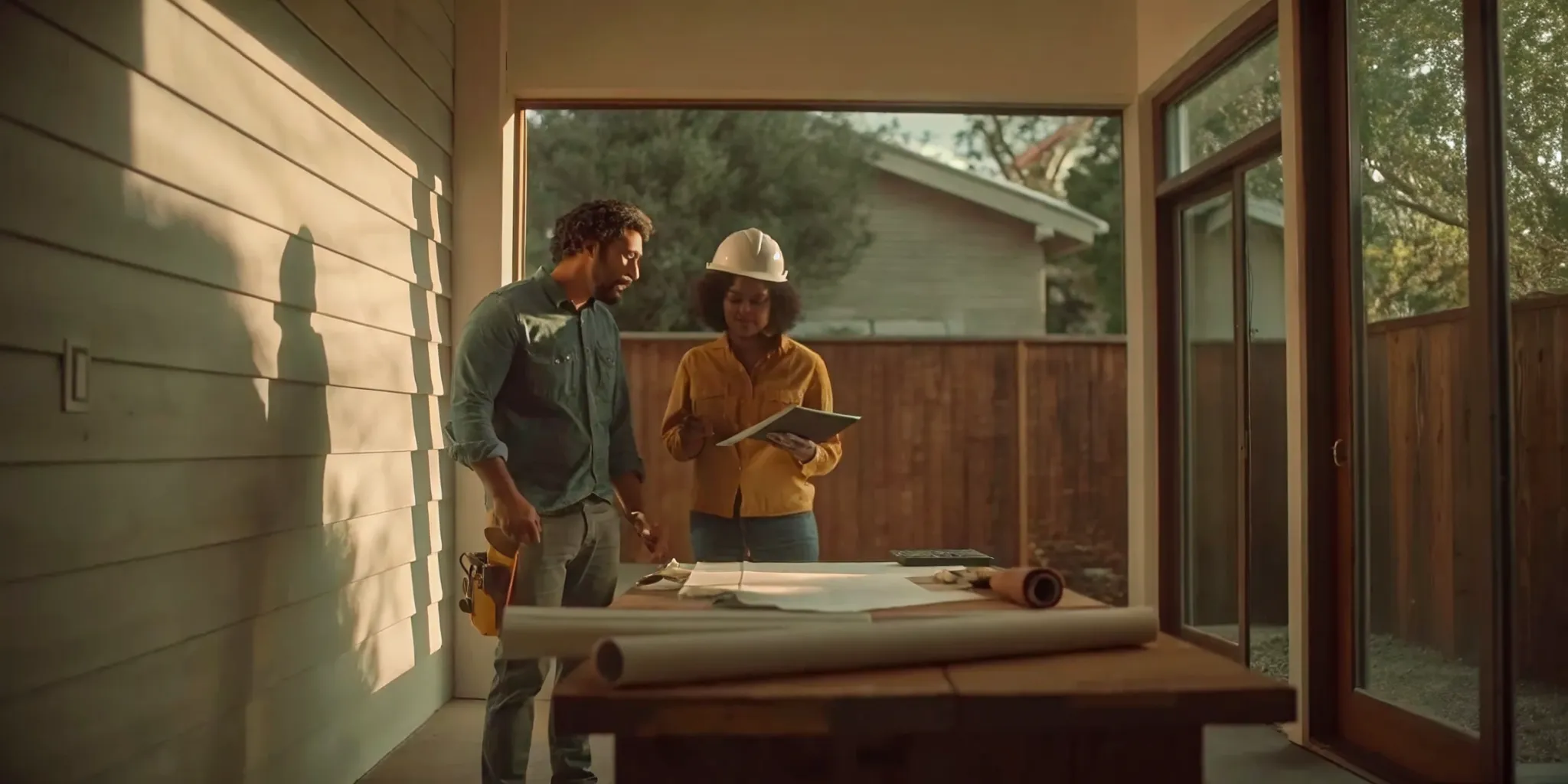
So, what’s our role in all of this? Think of us as your personal project advisor. We don't build the ADUs ourselves. Instead, we provide the data, tools, and expert guidance to help you plan and manage your project from start to finish. Our process starts with helping you understand your property’s potential and creating a realistic budget. From there, we connect you with our network of vetted prefab ADU builders in Los Angeles. We help you compare bids and choose the right team for the job. Throughout the project, your dedicated Realm advisor is there to make sure everything runs smoothly, giving you the peace of mind that comes with having an expert on your side.
USModular
USModular is a well-established prefab builder with a strong presence throughout Southern California. They have built over 100 ADUs in the region and are known for creating high-quality homes that are often more affordable than traditional construction. Their process is streamlined because their plans are pre-approved by the State of California, which can significantly cut down on the time it takes to get your permits. For homeowners looking to finance their project, USModular also helps connect them with grant opportunities. For example, you may be able to receive a $40,000 grant to put toward the cost of your ADU, making it an even more accessible option.
Abodu
If speed and simplicity are your top priorities, Abodu is a company worth looking into. They specialize in a turnkey service that takes you from design to installation in as little as six months. Abodu manages the entire process for you, including handling the complex world of permits, building the unit off-site, and delivering it to your property. Because many of their units are pre-approved, the permitting process is often much faster than with a custom build. This makes Abodu a fantastic option for homeowners who want a beautiful, modern ADU without the stress of managing a long, complicated construction project. You can explore their Los Angeles-specific offerings to see their various models and finishes.
How to Choose the Right Prefab Company
When you’re ready to choose a builder, it’s important to do your homework. You’ll want to work with an experienced company that has a proven track record of building compliant ADUs in Los Angeles. Check their portfolio, read reviews, and ask for references. A reputable builder should be able to provide a fixed price after a thorough site assessment, so you have a clear understanding of the total cost before you sign a contract. This vetting process can be time-consuming, which is where we come in. Realm has already done the heavy lifting by building a network of trusted vendors. We connect you with builders who are not only skilled but also reliable and transparent, ensuring your project is in good hands.
LA Permits and Zoning: What to Expect
Let’s talk about the part of the project that can feel the most intimidating: permits and zoning. It’s easy to get lost in the rules and regulations, but I promise it’s more straightforward than it seems, especially with a good team on your side. Getting the green light for your prefab ADU in Los Angeles involves a few key steps, from confirming your property is eligible to getting that final sign-off from the city. Think of it as a checklist. We’ll walk through who you’ll be working with and what they need to see, so you can feel confident and prepared.
This process ensures your new space is safe, legal, and built to last. While it might sound like a lot of paperwork, breaking it down into manageable steps makes all the difference. The goal is to move through this phase smoothly so you can get to the exciting part: watching your ADU come to life. Having a clear understanding of the local requirements before you even start helps prevent costly delays and headaches down the road. We'll cover everything from checking your property's specific zoning to knowing which agencies will approve your plans and how to sidestep common hurdles. With the right information, you can approach the permitting process with a solid plan.
Checking Your Property's Eligibility
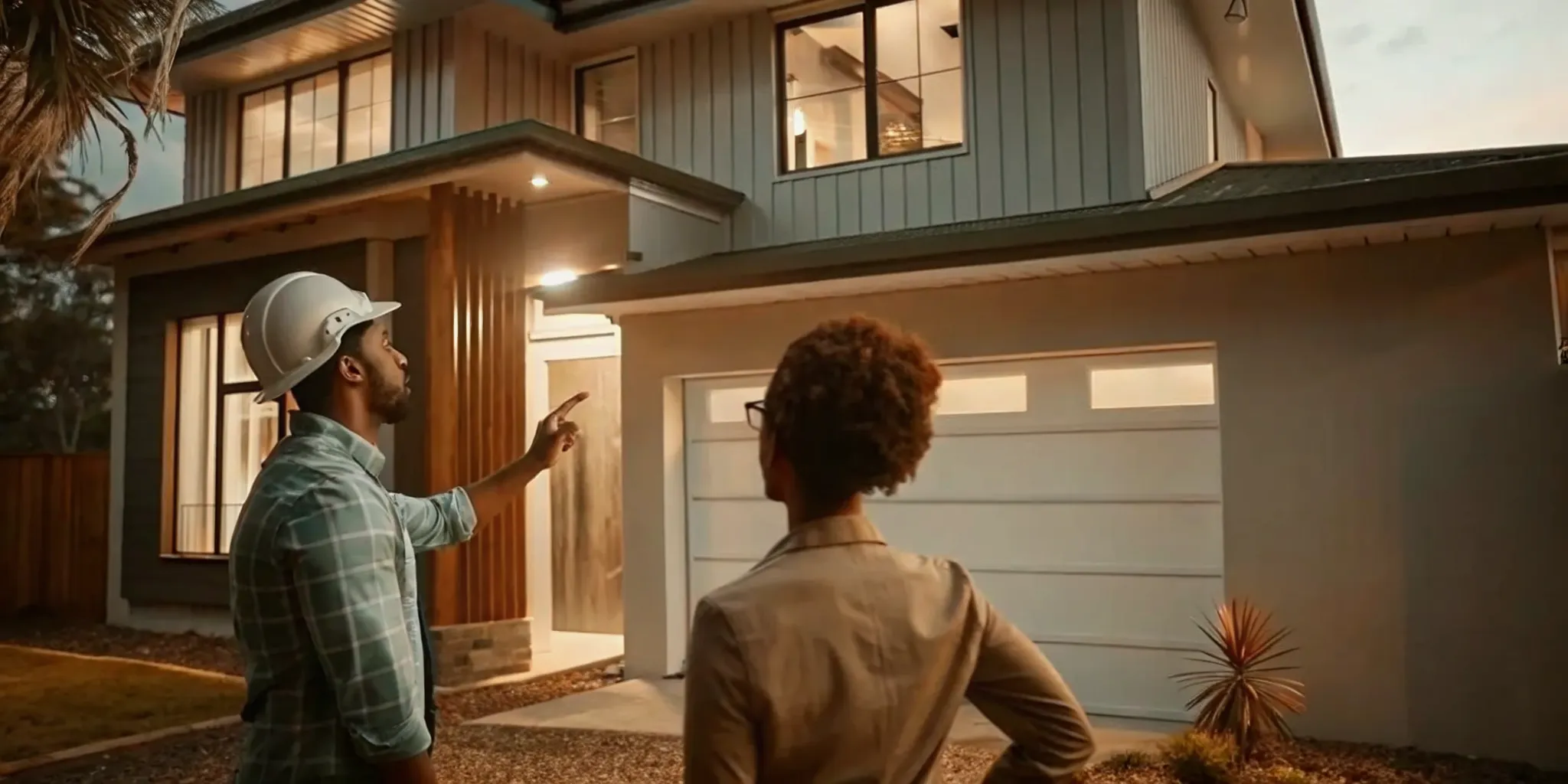
Before you get too far into designing your dream ADU, the first step is to confirm your property is eligible. Los Angeles has specific zoning laws and building codes that dictate where and what you can build. This includes rules about how far the ADU must be from your property lines (setbacks) and the primary home. While state laws have made it easier than ever to build an ADU, local requirements still apply. It’s a great idea to work with an experienced prefab builder to make sure you follow all the rules from the start. They can perform a feasibility analysis on your property to catch any potential red flags early on.
Key Agencies: Who Approves Your Project?
You won’t be dealing with just one office. For a prefab ADU, two main agencies will review your project. First, the California Department of Housing and Community Development (HCD) inspects and certifies the unit while it’s being built in the factory. Their job is to ensure the structure itself is sound. Second, the Los Angeles Department of Building and Safety (LADBS) is the local agency that handles on-site approvals. Together, the HCD and LADBS make sure prefab homes are safe and meet all state and local codes. Your building partner will typically manage the communication with these agencies, but it’s helpful to know who the key players are.
Submitting Your Plans for Approval
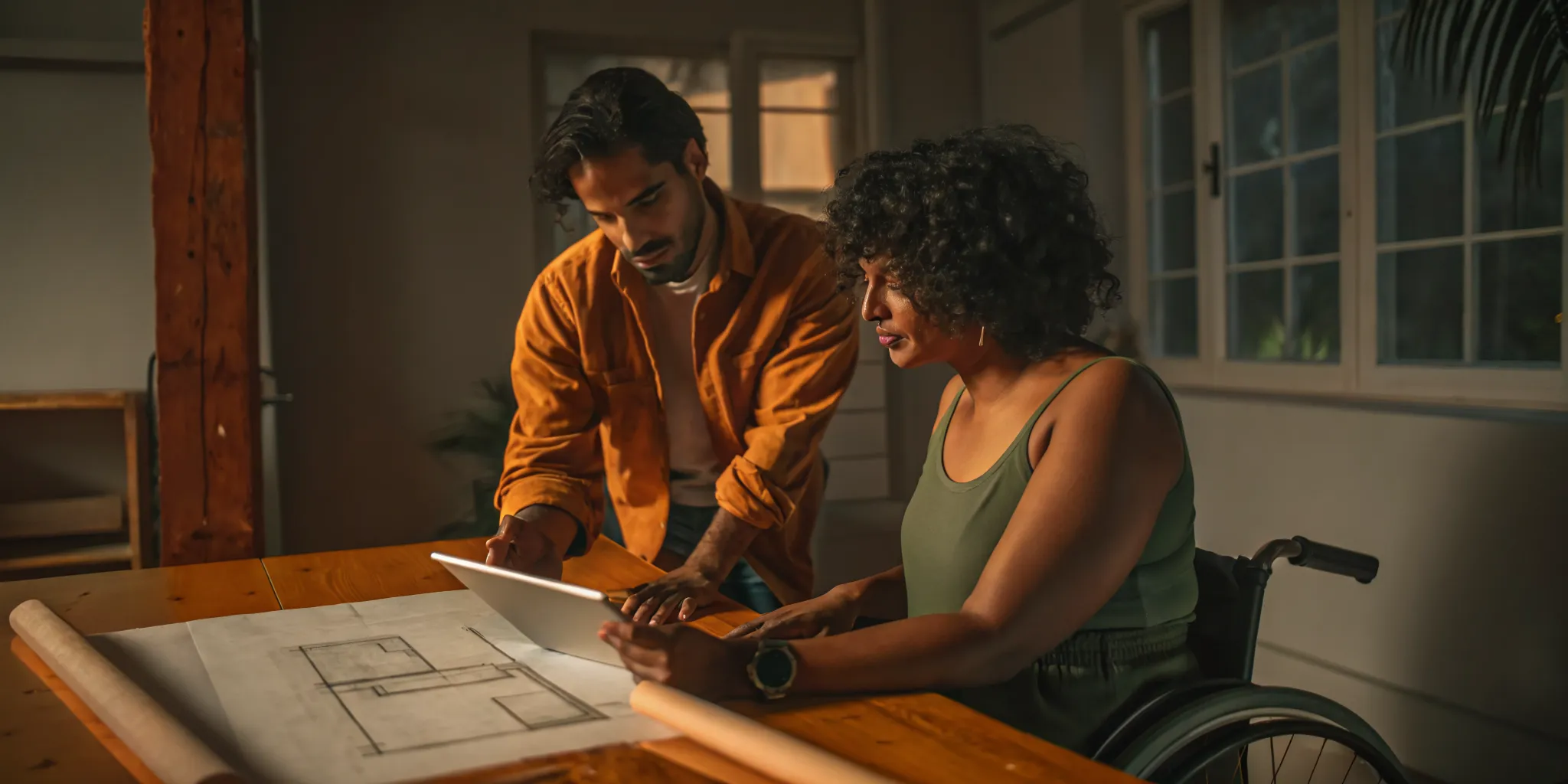
Once your design is finalized, it’s time to make it official. You or your contractor will need to submit plans to the Los Angeles Department of Building and Safety (LADBS) for review. This package usually includes architectural drawings, structural calculations, and a plot plan showing where the ADU will sit on your property. It also details things like the foundation design and utility connections. This step is critical for getting your building permit. A thorough and accurate submission is the key to a smooth approval process, which is why working with professionals who know the LADBS system is so valuable. They can ensure your application is complete and correct the first time.
How to Avoid Common Permit Hurdles
A few common issues can slow down the permitting process, but they are easy to avoid with proper planning. For instance, ADUs must follow LA's building codes, which include having proper sewer, gas, and water connections with their own shut-off valves. Another key detail is the foundation. To be considered a permanent home, most prefab ADUs need to be placed on a permanent foundation. Planning for these utility and foundation requirements ahead of time will prevent surprise requests from the city inspector. A great partner, like a Realm advisor, will have a pre-flight checklist to make sure all these boxes are ticked long before your ADU arrives.
Your Prefab ADU Project Timeline: From Start to Finish
One of the biggest draws of a prefab ADU is the streamlined timeline. Because the unit is built in a factory while your property is being prepared, the whole process is much faster than a traditional, on-site build. While every project is unique, you can generally expect your prefab ADU to be ready in a matter of months, not years. Let’s walk through the major steps so you know exactly what to expect.
Step 1: Design and Pre-Construction
This is the fun part where your vision starts to take shape. You’ll begin by choosing a design that fits your property and your needs, with options ranging from compact studios to spacious two-bedroom units. Once you’ve picked your model, the focus shifts to paperwork. Your project plans, including foundation details and a plot plan showing where the ADU will sit, must be submitted for approval. Getting this step right is key to a smooth project. Working with an expert who understands local regulations can save you from frustrating delays and ensure your project starts on the right foot.
Step 2: Manufacturing and Site Prep
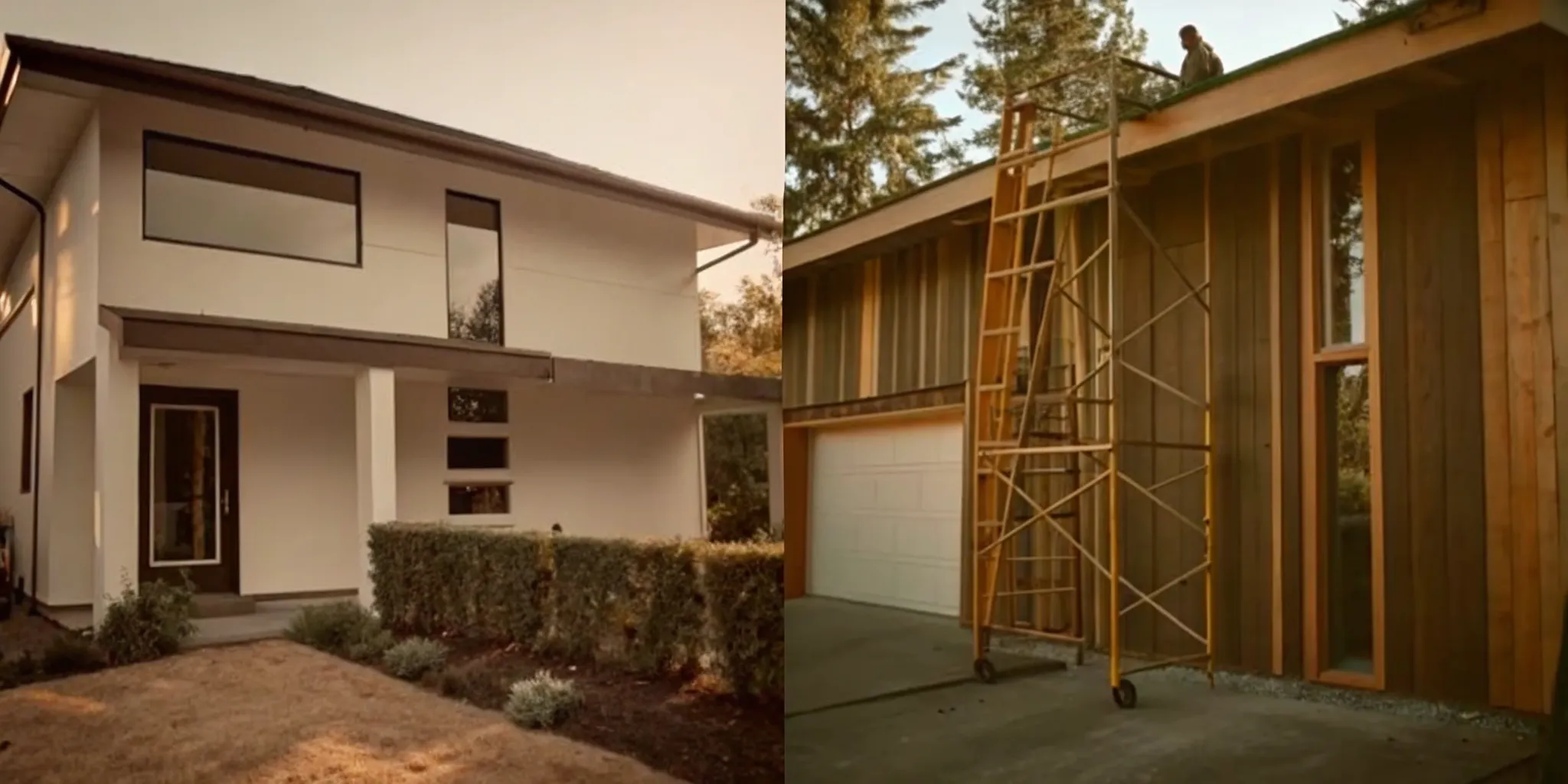
Here’s where the magic of prefab happens. While your ADU is being constructed in a climate-controlled factory, work can begin on your property. A contractor will prepare the site, which involves grading the land, trenching for utilities, and pouring the foundation. The best part? Since most of the construction happens off-site, you’ll deal with far less noise, dust, and disruption at your home. This parallel process is what makes the prefab timeline so efficient. It minimizes the on-site construction chaos and gets you to the finish line faster.
Step 3: Delivery, Installation, and Inspection
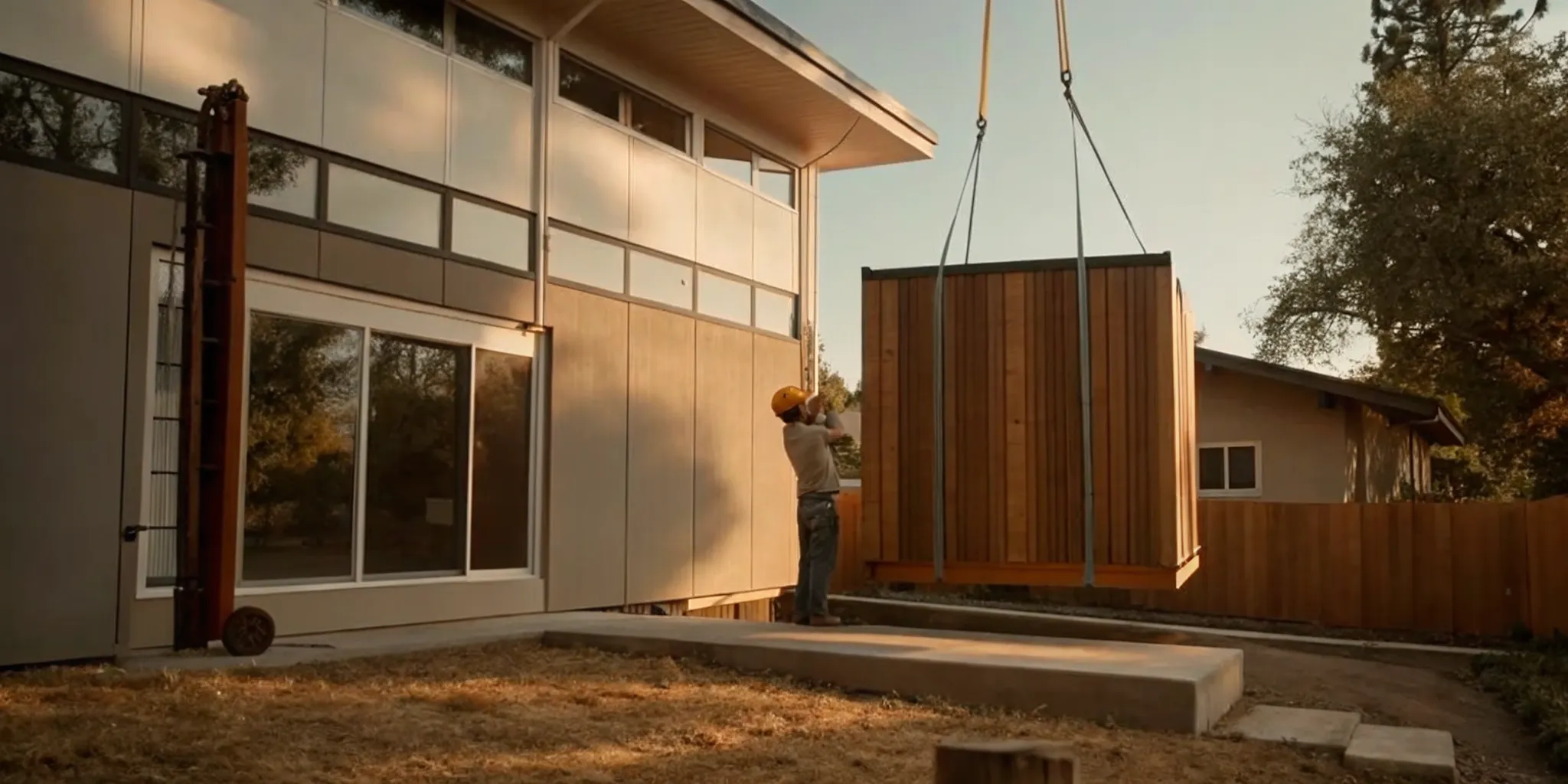
This is where it all comes together. Your finished ADU is transported to your property and carefully craned into place on its new foundation. Most companies can get the unit set in a single day. After it’s secured, the final utility connections for water, electricity, and sewer are made. The last hurdle is a final inspection from your local building department to ensure everything is up to code. Many prefab companies offer end-to-end services to manage this entire process, giving you peace of mind as you watch your new space become a reality.
Common Prefab ADU Challenges (and How to Solve Them)
While prefab ADUs offer a streamlined path to expanding your living space, any construction project can have its hurdles. The good news is that with a little foresight and the right team, you can anticipate these common challenges and keep your project running smoothly. Let's walk through some of the big ones and how to handle them.
Managing Unexpected Site and Utility Costs
The sticker price on a prefab ADU is for the structure itself, but your total project cost will also include preparing your property. Unexpected expenses can arise from site work like grading uneven land or trenching for utility lines. In Los Angeles, all ADUs must have proper sewer, water, and gas connections that meet local building codes. The distance and complexity of these connections can significantly impact your budget.
The best way to solve this is to get a comprehensive site evaluation before you commit. A thorough assessment will identify potential issues and allow you to get a full picture of the costs involved in foundation work and utility hookups, ensuring there are no surprises down the line.
Vetting Your Manufacturer for Quality Control
Your prefab ADU is a long-term investment, so you want to be sure it’s built to last. The quality of prefab units can vary widely between manufacturers, making it essential to do your homework. A great manufacturer will be transparent about their process, use high-quality, sustainable materials, and provide clear, upfront pricing. Look for companies that offer a full-service experience, from securing permits to final installation.
Before you sign a contract, vet your potential manufacturer thoroughly. Ask for a portfolio of completed projects, read customer reviews, and inquire about their warranties. Choosing the right partner ensures you get a well-built home and a stress-free experience.
Addressing Neighbor and Community Concerns
A construction project can be a source of stress for the whole neighborhood. Your neighbors may worry about months of noise, traffic, and general disruption. Fortunately, this is one area where prefab ADUs have a major advantage over traditional construction. Because the majority of the building happens in a factory, the on-site activity is much shorter and less invasive.
To keep the peace, be proactive and transparent. Talk to your neighbors about your plans before the project begins. Explain the prefab process, emphasizing the minimal noise and quick installation timeline. Showing them the design and letting them know what to expect can turn a potential opponent into a supportive neighbor.
Setting Realistic Timelines and Budgets
While prefab construction is generally faster than a traditional build, it’s not an overnight process. A realistic timeline includes stages for design, permitting, manufacturing, site preparation, and final installation. While a manufacturer might build the unit in just a few weeks, the entire project from start to finish will take several months.
Similarly, a realistic budget accounts for everything, not just the base price of the ADU. Be sure your financial plan includes costs for permits, site work, delivery, crane rental for installation, and utility hookups. Working with an advisor to create a detailed plan helps ensure your project stays on track without breaking the bank.
Is a Prefab ADU Right for Your LA Property?
Deciding to add a prefab ADU is a huge step, but it can be an incredibly rewarding one for Los Angeles homeowners. It’s a chance to create more space for family, generate rental income, or simply add value to your property. But before you start picking out finishes, it’s important to ask a few key questions to make sure a prefab unit is a good fit for you and your lot.
Thinking through the practicalities now will save you headaches later. You’ll want to look at your property’s specific zoning rules, get a clear picture of the financial investment and potential return, and consider how you’ll manage the project from start to finish. It might seem like a lot, but breaking it down makes the process feel much more approachable. Let’s walk through what you need to consider to determine if a prefab ADU is the right move for your LA home.
Reviewing Your Lot and Zoning
First things first: let’s talk about your property. In Los Angeles, local and state rules will guide what you can build. For instance, a residential prefab home usually needs to be at least 400 square feet. You’ll also need to get permits from both the state (HCD) and the city (LADBS) before any installation can happen. Because these regulations can be tricky, it’s a smart idea to work with an experienced team that understands LA’s specific ADU requirements. This ensures your project follows all the rules from the very beginning, preventing costly delays or redesigns down the road.
Weighing the Investment vs. the Return
A prefab ADU is a significant investment, so it’s crucial to understand the costs and benefits. A smaller 400-square-foot studio can start around $184,000, while a larger 1,200-square-foot unit could be more than $450,000. While that’s a wide range, keep in mind that prefab ADUs can be up to 30% cheaper to build than a traditional stick-built unit. With the high cost of housing in LA, you can also rent out your ADU for a steady income stream. This not only helps offset the initial cost but also turns your property into a more valuable asset for years to come.
How Realm Simplifies the Entire Process
Juggling permits, finding a reliable builder, and managing a budget can feel overwhelming. That’s where having a trusted partner makes all the difference. Instead of you having to handle everything, Realm provides a dedicated advisor to guide you through every step. We connect you with our network of vetted prefab companies and contractors who are right for your specific project. Our team helps you make sense of your property data, create a realistic budget, and oversee the project to ensure it runs smoothly. With expert guidance from Realm, you can move forward with confidence, knowing you have a plan and a team to bring your vision to life.
Related Articles
- The 500 Sqft Threshold: Why It's the Most Popular ADU Size in California
- The Real Cost to Build an ADU in San Diego
- Average Cost of an Accessory Dwelling Unit: A Breakdown
- ADU Zoning 101: What Homeowners Need to Know
- What Can You Build in 600 Square Feet? Real Projects & Prices
Frequently Asked Questions
What is Realm's role in this? Do you build the ADUs? That's a great question. We don't manufacture the ADUs ourselves. Think of us as your personal project advisor and advocate. We provide the data, expert guidance, and planning tools to help you make smart decisions from the very beginning. We then connect you with our network of trusted, vetted prefab builders and contractors in Los Angeles and help you manage the project, ensuring everything stays on track and on budget.
Is a prefab ADU lower quality than a traditionally built one? Not at all. This is a common myth, but modern prefab ADUs are built to meet or even exceed the same strict building codes as traditional, on-site construction. Because they are built in a controlled factory environment, the quality control is often more consistent, and the materials are protected from the elements during construction. They are permanent, durable structures designed to last.
How long does the entire prefab ADU process actually take? While every project is unique, you can generally expect the process to take several months from start to finish, which is significantly faster than a typical ground-up build. The timeline includes a design and permitting phase, followed by simultaneous factory construction and on-site foundation prep. The final delivery and installation on your property is often completed in just a few weeks.
What costs are involved besides the price of the ADU itself? The base price of the ADU covers the structure, but your total investment will include other essential costs. You should plan for site preparation, which includes grading and building a foundation. Other expenses include permit fees, utility hookups for water, sewer, and electricity, and the cost of transporting and craning the unit into place. Creating a comprehensive budget that includes these items is a critical first step.
Do I have to manage the permits and site preparation myself? This depends on the builder you choose. Some prefab companies offer a full, turnkey service where they handle every step, including permits and site work. Others may only manufacture the unit, leaving you to coordinate the rest. A key part of our role at Realm is to help you understand these differences and connect you with the right partners who fit your needs, so you have the right level of support throughout the project.