Seattle ADU Cost: A Homeowner's Planning Guide
Start planning your Seattle ADU cost with a clearer budget. Compare permits, timelines, design choices, cost drivers, and contractor bids.
|
June 24, 2026
In this article:
Seattle ADU Cost: A Homeowner's Planning Guide
Seattle ADU cost planning often begins with a six-figure budget for a new backyard cottage. This high price makes it vital to compare all ways to gain space before you sign a contract. Knowing the market helps you avoid overpaying.
Seattle ADU cost often ranges from $150,000 to over $500,000 in 2026 based on the project type, build size, and specific home factors like slopes. A new structure, or DADU, is usually the most expensive choice because it needs a new foundation and its own utility lines. Attached units inside an existing home can be much cheaper and often range from $100,000 to $250,000 depending on the layout. Homeowners can save time and money by using city-approved plans that cut permit waits down to a few weeks, according to Seattle ADU. Knowing these price points helps you choose the best path between a backyard cottage, a room addition, or a basement remodel for your home.
Every homeowner wants to know the true price of adding space before starting a major project. Weigh the value of a backyard cottage against the cost of a home addition or basement suite. The first step is understanding what a Seattle ADU costs and which option fits your property.
What does a Seattle ADU cost?
Building a backyard home or a basement unit in Seattle is a big move. Most Seattle unit builds in 2026 run between $150,000 and $500,000 or more. Your final price depends on the size of the unit and the type of build you choose. You should start by checking ADU project bids from local pros to see where your money goes. Home prices in the area stay high, so adding a unit is often a smart way to gain space without moving. It can help you house family or earn rent to cover your own house bills.
Detached vs. attached unit costs
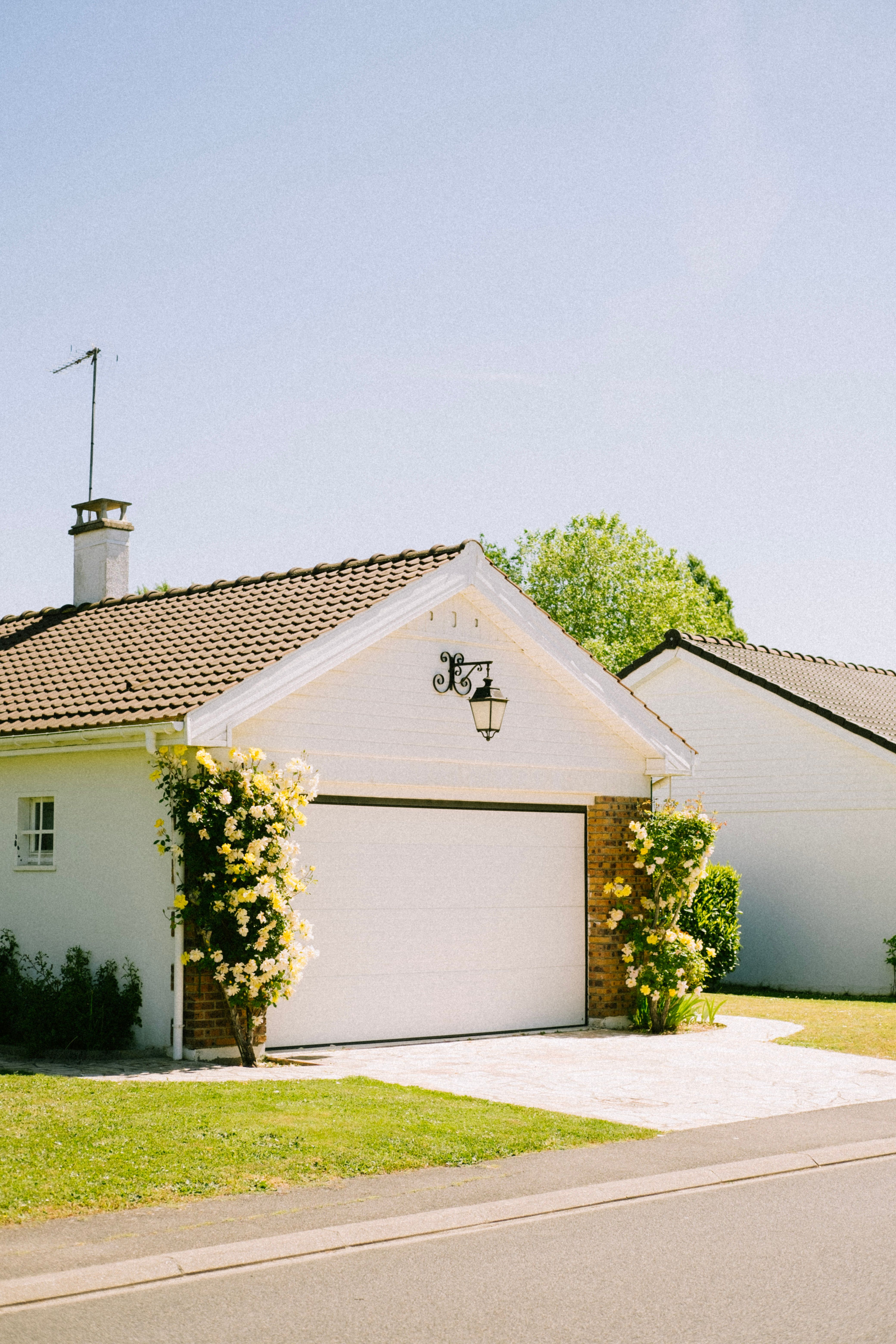
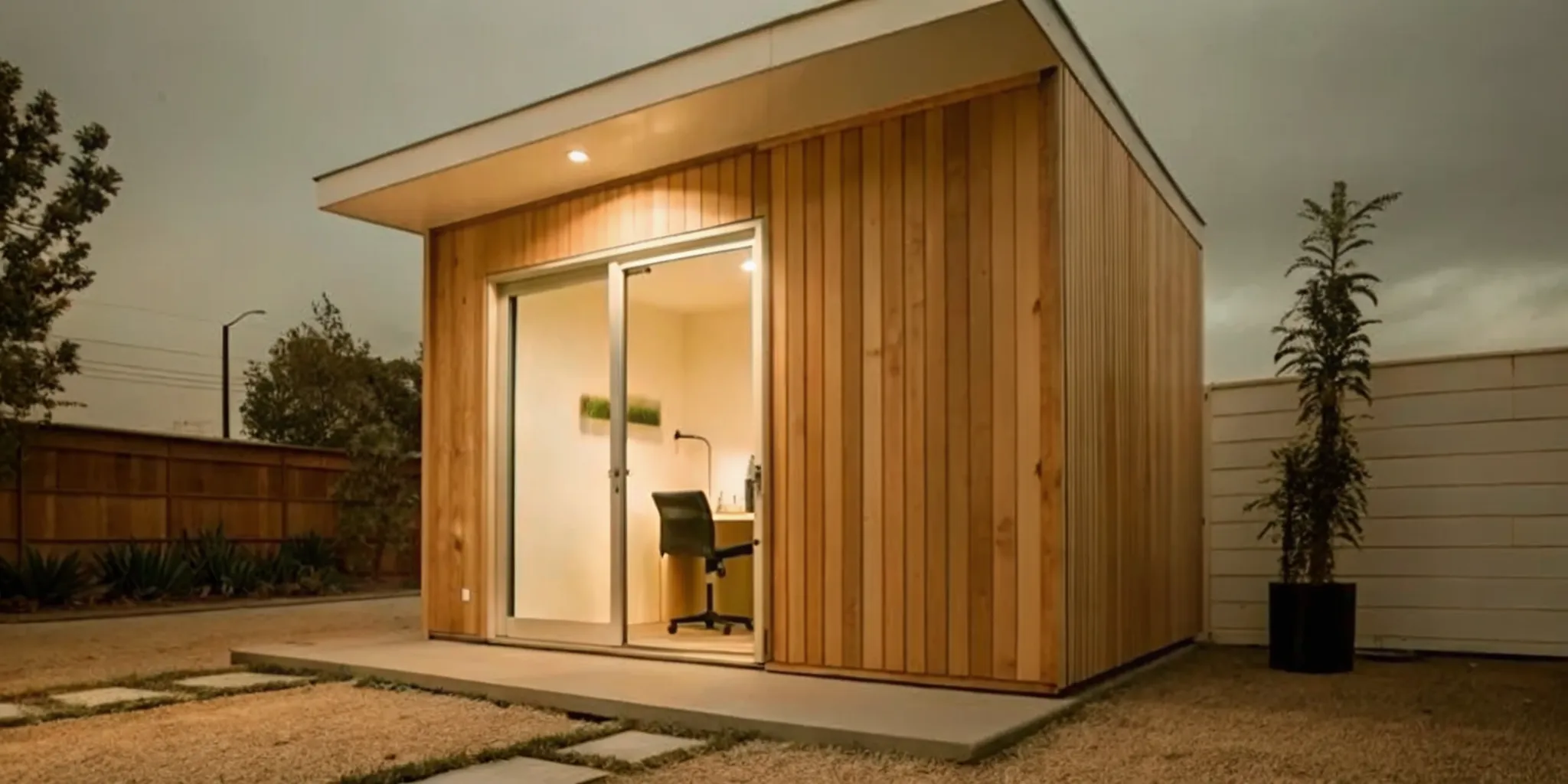
A detached unit, or DADU, is its own building on your lot. These are often the most expensive option. This is because they need a new base and their own water and power lines. You may also need to pay for new yard work or a long path to the unit. In Seattle, a DADU often costs between $250,000 and $450,000. Attached units, or AADUs, sit inside your main home. These units usually cost less because they share walls and pipes with your house. You might add a suite in an attic or a small room on the side of your home. These smaller units can still add a lot of value to your lot.
Home update and change options
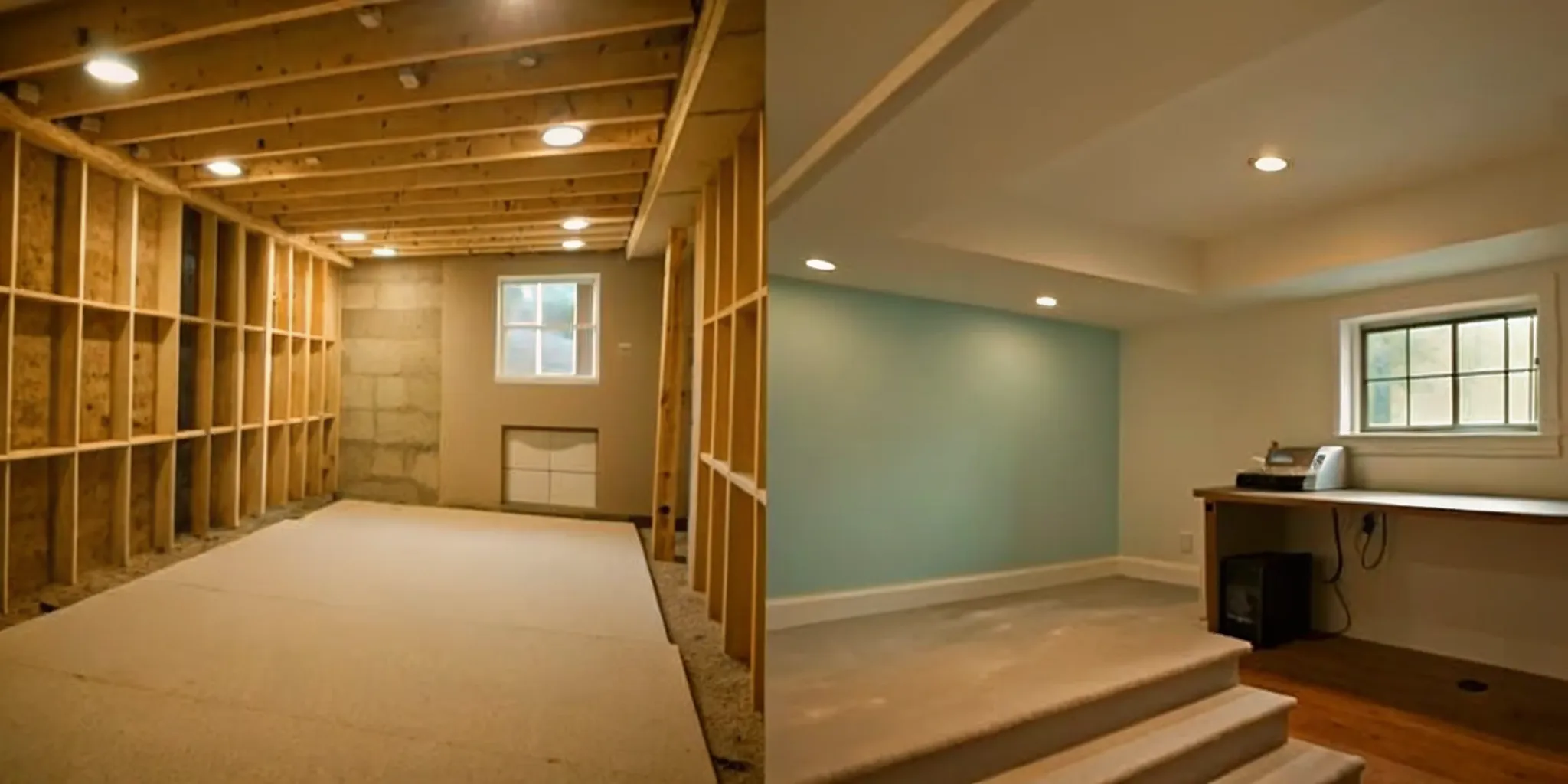
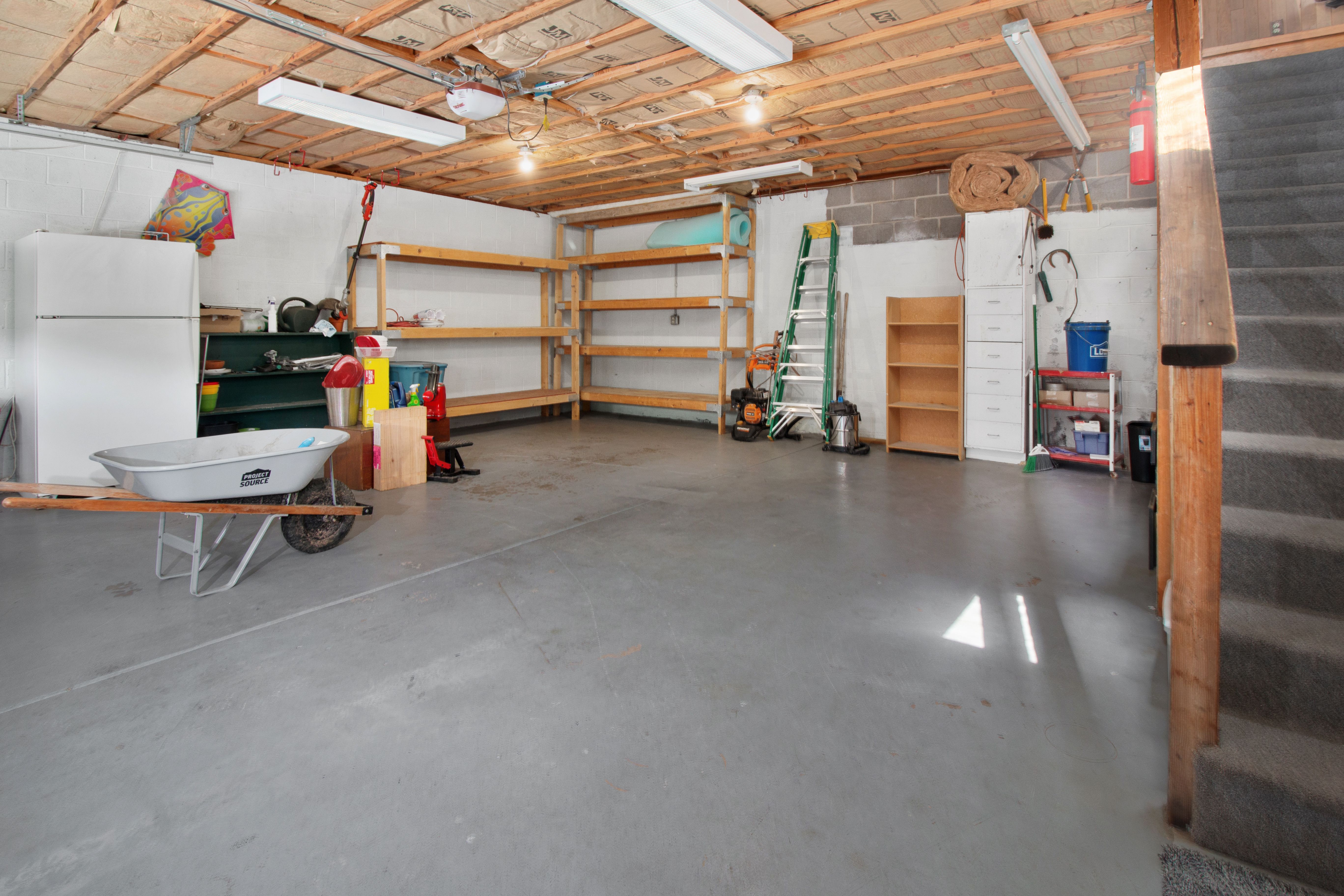
Changing a basement or a garage can be a smart way to save money. These projects often cost between $150,000 and $300,000 since the frame of the building now exists. This cuts down on the work needed for a new roof or a new base. But you must still meet all city building and heat codes. This means adding new walls, fire safety tools, and proper exits. Using pre-set plans for a DADU can also help you save time and cut down on design costs. These plans are now checked by city staff. This makes the permit phase much faster and easier for most owners.
Planning for extra costs
Do not forget to plan for permit costs and city fees. Seattle may ask you to pay for new power service or a sewer charge. These fees can add thousands of dollars to your total bill. You should also set aside cash for site work like tree removal or soil tests. Seattle City Light may ask you to upgrade your power service if you add a new unit. You will also likely face a sewer charge from King County. This fee helps pay for the impact of the new unit on the city sewer lines. These soft costs are just as vital as the hard costs like wood and nails. Most builds take about 6 to 12 months from start to finish. Working with an expert advisor can help you stay on track and avoid price hikes mid-build. This ensures your project meets your needs and stays within your price range.
| Unit Type | Price Range | Main Details |
|---|---|---|
| Detached (DADU) | $250,000 - $450,000+ | New build, own power and water. |
| Attached (AADU) | $150,000 - $300,000 | Shares house walls and frame. |
| Basement Change | $150,000 - $300,000 | Uses current space, low site work. |
| Garage Change | $150,000 - $300,000 | Uses old shell, needs interior work. |
The cost drivers that change an ADU budget
Building an accessory dwelling unit (ADU) in Seattle is a big task. While you might see a wide range of prices, most local builds in 2026 cost between $150,000 and $500,000. Knowing what drives these costs helps you plan better. It also makes it easier to talk to builders about your goals. Many things affect the price, from the ground work to the final coat of paint. By looking at each driver, you can see where to save and where to spend.
Unit type and foundation needs
The biggest choice you will make is between an attached or detached unit. An attached accessory dwelling unit (AADU) is inside your current house. These are often basement or garage units. They tend to be the most affordable option, often costing $100,000 to $250,000. A detached unit (DADU) is a separate building. The City of Seattle says these must meet all current building and land use codes. Because they need new foundations and roofs, they often cost $250,000 to $450,000 or more.
The land itself also plays a huge role in your budget. If your lot is flat and easy to reach, your costs will be lower. But if you have a steep hill or rocky soil, site prep will be costly. You may need to build tall retaining walls or use special piers for the foundation. You must also think about how crews will reach the site. If they have to move dirt and tools through a narrow side yard, it takes more time. This extra labor adds to your bill. Some owners find that home addition projects are a better fit for their lot and budget.
Utility lines and city fees
Linking a new unit to city services is a complex task. Every ADU needs its own water, power, and sewer lines. For a detached unit, you often have to dig deep trenches across your yard. These lines must meet city rules for size and slope. In some cases, you might also need to upgrade your main water line or power panel. These power panel upgrades can add thousands to the price before you even start building the walls.
City fees are another cost that homeowners often miss. You will have to pay for plan reviews, building permits, and site visits. These permit-related expenses change based on how big your unit is. Seattle also has a sewer capacity charge from King County. This fee is for any new unit that adds to the local waste system. To save money, look into the city's pre-approved DADU plans. These plans are already checked by the city. Using them can lower your design costs and speed up the permit process. The city says these plans can cut your wait time to just two to six weeks.
Design, finishes, and safety funds
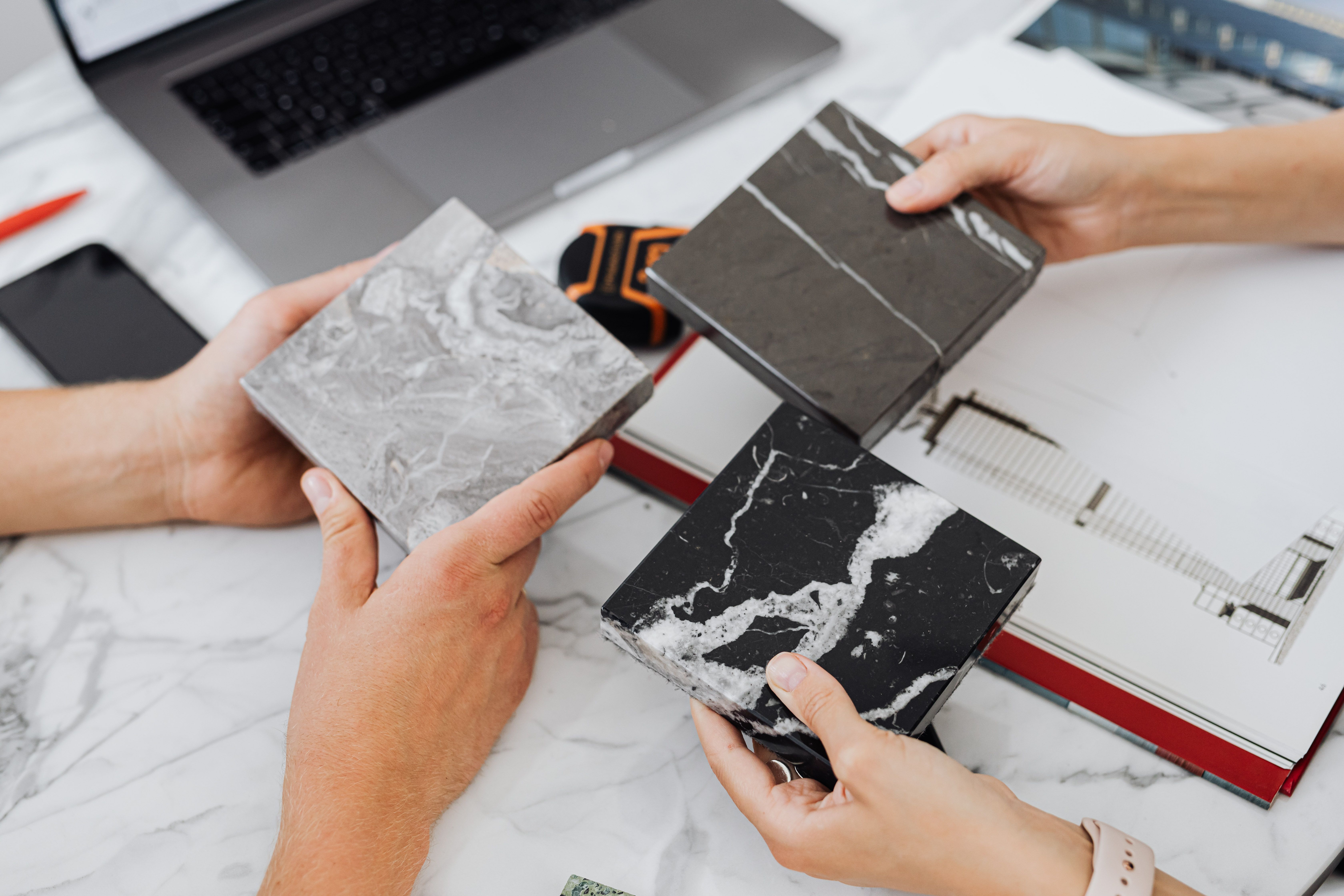
The plans for your build are a big part of the cost. Expert design and engineering fees often take up 10% to 15% of your total spend. These pros ensure your unit is safe and meets energy needs. They also help you get through the city permit office. If you choose a custom design instead of a stock plan, expect to pay more for this work. Your choices for the inside of the ADU will also drive the price. Things like high-end tiles, custom cabinets, and stone counters add up fast.
Finally, you must plan for the unknown. No project goes well from start to finish, and surprises are common once you start digging. Most experts tell you to keep a contingency fund of 10% to 20% of the build cost. This money is there to cover things like old septic tanks or wiring that is not up to code. When you are evaluating ADU project bids, look for a clear list of these costs. A good bid should show you where every dollar goes. This helps you avoid big price hikes later in the project.
Want a clearer path from early budget to contractor bids? Start your renovation plan with Realm.
How does the Seattle ADU permit process work?
Building an extra unit in Seattle has a clear set of city rules. The Seattle Department of Construction and Inspections (SDCI) leads this path. Knowing the steps helps you plan your time and money. It also helps you track your total permit-related costs. Most owners find that early prep makes the work much smoother and more certain for their bank account.
Check your property and zoning
First, you must see what is legal on your lot. Seattle code allows up to two extra units on a home lot. These can be in the house (AADU) or out in the yard (DADU). Your unit must follow height and spot rules to get a yes. You also need to check for land issues like steep slopes. This early check helps you avoid big evaluating ADU project bids shocks later when talking to builders. Zoning rules also set limits on how much of your yard the new unit can cover.
Review building and safety codes
Every new unit must meet city building and safety standards. This includes rules for power use, lights, and pipes. Units must have their own heat and water dials to keep folks cozy. They cannot be sold away from the main house as a separate lot. Following these rules from the start keeps your project on track and safe for use. It also helps you keep your total Seattle ADU cost low by avoiding fix-it costs after the build starts.
View pre-set plan options
Seattle offers a way to speed up the permit wait times. Local pros have made plans that the city has already checked. Using these pre-set plans can cut your wait to just two to six weeks. This path is often cheaper than a custom build because you save on design costs. It also reduces uncertainty during the city review phase. These plans cover many styles, from small rooms to large two-story units. Picking one of these can help you get to the build phase much faster while saving cash.
- Do your research. Look at your land records and zone rules. Make sure your lot has the space needed for a new unit. Check for power lines that might be in the way. A clear site map is the first tool you need for success.
- Pick a design path. You can hire a pro to make a custom plan or use a pre-set one. Pre-set plans are often faster to permit. They can get a green light in two to six weeks. A custom plan may take longer but fits your needs better.
- Submit your plans. Send your full building set to the SDCI. This set includes site maps and detail drawings. You will pay a deposit when you turn in these papers. The city uses this time to check every detail against local laws.
- Fix city comments. City staff will review your plans for safety. They may ask for changes or more info. You must fix these items before the city grants the permit. This talk is a normal part of the process.
- Pay for the permit. Once the city okays the plan, you pay the final fees. This includes sewer charges from King County for the new unit. Then you get your official papers to start the build. These papers must be kept on the job site for workers to see.
- Pass city checks. A city worker will visit your site at key steps. They check the frame, wires, and pipes before they are hidden. Passing these visits ensures the unit is safe and built to the plan. It protects you and any future guests.
- Get final sign-off. After the work is done, the city does one last check. If everything is right, they sign off on the project. Now your unit is legal and ready for use. This step is vital for the future value of your home.
Working with a guide can help you through these steps. Realm advisors have over 2,000 hours of experience in this field. They know how to help you find the right pro and stick to your budget. Realm is free for homeowners after a $299 deposit that is credited toward your project. With a good plan, you can turn your yard or basement into a new living space. Start by checking your lot today to see what you can build in your city.
How long does it take to build an ADU in Seattle?
Most people in Seattle spend 6 to 12 months building an accessory unit. The total time depends on the type of ADU you choose and the speed of the city permit office. A simple garage conversion might move fast. A new, detached house in the backyard will take more time. As you start, it is smart to look at the Seattle ADU cost for your area. This helps you plan for each phase without running out of funds. Knowing the steps can help you stay calm during the long build.
Planning and design steps
The first part of the project is the design phase. This usually takes four to eight weeks. During this time, you must decide if you want an attached unit or a detached structure. An attached unit lives inside your current house. A detached unit is a separate building. You will need to hire a pro to draw the plans. They must make sure the design fits Seattle city rules for size and height. You also need to spend time looking at ADU project bids from many builders. This helps you find a team that can stick to your schedule.
Navigating the permit wait
The permit stage is often the part of the timeline that is hardest to guess. For a new design, the city may take three to six months to review the plans. They check for safety, energy use, and land use rules. If they find errors, your pro must fix them and send the plans back. This back-and-forth can add weeks to the clock. You can skip much of this wait by using a pre-approved plan. The city of Seattle has a list of designs that they have already checked. If you pick one of these, you can often get your permit in 2 to 6 weeks. This choice is the best way to cut months off your project time and keep your Seattle ADU cost low.
Site prep and building
The actual building phase takes the longest time, often four to eight months. It starts with site work and foundation pouring. If you build a detached unit, you will also need to wait for new sewer and power lines. These utility hookups can be slow if the city crews are busy. Once the framing is up, the work moves to the inside of the unit. Plumbers and electricians will install the systems before the walls go up. This work must pass many city checks to ensure everything is safe.
The final weeks of the build focus on the finish work. This includes cabinets, floors, and paint. You should pick your items early to avoid shipping delays. If a sink or tile is out of stock, it could stop the work for weeks. To avoid these traps, work with your builder to order everything at the start. You should also make sure you pay all permit-related costs on time. This keeps the inspectors coming to your site when they are needed. Weather can also slow down outdoor work, so it is best to start your project in the spring or summer if you can.
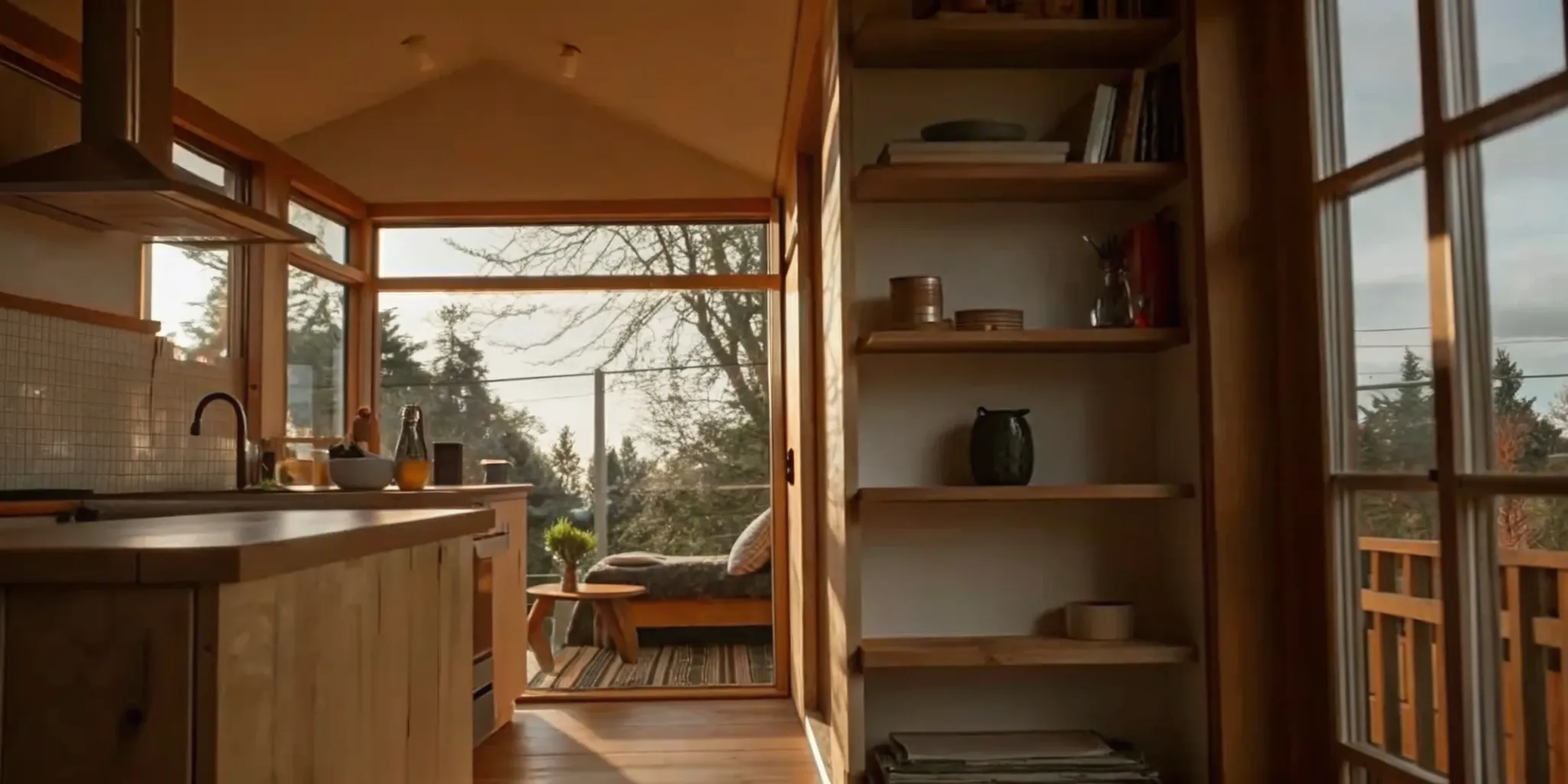
ADU vs. other ways to add space
When you need more room, building a unit in your yard is just one path. You might also add to your main house, fix up your basement, or move to a new place. Each choice has its own set of costs and pros. While the Seattle ADU cost is a major consideration, you also need to think about privacy and how you want to use the new area. Each path changes how you live and how much yard you keep.
Choosing an ADU or a home addition
A home addition builds onto your current house. This can be a new room on the main floor or even a new second story. Additions are great for making your kitchen or living room larger. They help your current home feel more open. But they often take up space in your yard and can be quite messy. You will live in a building zone for many months while the work gets done. This can be hard for homes with kids or pets.
An accessory dwelling unit (ADU) is a bit different. A detached unit sits in your yard as a separate building. This gives you much more privacy than a room addition. It is a top choice if you want a guest house or a rental unit. You can look at home addition projects to see which path fits your budget. A separate unit also lets you host guests without sharing your front door or kitchen.
Converting your basement or garage
Turning a space you already have into a home is often the most affordable way to grow. You can turn your basement or garage into a legal unit. This is often called an attached unit. In Seattle, these projects are common because you do not have to build a new base or roof. This can save you a lot of money and time. It is a smart way to use the square footage you already own.
But there are some trade-offs to look at. You will lose your storage area or your spot to park the car. Also, these units are still part of your main house. You will share walls, floors, and sounds with anyone living there. If you want a truly standalone home for a family member, a detached unit might be a better fit. Keep in mind that you still have to pay for permit costs even if you use an old space. You must also follow city rules for light, heat, and safe exits.
Choosing to renovate or move
Moving to a new house is a big way to get more room. The Seattle housing market has very few homes for sale right now. Buying a larger home can cost much more than building a new unit on your own land. You also have to pay for fees, moving costs, and new loans. These costs add up fast and can be very high. Often, the cost to move is higher than the price of a new backyard cottage.
Building on your lot lets you keep the home and area you love. It also adds a new way to use your land for years to come. You could use the new unit as an office today and a rental in the future. This kind of choice is hard to find when you just buy a bigger house. Most Seattle ADU projects take between 6 and 12 months from start to finish. This is often faster and less stressful than trying to outbid other buyers in a busy market.
Questions to ask before accepting an ADU bid
Checking bids is a key part of tracking your Seattle ADU cost. Most building jobs in the city run from $150,000 to $500,000 or more. You want to make sure you are looking at the same details from each team. This helps you avoid hidden fees and stay on budget. Before you sign a contract, use these questions to check for gaps in the plan.What is in the scope of work?
You should know exactly what you are paying for in each bid. Ask if the price includes the design, planning, and final finishes. Some bids may only cover the shell of the unit. Others might include cabinets, floors, and lights. You must check for "allowances" in the bid. These are set amounts for things like tiles or sinks. If your picks cost more than the allowance, your total price will go up. Ask your team about site prep and trash removal too. Building a separate structure often requires a new base. This can add a lot of work to your yard. Make sure the bid says who handles the cleanup and land grading. Getting clear answers now will help when you are evaluating ADU project bids from different groups.How are utilities and permits handled?
Seattle has strict rules for ADU builds. Your unit must meet all city building and land use codes. Ask if the bid includes the cost of all permit-related expenses. You should also check for utility link fees. For example, King County sewer capacity charges apply to new permits. These fees can be high, so find out if they are part of the bid. Ask about your power needs as well. You may need to upgrade your panel or get new service from the city. These tasks are complex and often cost more than people expect. A good bid will list these items clearly so there are no shocks later. If one bid is much lower than others, check if these fees are missing.What is the timeline and payment plan?
Build times for a Seattle ADU can take 6 to 12 months. Ask each team for a full schedule. You need to know when they will start and when they hope to finish. Ask what happens if the project is late. You should also talk about change orders. These are changes to the plan after work starts. Ask how the team handles the cost and time for these changes. Last, check the payment plan. You should never pay the full amount up front. Most plans use steps, like finishing the base or the roof. This keeps the job moving and protects your money. Ask for proof of insurance and a list of past clients before you sign. A trusted team will be happy to share this info with you.Frequently Asked Questions
How much does it cost to build an ADU in Seattle?
Most Seattle ADU projects in 2026 cost between $150,000 and $500,000. According to Seattle ADU, prices depend on size and how complex the job is. Detached units usually cost more than units built inside an existing house. These costs cover the build, design, and local fees. You should plan for some extra money to cover site work and utility lines.
How much does a detached ADU cost in Seattle?
A detached unit in Seattle often costs between $250,000 and $450,000. These builds are more expensive because they need a new foundation and separate utility hookups. Data from Seattle Real Estate Central shows that prices vary based on your lot and design. Using pre-approved plans may help keep costs lower. You should always get multiple bids from local builders before you start.
Are there ways to save on Seattle ADU construction costs?
Using pre-approved plans can save you time and money. The City of Seattle offers these plans to help homeowners skip long design times. This can also make the permit process much faster. You can also save by building an attached unit inside your existing home. Smaller units with simple finishes are usually the cheapest way to add living space to your property.
Do I need permits for an ADU in Seattle?
Yes, you must get a permit for any new or existing ADU in the city. Your unit must meet all current building and land use rules. The SDCI checks that every unit is safe and legal. If you have an old unit that was never permitted, you need a permit to make it legal. This process ensures your new space meets local energy and electrical codes.
How long does it take to build an ADU in Seattle?
Most Seattle ADU projects take between six and twelve months to finish. The time depends on how complex your build is and how fast you get permits. Using pre-approved plans can cut permit times down to just two to six weeks. According to the City of Seattle, these plans make the process easier to plan. You should also account for time to find a builder and buy materials.
Ready to build your Seattle ADU with expert help?
Putting off your build often leads to higher costs for labor and wood as prices change. Waiting too long might cause slower permit times that push your move-in date back by months. Starting now lets you stop the stress of planning and see real gains in home value. Our team helps you find the right local builders so you can stay on track with your cash. Use our bid review guide to learn how to check local quotes and avoid big risks. You can also use our tools to see what you can build on your lot and what it might cost. You will get a clear roadmap that makes each step of the build feel simple and safe.
Ready to start? Get your custom plan to start your renovation.