What a Second-Story Addition Looks Like (With Photos)
See what a second-story addition actually looks like, with real photos and tips for planning a seamless, stylish upgrade to your home’s space and curb appeal.
|
June 25, 2026

In this article:
A second-story addition is more than just a way to get extra bedrooms; it’s a chance to completely transform your home’s character. This is your opportunity to fix an awkward, sprawling layout, enhance your curb appeal with new dimension and height, or finally adopt the architectural style you’ve always admired. The key is thoughtful planning to ensure the new level feels like a natural, intentional part of your home. To help you get started, we’re diving into what a second-story addition actually looks like. From choosing an exterior that creates a seamless look to planning for windows that flood your new space with light, we’ll explore the visual decisions that turn a simple addition into a stunning transformation.
Key Takeaways
- Prioritize a structural check: Before falling in love with a design, have a structural engineer confirm your home's foundation can handle the weight. This essential first step determines what reinforcements are needed and prevents major budget surprises later on.
- Plan for the full financial picture: Your total budget should go beyond the per-square-foot construction cost. Remember to include a 10 to 20 percent contingency fund for unexpected issues and factor in the cost of temporary housing.
- Choose building up for more space, not less yard: A second-story addition is the ideal solution for adding bedrooms and living areas when you don't want to lose your outdoor space. It's a strategic way to get the home you need in the neighborhood you already love.
What Is a Second-Story Addition?
Simply put, a second-story addition means building a new level on top of your existing one-story home. It’s a major renovation that adds significant square footage without expanding your home’s footprint, which means you don’t have to sacrifice any of your precious yard space. For many homeowners, it’s the perfect solution when you love your neighborhood but have outgrown your house. Instead of moving, you can create the space you need right where you are.
This type of project allows you to add bedrooms, a dedicated home office, a kids' playroom, or even a luxurious primary suite. Because it’s a complex undertaking that involves structural engineering, architectural design, and extensive construction, careful planning is key. A successful project starts with a clear understanding of how it works, from initial feasibility studies to the final design touches. The result is a home that’s customized to fit your family’s needs, both now and in the future.
Full vs. Partial Additions
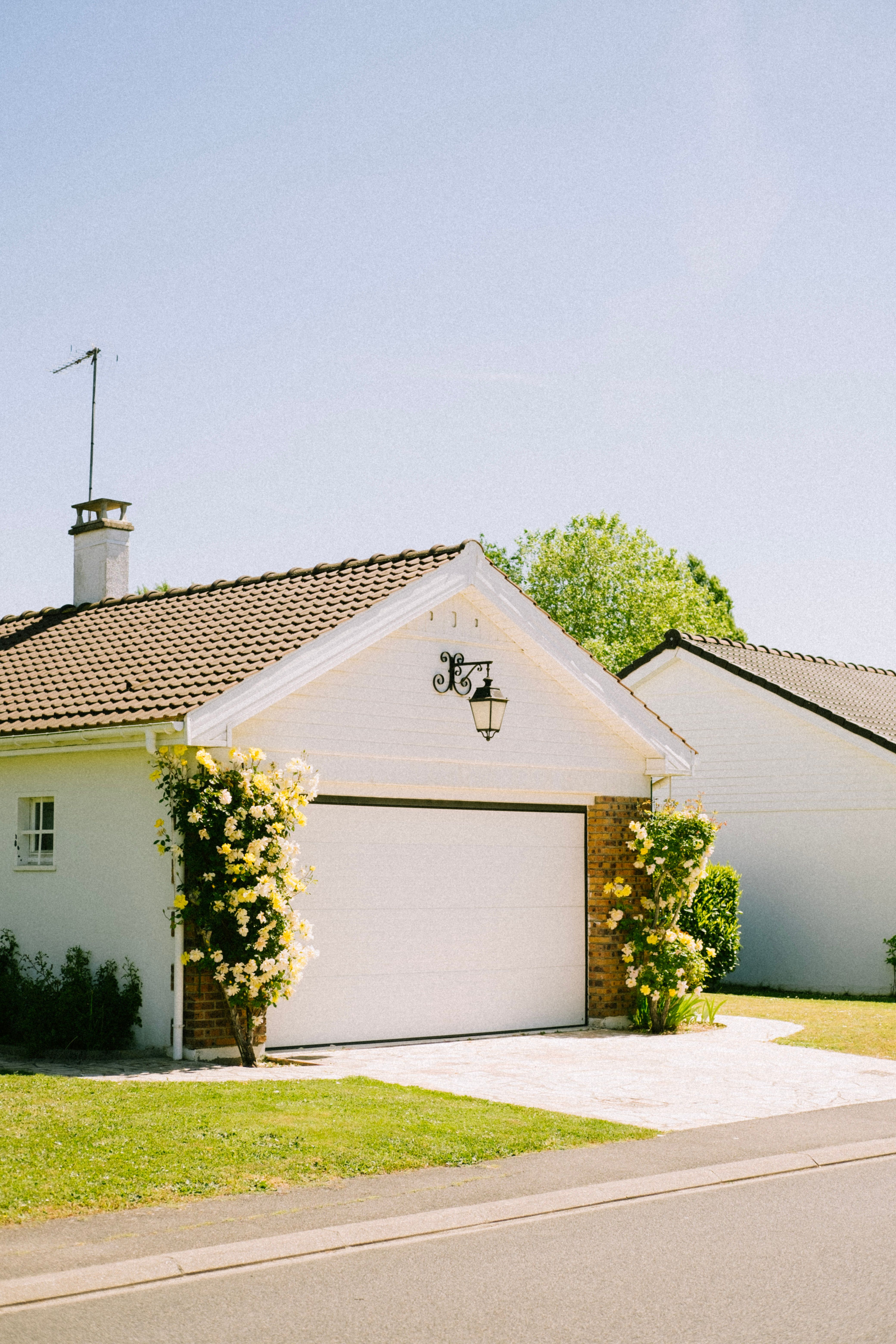
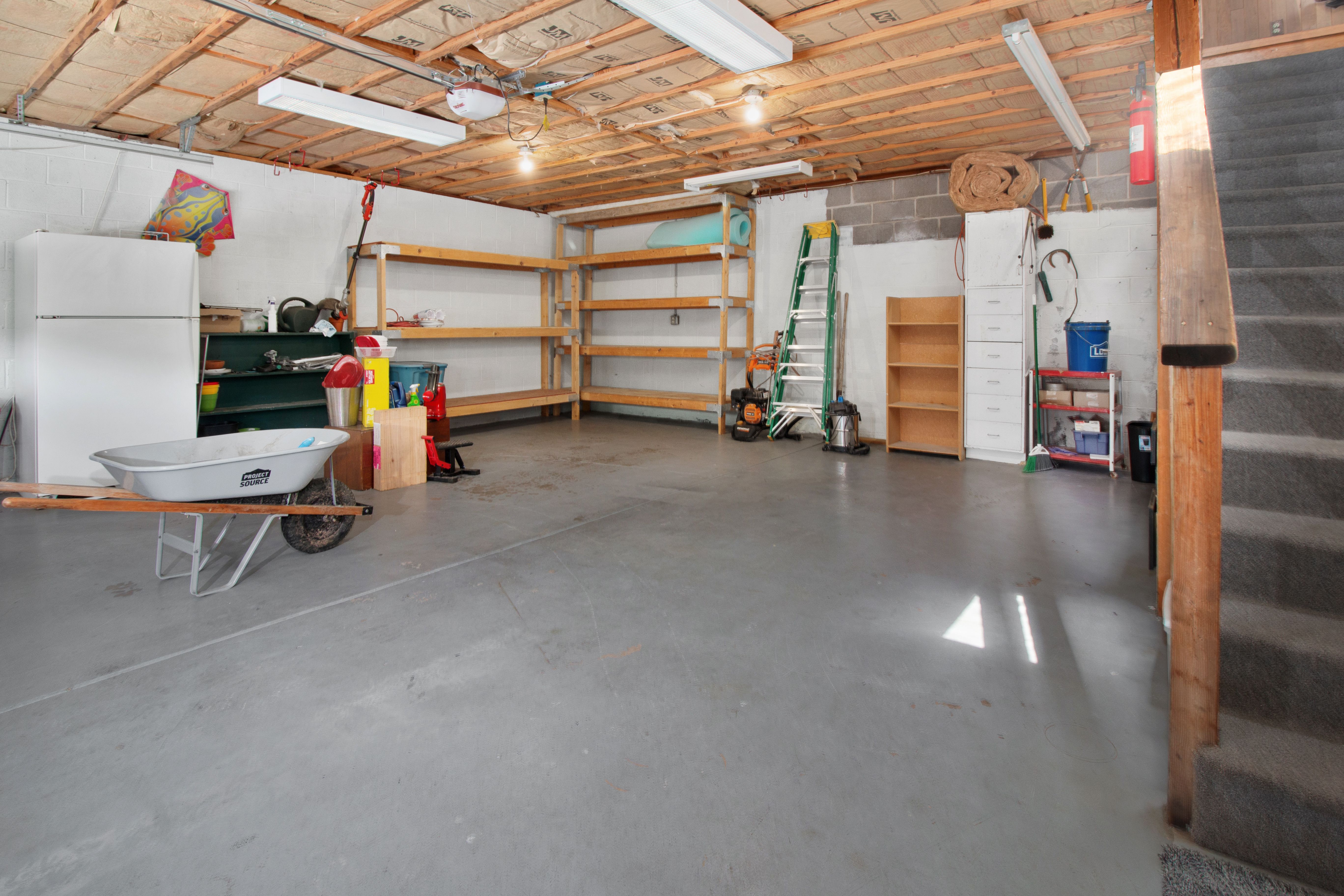
When planning your addition, you have two main options: full or partial. A partial second-story addition adds new living space above just one section of your existing home. Think of building a new bedroom suite over your attached garage or adding a quiet home office above your first-floor living room. This approach is a great way to gain a specific type of space without committing to a massive overhaul. It can be a more budget-friendly option while still making a huge impact on your home’s function.
A full second-story addition, on the other hand, involves adding a new level across the entire footprint of your house. This essentially doubles your home’s living area and is the most transformative option. It’s ideal for growing families who need multiple new bedrooms and bathrooms.
Second-Story Additions vs. Other Expansions
The biggest decision you’ll face when adding space is whether to build up or build out. Building out with a ground-floor addition means extending your home into your yard, while building up adds a second story. The primary advantage of a second-story addition is that it preserves your outdoor space. If you have a small lot or simply don’t want to give up your garden or play area, building up is the clear winner.
Building up also helps you sidestep tricky property line rules, since you aren’t changing your home’s footprint. Ground-floor additions often have to comply with setback requirements that dictate how close you can build to your property lines. Deciding which path is best depends on your property, budget, and long-term goals, which is why Realm provides a dedicated advisor to help you weigh the pros and cons for your specific home.
What Will a Second-Story Addition Look Like?
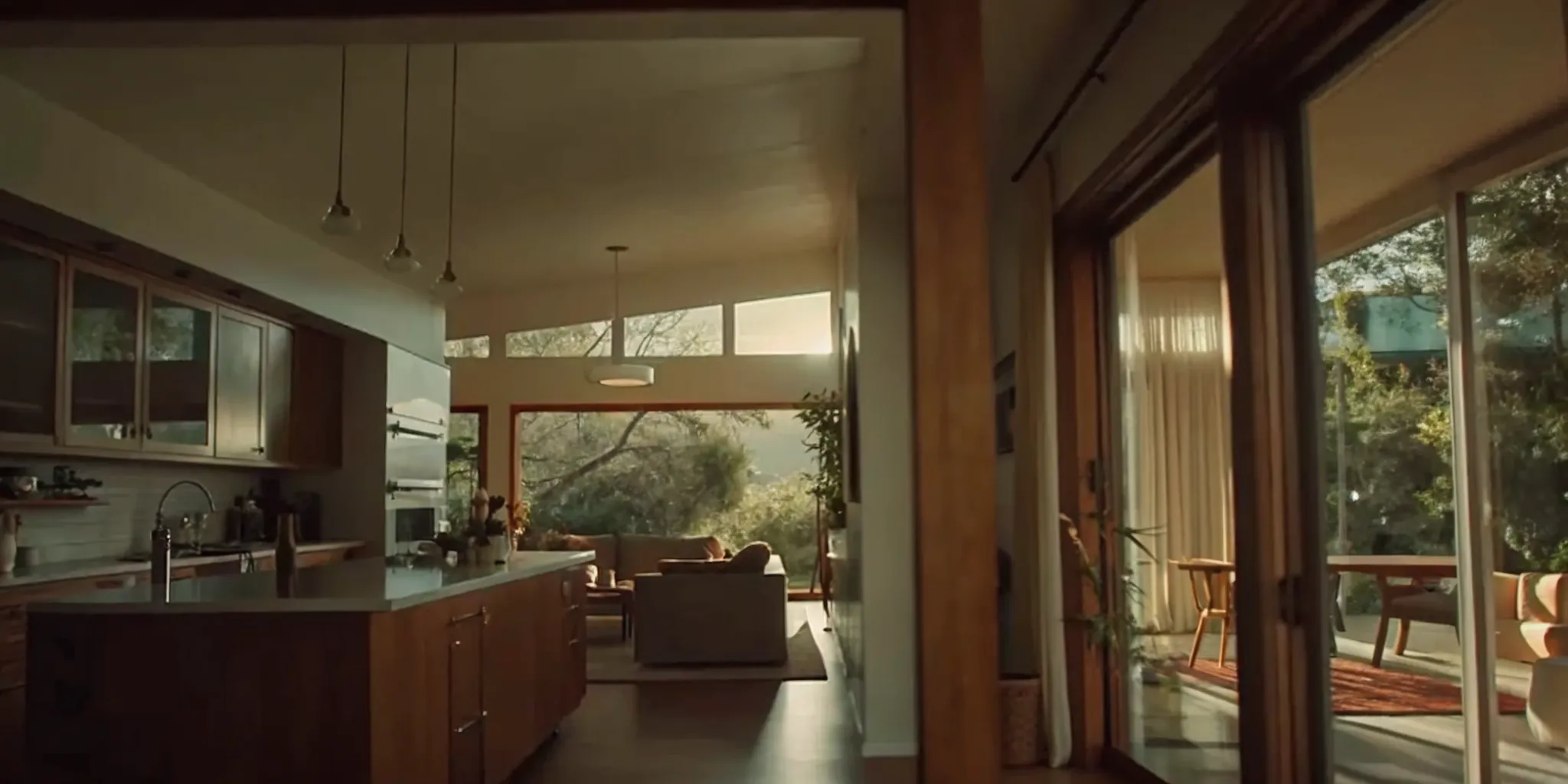
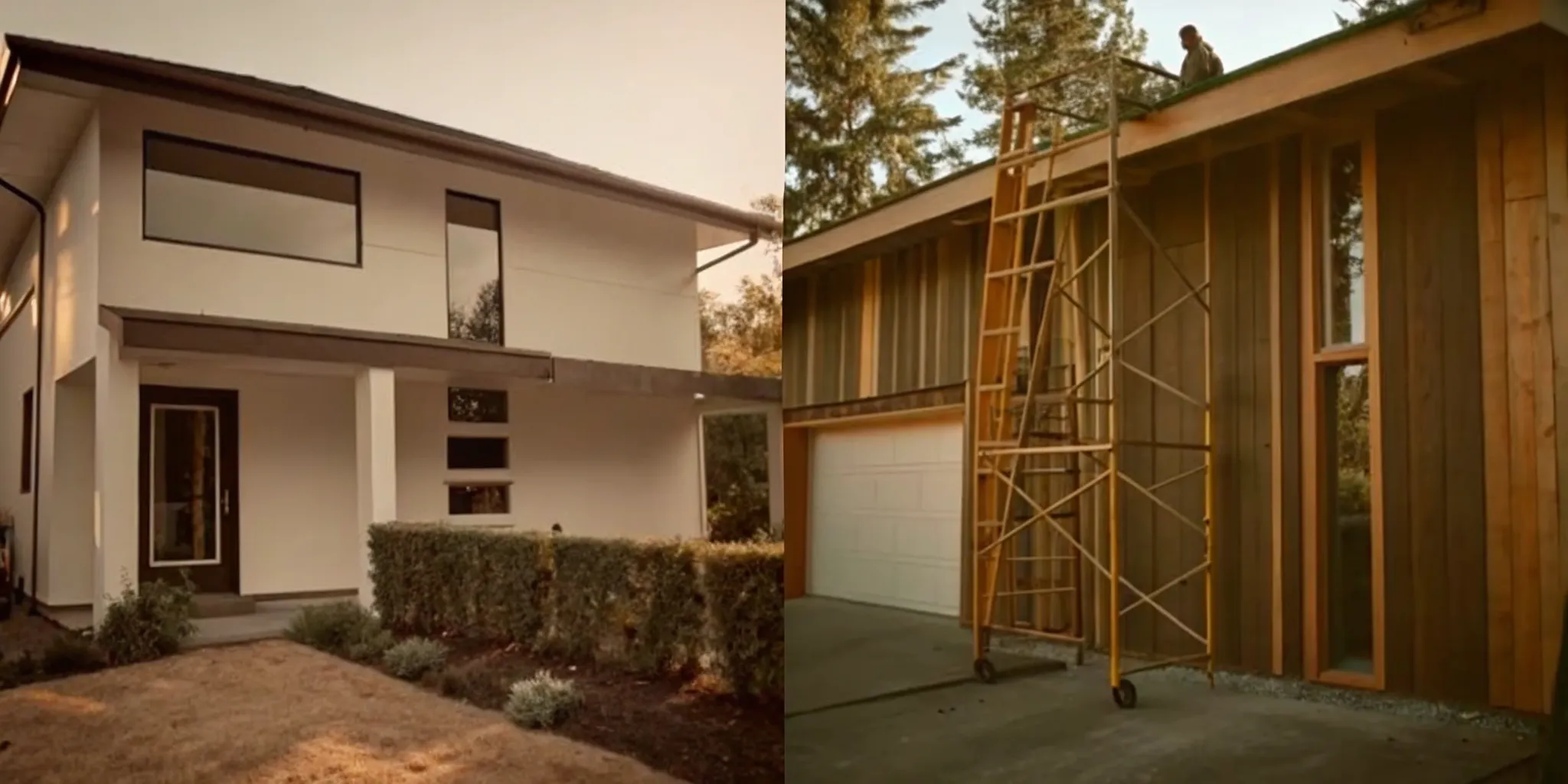
A second-story addition is one of the most dramatic transformations your home can undergo. It’s not just about adding square footage; it’s a chance to completely redefine your home’s character and curb appeal. From the outside, you can fix awkward proportions or adopt a completely new architectural style. Inside, you get to design a brand-new space filled with light and tailored to your family’s needs. The key is thoughtful planning to ensure the new level feels like a natural, intentional part of your home, not an afterthought. Let’s walk through the visual decisions you’ll get to make.
Choosing Your Architectural Style
This is where the fun begins. You have a fantastic opportunity to either enhance your home’s existing look or take it in a new direction. The goal is to create a cohesive design where the first and second floors look like they were always meant to be together. You might see styles like a modern farmhouse addition on a classic ranch or a sleek, cantilevered structure that adds a contemporary edge. To find what you love, I suggest creating a mood board with photos of homes you admire. Driving around different neighborhoods can also provide great real-world inspiration. An experienced designer can then help you translate those ideas into a design that complements your home’s original structure.
How a Second Story Impacts Curb Appeal
Adding a second story can work wonders for your home’s curb appeal. If you have a single-story home that feels a bit low or sprawling, building up adds height and dimension, creating a more balanced and stately presence from the street. This is your chance to introduce new textures, window styles, or exterior finishes that give your home a major facelift. A well-designed addition doesn’t just add space; it gives the entire property a more substantial and visually appealing look. It’s a cost-effective way to get more living area without sacrificing your yard, all while making your home more attractive to visitors and future buyers.
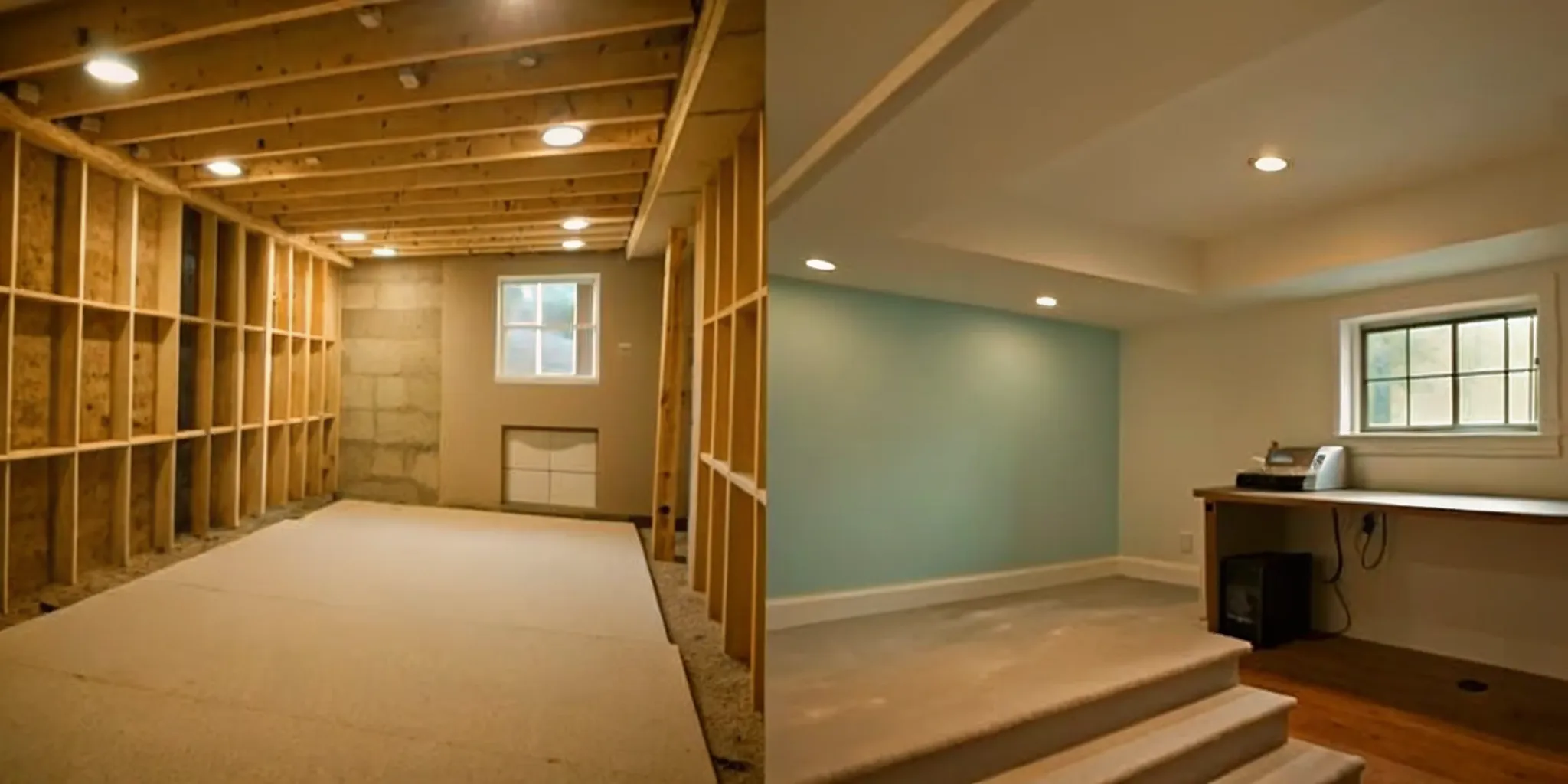
Before and After: Visualizing Your New Floor Plan
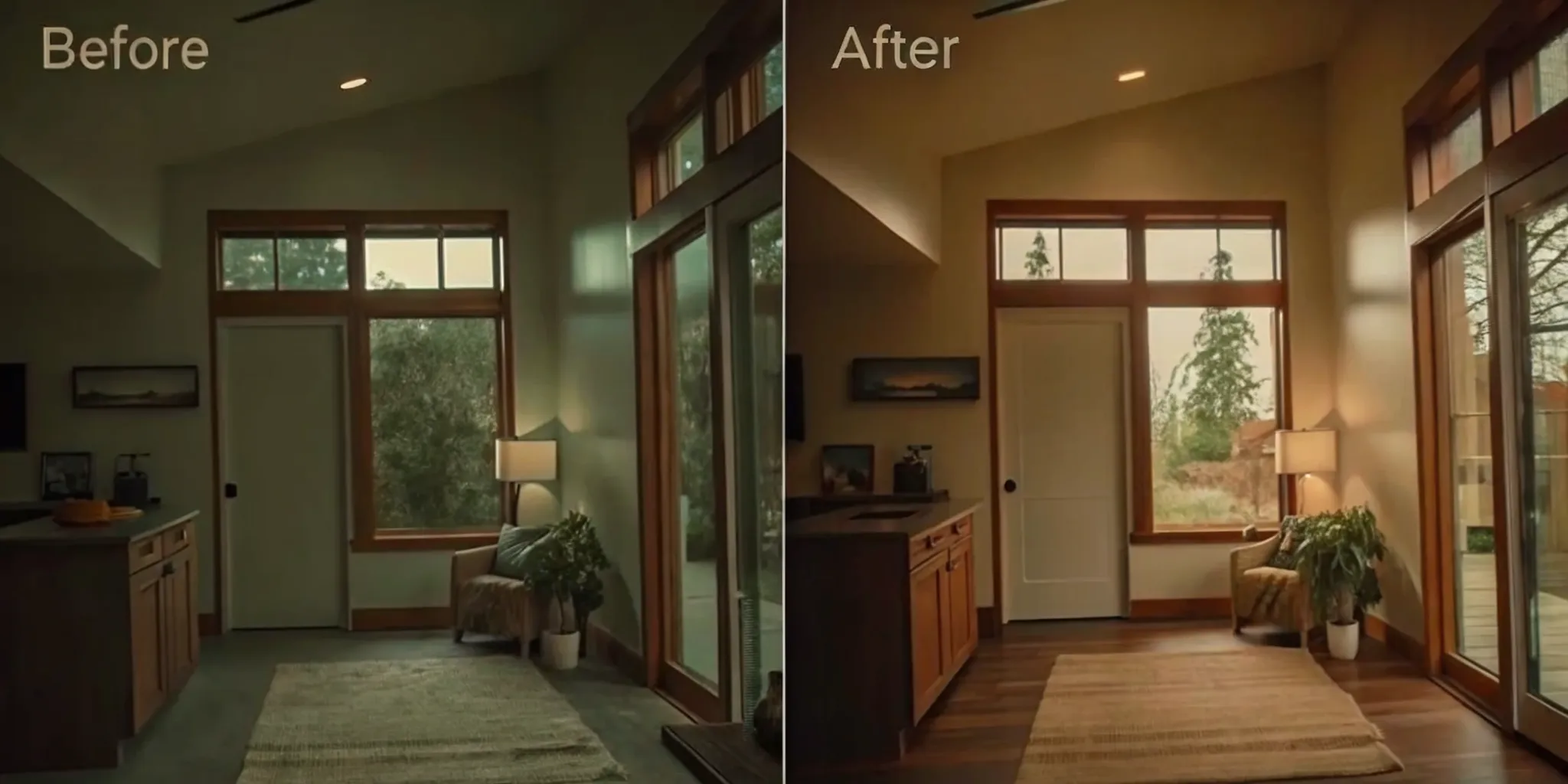
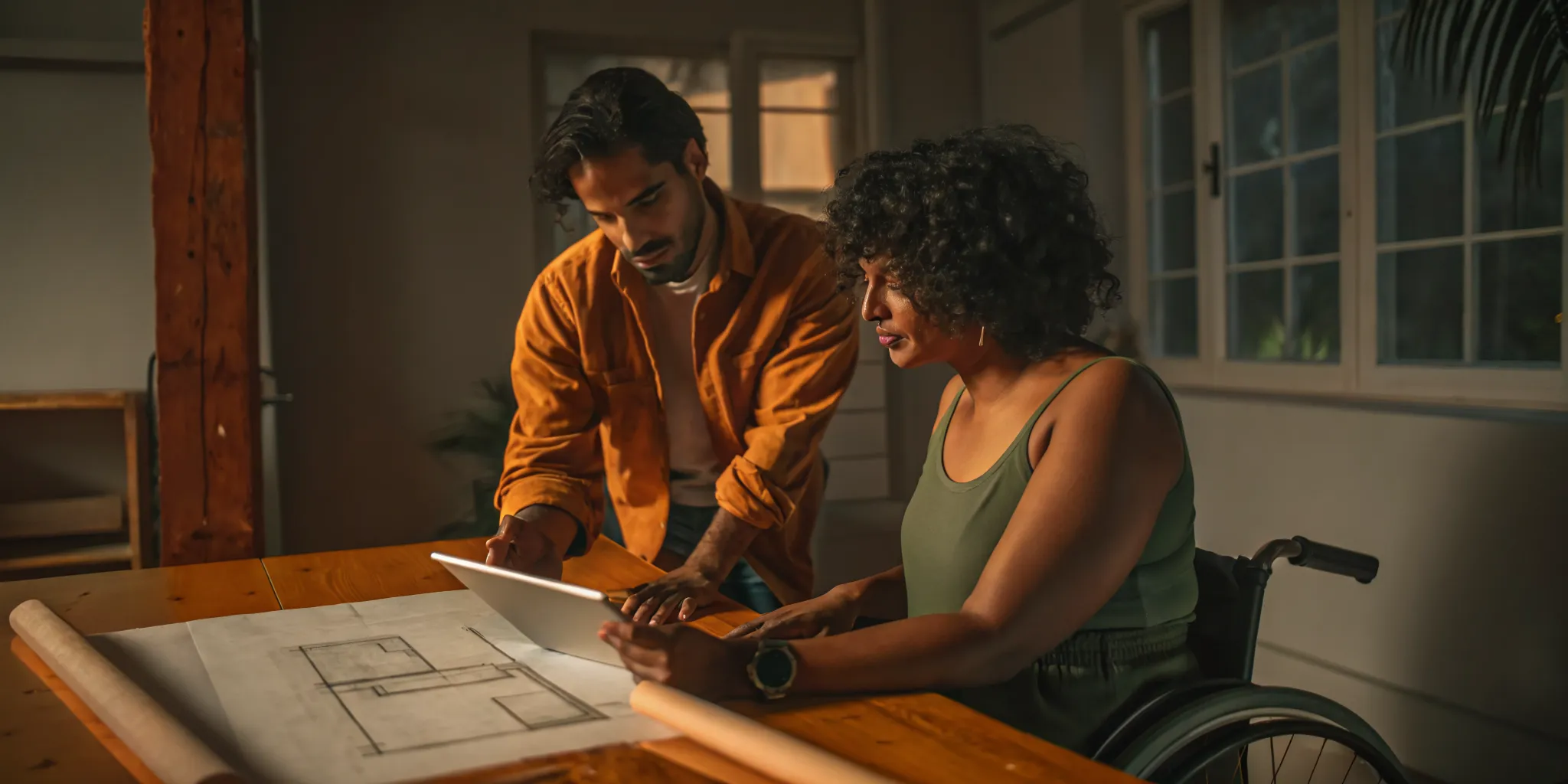
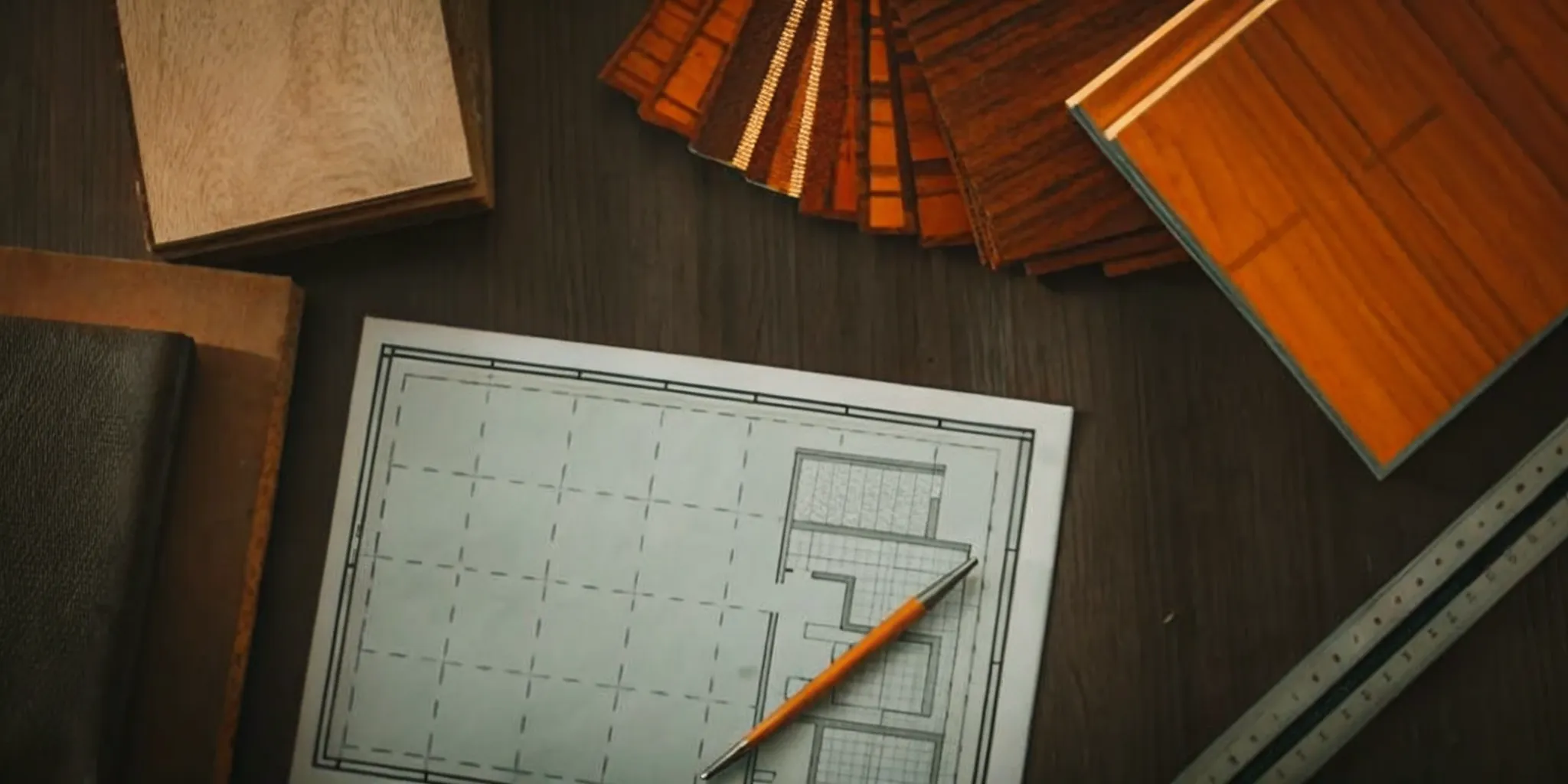
A second-story addition is a significant investment, so you want to be confident in your plan before construction starts. This is why visualizing the final result is so important. Ask your designer or architect for 3D renderings that show you exactly how the new floor plan will look and feel. These models let you walk through the space virtually, helping you make smart decisions about room flow, furniture placement, and window locations. Seeing a clear before-and-after comparison helps ensure the six-figure investment meets your expectations. At Realm, our process includes detailed project planning and visualizations, so you can move forward with total clarity and avoid any surprises.
Planning for Windows, Natural Light, and Balconies
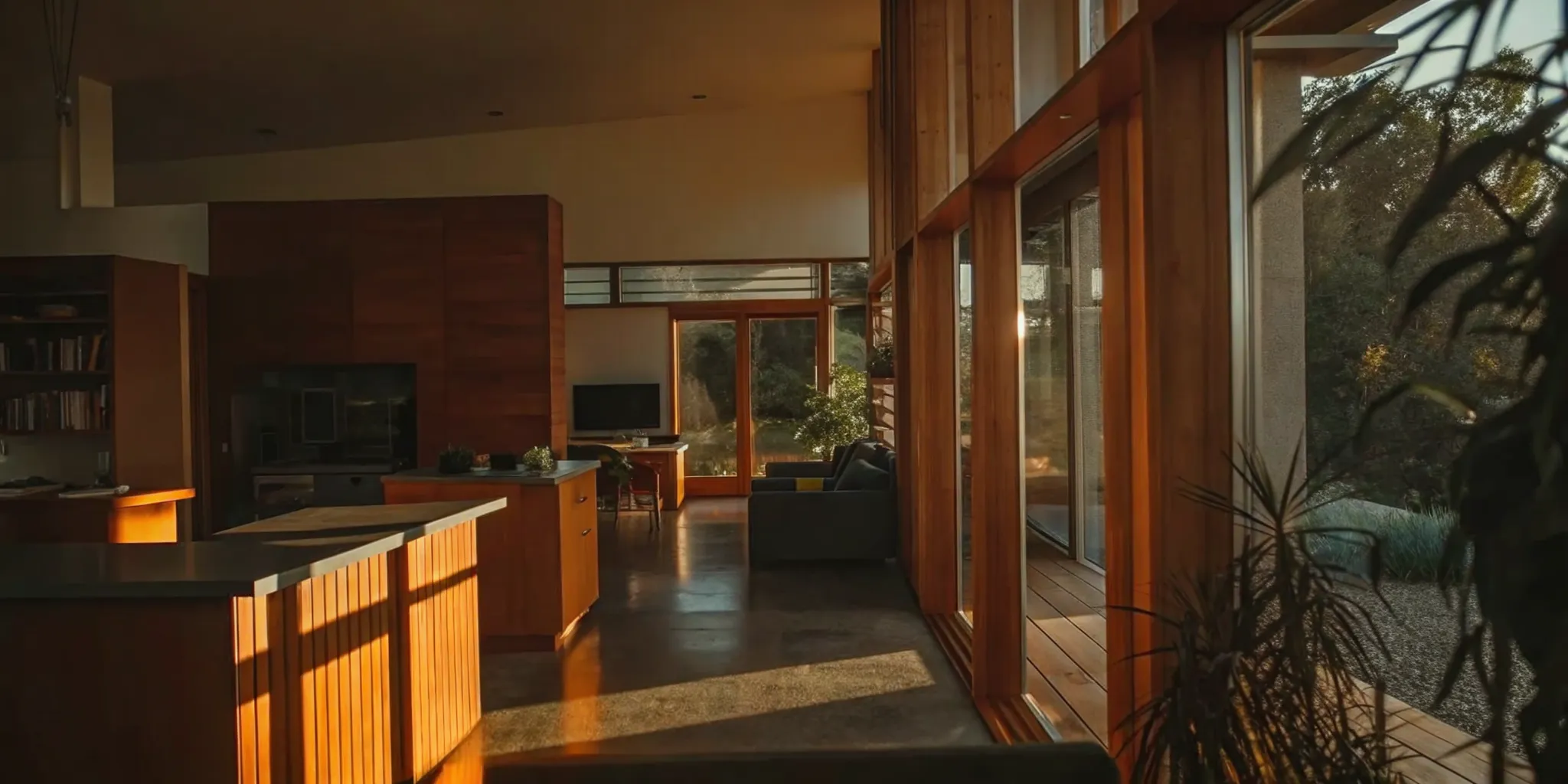
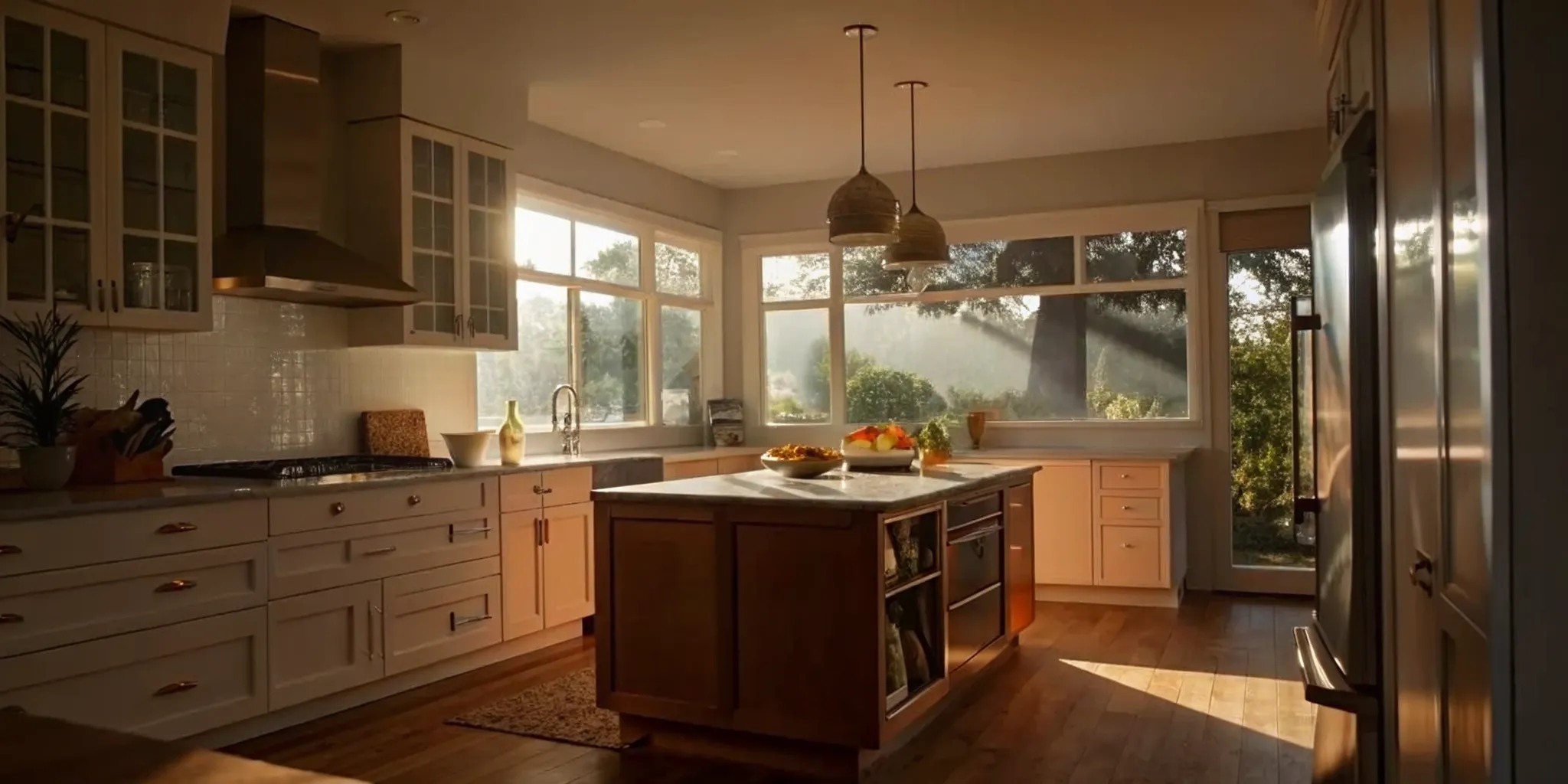
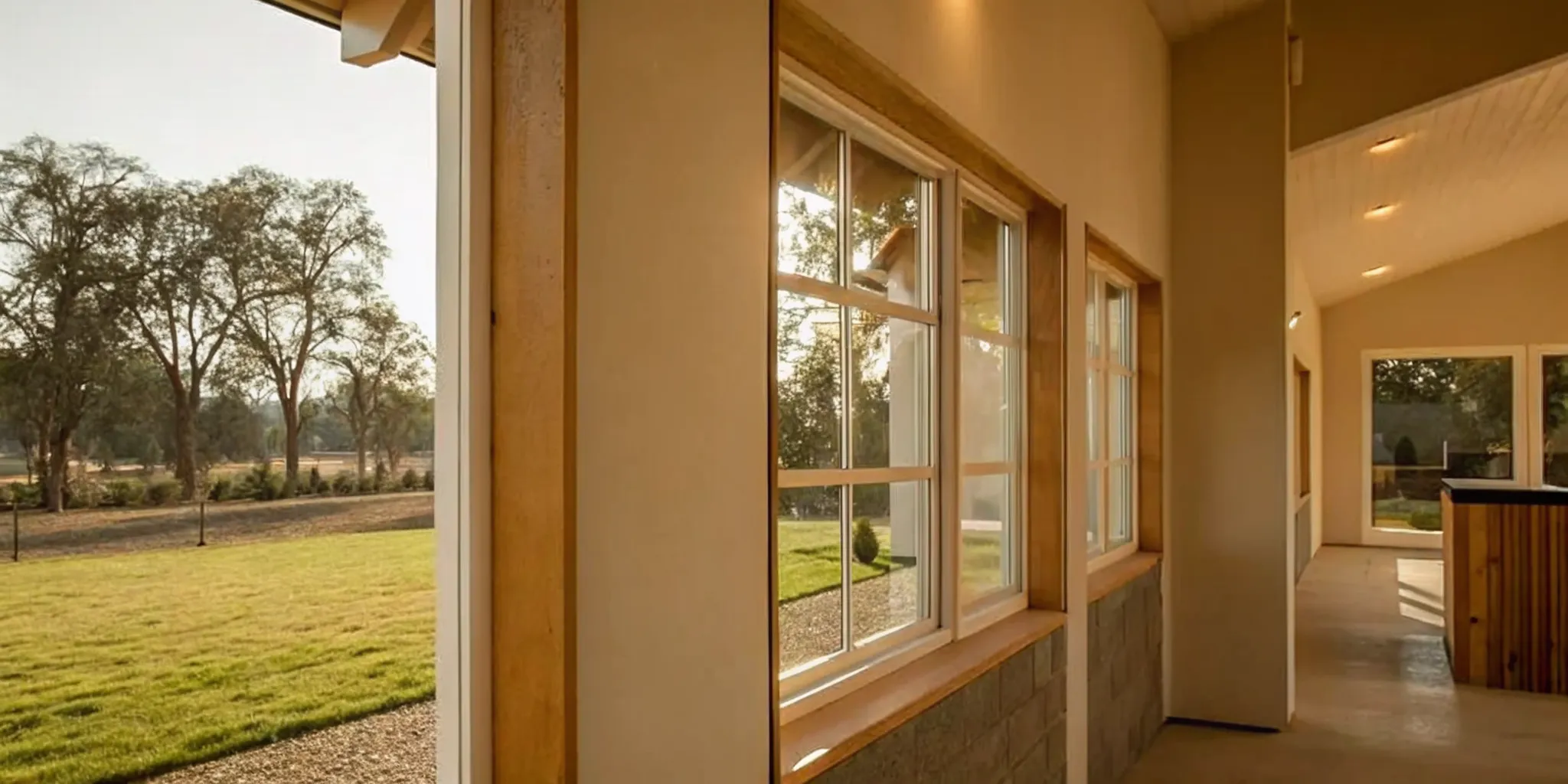
Don’t underestimate the power of natural light. The windows and doors you choose for your second story will define the atmosphere of the new space. Think about where the sun rises and sets to maximize morning light in a bedroom or capture golden hour in a new family room. Large windows can make rooms feel bigger and more open, while a small, well-placed balcony can become a private oasis for your morning coffee. These features also play a huge role in your home’s exterior appearance, so it’s important to select window styles that align with your architectural vision and create a beautiful, light-filled home.
Is Your Home Ready for a Second Story?
Before you get too far into designing your new master suite, it’s important to answer a fundamental question: can your current home handle the extra weight? Adding an entire floor is a major structural change. Your home’s foundation, walls, and even its electrical and plumbing systems need to be ready for the job. Answering these questions upfront will save you from headaches and unexpected costs down the road.
Checking Your Foundation and Load-Bearing Walls
The first step is to look at what’s holding your house up right now. Your home's foundation was designed to support a specific amount of weight, and a second story adds a lot more. A structural engineer will need to inspect your foundation and load-bearing walls to determine if they are strong enough. They’ll assess the concrete footings and the overall frame to see if it can safely hold the extra weight of a new level. This isn't a step to skip; it’s essential for the safety and stability of your entire home.
Will You Need Structural Reinforcement?
For most single-story homes, the answer is yes. It’s very likely that your home will need some kind of structural reinforcement to prepare for a second floor. This doesn't mean the project is impossible, it just means you need a solid plan. After a thorough inspection, a structural engineer can tell you exactly what reinforcements are needed. This might involve strengthening the foundation with more concrete and rebar or adding new support posts and beams throughout the first floor. Getting this professional analysis is the only way to move forward with confidence.
Smart Energy Upgrades to Consider
While your home is undergoing a major transformation, it’s the perfect opportunity to make some smart energy upgrades. Since you’ll be opening up walls and roofs anyway, incorporating better materials can make your entire home more comfortable and efficient. Consider installing new energy-efficient windows and adding high-performance insulation to both the new and existing parts of your house. These upgrades can lead to significant long-term savings on your heating and cooling bills, making your renovation a smart investment for the future.
A Step-by-Step Look at the Process
Adding a second story is a major project, but breaking it down into clear steps makes it feel much more manageable. From the first sketch to the final coat of paint, every phase has its purpose. Understanding the general flow of the project helps you know what to expect, how to prepare, and when to get excited as your new space comes to life. Here’s a look at the four main stages of the process.
Step 1: Design and Structural Planning
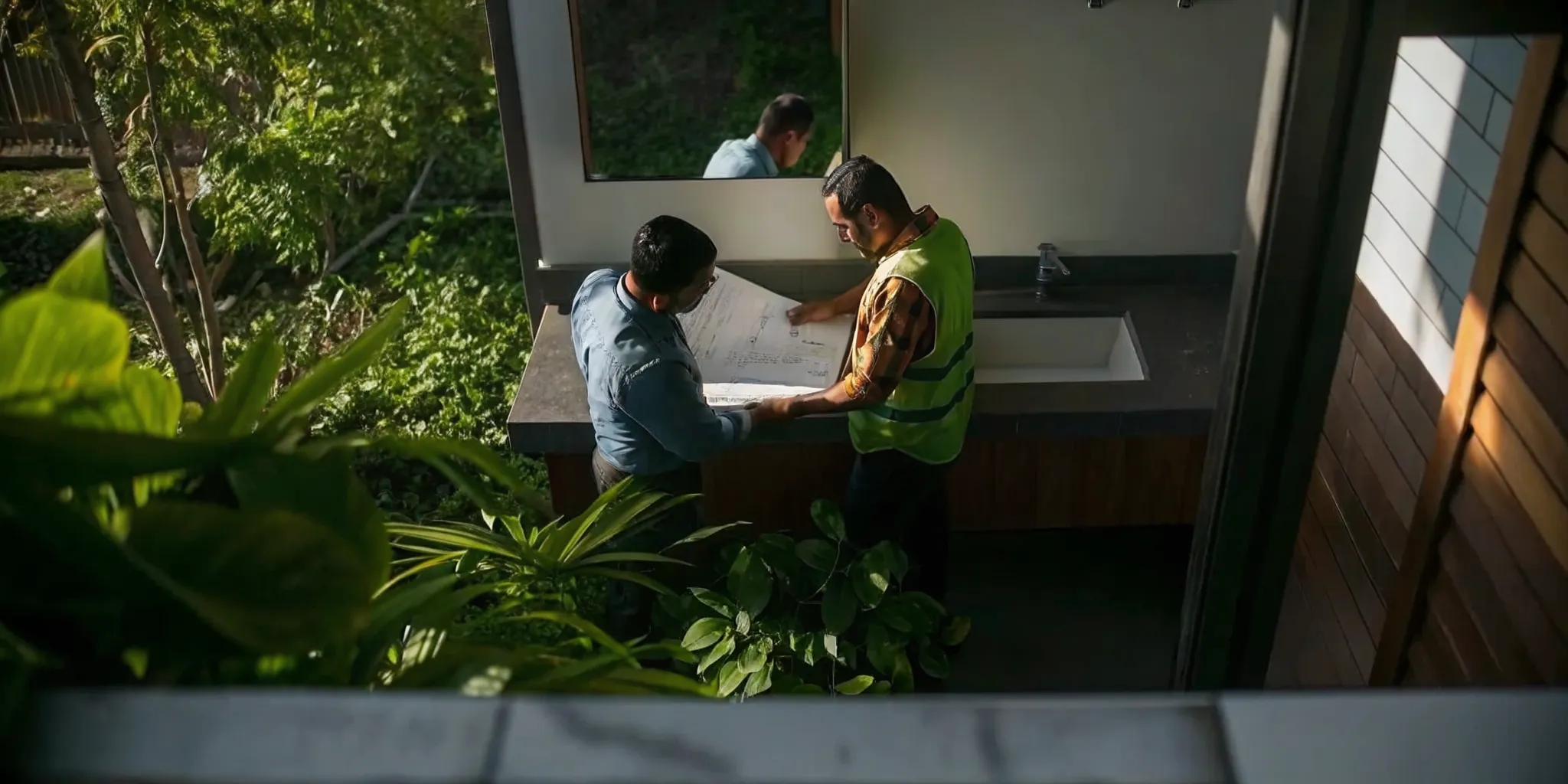
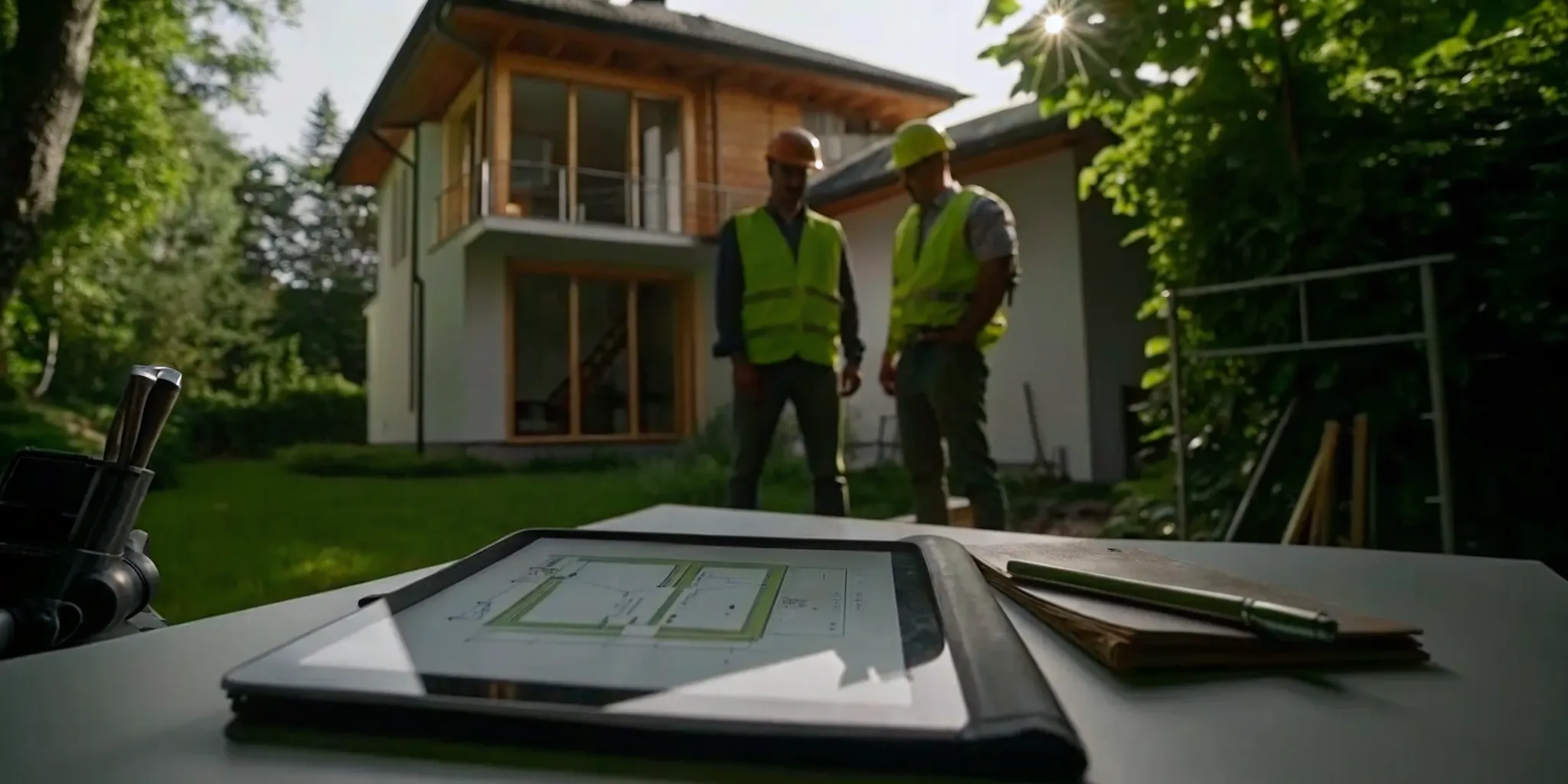
This is where your vision starts taking shape on paper. You’ll work closely with an architect or designer to create a floor plan that fits your family’s needs and complements your home’s existing style. At the same time, a structural engineer will assess your home’s foundation and frame to confirm it can support the new weight. This initial phase is all about collaboration and smart decisions. Investing time in a solid plan now can prevent costly changes later and is the first step in getting expert guidance to ensure your project starts on the right foot.
Step 2: Securing Permits and Approvals
Before any construction can begin, your plans need a green light from your local building department. This permitting process ensures your addition is safe and meets all local zoning laws and building codes. Your contractor or architect will typically handle the submission, but it’s a waiting game that can take anywhere from a few weeks to several months, depending on your municipality. This step is a critical checkpoint. It confirms your project is compliant and ready for construction, so while it requires patience, it’s an essential part of a successful home addition.
Step 3: The Construction Phase
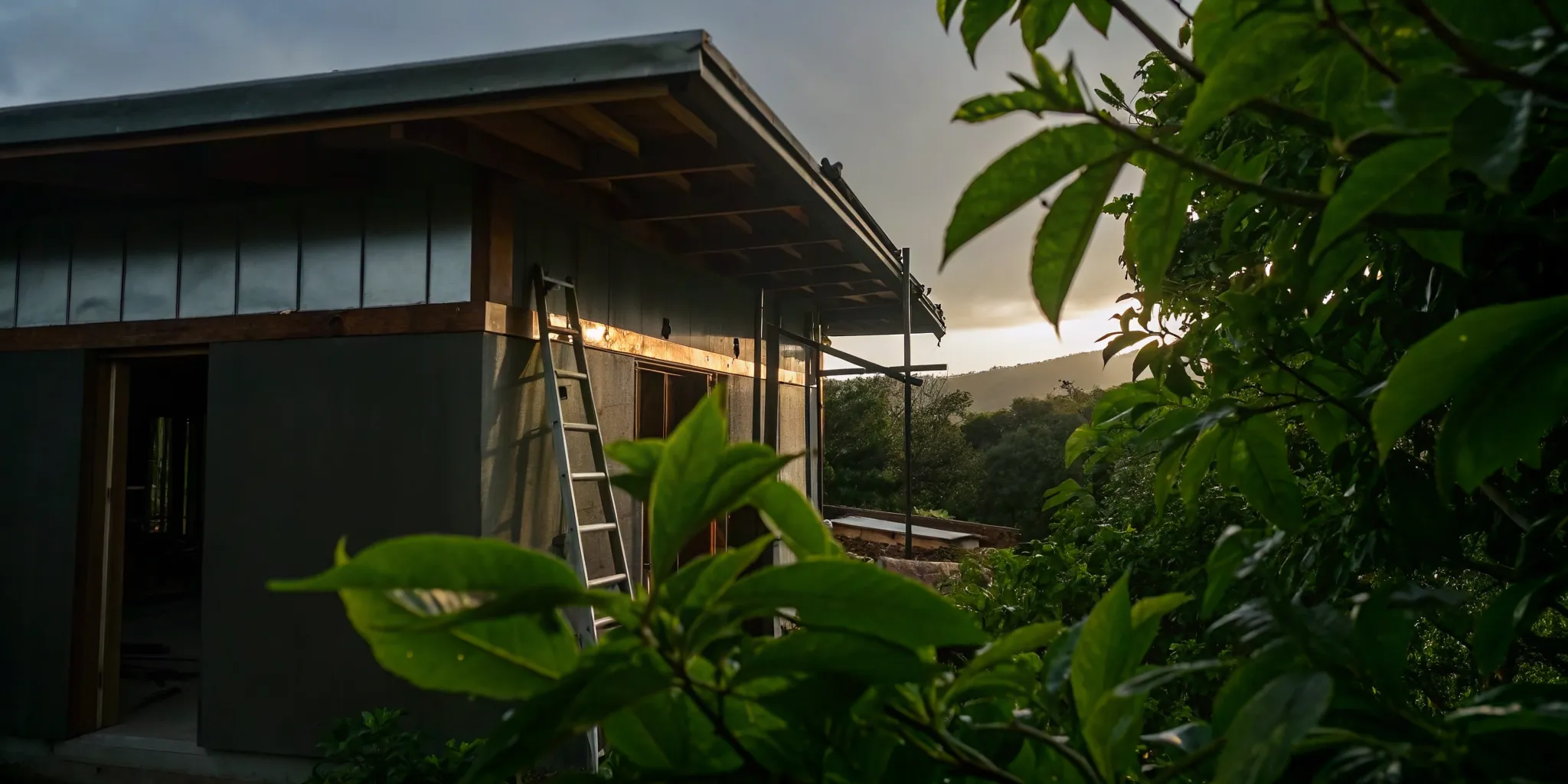
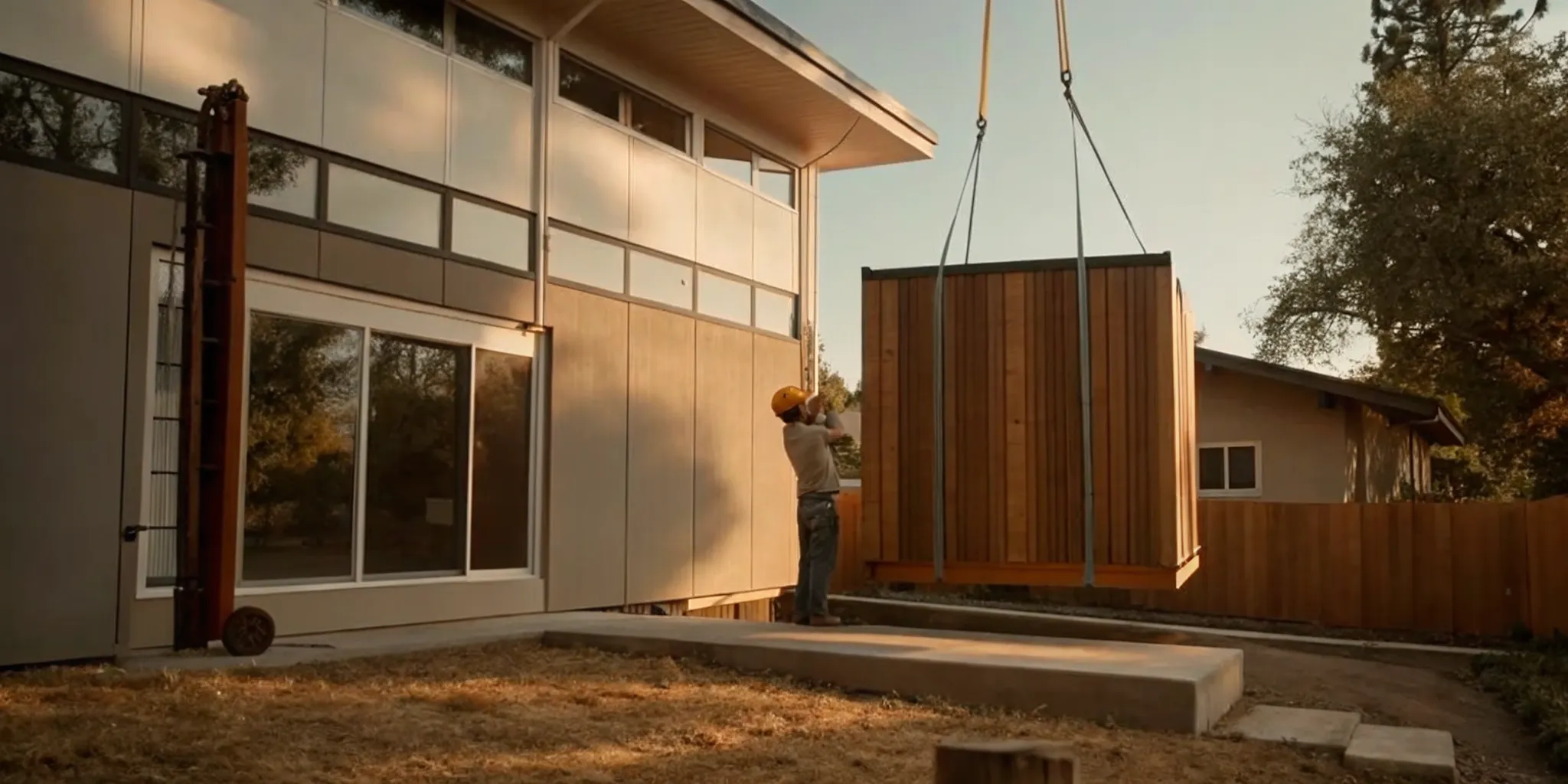
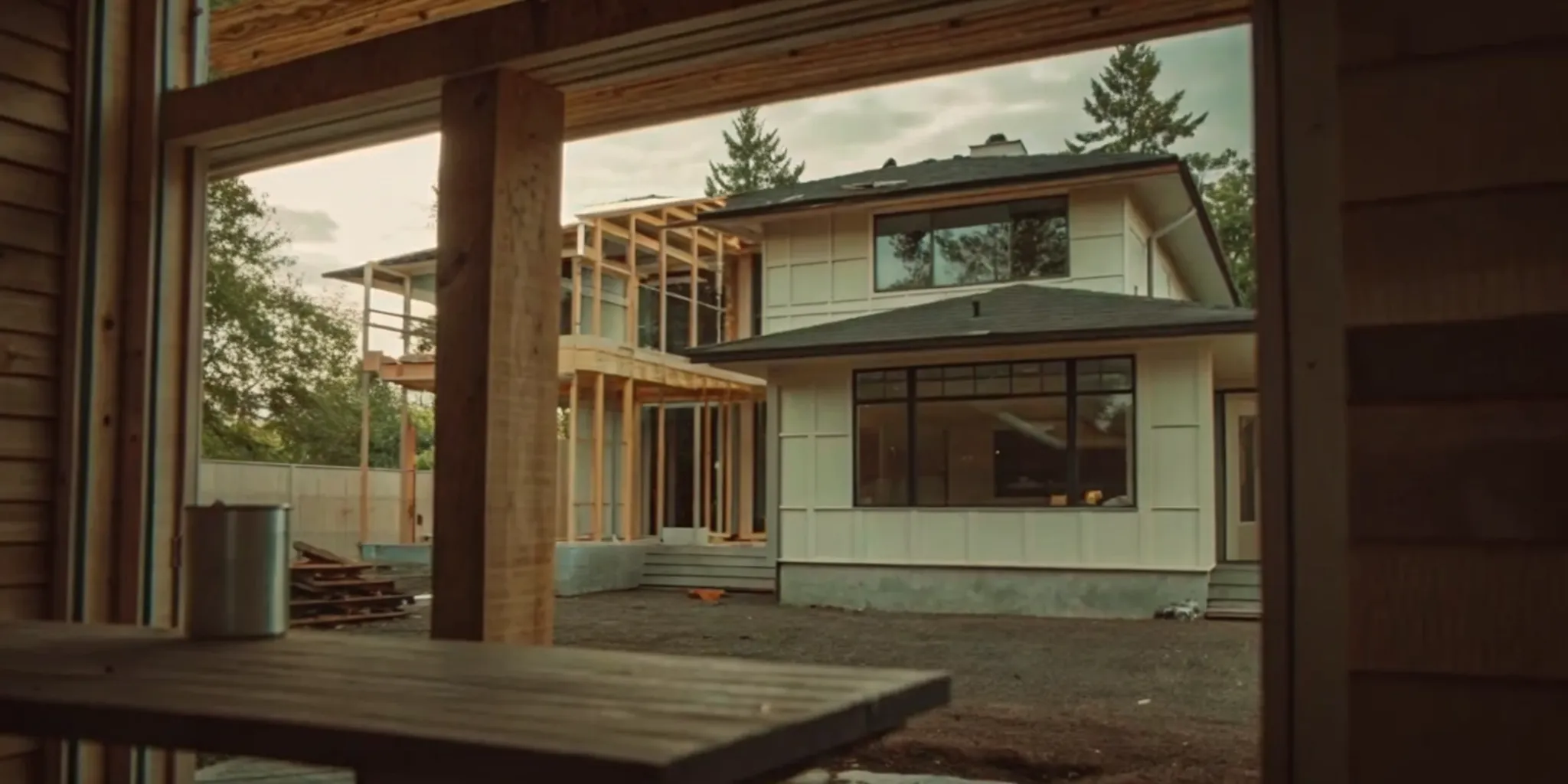
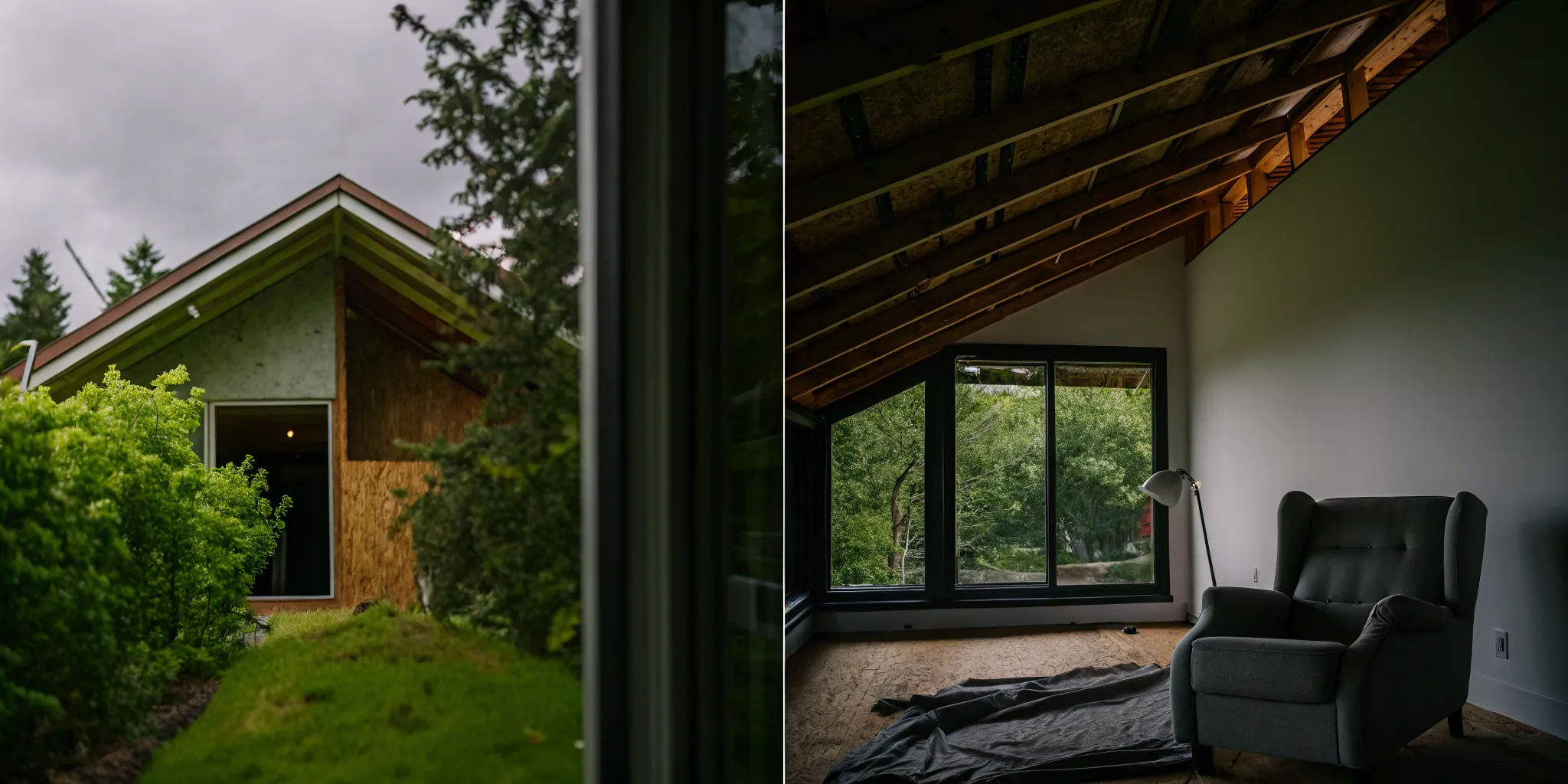
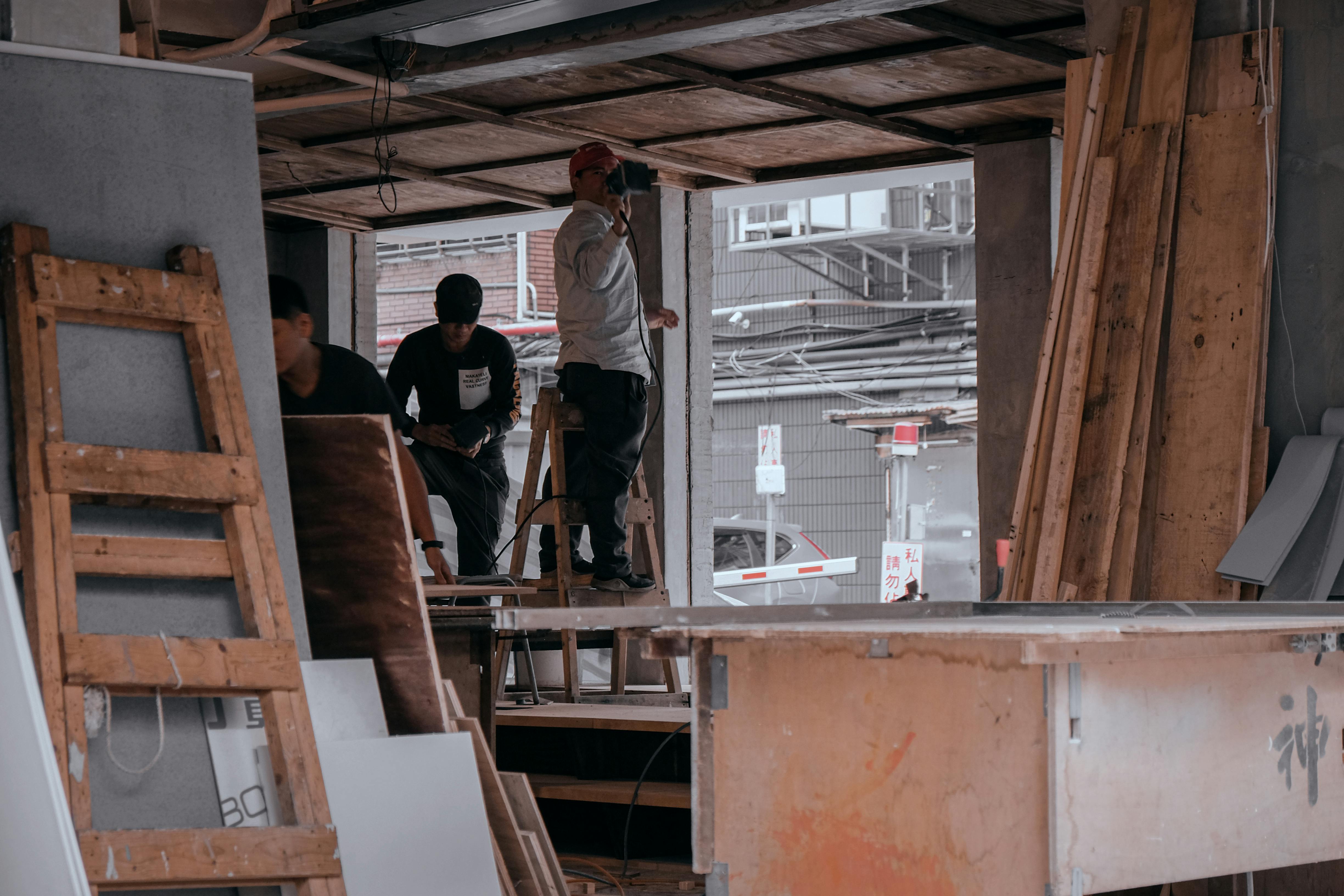
This is when the real action happens. The construction phase typically begins with your crew protecting the first floor before carefully removing the roof. From there, they will build the new floor system, frame the walls, and install the new roof structure. Once the addition is weatherproof, work moves inside to run electrical wiring, plumbing, and HVAC systems. This is often the longest and most disruptive phase, but it’s also incredibly rewarding as you watch your home physically transform. Having a team you trust to find the right professionals makes all the difference in keeping the project on track and minimizing stress.
Step 4: Adding the Finishing Touches
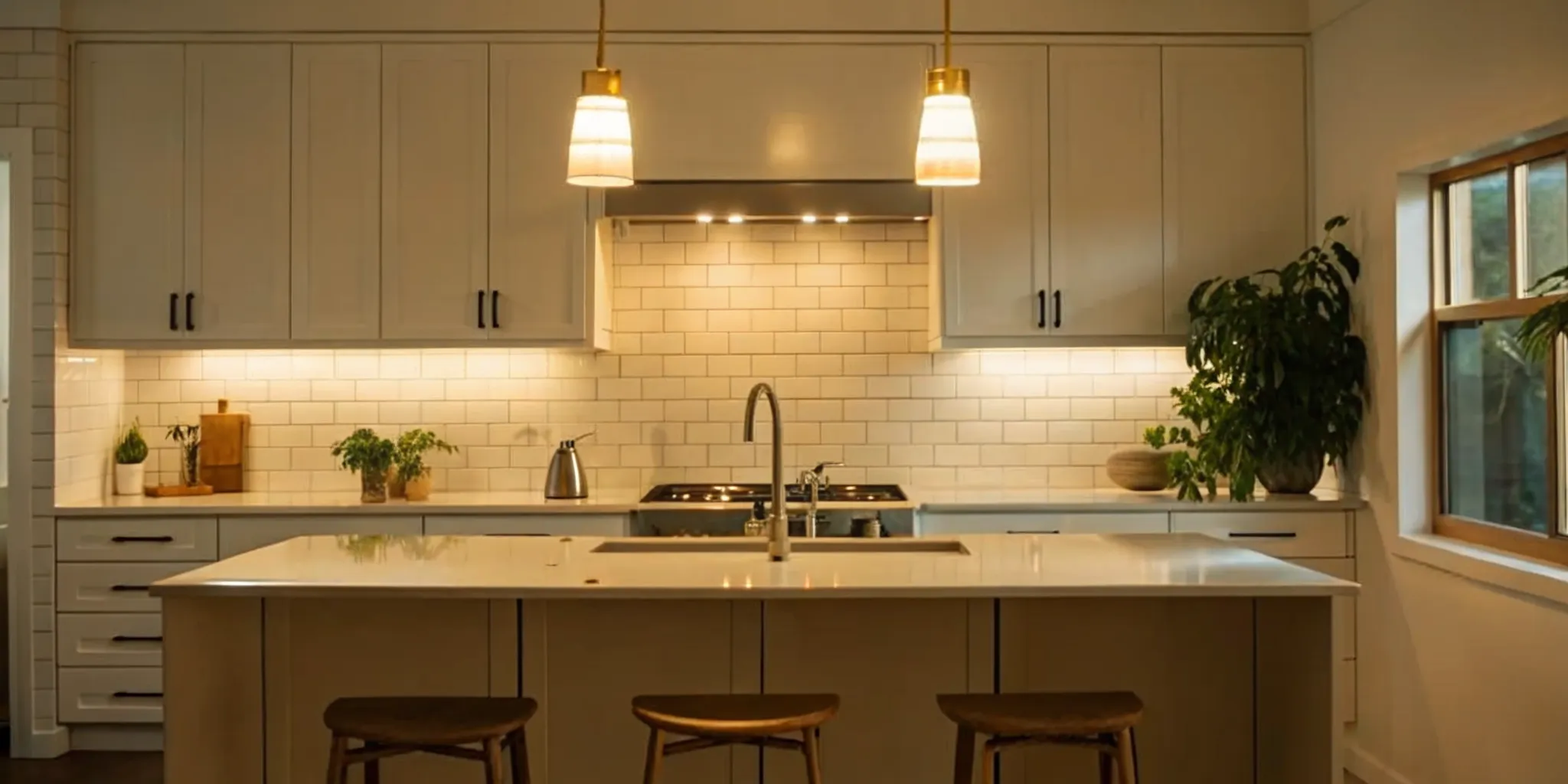
With the heavy lifting done, it’s time to bring your new space to life. This final stage is all about the details that make a house feel like a home. Drywall goes up, walls get painted, and flooring is installed. Your team will also install light fixtures, bathroom and kitchen hardware, doors, and trim. Every choice you make here, from the color of the walls to the style of the faucets, contributes to the final look and feel. This is where your personality shines through and you finally get to see the beautiful, functional space you’ve been planning for months.
How Much Does a Second-Story Addition Cost?
Let’s talk about the big question: the budget. A second-story addition is a significant investment, and the final price tag can vary quite a bit. The cost depends on your home's specific needs, your design choices, and where you live. Understanding the key components of the cost will help you plan effectively and avoid surprises down the road. We'll break down the numbers, from the starting price per square foot to the hidden costs you’ll want to plan for, so you can approach your project with confidence.
Breaking Down the Cost Per Square Foot
As a starting point, you can expect a second-story addition to cost between $200 and $350 per square foot for basic construction. For most partial additions, this translates to a total project cost of around $80,000 to $200,000. Think of the per-square-foot price as a baseline. It typically covers the structural work, framing, basic electrical, and standard roofing. This figure gives you a general idea of the investment required, but it’s just the beginning of the conversation. Your final cost will climb from here as you factor in design complexity, materials, and finishes. Having customized plans from the start helps you see where every dollar is going.
What Factors Influence the Final Price?
Several key factors will shape your final budget. The first is the size and complexity of your design. A simple, box-like addition is more affordable than one with intricate rooflines or multiple rooms. Second, your choice of materials and finishes plays a huge role. Standard, builder-grade materials will keep costs down, while high-end finishes, custom cabinetry, and luxury bathroom fixtures will increase the price. Finally, your home’s existing structure is a major variable. If your foundation and frame can’t support the new weight, you’ll need to invest in structural reinforcement. This is where expert guidance becomes invaluable for assessing your home’s readiness before you begin.
Common Hidden Costs to Plan For
No matter how carefully you plan, unexpected issues can pop up during a major renovation. That’s why it’s essential to build a contingency fund into your budget. A good rule of thumb is to set aside an extra 10% to 20% of your total project cost for these surprises. This fund can cover things like discovering dry rot or pests when walls are opened, needing to upgrade your home's electrical panel to handle the new load, or dealing with unforeseen code requirements. This isn't meant to be alarming; it's about smart planning. A contingency fund acts as a financial safety net, ensuring that a surprise issue doesn’t derail your entire project or force you to compromise on your vision for the renovation process.
How to Set a Realistic Budget
To create a budget that works for you, start with your home’s current value. A helpful guideline is to avoid spending more than 30% of your home's total worth on a single project. This helps ensure you don’t over-invest, making it more likely you'll see a positive return when you eventually sell. Once you have a top-line number in mind, it's time to gather detailed quotes that outline every expense, from permits and architectural drawings to labor and final finishes. Working with a dedicated advisor can simplify this step, helping you compare bids and create a comprehensive budget that aligns with your financial goals and project dreams.
What Are the Biggest Challenges to Expect?
A second-story addition is an exciting project, but it’s also a major undertaking with its own set of hurdles. Knowing what to expect can make the entire process feel more manageable and help you plan ahead. From logistical puzzles to design dilemmas, here are some of the biggest challenges you’ll want to prepare for before breaking ground.
Placing the Stairs: Impact on Your First Floor
One of the first puzzles to solve is where to put the staircase. Since you’ll need to sacrifice space on your first floor to build stairs leading up, their placement is a critical decision that affects your existing layout and flow. It’s not just about finding an empty corner; you have to consider how you move through your home every day. For homes with limited square footage, a spiral staircase can be a stylish, space-saving solution. Working with a designer early on is key to finding a spot that feels both natural and functional without disrupting your main living area.
Where Will You Live During Construction?
This is a big question with significant financial and personal implications. Most second-story additions require you to move out for a substantial period, sometimes for several months. The construction is extensive: your roof will be removed, and your home will be exposed to the elements and filled with dust and noise. It’s simply not safe or practical to live in a construction zone of that scale. You’ll need to budget for temporary housing, whether that means renting an apartment or arranging a long-term stay with family. Planning for this displacement from the very beginning will save you a lot of stress later on.
Making the New Addition Feel Seamless
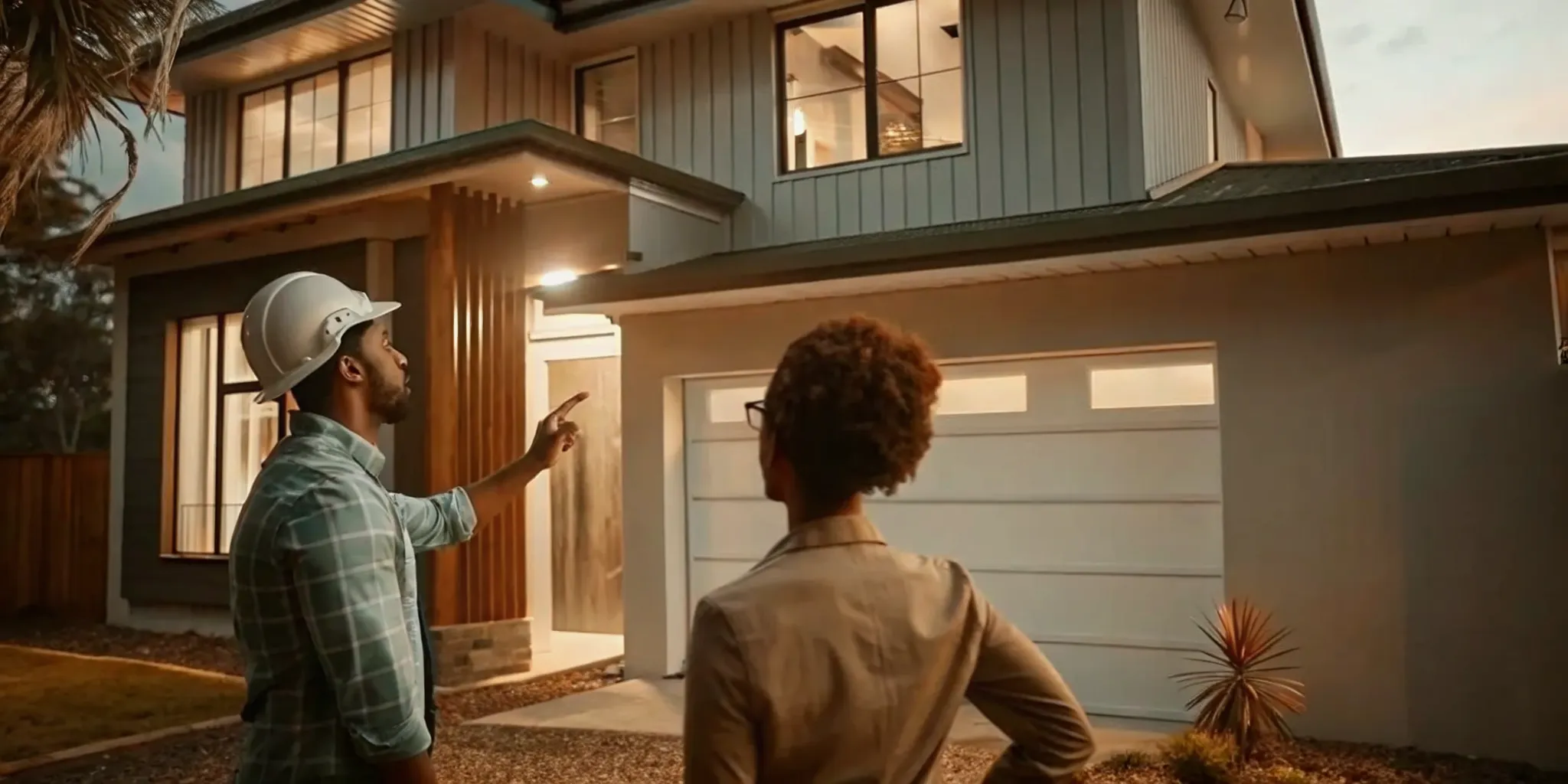
You want your new second story to look like it was always there, not like a box awkwardly placed on top of your house. Achieving a seamless transition is crucial for curb appeal and home value. This means carefully matching the new addition to your home’s existing architectural style, roofline, siding, and window design. A successful project blends in perfectly, enhancing your home’s original character. This is where having customized plans and a skilled design team becomes invaluable, as they can ensure the final result feels cohesive and intentional.
Considering Your Neighbors and Privacy
Building up will change your home’s relationship with the surrounding properties. Before you get too far into planning, you need to research local zoning laws and any homeowner association (HOA) rules. Many neighborhoods have regulations that limit a home’s maximum height or total square footage. Beyond the official rules, consider the impact on your neighbors’ light and views, as well as your own privacy. Your new windows will create different sightlines, so think about their placement carefully. A little foresight can help maintain good relationships with your neighbors and ensure your new space feels like a private retreat.
Does a Second-Story Addition Add Value to Your Home?
This is the million-dollar question, isn't it? Or, more accurately, the several-hundred-thousand-dollar question. When you’re considering an investment of this size, you want to know if it will pay off. The short answer is yes, a second-story addition almost always adds significant value to your home. It increases your square footage, enhances your home’s functionality, and can seriously improve its market appeal.
The value isn't just about the final sale price, though. It's also about the value you get from living in a home that perfectly fits your family’s needs. But since the financial return is a huge piece of the puzzle, let's break down what you can expect.
Calculating Your Return on Investment (ROI)
Your return on investment, or ROI, measures how much of the project's cost you can expect to recover through an increase in your home's value. While it’s not an exact science, a well-designed second-story addition can be a smart financial move. Some reports show that homeowners can recoup a significant portion of their investment, with certain projects seeing a potential increase in market value of up to 65%.
The key here is "well-designed." A thoughtfully planned addition that flows seamlessly with the rest of your home will always provide a better return than one that feels tacked on. Adding a second floor is also an efficient way to increase living space without expanding your home’s footprint, which is a major advantage if you love your neighborhood but are short on yard space. Your final ROI will depend on your local real estate market, the quality of the work, and the type of space you add (bedrooms and bathrooms tend to offer the best returns).
Comparing its Value to Other Renovations
So, how does a second-story addition stack up against other popular home projects? While a kitchen or bathroom remodel can offer a high ROI, they don't add square footage. A second-story addition, on the other hand, fundamentally changes your home by adding substantial livable space and boosting its long-term resale value. This puts it in a different class of renovation.
Of course, it's also important to weigh all your options. For some homeowners, it might make more sense to build a ground-floor addition, finish a basement, or even move to a larger house. In rare cases, a full teardown and rebuild could be a better path. Comparing the costs, timelines, and potential returns of each option is a critical step. A second story is a fantastic way to get the space you need, but it's just one of several paths you can take to create your ideal home.
Building Up vs. Building Out: Which Is Right for You?
When your home starts to feel a little too cozy, you face a classic renovation dilemma: should you build up or build out? Each path offers more space, but they come with different trade-offs. The right answer depends entirely on your property, your budget, and your vision for the future.
Building up by adding a second story is a fantastic option if you want to preserve your yard. This approach is a cost-effective way to increase living space without expanding your home’s footprint, which means you get to keep your garden, patio, or play area. It also helps you avoid headaches with property line setbacks and zoning rules that can complicate a ground-floor expansion. For many homeowners, the biggest benefit is emotional. If you love your neighborhood but simply need more room, a second-story addition lets you stay right where you are.
On the other hand, building out with a ground-floor addition might be a better fit. This is often the preferred choice if you’re adding a primary suite on the main level for accessibility or creating a sprawling great room that flows into the backyard. A horizontal addition can also be the simpler structural choice if your home’s foundation isn’t ready to support a whole new level without significant and costly reinforcement. While you’ll sacrifice some yard space, the construction can sometimes feel more contained to one side of the house.
Ultimately, this decision requires a careful look at your home’s structure, your lot size, and your long-term goals. It’s a choice with big implications for your budget and daily life, which is why it’s so helpful to have an expert in your corner. A dedicated advisor can walk you through the feasibility of each option, helping you understand the costs and processes involved so you can make a confident decision. Realm's customized plans are designed to give you clarity on exactly this kind of question.
How to Find the Right Contractor for Your Project
Finding the right general contractor is one of the most critical decisions you'll make for your second-story addition. This is the person who will be responsible for turning your architectural plans into a safe, beautiful, and functional space. The right partnership leads to a smooth process, while the wrong one can cause major headaches. Taking the time to properly vet your options is an investment that will pay off throughout your project.
What to Look for in a General Contractor
A great place to start your search is by asking friends and neighbors for recommendations, but your research shouldn't end there. For a project of this scale, you need a professional with specific experience in building second-story additions. When you have a shortlist, plan to interview at least three contractors. During these conversations, ask about their past projects, their communication style, and how they handle unexpected issues. Most importantly, you must verify their credentials, including their state license, insurance, and bonding. This step protects you and ensures they are qualified to manage the job safely and legally.
How Realm Simplifies Your Search
Going through the vetting process on your own can feel like a full-time job. That’s where we come in. Realm simplifies your search by connecting you with our network of high-quality, local contractors who have already been thoroughly vetted by our team. We match you with professionals who have proven experience with projects just like yours. You get the peace of mind that comes from working with a trusted expert, without spending weeks making calls and checking references. Your dedicated Realm advisor is also there to help you compare bids and make a final decision with confidence, ensuring you find the perfect partner for your renovation.
Related Articles
- Breaking Down the Two-Story Home Addition Cost
- The True Cost to Build a Home Addition Explained
- How Much Does a Home Addition Cost? A Full Breakdown
- Home Addition Cost Per Sq Ft: A Full Breakdown
Frequently Asked Questions
How long does a second-story addition typically take from start to finish? While every project is unique, a good estimate is anywhere from 6 to 12 months. This timeline covers everything from the initial design and engineering phase, which can take a couple of months, to securing permits, which can sometimes take several more. The actual construction phase usually lasts between 4 and 7 months. The key is to be patient during the planning and permitting stages, as a solid foundation here ensures the construction phase runs much more smoothly.
Do I absolutely have to move out during construction? For a full second-story addition, moving out is almost always necessary for your safety and sanity. The process involves removing your roof, which exposes your home to the elements and creates a very loud, dusty, and hazardous environment. For a smaller, partial addition (like one over a garage), it might be possible to stay, but you should still prepare for significant disruption. We always recommend planning for temporary housing to make the process less stressful for your family.
Is adding a smaller, partial addition much cheaper and easier? A partial addition is definitely more budget-friendly than a full one because you are building less square footage. However, it isn't necessarily "easier." It still requires the same critical steps: a structural assessment, architectural plans, permits, and major construction. The core process is the same, just on a smaller scale. It's a great option if you only need one or two specific rooms, but it's important to go in knowing it's still a complex renovation.
What is the very first, most important step I should take if I'm considering this? Your first step should be to determine if the project is feasible for your specific home and budget. This involves getting a professional opinion on your home's structural integrity and a realistic estimate of the total cost. Before you hire an architect or fall in love with a design, you need to know if your foundation can handle the weight and what the project will likely cost. A Realm advisor can help you with this initial analysis, giving you the clarity you need to decide if a second-story addition is the right move for you.
How can I be sure the new addition won't look like an awkward box on top of my house? This is a common and valid concern. The key to avoiding that "tacked-on" look is hiring a skilled architect or designer who specializes in creating cohesive renovations. They will focus on integrating the new level with your home's existing style by matching rooflines, window types, and exterior materials. A successful project looks intentional, as if the second story was always part of the original design. Investing in good design from the start is the best way to protect your home's curb appeal and value.