Whole Home Remodel Cost Bay Area: A Planning Guide
Start planning your whole home remodel cost Bay Area budget, from scope and permits to timelines, contractor selection, contingencies, and decisions.
|
June 25, 2026

In this article:
Understanding whole home remodel cost Bay Area homeowners may face begins with more than a price-per-square-foot estimate. The most useful budget reflects the home's condition, the planned scope, local permitting requirements, finish selections, and the practical realities of building in a high-cost region. With disciplined planning, you can make confident decisions while preserving the character, comfort, and long-term value of your home.
Start planning your Bay Area renovation with Realm
A whole-home remodel is also a sequence of connected decisions. Changing a floor plan may affect structural engineering, plumbing, electrical work, and permits. A premium appliance package can influence cabinetry and power requirements. Treating those choices as one coordinated plan helps you compare proposals accurately and reduce disruptive changes after construction begins.
What does a whole home remodel cost in the Bay Area?
A major Bay Area whole-home remodel can begin around $200,000, while a complete gut renovation may reach $400,000 to $500,000 or more, depending on size and scope. These figures are planning references, not quotes. Design, engineering, permits, site access, finishes, and existing conditions can materially change the final investment.
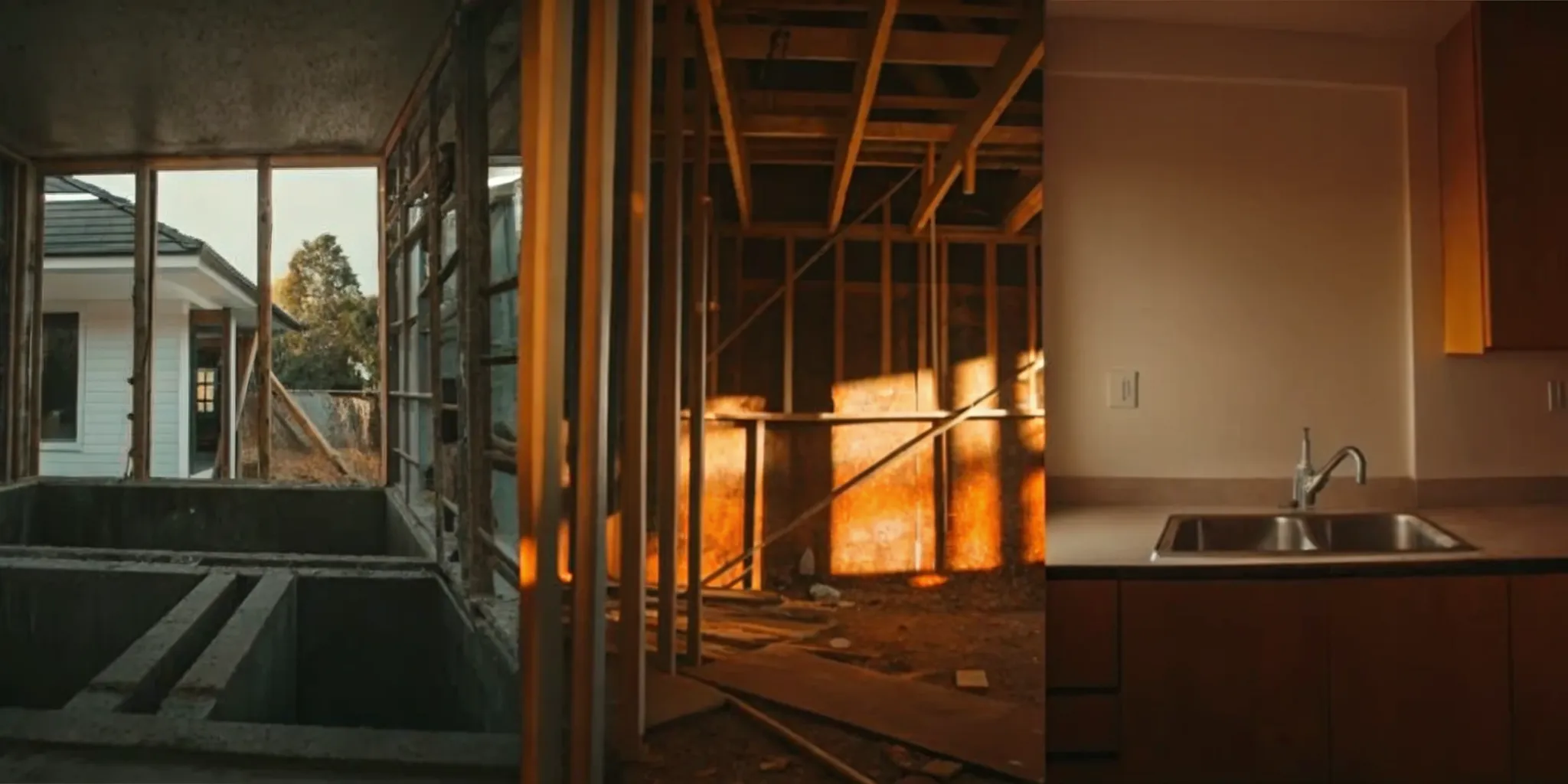
The phrase "whole-home remodel" can describe very different projects. One homeowner may update flooring, lighting, a kitchen, and two bathrooms without changing the home's structure. Another may remove most interior walls, replace aging systems, reinforce the foundation, and rebuild the interior with custom finishes. Those projects should not share the same budget expectation.
Realm's published guidance on average home renovation costs can provide an initial reference point, but a reliable working budget should be based on your address, priorities, and home condition. A detailed scope makes it easier for contractors to price the same work and for you to understand what each proposal includes.
Use early figures as ranges, not promises
Early estimates are useful for deciding whether your goals and available investment are aligned. They become less useful when treated as fixed bids before design and investigation. At the beginning, ask for a range with assumptions: which rooms are included, whether walls move, what finish level is expected, and whether major system upgrades are anticipated.
As plans develop, replace broad allowances with selected products and documented quantities. This is especially important for cabinetry, tile, flooring, windows, plumbing fixtures, and lighting. The more decisions you make before construction, the fewer costly surprises you are likely to face during it.
Build a complete project budget
A thoughtful budget includes more than the contractor's construction price. Account for design and engineering, permit and review costs, product purchases, site protection, temporary housing if needed, and an appropriate contingency for concealed conditions. If financing is involved, include carrying costs and confirm when funds will be available.
Realm provides expert advisors, vetted contractors, customized project planning, and ongoing support. Realm is free for homeowners after a $299 deposit that is credited toward their project. You can review why homeowners work with Realm as you consider the level of guidance your renovation requires.
Which factors have the greatest effect on the budget?
The largest cost drivers are scope, structural work, finish level, home age, access, and local approval requirements. Kitchens and bathrooms are typically more cost-intensive than bedrooms because they require cabinetry, plumbing, electrical work, waterproofing, and specialized labor. Existing conditions become especially important once walls and floors are opened.
Layout and structural changes
Moving a non-load-bearing partition is different from removing a structural wall or creating a large opening to the exterior. Structural changes may require an engineer, new footings or beams, additional city review, and careful coordination among trades. Additions bring another layer of complexity because they can affect zoning, setbacks, foundations, roofing, and exterior finishes.
Before committing to a dramatic layout change, clarify what problem it solves. Sometimes a better connection between rooms, improved storage, or more natural light can deliver the desired result without the most expensive structural intervention. In other cases, changing the structure is central to the home's long-term function and worth prioritizing.
Existing systems and concealed conditions
Older Bay Area homes may need electrical, plumbing, HVAC, foundation, or water-management updates. The appropriate work depends on the property, not its age alone. For seismic considerations, consult qualified professionals and current state guidance; California's official overview explains the importance of earthquake safety and retrofit resources.
A preconstruction investigation can reduce uncertainty, but no inspection can reveal every condition hidden behind finishes. Discuss likely risks with your design and construction teams, then establish a contingency proportionate to those risks. A house with known drainage issues and aging systems deserves a different reserve than a recently updated property receiving mostly cosmetic work.
Finish selections and procurement
Finish level affects both material and labor costs. Large-format stone, intricate tile patterns, custom millwork, and specialty plaster can require more experienced installers and longer schedules. A less expensive product is not always less expensive to install, so evaluate the combined material, labor, delivery, and maintenance implications.
For a balanced plan, identify where quality will matter most to your daily experience, then simplify lower-priority areas. The labor and materials cost breakdown offers useful context for evaluating tradeoffs without compromising the overall design.
How do different whole-home remodel scopes compare?
A refresh preserves the existing layout and focuses on finishes. A comprehensive remodel updates several rooms and may alter selected systems or walls. A gut renovation removes most interior finishes and often replaces major systems. Defining your scope level early creates a clearer basis for design decisions, contractor comparisons, and contingency planning.
The table below is a decision framework rather than a price sheet. A compact home with extensive custom work can cost more than a larger home with restrained selections. Likewise, a seemingly limited remodel can expand if investigation reveals outdated systems that must be addressed for safety or code compliance.
| Scope level | Typical work included | Planning implications |
|---|---|---|
| Finish-focused refresh | Paint, flooring, lighting, fixtures, and selected cabinetry or surfaces, with the layout largely retained | Lower design complexity, but sequencing and product lead times still matter |
| Comprehensive remodel | Kitchen and bathroom renovation, coordinated finishes, targeted layout changes, and selected system updates | Requires detailed design, trade coordination, permits for applicable work, and a meaningful contingency |
| Full gut renovation | Interior demolition, major layout changes, broad system replacement, structural work, and complete finishes | Highest uncertainty and longest timeline; temporary housing is generally prudent |
Translate priorities into a written scope
Start by separating needs from preferences. Needs might include correcting water intrusion, replacing unsafe wiring, or adding a functional bathroom. Preferences might include a bespoke pantry or imported stone. Both can belong in the project, but labeling them helps you respond intelligently if estimates exceed your target.
A written scope should identify which rooms and systems are included, what remains untouched, and the expected finish level. Review Realm's guidance on planning renovation costs before comparing initial budget scenarios. Clear boundaries make it easier to identify exclusions and prevent assumptions from becoming change orders later.
Consider phasing with care
Phasing can spread spending over time, but it is not automatically cheaper. Repeated mobilization, protection, demolition, and permitting may increase total cost. Work completed in one phase can also be damaged or disturbed in a later phase. If you are considering stages, ask your team which work should be completed together and what future-ready infrastructure can be installed now.
What is the right remodeling sequence?
A successful remodel moves from goals and feasibility to design, approvals, contractor selection, procurement, construction, and closeout. The sequence matters because each phase resolves decisions needed by the next. Completing design and key selections before construction supports more comparable bids, better scheduling, and fewer expensive mid-project revisions.
Use the following sequence as a planning framework. Some phases overlap, but a qualified team should clearly explain dependencies and decision deadlines.
- Define goals and investment range. Document the problems you want to solve, your priorities, and an initial all-in budget.
- Assess feasibility and existing conditions. Review zoning, structure, systems, access, and other conditions that could influence the plan.
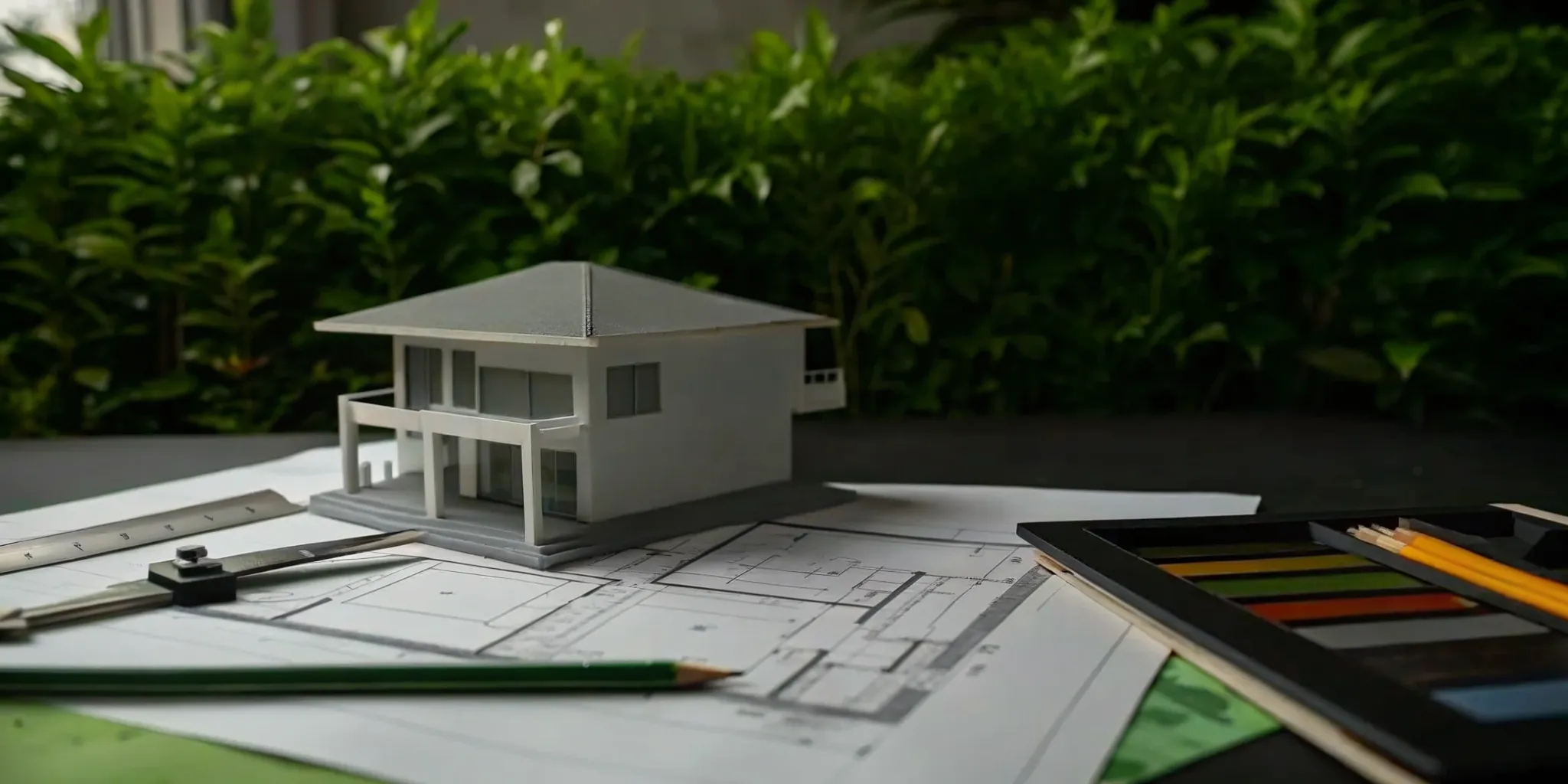
- Develop and document the design. Coordinate plans, engineering, finish selections, specifications, and realistic allowances.
- Secure approvals and permits. Submit complete documents, respond to comments, and update the schedule as review timing becomes clearer.
- Select the contractor and finalize the agreement. Compare aligned scopes, confirm exclusions, review insurance and licensing, and establish communication procedures.
- Procure long-lead products and prepare the site. Confirm delivery dates, arrange storage, protect retained areas, and finalize temporary living plans.
- Build, inspect, and manage changes. Track progress, approvals, decisions, payments, and any scope changes in writing.
- Close out the project. Complete inspections and punch-list items, collect warranties and manuals, and understand ongoing maintenance needs.

Make decisions before they become urgent
Urgent decisions are rarely the best decisions. Ask for a selection schedule showing when every fixture, finish, and appliance must be approved. Confirm dimensions and compatibility before ordering. For products with long lead times, decide whether to wait, choose an alternative, or adjust the construction sequence.
A change-control process is equally important. Every proposed change should document the revised scope, added or reduced cost, schedule effect, and required approval before work proceeds. This protects the homeowner-contractor relationship and keeps the budget understandable.
See how Realm supports your renovation from planning onward
How long does a Bay Area whole-home remodel take?
A Bay Area whole-home renovation often requires many months from initial planning through closeout, and complex projects can take longer than a year. Design development, engineering, municipal review, product lead times, and construction all contribute. The most credible schedule is phase-based, includes dependencies, and is updated as information becomes available.
No universal timeline can account for every Bay Area jurisdiction or project. A remodel that keeps the structure and systems largely intact may advance much faster than a gut renovation with an addition. Permit review timing varies, and revisions or additional agency approvals can extend preconstruction.
Plan backward from construction
Homeowners often focus on a desired construction start date while underestimating the decisions required before mobilization. Work backward from that date. Allow time for measured drawings, concept options, design refinement, engineering, pricing, revisions, approvals, and procurement. Starting construction before documentation is sufficiently complete can shift decision-making into the most expensive phase.
For a detailed view of early planning decisions, read this guide to planning a whole-house remodel. It can help you organize priorities before meeting with design and construction professionals.
Protect the schedule during construction
Confirm how the contractor builds and updates the schedule, who is responsible for decisions, and how delays are communicated. Timely homeowner approvals matter, but so do trade availability, inspections, product deliveries, and unforeseen conditions. A schedule should be a living management tool, not a date mentioned once in a proposal.
Ask which milestones affect payment, when utilities may be unavailable, and when you can safely return home. If a completion date is tied to a school year, lease, or other commitment, maintain flexibility rather than relying on a best-case projection.
Should you move out during a whole-home remodel?
Moving out is usually the more practical choice for a full gut renovation or any project that broadly disrupts kitchens, bathrooms, utilities, or safe circulation. Staying may be feasible for limited, well-separated work. Compare temporary housing costs with the potential safety, schedule, productivity, and quality-of-life effects of remaining on site.
Evaluate safety and daily function
Construction creates dust, noise, equipment movement, and changing access conditions. Utility interruptions and incomplete kitchens or bathrooms can make normal routines difficult. Children, pets, respiratory sensitivities, and work-from-home needs may make relocation advisable even when a contractor can technically isolate the work zone.
If you hope to stay, ask the contractor for a written logistics plan. It should address separation barriers, air management, daily cleanup, entrances, utility outages, working hours, material storage, and emergency access. Confirm whether living on site changes the schedule or price.
Budget for the full temporary-living period
Temporary housing is part of the project budget, not an afterthought. Include deposits, rent, moving, storage, parking, pet needs, and overlap at both ends. Build in schedule flexibility so a modest delay does not force an expensive last-minute extension or move.
Relocation can also allow crews to work more efficiently across multiple rooms, although the actual schedule effect depends on the project and contractor. Discuss the options early, then include the agreed approach in planning documents and proposals.
How do you choose the right Bay Area contractor?
Choose a contractor based on relevant experience, a valid license and appropriate insurance, transparent scope and pricing, reliable references, and a strong communication process. Compare proposals only after confirming that each contractor priced the same documents and assumptions. The lowest initial number may not represent the lowest final cost or best value.
Compare substance, not presentation
Ask candidates to explain their experience with projects similar in scope, location, and finish level. Verify licensing and insurance independently. Speak with recent clients about communication, site management, changes, schedule reliability, and closeout. If possible, review both finished work and an active site to understand the contractor's operational standards.
A useful proposal identifies inclusions, exclusions, allowances, payment timing, and the basis for the schedule. Pay close attention to vague line items and large allowances. They can make a proposal appear competitive before selections are made, then create substantial increases later.
Establish how the team will work together
Whole-home remodeling is a long professional relationship. Confirm who will manage the site daily, how often you will receive updates, which platform or documents will track decisions, and how questions are escalated. Discuss change orders, quality concerns, and schedule adjustments before signing, when everyone can agree on a fair process.
Realm connects homeowners with vetted contractors and supports them with customized planning, expert advisors, and ongoing guidance. Learn more about Realm's renovation process if you want support coordinating the path from early planning to contractor selection.
Frequently asked questions
These answers address four common Bay Area whole-home remodeling questions: how to set a contingency, when estimates become reliable, whether price per square foot is useful, and how to begin. Each answer should be adapted to the home's condition, jurisdiction, selected design, and the homeowner's priorities.
How much contingency should I carry?
The right contingency depends on how much is known and how much risk remains. A mostly cosmetic project in a well-documented home may warrant a smaller reserve than a gut renovation in an older house with concealed systems. Ask your team to identify specific risks and recommend a reserve tied to them. Keep contingency separate from optional upgrades so it remains available for genuine unknowns.
When will my estimate become reliable?
Budget confidence improves as the scope, drawings, engineering, and selections become more complete. An early range can test feasibility, but a construction proposal based on coordinated documents and clearly defined allowances is more useful. Even then, confirm exclusions and preserve contingency for conditions that could not reasonably be known before demolition.
Is cost per square foot a useful benchmark?
It can be a rough comparison tool, but it should not be the primary basis for a whole-home budget. Kitchens, bathrooms, structural changes, site constraints, and finish levels do not distribute evenly across square footage. A room-by-room, system-by-system scope provides a better basis for decision-making and contractor pricing.
What is the best first step?
Begin by documenting what is not working in your home, what success would look like, and the investment range you are prepared to consider. Then seek informed guidance on feasibility, likely scope, and local cost drivers before committing to detailed design. This early alignment gives every later conversation a clearer purpose.
For high-value homeowners, managing whole home remodel cost Bay Area expectations is ultimately about making informed tradeoffs without losing sight of the reason for renovating. A coordinated plan, qualified professionals, disciplined selections, and transparent communication can turn a complex undertaking into a structured path toward a home that serves you for years.