How to Add a Second Floor to Your House: A Guide
Learn how to add second floor to house with practical steps, cost breakdowns, and expert tips for a smooth, successful home addition project.
|
June 8, 2026
In this article:
Adding square footage is one of the most reliable ways to increase your property’s value. While kitchens and baths offer great returns, nothing impacts your home’s worth quite like a major expansion. For homeowners with limited lot space, the smartest financial move is often to build up, not out. When you add a second floor to your house, you not only gain valuable living space for a primary suite or extra bedrooms, but you also make a significant investment in your biggest asset. This guide breaks down the costs, financing options, and potential return on investment, helping you understand the financial side of this transformative project from every angle.
Key Takeaways
- Start with Structure, Not Sketches: Before you get attached to a design, hire a structural engineer to confirm your home's foundation can support a second story. This professional approval is a non-negotiable first step that prevents costly surprises and ensures your project is built on a solid base.
- Budget Beyond the Build: A successful financial plan accounts for more than just construction costs. Secure detailed, fixed-price quotes and build in a 10% to 20% contingency fund for unexpected issues, along with a separate budget for temporary living expenses.
- Your Contractor Is Your Project Partner: The success of your addition depends on your contractor. Choose a vetted professional with specific experience in second-story additions, and document every decision in writing to ensure clear communication and accountability from start to finish.
Why Add a Second Floor to Your House?
Deciding to add a second floor to your house is a major step, but it’s often the perfect solution for homeowners who need more room but love where they live. Instead of expanding outward and sacrificing your yard, you can build up, creating the space you need while preserving your outdoor oasis. A second-story addition can transform your home by adding bedrooms, a dedicated office, or a family room. It’s a project that not only enhances your daily life but can also significantly increase your property’s value. If you’re weighing the pros and cons of moving versus renovating, building up offers a compelling way to get the best of both worlds.
Gain Space, Keep Your Yard
One of the biggest advantages of adding a second story is gaining significant living space without expanding your home’s footprint. This means you can add one or more bedrooms, a bathroom, or a versatile bonus room without sacrificing your precious yard. For many homeowners, especially in areas where outdoor space is a premium, this is a game-changer. You get to keep your garden, patio, or play area for the kids while creating a more functional home. A second-story addition lets you customize your home to fit your family’s evolving needs, whether that means a quiet home office with a view or a primary suite that feels like a private retreat.
Increase Your Home's Value
A well-designed second-floor addition is more than just extra space; it’s a smart financial move. Adding square footage almost always increases a home’s worth, and a second story can provide a substantial return on investment. In desirable neighborhoods, a thoughtfully executed addition can increase your home's value by 15-20%. Beyond the raw numbers, this type of renovation adds appeal that buyers notice, like better views from the new upper level or a more spacious, modern layout. By working with an expert to plan your project, you can ensure your addition not only meets your needs but also becomes a valuable investment in your property.
Avoid Moving by Building Up
If you love your neighborhood, your neighbors, and your local schools, the thought of moving can be tough, even when you’re short on space. Adding a second story offers a fantastic alternative, allowing you to get the extra room you need without leaving the community you call home. It’s the perfect solution for a growing family or for anyone who needs more flexibility from their floor plan. Instead of dealing with the stress and expense of selling your home and finding a new one, you can invest in the property you already own. With the right support, you can manage a major renovation and create a home that will serve your family for years to come.
Can Your Home Handle a Second Floor?
Before you get lost in floor plans and design ideas, there’s a big question you need to answer: can your house actually support a second story? Adding a whole new level is a massive undertaking, and the success of the project hinges on your home's existing structure. This isn't something you can eyeball. You'll need a professional assessment from a structural engineer to determine if your home is a good candidate. They will investigate the key areas that bear the load and tell you what, if any, reinforcements are needed before you can build up. Getting this expert opinion early on will save you from major headaches and budget surprises down the road.
Check Your Foundation and Walls
Think of a second-story addition as placing a small house on top of your current one. All that new weight from lumber, drywall, and furniture needs a solid base. Your home's foundation and walls must be strong enough to hold the extra weight, and in many cases, you might need to make them stronger first. A structural engineer will examine your foundation to see if it can handle the increased load. They’ll also inspect your existing walls to identify which ones are load-bearing and whether they need to be reinforced with stronger materials or additional support columns. This is especially critical for older homes, which may not have been built to modern structural standards.
Plan for Roof Removal
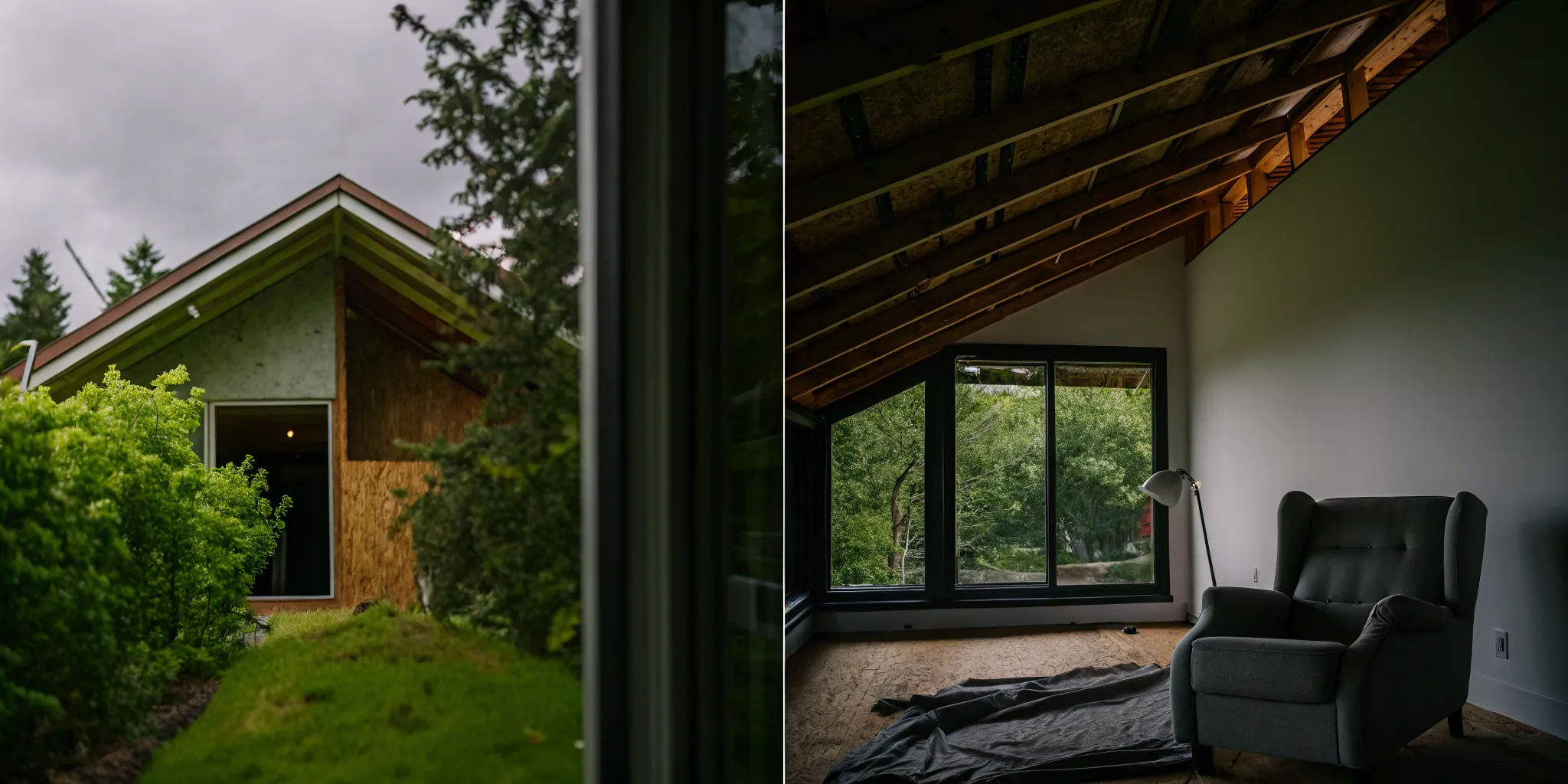
This is one of the most dramatic steps in the process. To build up, your existing roof has to come off completely. This exposes your home to the elements, making it a critical phase that requires careful planning. The old roof has to come off, and the house needs to stay dry during construction, which adds to the cost and complexity. Your contractor will need a detailed plan for protecting your first floor with industrial-grade tarps and temporary weatherproofing. Because your home will be open to the sky for a period, you’ll almost certainly need to move out during this part of the construction.
Assess Your Home's Systems
Doubling your living space means your home's existing systems will be working overtime. It's very likely you might need to upgrade your heating and cooling systems or electrical work to accommodate the new space. Your current HVAC unit was sized for your original square footage, so it probably won’t be powerful enough to heat and cool an entire second floor effectively. You may need a larger unit or a separate zoned system. Similarly, your electrical panel might need an upgrade to handle more lights and outlets, and new plumbing will have to be run for any upstairs bathrooms or laundry rooms. These system upgrades are essential for making your new addition comfortable and functional.
How Much Does It Cost to Add a Second Floor?
Let’s talk numbers. The cost of adding a second story is one of the biggest questions homeowners have, and for good reason. It’s a major investment. While the final price tag depends on your home’s location, the project’s complexity, and the materials you choose, we can break down the typical costs to give you a clearer picture of the budget you’ll need. Having a solid financial plan is the first step toward a successful renovation, and a Realm advisor can help you create a data-backed budget tailored to your specific project.
Breaking Down the Cost Per Square Foot
On average, you can expect the cost to add a second floor to range from $100 to $400 per square foot. This is a wide range because so many factors come into play, from local labor costs to the quality of your finishes. For a full second-story addition of around 1,000 square feet, your total project cost could land anywhere between $150,000 and $400,000, or even more. Understanding this per-square-foot metric is a great starting point for estimating your initial budget and seeing how different-sized additions might compare.
Full vs. Partial Addition Costs
Deciding between a full or partial second story will have a huge impact on your budget. A partial addition, such as building a new primary suite over your garage, is a popular option that can cost between $80,000 and $200,000. This approach adds significant space without requiring a complete overhaul of your home’s structure. In contrast, a full second-story addition that doubles your home’s square footage is a much larger undertaking, with costs typically starting at $150,000 and going up to $400,000 or more. Your choice will depend on your family’s needs, your property’s potential, and your overall budget.
What Drives Up the Budget?
Several key factors can increase the cost of your second-story addition. If your home’s foundation needs reinforcement to support the extra weight, that will add a significant expense. The complexity of your design, especially if it involves intricate rooflines or custom features, also plays a role. Adding plumbing for new bathrooms or a laundry room is another major cost driver. Of course, your choice of materials matters, as high-end flooring, windows, and fixtures will push the budget higher. Finally, don’t forget to account for permits, fees, and a contingency fund for any unexpected issues that might pop up.
Factor in Temporary Living Costs
One often-overlooked expense is the cost of temporary housing. Depending on the scale of your renovation, your home might be unlivable for several months. During this time, you’ll need to arrange for another place to stay, whether it’s a rental, an extended-stay hotel, or staying with family. It’s important to factor these living expenses into your total project budget from the very beginning. Forgetting this step can put a serious strain on your finances down the road. Be sure to discuss the construction timeline with your contractor to get a realistic idea of how long you’ll need to be out of the house.
How to Finance Your Addition
Funding a large-scale project like a second-story addition usually requires financing. Many homeowners use the equity they’ve built in their homes to secure a loan. Two of the most common options are a home equity loan, which gives you a lump sum of cash upfront, or a home equity line of credit (HELOC), which works more like a credit card you can draw from as needed. Another route is a construction loan, which is specifically designed to cover the costs of building and is paid out in stages as work is completed. Exploring your financing options early will help you move forward with confidence.
The Pros and Cons of Adding a Second Floor
Adding a second story is one of the biggest transformations you can make to your home. It’s a project that can completely reshape your living space and lifestyle, but it’s also a major undertaking with significant costs and complexities. Before you start dreaming of new bedrooms and skyline views, it’s important to get a clear, realistic picture of what the project entails. Like any major renovation, it comes with a list of compelling advantages and some serious challenges to consider.
Thinking through these points will help you decide if building up is the right move for your family, your home, and your budget. It’s about weighing the dream of more space against the realities of a long and complex construction project. A second-floor addition isn’t just a renovation; it’s a fundamental change to your home’s structure and your daily life for the duration of the build. Let’s walk through the good and the not-so-good so you can make an informed decision.
Pros
The most obvious benefit of adding a second floor is gaining a tremendous amount of living space without sacrificing your yard. Instead of building out, you build up, preserving your precious outdoor area for gardens, patios, or play. This new level can house the primary suite you’ve always wanted, extra bedrooms for a growing family, or a dedicated home office. Beyond just space, a second story can dramatically increase your home's value, often making it a smart long-term investment. A well-designed addition also enhances your home’s curb appeal, giving it a more substantial and attractive presence. Plus, being higher up often means better views and more natural light, making your entire home feel brighter and more open.
Cons
On the flip side, a second-story addition comes with some hefty considerations. The biggest hurdle for most homeowners is the cost, which is substantial and can be unpredictable. The construction process is also long and disruptive; you’ll be living with noise and dust for months, and you may even need to move out temporarily. Not every house is a candidate for a second floor, either. Your home’s foundation and existing structure must be strong enough to support the extra weight, which often requires a structural assessment and potentially costly reinforcements. Finally, navigating the world of permits and regulations can be a complex and time-consuming process that adds another layer of stress to the project.
How to Design Your Second-Floor Addition
Designing your second-floor addition is where your vision truly starts to take shape. This isn't just about adding square footage; it's about creating a space that flows seamlessly with the rest of your home. A thoughtful design ensures the addition feels like it has always been there, both inside and out. From matching the exterior style to making smart layout choices that save you money, every decision matters. Working with an experienced architect or a design-build firm is the best way to get these details right and create a plan that is both beautiful and practical.
Match Your Home's Existing Style
The most successful second-story additions are the ones you don’t immediately notice. The goal is to make the new part of your home look like it has always been there. You can achieve this by using similar siding, windows, and roof materials that complement your home's original character. Pay attention to the small details, like matching the trim, eave depth, and paint colors. Whether your home is a Craftsman, a mid-century modern, or a Spanish-style bungalow, carrying its unique architectural language upward is key to a cohesive and attractive final result.
Blend Rooflines and Windows Seamlessly
A clunky, mismatched roof is a tell-tale sign of a poorly planned addition. It's crucial to make sure the new roof connects smoothly with the old one, not just for looks but also to prevent leaks and water damage down the line. The same principle applies to your windows. Try to line up new windows with the ones on the first floor, and use similar shapes and sizes for a balanced, intentional look. An experienced designer can help you explore different roofline options and window placements that enhance your home’s curb appeal while feeling completely natural.
Plan for Energy Efficiency
Adding a second floor is a perfect opportunity to improve your home's overall energy performance. When designed well with good insulation, your new story can help keep your entire home warmer in the winter and cooler in the summer, which can lower your energy bills. Modern building codes often require a high standard of efficiency, but you can go further. Consider installing high-performance windows, using advanced insulation products, and ensuring the entire building envelope is properly sealed. These choices will make your home more comfortable and sustainable for years to come.
Stack Bathrooms to Save Money
Here’s a smart design trick that can save you a significant amount on plumbing costs: whenever possible, put new upstairs bathrooms directly above existing downstairs ones. This strategy, known as stacking, allows your contractor to tie the new plumbing directly into your home's existing water and drain lines. It minimizes the need to run new pipes across your home, which reduces both labor and material costs. This is one of the simplest and most effective ways to keep your renovation budget in check without compromising on your vision for the new space.
What Does the Process Look Like Step-by-Step?
Seeing a second-floor addition come to life is an exciting journey, but it’s one that follows a clear and structured path. From the first sketch to the final walkthrough, each step is designed to make sure your project is safe, compliant, and exactly what you envisioned. Knowing the road ahead helps you prepare for the decisions you’ll need to make and keeps surprises to a minimum. Think of it as a roadmap for your renovation. While every project has its unique quirks, the major milestones are generally the same. Here’s a look at the process from start to finish, so you can feel confident as you move forward with your home’s transformation.
Step 1: Plan and Budget
Adding a second story is a fantastic way to gain significant living space without sacrificing your yard. It can also give you better views and increase your home’s value. But before you get lost in design ideas, the first and most important step is to establish a clear, realistic budget. Understanding your finances early on helps you make informed decisions and prevents costs from spiraling later. A detailed budget should account for everything from architectural plans and permits to materials and labor. This is the foundation of your entire project, and getting it right sets you up for a much smoother experience.
Step 2: Design and Assess the Structure
Once you have a budget, it’s time to focus on the design and the nitty-gritty of your home’s structure. Your house’s foundation and existing walls must be strong enough to support the weight of a whole new level. A structural engineer will need to perform an assessment to confirm this. If the structure isn’t sufficient, you’ll need to factor in costs for reinforcement. Working with an experienced architect or a design-build firm will help you create a functional layout that also meets all local building codes. This is where Realm’s expert guidance can be invaluable, connecting you with vetted professionals who understand your vision.
Step 3: Get Your Permits and Approvals
No construction can begin without the right permits. This step is absolutely critical, as local governments have specific rules about building additions, zoning, and safety. These regulations can vary quite a bit depending on where you live, covering everything from how high you can build to how close you can be to your property line. Trying to skip this process can lead to hefty fines and major delays. A good contractor will often manage the permitting process for you, but it’s important that you understand what’s required. This ensures your addition is legal, safe, and fully compliant from day one.
Step 4: Manage Construction
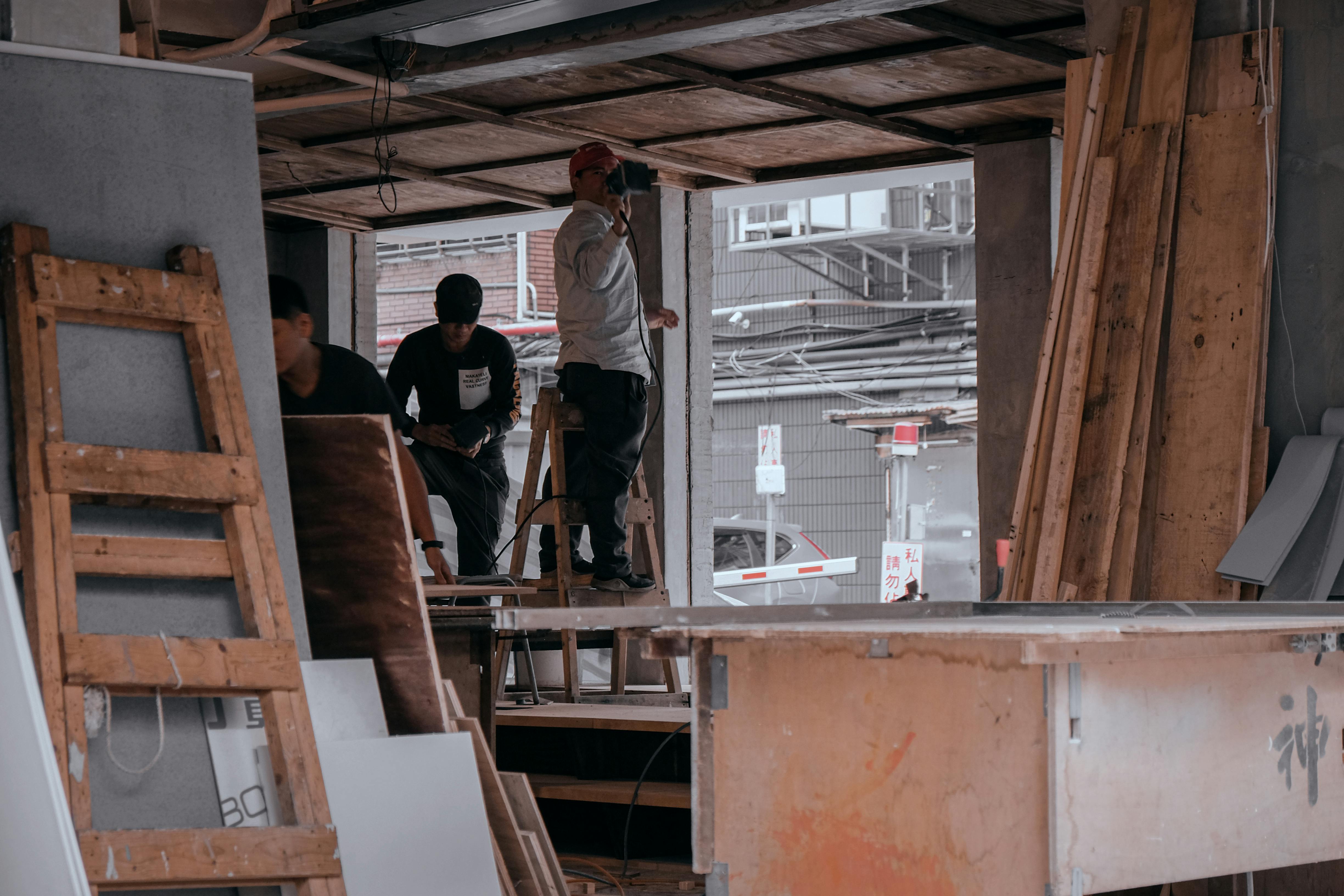
The construction phase is where your vision finally starts taking shape, but it’s also the most disruptive part of the process. A second-story addition can take several months to over a year to complete, and you can expect a fair amount of noise and dust. Depending on the scope of the work, you might need to find a temporary place to live while the main construction is underway. Keeping an open line of communication with your contractor is key to managing this phase effectively. Regular check-ins will help you stay on top of the timeline and address any issues as they come up.
Step 5: Complete Final Inspections
After the last nail is hammered and the paint is dry, there’s one final hurdle: the final inspection. A city inspector will visit your home to ensure all the work was completed according to code and meets safety standards. They’ll check the structural work, electrical, plumbing, and more to sign off on the project. This isn’t just a formality; it’s a crucial step that protects you and confirms your new space is safe for your family. Your contractor will schedule these inspections, but it’s good to know that your project isn’t truly finished until you have that official approval.
What Are the Biggest Challenges to Expect?
Any major renovation comes with its share of hurdles, and adding a whole new level to your home is no exception. But thinking through these potential challenges ahead of time is the best way to keep your project running smoothly. Forewarned is forearmed, right? From structural surprises hiding in your walls to the simple reality of living in a construction zone, knowing what’s coming helps you, your family, and your budget prepare.
The biggest hurdles usually fall into four categories: the structure of your home, the paperwork required by your city, the impact on your daily life, and the potential for unexpected costs. None of these are reasons to abandon your dream of more space. Instead, think of them as key milestones to plan for. Having an experienced team on your side is crucial, as they’ve seen it all before and can anticipate issues before they become major problems. A dedicated advisor can guide you through each step, ensuring you’re never facing these challenges alone. Let’s break down what you can expect.
Prepare for Structural Surprises
When your home was first built, it was designed to support its original structure, not a whole new floor. Before you can build up, a structural engineer needs to confirm that your home’s foundation and walls are strong enough to handle the additional weight. This is a critical, non-negotiable step.
Often, the existing structure will need some reinforcement. This could involve strengthening the foundation or adding support beams within the walls of the first floor. While it might sound alarming, this is a very common part of the process. Your contractor will build these costs and tasks into the project plan from the start, so it shouldn’t come as a complete surprise. It’s just one of the first and most important boxes to check.
Work Through Permits and Building Codes
Working through the world of permits and local building codes can feel like a full-time job. Every city and county has its own set of rules governing what you can build, from height restrictions to specific structural requirements. These regulations are in place for your safety, but the approval process can be complex and time-consuming.
Securing the right permits is essential for a successful and legal addition. Your contractor should have deep experience with the local building department and can manage the submission and approval process for you. This is one of the biggest benefits of hiring a vetted professional who knows your area well. They’ll ensure your plans are compliant from the get-go, preventing costly delays and redesigns down the road.
Manage Daily Life During Construction
There’s no way to sugarcoat it: living through a second-story addition is disruptive. For several months, your home will be an active construction site, complete with noise, dust, and a crew of workers. At certain points, like when the roof is removed, your home will be exposed to the elements, and it may be best to temporarily relocate.
If you plan to stay, communication with your project manager is key. Establish clear working hours and set up a "clean zone" in the house that is off-limits to construction. Protecting your furniture and belongings with plastic sheeting is also a must. It’s a temporary inconvenience, but keeping your eye on the prize, a beautiful new living space, will help you get through it.
Handle Unexpected Costs
Even with the most detailed plan, unexpected issues can and do arise during a major renovation. When you open up walls, you might find outdated wiring, hidden plumbing problems, or pest damage that needs to be addressed. These discoveries can lead to additional expenses that weren't in the original quote.
This is why a contingency fund is so important. It’s wise to set aside an extra 10% to 20% of your total project cost to cover these unforeseen expenses. Think of it as project insurance that gives you peace of mind. A contingency fund prevents a small surprise from derailing your entire budget, allowing you to handle issues properly without cutting corners on your vision.
How to Choose the Right Contractor
Finding the right contractor is the most critical decision you'll make for your second-floor addition. This is the person you’ll trust with your home, your budget, and your vision for months. A great partnership can make the process feel exciting and collaborative, while a poor one can cause endless stress. You’re looking for more than just a builder; you’re looking for a project partner who is experienced, communicative, and reliable. Taking the time to vet your options thoroughly now will save you from major headaches down the road.
What to Look For in a Contractor
Your first step is to confirm that any potential contractor is properly licensed and insured. This is non-negotiable. It protects you from liability and ensures they meet state requirements. Beyond the paperwork, focus on their experience. You want someone who has specifically handled second-floor additions, not just general renovations. A local contractor is also a huge plus, as they’ll be familiar with your area’s building codes and permitting processes. Pay close attention to their communication style from the very first conversation. A good contractor listens to your ideas, answers questions clearly, and is transparent about their process. This initial rapport is often a strong indicator of what the working relationship will be like.
Key Questions to Ask Before Hiring
Once you have a shortlist, it’s time to dig deeper. Treat your initial conversations like interviews, and don’t be shy about asking direct questions. Start with the essentials to ensure you’re protected and informed.
Here are a few key questions to ask:
- Can you provide a certificate of insurance (COI)? This document proves they have the right coverage.
- What is your experience with projects like mine? Ask to see a portfolio of second-floor additions they’ve completed.
- Can you provide a few references from recent clients? Speaking with past clients is one of the best ways to learn about a contractor's reliability and the quality of their work.
- Who will be my main point of contact, and how often will we communicate?
How Realm Helps You Find the Right Pro
Sifting through contractors can feel like a full-time job, which is why we’ve simplified the process. Instead of you spending weeks making calls and vetting strangers, we connect you with professionals from our trusted network. Every contractor Realm works with has already been vetted for their license, insurance, experience, and client satisfaction. We match you with pros who specialize in complex projects like second-floor additions right in your area. Your dedicated Realm advisor helps you compare bids and understand the fine print, ensuring you can confidently choose the right professional for your project.
How to Keep Your Project on Budget and on Time
A second-floor addition is a huge undertaking, and the last thing you want are surprise costs and endless delays. While no project is completely immune to hiccups, a solid strategy can keep things running smoothly. It all comes down to clear planning, open communication, and having a financial safety net. With the right approach, you can manage your renovation with confidence and avoid the most common pitfalls that throw projects off course. Here are the essential steps to keep your addition on track from start to finish.
Get Detailed, Fixed-Price Quotes
To avoid sticker shock halfway through your project, you need to move beyond ballpark estimates. Insist on getting detailed, fixed-price quotes from any contractor you consider. A fixed-price quote clearly outlines the total cost and specifies exactly what is included, from labor and materials to finishes. This document is your best defense against unexpected expenses. Before signing anything, review the quote line by line to ensure you understand every item. A transparent and thorough quote is a sign of a professional contractor and is a critical first step in planning your project with financial clarity.
Create a 10-20% Contingency Fund
Even with the most meticulous planning, surprises can happen, especially when you open up walls in an older home. That’s why a contingency fund is not optional; it’s essential. You should set aside an extra 10% to 20% of your total project cost in a separate fund. This isn't for design upgrades; it's a safety net for legitimate, unforeseen issues like discovering outdated wiring, plumbing problems, or structural issues that need to be addressed. Having this money ready means an unexpected problem won't derail your budget or halt construction. It’s the smartest money you’ll spend on your peace of mind.
Simplify Your Design Choices
The complexity of your design has a direct impact on your budget. Intricate rooflines, custom-shaped windows, and complicated layouts require more materials and specialized labor, which drives up costs. If you're trying to stick to a firm budget, consider simplifying your design. Opting for a more straightforward rectangular shape and a standard roofline can save you a significant amount of money without sacrificing function or style. You can still create a beautiful, light-filled space with standard materials and simpler architectural forms. A Realm advisor can help you explore design options that meet your goals without inflating the price tag.
Put All Decisions in Writing
Clear communication is key to a successful renovation, and the best way to ensure clarity is to document everything. Every decision, change order, and material selection should be put in writing and shared with your contractor. This creates a clear record that everyone can refer back to, preventing misunderstandings that could lead to mistakes, delays, or arguments over costs. Whether you're communicating through email or a project management app, having a written trail protects both you and your contractor. It ensures everyone is on the same page and accountable for what was agreed upon.
Don't Forget to Update Your Insurance
Once the dust settles and your beautiful second-floor addition is complete, you have one final administrative task: updating your homeowner's insurance. Your addition has significantly increased the value of your home, and your old policy won't be enough to cover the new structure in case of a fire, storm, or other disaster. Contact your insurance provider and let them know about the renovation. They will adjust your coverage to reflect your home's new replacement cost. This simple phone call is crucial for protecting your investment and ensuring your family's financial security.
Related Articles
- Breaking Down the Two-Story Home Addition Cost
- The True Cost to Build a Home Addition Explained
- Home Addition Cost Per Sq Ft: A Full Breakdown
Frequently Asked Questions
How long will I have to move out of my house during construction? This is a great question, and the honest answer is that it depends on the project's scale. For most second-story additions, you should plan to be out of your home for at least a few months. The most critical period is when the old roof is removed and the new structure is being framed, as your home will be open to the elements. Living in a full-blown construction zone is also very disruptive and often not practical. It's best to discuss the timeline with your contractor to get a realistic window and factor temporary housing costs into your overall budget from the start.
Is adding a second story really a good financial investment? In most cases, yes. Adding significant square footage, especially bedrooms and bathrooms, almost always increases a home's market value. A well-designed second floor can provide a strong return on investment, particularly in desirable neighborhoods where space is at a premium. Beyond the resale value, you're also investing in your family's quality of life by creating a home that truly fits your needs. The key is to plan thoughtfully so the addition feels like a natural part of the house, which is what buyers find most appealing.
What is the absolute first step I should take if I'm just starting to think about this? Before you fall in love with floor plans, your very first step should be to get a professional structural assessment. You need to know if your home's foundation and existing walls can actually support the weight of a new level. A structural engineer can give you a definitive answer and tell you what, if any, reinforcements will be needed. This initial report is crucial because it determines the feasibility and potential hidden costs of your project right from the beginning.
My house is pretty old. Does that automatically mean I can't add a second floor? Not at all. While older homes can present more challenges, many are excellent candidates for a second-story addition. The key is that they often require more extensive structural reinforcement to meet modern building codes and support the new weight. An engineer will need to thoroughly inspect the foundation and load-bearing walls. It might add to the project cost, but it's very common and entirely possible to strengthen an older home to prepare it for a new level.
How can I keep costs from getting out of control once the project starts? The best way to manage your budget is through careful planning before construction even begins. Start with a detailed, fixed-price contract that outlines every cost, and establish a contingency fund of 10-20% for any true surprises. During the project, resist the urge to make changes or upgrade finishes on the fly, as these "while you're at it" decisions add up quickly. Finally, maintain clear, written communication with your contractor about every decision to prevent misunderstandings that could lead to costly mistakes.