How to Renovate for Aging Parents: An Adult Child's Guide
Renovating for aging parents: guide for adult children with practical steps, safety tips, and smart solutions to help your parents stay safe and independent.
|
July 3, 2026

In this article:
As our parents get older, the homes they’ve loved for years can start to present new challenges. A steep staircase, a slippery bathroom floor, or poor lighting can quickly become serious safety hazards. Making thoughtful home modifications is a proactive way to prevent accidents and help them continue living comfortably and independently. This process, often called aging in place, is about making their environment work for them. Our Renovating for aging parents: guide for adult children provides a clear roadmap for these essential updates. We’ll cover room-by-room safety upgrades, smart technology solutions, and how to create a home where they can thrive.
Key Takeaways
- Start with the most critical safety updates: Focus your initial efforts on high-traffic areas like bathrooms and entryways. Simple, proven changes like installing grab bars, creating a zero-step entrance, and improving lighting can immediately reduce the risk of falls and make a huge impact on daily life.
- Treat your parents as project partners: Approach the conversation with empathy and frame the renovation as a way to support their independence. Involving them in decisions respects their autonomy and ensures the final design truly fits their lifestyle, which is why working with a neutral expert can help facilitate these choices.
- Combine smart tech with smart financing: A safer home is more attainable than you might think. Look into financial resources like government programs and home equity options, and pair them with modern smart home devices for security and health monitoring to create a comprehensive support system.
How to Plan Renovations for Your Aging Parents
Planning a renovation for your parents is about more than just updating a space; it’s about creating a home that supports their independence and well-being for years to come. Approaching the project with a clear plan helps ensure the final result is safe, comfortable, and perfectly suited to their lifestyle. A successful plan starts with a thoughtful conversation and a clear understanding of what needs to change.
Breaking the process down into manageable steps makes it feel much less overwhelming. Start by assessing your parents' current and future needs, then identify specific safety or mobility issues the renovation can solve. Finally, you’ll want to connect with professionals who have the right experience for this kind of specialized project. This structured approach helps you cover all your bases and create a home where your parents can thrive.
Assess their current and future needs
The best renovations begin with a conversation. Talk to your parents about their daily routines and ask what parts of their home feel challenging or inconvenient. The goal is to create a space where they feel safe, supported, and independent. Listen for frustrations they might mention, like a hard-to-reach cabinet or a slippery shower floor. These small details provide the best clues for what changes will have the biggest impact on their quality of life.
It’s also important to think ahead. A home that works for them today might not in five or ten years. Consider future mobility needs and how the layout could adapt over time. Thinking about these long-term scenarios helps you make smarter design choices now. Integrating features that enhance their quality of life, like smart home technology, can also help them maintain their independence for longer.
Identify common safety and mobility challenges
Once you have a general idea of their needs, walk through the house to pinpoint specific problem areas. Pay close attention to common mobility challenges, like navigating stairs, walking on uneven flooring, or getting up from a low sofa. Bathrooms and kitchens are often the first places to start, as they present the highest risk for falls and accidents. Look for trip hazards like area rugs, poor lighting in hallways, and high thresholds between rooms.
Making a simple checklist as you go can help you organize your thoughts. Note every potential issue, from a lack of handrails on the stairs to doorknobs that are difficult to turn. Recognizing these common mobility challenges is the first step toward finding practical solutions. This list will become the foundation of your renovation plan and a crucial tool when you start talking to contractors.
Find the right professionals
Renovating for aging in place requires a specific skill set that goes beyond standard construction. You need a team that understands accessible design principles, such as the proper height for grab bars or the turning radius needed for a wheelchair. These professionals can offer solutions you might not have considered, ensuring the modifications are both functional and blend seamlessly into the home’s design. They will know how to create a space that is safe without feeling clinical.
When you start your search, look for contractors with certifications or experience in aging-in-place projects. Ask potential candidates about similar renovations they’ve completed and how they approach accessible design. Finding the right partner is key to a successful project, which is why Realm’s process includes connecting you with a network of vetted contractors who specialize in these types of renovations. A dedicated advisor can help you find the right fit, so you can feel confident your parents’ home is in expert hands.
How to Talk to Your Parents About Home Modifications
Bringing up the topic of home modifications with your parents can feel daunting. It’s a conversation that touches on sensitive subjects like aging, independence, and change. But approaching it with care and empathy can make all the difference. The goal isn't to impose changes but to start a dialogue about how their home can continue to support them safely and comfortably for years to come. Think of it as a series of conversations, not a one-time talk, where you work together to find the best solutions.
Choose the right moment
Timing is key when you want to have a productive conversation. Bringing up major home changes during a family holiday or right after a stressful event is probably not the best approach. Instead, look for a calm, low-key moment when you and your parents are relaxed and have time to talk without feeling rushed. A quiet afternoon or a casual chat over coffee can create a more open environment. It’s important to approach the topic gently, perhaps by mentioning an article you read or a friend's experience. Remember, this might be the first of several conversations about their future, so patience is essential.
Focus on independence, not limitations
Frame the proposed changes as a way to enhance their freedom, not restrict it. Many parents fear that home modifications are the first step toward losing their independence. Your job is to show them how these updates can actually help them maintain it. Instead of focusing on potential risks or what they can no longer do, highlight the benefits. Talk about how a curbless shower is a sleek, modern upgrade or how better lighting can make their living room feel brighter and more welcoming. Using smart home technologies can also be a great way to support their autonomy while providing peace of mind.
Make it a collaborative decision
This is their home, and they should have the final say. When you treat the renovation as a partnership, you empower your parents and respect their autonomy. Ask for their opinions and involve them in every step of the process. Look at design magazines or websites together, and let them have input on things like paint colors, fixtures, and finishes. When you present ideas, frame them as suggestions, not demands. A great way to facilitate this is by working with a neutral third party. A Realm advisor can present a data-backed project plan with clear options, making it easier for everyone to review the possibilities and make decisions together.
A Room-by-Room Guide to Safety Upgrades
Making a home safer doesn't always require a full-scale demolition. Sometimes, the most impactful changes are thoughtful adjustments tailored to each room. By focusing on the areas where your parents spend the most time, you can make their daily routines easier and significantly reduce the risk of accidents. This room-by-room approach helps break down the project into manageable steps, making the entire process feel less overwhelming for both you and your parents. Let's walk through some of the most effective upgrades for key areas of the house.
Bathroom upgrades
The bathroom is often the first place to start with safety upgrades, as wet surfaces increase the risk of falls. Installing sturdy grab bars near the toilet and inside the shower is a simple change with a huge impact. Consider a walk-in shower with a built-in bench or a tub-cut conversion to eliminate the need to step over a high ledge. A raised toilet seat can also make sitting and standing much easier. Finally, improve visibility with bright, non-glare lighting and add non-slip mats both inside and outside the shower. The AARP HomeFit Guide offers a great checklist for making these kinds of practical adjustments throughout the home.
Kitchen adjustments
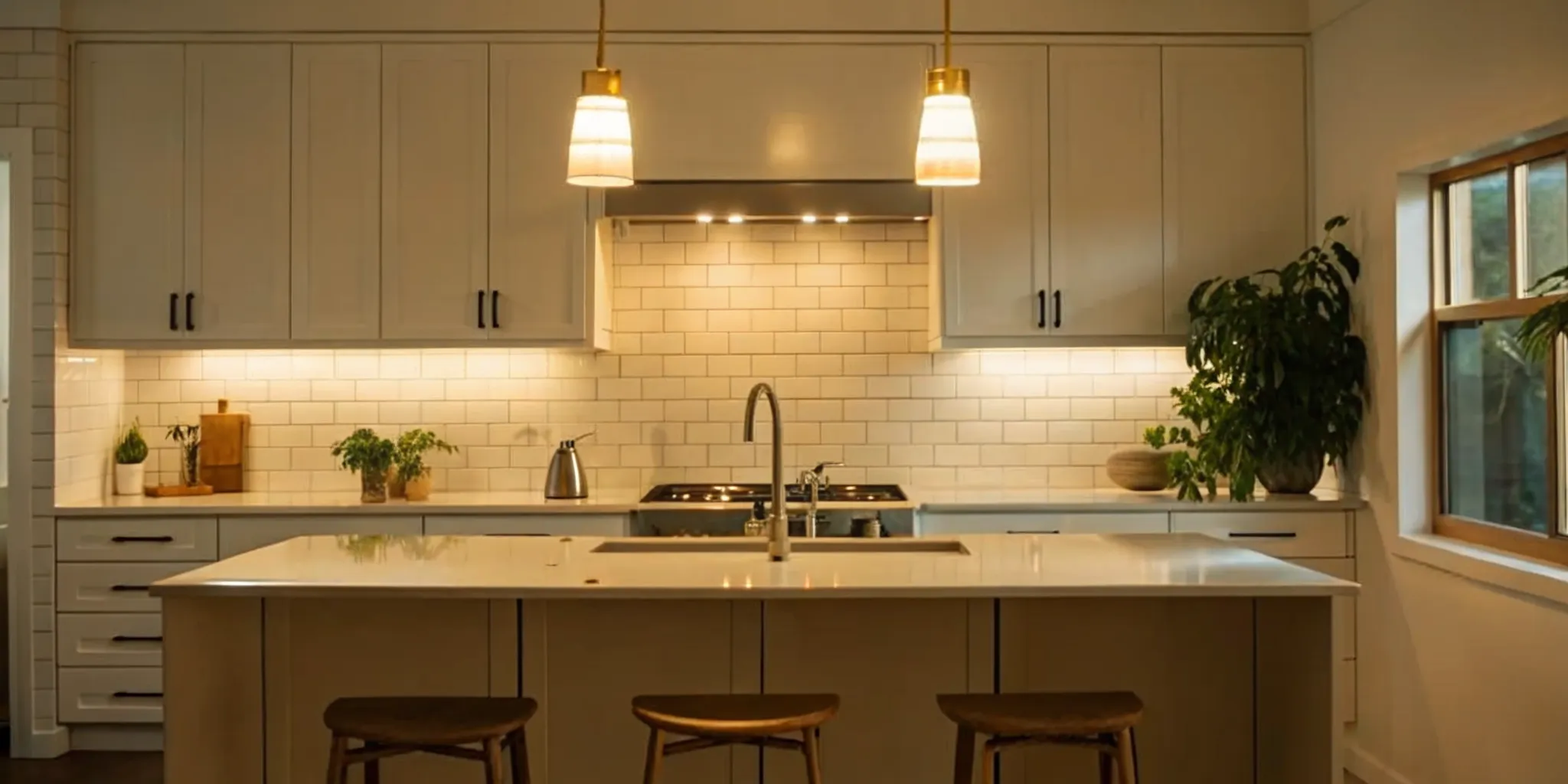
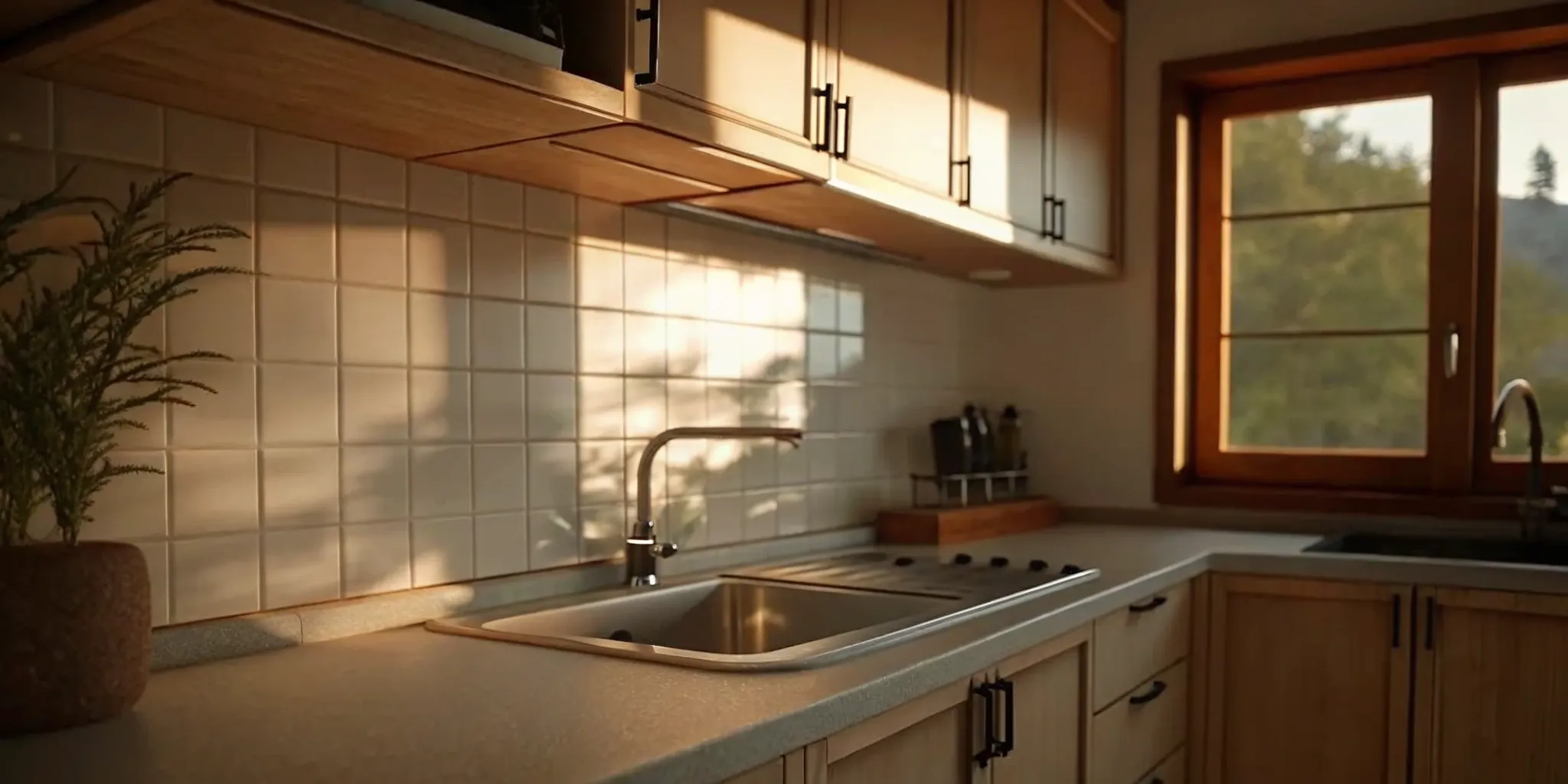
Making the kitchen more accessible can help your parents continue to cook and prepare meals safely and independently. If a full remodel is planned, lowering a section of the countertop can make it usable from a seated position. For smaller updates, focus on convenience. Install pull-out shelves in lower cabinets to reduce bending and reaching, and swap cabinet knobs for easier-to-grasp D-shaped pulls. Lever-style handles on the sink are also much simpler to operate than traditional knobs. Good task lighting under the cabinets illuminates work surfaces, reducing the risk of accidents while chopping or cooking. These principles of universal design can make the space work better for everyone.
Bedroom and living areas
The main goal in living and sleeping areas is to create clear, wide pathways for easy movement. Take a look at the furniture layout and see if you can create more open space, especially if your parent uses a walker or wheelchair. Secure or remove area rugs to prevent tripping, and use cord covers to tuck away lamp and electronic cables. Ensure that chairs and sofas are at a comfortable height and provide firm support, making it easier to get up. It’s also a good idea to place a lamp and a phone on the nightstand within easy reach. A simple home safety checklist can help you spot other potential hazards you might have missed.
Entryways, hallways, and stairs
A safe and welcoming entrance sets the tone for the entire home. If stairs are a barrier, a sturdy ramp or a zero-step entry can provide a safe alternative. Make sure all hallways and entryways are well-lit and free of clutter. Widening doorways is a more involved project, but it’s essential for wheelchair and walker access. For stairs that will remain in use, install handrails on both sides for maximum support. You can also improve visibility by applying contrasting-colored tape to the edge of each step. Planning these kinds of structural projects can feel overwhelming, but an expert can help you create a custom plan that fits your budget and your parents’ needs.
What Modifications Help Parents Age in Place?
When you start thinking about home renovations for your parents, the goal is to make their space safer, more comfortable, and easier to live in for years to come. These modifications are all about supporting their independence, not highlighting their limitations. The best changes blend seamlessly into the home's design while providing practical support where it's needed most. Some are simple weekend projects, while others are more involved updates that a professional contractor can handle. Planning these projects with a clear understanding of your parents' daily routines and future needs is the first step. From there, you can focus on high-impact areas that will make the biggest difference in their safety and quality of life. It's helpful to walk through the house with your parents and observe their daily movements. Notice where they might hesitate, reach for support, or struggle with a task. These observations can pinpoint the exact modifications that will provide the most benefit, turning a potentially overwhelming project into a series of targeted, manageable upgrades. By focusing on function and safety, you can help create an environment where they can thrive independently.
Install grab bars and handrails
One of the most effective ways to prevent falls is by installing grab bars and handrails in key areas. The bathroom is the perfect place to start. Adding sturdy grab bars next to the toilet and inside the shower or tub provides crucial support when sitting, standing, and navigating slippery surfaces. To further reduce risk, you can also install a raised toilet seat or a secure shower seat. Beyond the bathroom, adding handrails along both sides of hallways and staircases offers continuous stability as your parents move through the home. It’s essential that these are installed correctly into wall studs so they can handle full body weight, a job best left to a professional contractor.
Add ramps and zero-step entries
Stairs can quickly become a major obstacle for anyone with limited mobility. If your parents’ home has steps leading to the front door, adding a ramp can be a game-changer, especially for those who use a walker or wheelchair. A permanent ramp made of wood or concrete can be designed to match the home’s exterior, while a temporary aluminum ramp is a more flexible option. Another great solution is creating a zero-step entry, which means at least one entrance to the home is completely flat and threshold-free. This allows for effortless entry and exit, removing a daily barrier and making it much easier for your parents to stay engaged with their community.
Widen doorways for mobility aids
Standard interior doorways are often too narrow to accommodate a wheelchair or even a wide walker. To give your parents the freedom to move throughout their entire home, you may need to widen key doorways. The goal is to create a clear opening of at least 32 inches, though 36 inches is ideal for comfortable passage. This modification typically involves reframing the doorway, so it’s a project that requires a skilled contractor. While it’s a more structural change, widening doorways in the main living areas, bedroom, and bathroom is fundamental to creating a truly accessible living space.
Choose non-slip flooring and improve lighting
The right flooring and lighting can dramatically reduce the risk of trips and falls. Consider replacing worn, slippery flooring with non-slip materials like luxury vinyl tile, cork, or low-pile carpeting. It’s also important to ensure there are no loose rugs or uneven transitions between rooms that could become a tripping hazard. Just as crucial is improving the home’s lighting. Add brighter bulbs and additional fixtures to eliminate dark corners in hallways, stairwells, and work areas like the kitchen. Installing easy-to-use rocker-style light switches or even voice-activated smart lighting can make it simple for your parents to light their way, day or night.
Smart Home Tech to Support Independent Living
Beyond physical renovations, smart home technology offers a fantastic, less invasive way to support your parents’ safety and independence. These devices can provide peace of mind for everyone by creating a connected and responsive home environment. Smart tech helps with everything from managing daily routines and medications to ensuring a quick response in an emergency. Integrating these tools can be a simple yet powerful step in helping your parents live comfortably and securely in their own home for years to come.
Medical alert and emergency response systems
When you think of medical alerts, you might picture a simple button on a necklace. Today’s systems are far more advanced. Many models now include automatic fall detection, which can call for help even if your parent can't press the button. Some wearable devices also offer heart rate tracking and GPS, which is especially helpful if a parent is active outside the home. These modern home safety solutions make it easier for family or emergency services to respond quickly, offering a reliable safety net that supports an independent lifestyle. It’s a simple addition that brings significant reassurance.
Voice-activated assistants and smart controls
Voice assistants like Amazon Alexa or Google Home can be incredibly helpful for aging parents. They can make hands-free calls, set medication reminders, play music, or answer simple questions. When connected to other smart devices, they allow your parents to control lights, thermostats, and even door locks with a simple voice command. This is a huge help for anyone with mobility challenges. As one expert notes, these devices help create a connected home where you can remotely support routines and maintain comfort. Setting up a smart home for your aging parents can make their daily life much easier and more manageable.
Automated lighting and smart security
Good lighting is critical for preventing falls, and automated systems make it effortless. You can install motion-activated lights in hallways, bathrooms, and on stairs so they turn on automatically at night. Smart security cameras and video doorbells allow your parents to see who is at the door without having to get up, adding a layer of security and convenience. Smart locks can also be programmed to lock automatically at night or be unlocked remotely for a caregiver. These smart home technologies for aging in place are key to creating a secure environment that fosters independence.
Health and remote monitoring devices
Technology can also help you and your parents keep track of their health proactively. Smart pill dispensers can be programmed to release the correct dose at the right time, sending an alert to a family member’s phone if a dose is missed. Other devices, like smart blood pressure cuffs or glucose monitors, can automatically log readings in an app that can be shared with doctors or family. These home care technology tools support daily health routines and make it easier for you and their care team to stay informed and connected, even from a distance.
How Much Do Aging-in-Place Renovations Cost?
Thinking about the cost of a renovation can be stressful, especially when it’s for your parents’ long-term safety and comfort. The good news is that aging-in-place modifications don’t have to be a financial mystery. While costs can range from a few hundred dollars for simple safety updates to tens of thousands for major structural changes, the final price tag depends entirely on the scope of your project. A well-thought-out budget is your best tool for keeping the project on track and within your means. It acts as a roadmap, helping you and your family decide what’s essential now and what can wait.
The key to managing your budget is to plan carefully and prioritize changes that will have the biggest impact on your parents' daily lives. By breaking the project down and understanding what drives costs, you can make informed decisions that fit your family’s needs and financial situation. A clear plan also makes it much easier to get accurate quotes from contractors and ensures everyone is on the same page before any work begins. This preparation helps prevent unexpected expenses and allows you to approach the renovation with confidence, knowing you have a solid handle on the financial side of things.
Create a budget by project type
The most effective way to approach budgeting is to group potential projects by room or function. Instead of looking at one giant, overwhelming number, you can create mini-budgets for bathroom modifications, kitchen adjustments, and general accessibility improvements. For example, the cost to install a walk-in shower and grab bars in the bathroom will be very different from the cost of lowering kitchen cabinets and countertops.
Start by making a list of every change you and your parents have discussed, then organize that list into categories. This process helps you see where the money is going and allows you to prioritize. You might decide to tackle the most critical safety updates first and save other projects for later. Having these details sorted out is the first step toward getting the customized plans you need to move forward confidently.
What factors affect renovation costs?
Several key factors will influence the total cost of your project. The biggest one is the extent of the modifications. Simple additions like grab bars or new lighting are relatively inexpensive, while structural work like widening doorways or adding a ramp requires more labor and materials, driving up the price. The materials you choose also play a significant role; for instance, a basic non-slip vinyl floor will cost less than high-end, slip-resistant tile.
Labor costs, which vary by location, are another major component of your budget. Finally, specialized equipment such as stairlifts or automated smart home systems can add a considerable amount to the total. Getting expert guidance can help you understand these variables and find cost-effective solutions that don’t compromise on quality or safety.
Common cost misconceptions
Many people believe that making a home suitable for aging in place is prohibitively expensive, but that’s not always the case. You don’t have to do a complete overhaul all at once. In fact, some of the most effective updates are also the most affordable. Focusing on high-impact, low-cost changes first is a great way to improve safety immediately without breaking the bank.
Simple modifications like installing bright, easy-to-reach lighting, securing rugs with non-slip backing, and adding grab bars in the bathroom can make a world of difference. The goal is to enhance safety and independence, and that can often be achieved through a series of smaller, thoughtful projects rather than a single, massive renovation. Don't let the fear of high costs prevent you from taking the first step.
How to Pay for Aging-in-Place Renovations
Thinking about the cost of renovations can feel overwhelming, but it helps to see it as an investment in your parents' safety, comfort, and independence. The good news is you don't have to fund it all out of pocket. A variety of financial resources are available to make these essential home modifications more affordable. From government programs and grants to leveraging home equity and tapping into community support, there are practical paths to explore. Let's walk through some of the most common options to help you find the right fit for your family's situation.
Government grants and programs
Government grants can provide a significant financial lift for making a home safer. For example, the Older Adult Home Modification Program (OAHMP) is a federal initiative that funds low-cost, high-impact changes like installing grab bars and improving lighting to reduce the risk of falls. While you don't apply for these grants directly, the funds are given to nonprofit organizations and local government agencies that perform the work for low-income seniors. A great first step is to contact your local Area Agency on Aging to see which organizations in your community have received these HUD grants and what services they offer.
Medicaid waiver programs
If your parent is eligible for Medicaid, you may be able to get help through a waiver program. Many states offer Home and Community-Based Services (HCBS) waivers, which are designed to help seniors live at home rather than in a nursing facility. While primarily for services like personal care, these Medicaid waiver programs can sometimes cover the cost of home modifications that are necessary for health and safety. Each state's program is different, so you’ll need to research the specific eligibility requirements and benefits available where your parents live. It’s a bit of legwork, but it can be a valuable resource.
Reverse mortgages and home equity loans
For parents who own their home and have built up equity, using that asset can be a smart way to finance renovations. A home equity loan or line of credit (HELOC) allows them to borrow against the value of their home to pay for projects. Another option for homeowners aged 62 or older is a reverse mortgage, which converts a portion of their home equity into cash without a monthly mortgage payment. These are powerful tools, but they are also major financial decisions. It’s important to talk with a trusted financial advisor to understand the terms and find the best solution for your parents’ long-term goals.
Nonprofit and community resources
Don’t overlook the power of community support. National and local nonprofit organizations often have programs dedicated to helping seniors live safely at home. For instance, Habitat’s Aging in Place program partners with older adults to provide critical home repairs and modifications. Many local faith-based groups and community service organizations also offer volunteer assistance or small grants for similar projects. Reaching out to your local Area Agency on Aging is a great way to get a list of reputable organizations that serve your parents' neighborhood and can lend a helping hand.
How to Find and Vet the Right Contractor
Finding a contractor can feel like a huge task, but for a project this personal, it’s about finding a true partner. You need someone who not only has the technical skills but also understands the nuances of creating a safe, comfortable, and independent living space for your parents. The right professional will listen to your family’s needs and translate them into a home that supports your parents for years to come. Taking the time to properly vet your options is one of the most important steps in this entire process.
Look for aging-in-place specialists
Start by searching for contractors who are certified aging-in-place specialists (CAPS). This designation, offered by the National Association of Home Builders, means they’ve been trained specifically in designing and executing modifications for older adults. These pros think beyond basic construction; they understand how to create functional spaces that account for changing mobility and health needs. They’re also familiar with how smart home technologies can be integrated to enhance safety and independence. A specialist won’t just install a grab bar; they’ll know the precise height and location to make it most effective for your parent’s specific situation. Their expertise is key to a successful and forward-thinking renovation.
Key questions to ask before hiring
Once you have a shortlist of potential contractors, it’s time to interview them. Your questions should go beyond budget and timeline to gauge their experience with accessibility.
Here are a few essential questions to ask:
- Can you show me a portfolio of similar aging-in-place projects you’ve completed?
- How do you plan for future needs, not just current ones? For example, how would you design a bathroom or hallway to accommodate a walker or wheelchair later on?
- What specific brands or types of non-slip flooring, lever-handle faucets, and walk-in tubs do you recommend, and why?
- Are you and your subcontractors licensed, insured, and bonded?
Their answers will reveal their depth of knowledge and their suitability for your project.
How Realm connects you with vetted pros
The process of finding, interviewing, and checking references for contractors can be overwhelming. This is where a service like Realm can make a significant difference. We simplify the entire process by connecting you with highly qualified, local contractors from our vetted network. Every professional we recommend has a proven track record and experience with the specific type of renovation you’re planning, including aging-in-place modifications. Your dedicated Realm Advisor handles the heavy lifting of matching you with the right pros for your project’s scope and budget. This ensures you’re working with someone who not only meets industry standards but also understands how to create a safe and supportive home for your parents. You can learn more about how it works on our site.
Simplify Your Renovation Project With Realm
Planning a renovation for your parents is a big undertaking. You're not just managing a construction project; you're making thoughtful decisions to ensure their safety, comfort, and independence for years to come. It's a lot to handle on your own, especially when you're balancing your own life and family.
This is where having a partner can make all the difference. At Realm, we specialize in simplifying complex home renovations. Your dedicated advisor will work with you from start to finish, helping you create a customized plan that meets your parents' specific needs. We help you make sense of costs, timelines, and designs so you can move forward with confidence.
We'll help you incorporate the right modifications, from practical additions like grab bars to smart home technologies that support independent living. Our team understands how to create a connected and safe environment, giving both you and your parents peace of mind. We'll also connect you with our network of vetted contractors who have experience with aging-in-place projects, so you can trust the work is done right. Instead of juggling designers, contractors, and budgets by yourself, you get a single point of contact and expert guidance every step of the way. Learn more about how it works and let us help you create a home that supports your parents now and in the future.
Related Articles
- 8 Steps to a House Renovation Design and Plan
- Breaking Down Your Full Interior Renovation Cost
- Most Common Home Renovations Regionally Across The US (2022 Study)
- 2026 Home Renovation Trends: What 2025 Taught Us and What’s Next
- Master Suite Addition Cost: A Full Breakdown
Frequently Asked Questions
My parents are resistant to making changes to their home. How can I get them on board? This is a common and completely understandable challenge. The key is to frame the conversation around preserving their independence, not highlighting their limitations. Instead of focusing on risks, talk about the benefits, like how a modern, walk-in shower is a stylish upgrade or how better lighting makes a room feel more inviting. Treat it as a collaborative project where their input is essential. Ask for their opinions on designs and finishes. When they feel like partners in the process, they are often more open to the idea.
We have a limited budget. Where should we start to get the most impact? You don't have to do everything at once. To get the most value from your budget, focus on changes that address the highest risks first. This usually means starting in the bathroom. Installing grab bars, adding a shower seat, and improving lighting are relatively low-cost updates that can dramatically reduce the chance of a fall. After that, look for simple trip hazards throughout the home, like securing area rugs and clearing pathways.
What's the real benefit of hiring a certified aging-in-place specialist (CAPS) over a general contractor? A general contractor can build you a beautiful bathroom, but a certified aging-in-place specialist understands how to build a bathroom that will be safe and functional for years to come. They are trained to think about future needs, not just current ones. A specialist knows the specific height and placement for a grab bar to provide the best support, or how to design a layout that could accommodate a walker later. This expertise ensures the renovation is a long-term solution, not just a temporary fix.
Do we have to do a huge, expensive renovation, or can smaller changes make a difference? Smaller changes can absolutely make a huge difference. The goal is to create a safer, more comfortable home, and that can often be achieved through a series of thoughtful, targeted updates rather than a massive overhaul. Simple fixes like swapping doorknobs for lever handles, installing pull-out shelves in kitchen cabinets, or adding task lighting can significantly improve daily life. You can always phase projects over time, tackling the most critical needs now and planning for others later.
Besides physical renovations, what's a simple way to improve my parents' safety right now? Integrating a few pieces of smart home technology is a fantastic, less invasive way to add a layer of safety and support. A voice assistant like Google Home or Amazon Alexa can help with medication reminders, hands-free calls, and controlling lights. You could also install motion-activated nightlights in hallways and bathrooms to prevent falls during the night. These tools are easy to set up and can provide immediate peace of mind for everyone.