How to Plan an Accessible Home Renovation
Get practical tips for your accessible home renovation, from budgeting and design ideas to finding the right contractor for a safer, more comfortable space.
|
June 9, 2026
In this article:
When you hear the term "accessible design," you might picture clinical-looking grab bars and clunky ramps. It’s time to update that image. Today, a well-planned accessible home renovation blends beautiful design with smart function, creating a space that is both stylish and supportive. Modern features are designed to integrate seamlessly into your home’s aesthetic, from elegant, zero-threshold showers to chic faucets that are easier for everyone to use. This guide will show you how to create a home that works for every family member, proving you don’t have to sacrifice style for safety. It’s about making thoughtful choices that enhance your home’s beauty and long-term livability.
Key Takeaways
- Accessible design is simply good design: It creates a home that's safer and more comfortable for everyone, from kids to grandparents. Modern accessible features are stylish, so you never have to choose between function and a beautiful aesthetic.
- Prioritize safety and plan in phases: Address immediate safety needs first, like installing grab bars or creating a no-step entry. Then, map out a phased plan for long-term goals to make your renovation more manageable and budget-friendly.
- Find the right team and funding: You don't have to do this alone. Look for contractors with specialized certifications (like CAPS) and research financial aid options like grants, loans, and tax deductions to help fund your project.
What Is an Accessible Home?
An accessible home is one that’s designed to be safe, comfortable, and easy to use for everyone, regardless of their age or physical ability. Think of it as creating a space that works for you, not against you. These thoughtful updates, often called accessible home renovations, are all about creating a space that supports independence for people with disabilities or for those who want to remain in their homes as they age, a concept known as “aging in place.”
But it’s not just about meeting specific needs. It’s about building a more thoughtful and functional environment for the long haul. An accessible renovation might include adding a ramp for wheelchair access, but it could also mean installing lever-style door handles that are easier for anyone to open, whether you have arthritis or your hands are full of groceries. The goal is to remove barriers and make daily life smoother for you, your family, and any guests who walk through your door. By planning for accessibility, you’re investing in a home that can adapt to life’s changes and continue to be a place of comfort and security for years to come.
Universal Design vs. Accessibility: What's the Difference?
You’ll likely hear the terms “universal design” and “accessible design” used when planning your project, and it’s helpful to know the difference. While they are related, they have distinct goals. Accessible design focuses specifically on making spaces usable for individuals with existing disabilities, often following standards like those in the Americans with Disabilities Act (ADA). Think of features like grab bars in a shower or a specific countertop height for a wheelchair user.
Universal design, on the other hand, is a broader concept. It’s about creating spaces that are inherently usable by people of all ages and abilities from the start, without any special modifications. A no-step entryway, wider hallways, and lever door handles are all examples of universal design because they benefit everyone, from a toddler to a grandparent. The best renovations often blend both approaches to create a home that is truly welcoming for all.
Who Benefits From an Accessible Home?
It’s easy to think that an accessible renovation only benefits the person with a specific mobility challenge, but the positive effects ripple outward to the entire household. The most successful projects are truly team efforts that make life easier for family members and caregivers, too. A walk-in shower isn’t just safer for an aging parent; it also reduces the physical strain on a caregiver who might be assisting them.
Beyond that, many accessible features simply make a home more comfortable for everyone. For instance, modifying the kitchen with pull-out shelves and lower countertops doesn’t just help someone in a wheelchair; it also makes it easier for kids to grab their own snacks and for you to find that pot in the back of the cabinet. An accessible home is a more functional and welcoming home, period.
Common Myths About Accessible Design
Let’s clear up a couple of common myths that can hold people back from creating a more accessible home. The first is that these features are only for people with disabilities. As we’ve seen, things like better lighting, non-slip flooring, and easier-to-use faucets can enhance the quality of life for every single person living in or visiting the home. It’s about convenience and safety for all.
Another major misconception is that accessible design is clinical and unattractive. The reality is that modern accessible features can be incredibly stylish. Today’s market offers beautifully designed grab bars that look like high-end towel racks, sleek zero-threshold showers, and elegant ramps that integrate seamlessly into your landscaping. You don’t have to sacrifice aesthetics for function; a well-planned renovation can give you a home that is both beautiful and beautifully accessible.
A Room-by-Room Guide to Accessible Features
Thinking about an accessible renovation can feel like a massive undertaking, but breaking it down room by room makes the entire process much more manageable. The goal isn’t just about meeting a specific code; it’s about creating a home that’s genuinely safe, comfortable, and easy to use for everyone, regardless of their age or physical ability. Many of these features are rooted in universal design, meaning they make life better for all family members and guests, from a toddler learning to walk to a grandparent visiting for the holidays. You might be surprised how a few thoughtful changes can completely transform your daily routines for the better.
Whether you’re planning for future needs or addressing a current challenge, focusing on specific areas helps you prioritize what matters most. You don’t have to remodel your entire house at once. Maybe you start with the bathroom, a common spot for slips and falls, or the entryway to create a more welcoming first impression for guests. This is where having a clear strategy becomes so important. A dedicated advisor from Realm can work with you to create a phased renovation plan that fits your unique timeline and budget, ensuring you make the most impactful changes first. Let’s walk through your home and explore some of the best upgrades you can make in each space.
Creating Welcoming and Safe Entryways
Your home’s entrance sets the tone for everything else, and making it accessible is the first step toward creating a truly welcoming space. If you have steps leading to your front door, a ramp is a great solution. Modern ramps can be designed to blend beautifully with your landscaping. It’s also important to ensure doorways are wide enough for easy passage, with a recommended width of about 36 inches to accommodate wheelchairs. A zero-step entry, where the threshold is flush with the ground, removes a common tripping hazard. Consider swapping out traditional doorknobs for lever handles, which are easier to operate for someone with limited hand strength.
Designing a Safer, More Comfortable Bathroom
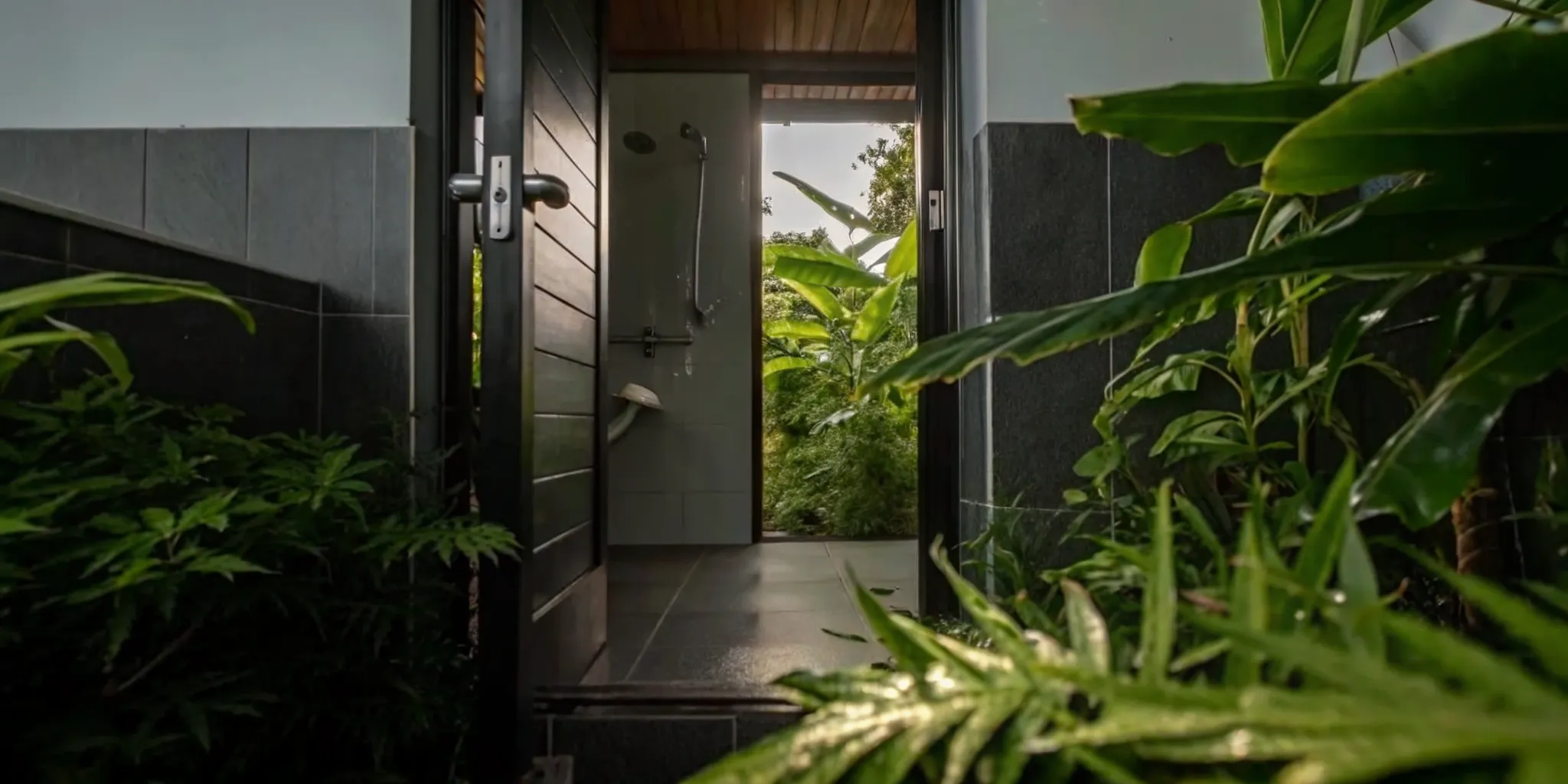
The bathroom is one of the most important rooms to focus on for safety and accessibility. Installing sturdy grab bars near the toilet and in the shower provides crucial support and can prevent serious falls. For a more seamless design, you can find stylish options that double as towel racks or shelves. A curbless or walk-in shower eliminates the need to step over a high threshold, while a built-in bench and a handheld shower head add comfort and flexibility. To further reduce risks, a guide to home remodeling for people with disabilities suggests motion-activated faucets, which are not only convenient but also prevent accidental burns or leaks.
Making Your Kitchen Work for Everyone
The kitchen is often the heart of the home, and a few key modifications can ensure it’s a functional space for every family member. Lowering a section of your countertops can create a comfortable prep area for someone who is seated. Installing pull-out shelves in lower cabinets and pantries makes it much easier to see and reach items without straining. When choosing new appliances, look for models with accessible features, like a side-swing oven door or a dishwasher with drawers. These home accessibility renovations don’t just improve function; they create a more inclusive and enjoyable cooking experience for everyone.
Improving Flow with Flooring, Hallways, and Lighting
Smooth and easy transitions between rooms are key to a truly accessible home. When choosing flooring, opt for hard, non-slip surfaces like hardwood, laminate, or luxury vinyl tile. If you prefer carpet, stick to low-pile options to make movement easier for walkers and wheelchairs. Hallways should be wide and free of clutter to create clear pathways. Good lighting also plays a huge role in safety, especially for those with aging eyes. Upgrading to brighter LED lights and adding rocker-style light switches at a lower, more reachable height are simple but effective accessible renovation tips that benefit everyone.
Rethinking Stairs and Multi-Level Access
For anyone with mobility challenges, stairs can be the biggest barrier to enjoying their entire home. Fortunately, there are excellent solutions for multi-level living. A stair lift is a popular choice that can be retrofitted to most existing staircases, providing a safe and reliable way to get from one floor to another. If you’re planning a larger renovation, you might consider installing a home elevator. While it’s a bigger investment, a home elevator offers seamless accessibility and can be a game-changer for aging in place. These additions aren’t just for wheelchair users; they’re also incredibly helpful for carrying heavy items or for anyone recovering from a temporary injury.
Smart Tech to Enhance Your Home's Accessibility
Technology isn't just for entertainment anymore; it’s a powerful tool for creating a more independent and comfortable living environment. Integrating smart home features during your renovation can make daily routines simpler and safer for everyone in the household. These systems are designed to be intuitive, often blending seamlessly into your home’s design while offering an extra layer of convenience and security.
From voice-activated assistants to automated lighting, smart technology helps reduce physical effort and provides peace of mind. Imagine adjusting the thermostat without getting out of bed or letting a visitor in without rushing to the door. These aren't futuristic concepts, they are practical solutions available today. When you plan your renovation with accessibility in mind, you can wire your home for these upgrades, making installation straightforward and cost-effective. It’s about using modern tools to support your lifestyle, ensuring your home remains a place of comfort and independence for years to come.
Hands-Free Control with Voice Activation
Voice-activated systems are one of the most impactful additions for an accessible home. Devices like Google Home or Amazon Alexa allow you to manage lights, thermostats, speakers, and even window blinds with simple voice commands. This hands-free control is a game-changer for individuals with mobility limitations or reduced dexterity, eliminating the need to interact with small switches or dials. For many, this technology is key to transforming independent living by making the home environment responsive to their needs. It’s a simple way to handle daily tasks, giving you more control over your surroundings with just the sound of your voice.
Smart Locks, Lighting, and Thermostats for Peace of Mind
Smart locks, lighting, and thermostats offer a powerful combination of security and convenience that you can control from anywhere. With a smart lock, you can grant access to caregivers or family members remotely and check that your doors are secure without leaving your chair. Smart lighting can be scheduled to turn on and off, ensuring pathways are always well-lit to prevent falls. Similarly, a smart thermostat lets you adjust the temperature from your phone, keeping your home comfortable at all times. These connected devices are excellent smart home remodeling ideas that provide reassurance, especially for family members who want to ensure their loved ones are safe and comfortable at home.
Faucets and Fixtures That Simplify Daily Tasks
Simple changes in the kitchen and bathroom can make a world of difference. Installing a touchless faucet, for example, makes washing hands or filling a pot of water effortless for someone with arthritis or limited hand strength. You just wave your hand under the spout to turn the water on and off. These fixtures reduce physical strain and also help prevent the spread of germs. When planning your home accessibility renovations, consider how small upgrades like accessible sinks and smart faucets can simplify daily routines. These thoughtful additions make essential spaces like the kitchen more functional and enjoyable for everyone to use.
Budgeting for Your Accessible Renovation
Talking about money can feel like the most stressful part of any renovation, but a solid budget is actually your most powerful tool. It transforms your wishlist into a realistic, actionable plan. The cost of an accessible renovation varies widely, from a few hundred dollars for simple modifications to a significant investment for major structural changes. The final number depends entirely on your home, your needs, and your project's scope.
Creating a clear financial roadmap from the start helps you prioritize what matters most and prevents unexpected costs from derailing your progress. It’s about aligning your vision with your finances so you can move forward with confidence. Having an expert in your corner can make all the difference. At Realm, your dedicated advisor works with you to build a detailed budget and scope of work, ensuring your project stays on track. Our process is designed to give you clarity and control every step of the way. By understanding the potential costs and planning accordingly, you can create a home that is not only beautiful and functional but also financially manageable.
Breaking Down Costs by Project Type
To get a better sense of your budget, it helps to see what individual projects might cost. Smaller, high-impact changes can be quite affordable. For example, adjusting the height of a light switch may only cost around $50 per switch, while professionally installing a grab bar in a bathroom is typically around $250. These simple fixes can dramatically improve daily life.
Larger modifications naturally come with a higher price tag. An adjustable bed might cost about $1,000, and a quality stairlift often starts at $2,000. This guide to home remodeling offers a great breakdown of potential expenses. Seeing these numbers helps you prioritize which projects to tackle first and what to plan for in the future.
What Factors Influence Your Total Budget?
Your total budget will be shaped by more than just materials and labor. It’s also influenced by your long-term vision for your home. It’s important to think about both immediate needs and future requirements. For instance, you might need to widen doorways for wheelchair access right now, but it’s also wise to consider how your needs might evolve. Planning for aging in place can involve thinking about single-level living or a main-floor primary suite down the road.
Considering these factors from the start helps you create a more comprehensive and effective plan. These accessible renovation tips can help you think through the process. A customized plan from Realm ensures you’re not just solving for today but building a home that will support you for years to come.
Can You Create an Accessible Home on a Budget?
Yes, absolutely. Creating a safe and accessible home doesn’t have to drain your savings. One of the smartest ways to manage costs is to incorporate accessible features during a larger renovation. If you’re already remodeling your bathroom, adding a curbless shower and reinforced walls for future grab bars is far more economical than tackling it as a standalone project later.
Additionally, you may not have to fund the entire project on your own. Many government and private programs offer grants and loans to help homeowners with these essential modifications. We’ll cover these funding options in more detail, but knowing they exist can make the goal of an accessible home feel much more achievable. With smart planning, you can create a space that works for you without breaking the bank.
How to Fund Your Accessible Renovation
Thinking about the budget for an accessible renovation can feel like a major hurdle, but you don’t have to shoulder the cost alone. A surprising number of programs exist specifically to help homeowners make these important updates. From federal grants to local aid, these resources can provide the financial support you need to create a safer, more comfortable home. We’ll walk through some of the best options so you can find the right fit for your project.
Finding Federal Grants and Loans
Several federal programs offer financial assistance for home modifications, which can significantly lighten the financial load. It’s worth taking the time to see what you might qualify for, as the support can be substantial. For example, the USDA’s Section 504 Home Repair program provides loans and grants to very low-income homeowners in rural areas to address health and safety hazards. Exploring these government resources is a great first step in funding your renovation and making your home more accessible for the long term.
Special Grants for Veterans
If you’re a veteran with a service-connected disability, there are specific grants available to you through the U.S. Department of Veteran Affairs. These programs are designed to help you live more independently and comfortably in your own home. The Specially Adapted Housing (SAH) grant can help you build a new, adapted home or modify an existing one, while the Special Housing Adaptation (SHA) grant is for modifying a home you already own. You can learn more about eligibility and apply for these VA housing grants directly on their website.
Tapping Into State, Local, and Nonprofit Aid
Beyond federal aid, don’t overlook the power of local support. Many states, cities, and nonprofit organizations offer their own grants and low-interest loans for accessibility modifications. These programs are often tailored to the needs of the local community. A great place to start your search is your state’s Department of Housing or your local Area Agency on Aging. You can also use online tools to find benefits and programs available in your area, which can uncover resources you might not have known existed.
Leveraging Tax Credits and Deductions
Did you know that some of your renovation costs might be tax-deductible? Certain modifications made to improve accessibility can qualify as medical expenses, which can lead to significant savings when you file your taxes. Because tax laws can be complex and vary by state, it’s always a good idea to consult with a tax professional before you begin your project. They can help you understand what qualifies and ensure you have the right documentation. The IRS provides detailed information on what counts as a deductible medical expense.
Core Principles of Accessible Design
When we talk about accessible design, we're talking about a thoughtful approach to creating a home that works for everyone, at every stage of life. It’s less about a rigid set of rules and more about a mindset focused on comfort, independence, and long-term livability. An accessible home is one that anticipates your needs and adapts to you, not the other way around. By focusing on a few core principles, you can create a space that is not only safe and functional but also beautiful and welcoming for family, friends, and yourself for many years to come. These ideas form the foundation of a truly future-proof home.
Embracing Open Layouts and Universal Design
Universal design is the practice of creating spaces that are inherently usable by all people, without needing special modifications. Think of it as design that’s simply smarter and more inclusive from the start. Open-concept floor plans are a perfect example of this principle in action. By removing unnecessary walls and barriers, you create a more fluid and spacious environment that’s easier for everyone to move through, whether they use a wheelchair, are carrying groceries, or are pushing a stroller. Accessible home renovations aim to make your home a place of comfort and independence for everyone, including those who wish to age in place gracefully.
Planning for Clear Pathways and Future Needs
A key part of accessible design is ensuring there is a clear, unobstructed path throughout your home. This means thinking critically about how you and others move from room to room. Start by considering high-traffic areas and potential bottlenecks. Simple changes can make a huge difference, like widening doorways to at least 36 inches to accommodate wheelchairs or walkers. You might also consider creating at least one zero-step entry into your home by adding a ramp or regrading the walkway. Inside, focus on creating clear turning radiuses in the kitchen and bathrooms and keeping hallways free of clutter. These practical adjustments ensure that movement is effortless and safe for all.
Designing Today for Aging in Place Tomorrow
A truly smart renovation is one that plans for the future. It’s much easier and more cost-effective to incorporate features now that will support your needs down the road. This is often called "future-proofing." For example, during a bathroom remodel, you can add reinforced blocking inside the walls around the toilet and shower. This doesn't change the look of your bathroom today, but it makes it incredibly simple to install grab bars securely in the future. Other ideas include planning a layout with a potential first-floor bedroom and full bath or stacking closets on multiple floors to create a shaft for a potential future residential elevator. Thinking ahead allows you to build a home that supports your independence for a lifetime.
How to Find the Right Contractor
Finding the right contractor is arguably the most critical step in your renovation. This is the person who will turn your vision for a more accessible home into a physical reality. For a project with such specific needs, you want a partner who not only has the right skills but also understands the "why" behind your choices. This isn't just about building something; it's about building a space that supports your life.
The vetting process can feel overwhelming, but focusing on a few key areas can help you find a professional you can trust. You’re looking for a combination of proven expertise, relevant experience, and a communication style that works for you.
Certifications That Matter
When you're looking for a contractor, certifications are a great starting point. They show that a professional has invested time and effort into specialized training. For accessible renovations, the most important designation to look for is the Certified Aging-in-Place Specialist (CAPS) certification.
Contractors with a CAPS designation have been trained by the National Association of Home Builders to understand the unique needs of the aging population. They know how to modify homes to be safer and more comfortable, helping you live independently for years to come. Seeing this certification on a contractor's website is a strong signal that they are serious about accessible design.
Key Questions to Ask Before You Hire
Once you've found a few potential contractors, it's time to start the interview process. Asking the right questions will help you gauge their experience and determine if they're the right fit for your project.
Start with these questions:
- Can you share examples of accessible renovations you've completed? Ask to see a portfolio with photos. This helps you verify that their work matches their claims and that their style aligns with your vision.
- How do you approach future-proofing a home? A great contractor will think beyond your immediate needs. They should be able to discuss how to design for both today and tomorrow, ensuring your home remains functional as your needs change.
- How will you communicate with me throughout the project? Understanding their process for updates, changes, and decisions is key to a smooth renovation. This is where having a dedicated advisor can make a world of difference, ensuring communication is always clear and consistent.
How to Prioritize Your Renovation Projects
Deciding to make your home more accessible is a big step, but figuring out where to begin can feel like a puzzle. Unless you have an unlimited budget and timeline, you’ll need to prioritize. A smart plan helps you focus on what’s most important right now while setting the stage for future updates. Breaking your renovation into phases makes the entire process more manageable, both financially and logistically. It allows you to address urgent needs first and spread the cost and disruption over time.
The best way to approach this is by separating your wish list into two categories: immediate safety needs and long-term accessibility goals. Safety upgrades should always come first, as they have the most direct impact on daily well-being and independence. Once those are handled, you can create a phased plan for the rest of your projects. This might mean tackling one room at a time or grouping projects by type, like flooring and electrical work. A dedicated advisor can help you map out a logical sequence that aligns with your budget and minimizes disruption to your life.
Start With High-Impact Safety Upgrades
Your first priority should be changes that prevent falls and make daily routines safer. Think about the areas you use most, like the bathroom and main entryways. Installing grab bars near the toilet and in the shower provides crucial stability. You might also consider a shower head with a long hose for easier bathing. In the kitchen and bathrooms, motion-activated sink handles can prevent falls caused by reaching or slipping on wet floors.
Other critical upgrades include widening doorways to at least 36 inches to accommodate wheelchairs and adding non-slip ramps where you have steps. Don’t forget the power of smart home technologies to enhance safety and independence. These foundational projects form the core of an accessible home and should be at the top of your list.
How to Create a Phased Renovation Plan
Once you’ve addressed immediate safety concerns, you can plan for the bigger picture. A phased plan involves thinking about both your current and future needs. For example, you might need wider doorways for a wheelchair now, but it’s also wise to plan for changes that will support aging in place later. This concept is often called "future-proofing."
You can future-proof your home by making small, strategic choices during current projects. If you’re opening up a wall anyway, you can add blocking to support grab bars you plan to install later. When redesigning a layout, you can ensure it allows for clear pathways, even if you don’t need them today. This approach lets you build accessibility into your home over time, making the process more affordable and less overwhelming.
Let's Plan Your Accessible Home Together
Embarking on an accessible home renovation is a deeply personal project, and the best results come from a thoughtful, collaborative approach. The most successful projects are truly team efforts, bringing together your vision with expert guidance. A great plan considers not only what you need today but also what will make your home comfortable and safe for years to come. When you plan a renovation, it's smart to think about both immediate requirements, like wider doorways for a wheelchair, and future possibilities, like preparing your space for aging in place.
Making your home work for you can involve changes big and small. For instance, simple kitchen modifications like lowering countertops or installing pull-out shelves can make a world of difference in daily life. We can also explore how smart home technology can support your independence. Features like voice-activated controls, smart locks, and automated lighting are no longer futuristic ideas; they are practical tools that enhance safety and well-being for many people.
You don’t have to figure all of this out on your own. Having a dedicated advisor by your side ensures every decision aligns with your goals, budget, and timeline. At Realm, we connect you with vetted contractors and provide the expert support needed to turn your ideas into a functional, beautiful reality. We believe in a partnership approach, helping you create a home that truly fits your life. Let's start the conversation and build your custom plan together.
Related Articles
- Residential Construction Renovation: A Simple Guide
- Your Full Home Renovation Checklist: Start to Finish
- 8 Steps to a House Renovation Design and Plan
- Reach Your Renovation Goals With A HELOC
- Creating a Home Renovation Project Plan in 7 Steps
Frequently Asked Questions
Will making my home accessible make it look clinical or unattractive? Not at all. This is a common myth, but today’s accessible design is incredibly stylish and versatile. You can find beautifully designed grab bars that look like high-end towel racks, sleek curbless showers that feel like a spa, and elegant ramps that blend right into your landscaping. A good renovation plan focuses on integrating these features seamlessly, so you get all the function without sacrificing the look and feel of your home.
I can't afford to remodel my whole house. Where should I even begin? It's completely normal to feel that way, and you definitely don't have to do everything at once. The best place to start is with high-impact safety upgrades in the areas you use most. Focus on the bathroom and main entryways. Installing grab bars, improving lighting, and adding a zero-step entry or a simple ramp can make a huge difference in daily safety and confidence. A phased plan lets you tackle the most urgent needs first and plan for other projects down the road.
What's the real difference between accessible design and universal design? Think of it this way: accessible design is about solving a specific need, like adding a ramp for a wheelchair user. It's a modification to make a space usable for a person with a disability. Universal design is a broader idea; it’s about creating spaces that are easy for everyone to use from the start, no matter their age or ability. A wide hallway is a great example of universal design because it benefits a person using a walker, a parent pushing a stroller, and someone moving furniture. The best projects often blend both.
Is an accessible home only for people with disabilities or older adults? While these renovations are essential for people with mobility challenges, the benefits extend to everyone in the household. Lever-style door handles are easier to open when your hands are full of groceries. A curbless shower is easier to clean. Better lighting reduces eye strain for everyone. These thoughtful updates create a more comfortable, convenient, and safer home for you, your kids, and any guests who visit.
What is "future-proofing" and why is it important for my renovation? Future-proofing is about making smart, small decisions during a renovation today that will make future updates easier and more affordable. For example, if you're remodeling your bathroom, you can add reinforced blocking inside the walls before the tile goes up. It costs very little to do now, but it makes installing grab bars securely in the future a simple job. Thinking ahead like this allows your home to adapt with you through every stage of life.