Full Kitchen vs. Kitchenette: An ADU Cost & ROI Guide
Full kitchen vs. kitchenette in an ADU: Compare costs, ROI, and renter appeal to choose the best kitchen setup for your accessory dwelling unit project.
|
June 9, 2026

In this article:
It’s tempting to design your ADU rental based on what you’d want in your own home, and that often means a big, beautiful kitchen. But it’s crucial to step into your future tenant’s shoes. What do they actually prioritize? For many renters, especially in smaller units, practical conveniences like in-unit laundry, a private entrance, or dedicated parking are far more valuable than a four-burner stove. The decision of a full kitchen vs. kitchenette in an ADU is about understanding your target market. This article will help you weigh the amenities that truly attract quality tenants and command higher rent, ensuring you invest your budget where it will have the greatest impact.
Key Takeaways
- Focus on the financial return: A full kitchen is a major expense, costing $15,000 to $25,000 more than a kitchenette, yet it may only increase your monthly rent by $50 to $150, resulting in a very long payback period.
- Invest in amenities renters actually want: Before upgrading to a full kitchen, consider that renters often prioritize other features more, such as in-unit laundry, private entrances, or dedicated parking, which can have a greater impact on your rental income.
- Tailor the kitchen to your ADU's purpose: A full kitchen is essential for attracting long-term tenants who expect a complete home, but a kitchenette is the smarter, more cost-effective choice for short-term rentals, guest suites, and maximizing space in smaller units.
Full Kitchen vs. Kitchenette: What's the Difference?
When you’re planning an ADU, one of the biggest decisions you'll make is about the kitchen. It’s the heart of any home, but it also represents a significant part of your budget and timeline. The choice between a full kitchen and a kitchenette will impact your final costs, your potential rental income, and the type of tenant you ultimately attract. It’s a decision that goes beyond just appliances and countertops; it shapes the entire feel and function of your new space. Getting this right is key to a successful project, whether you're building a rental unit, a guest house for family, or an in-law suite.
Before you can weigh the pros and cons or dive into the numbers, it’s important to have a clear picture of what each option actually entails. The terms can feel a bit vague, but the differences in cost, space, and lifestyle are very real. Understanding these distinctions is the first step in making an informed choice that aligns with your goals for the ADU. Let's break down the basics of a full kitchen versus a kitchenette so you can start planning your project with confidence and clarity.
What Defines a Full Kitchen?
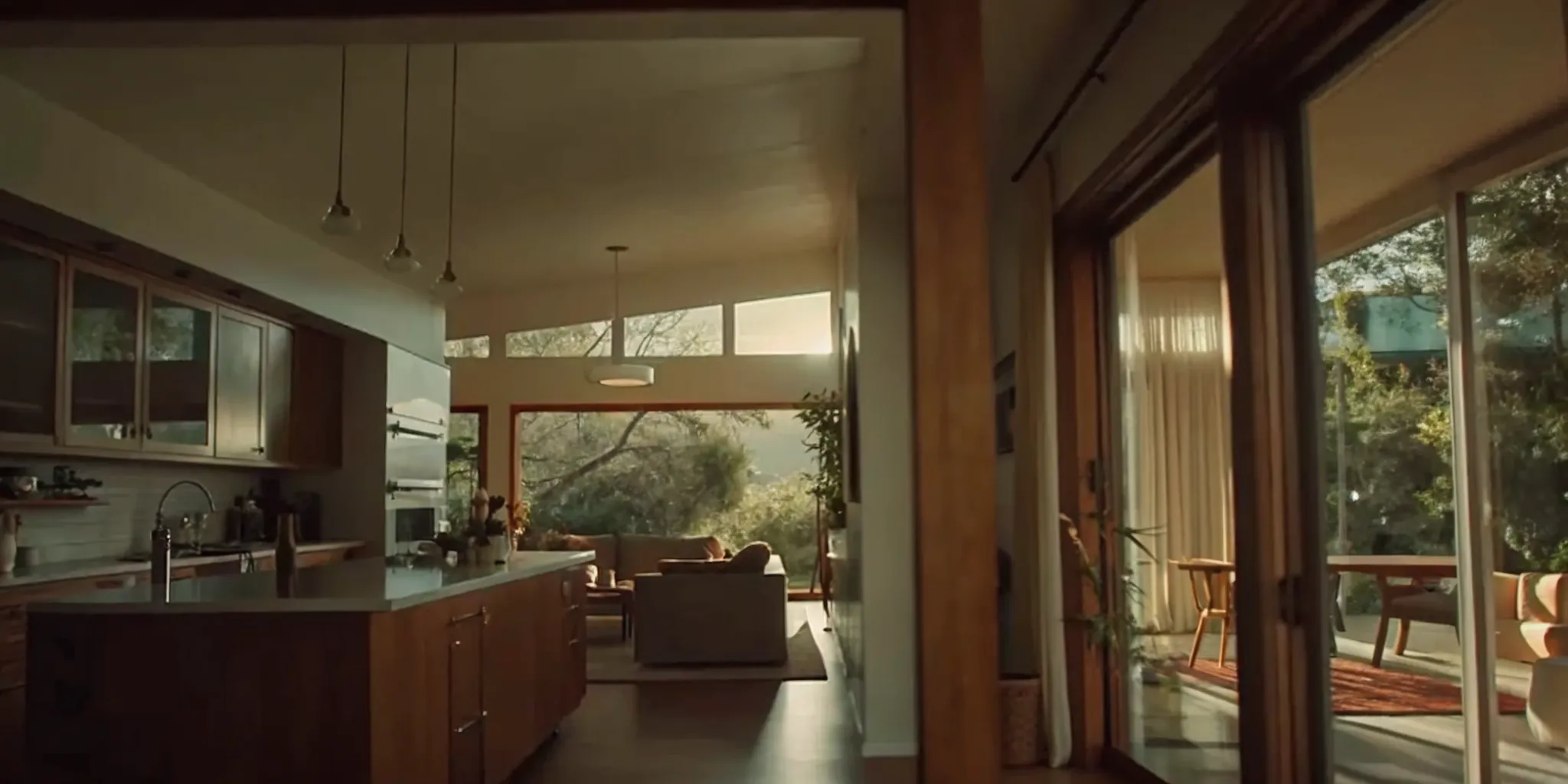
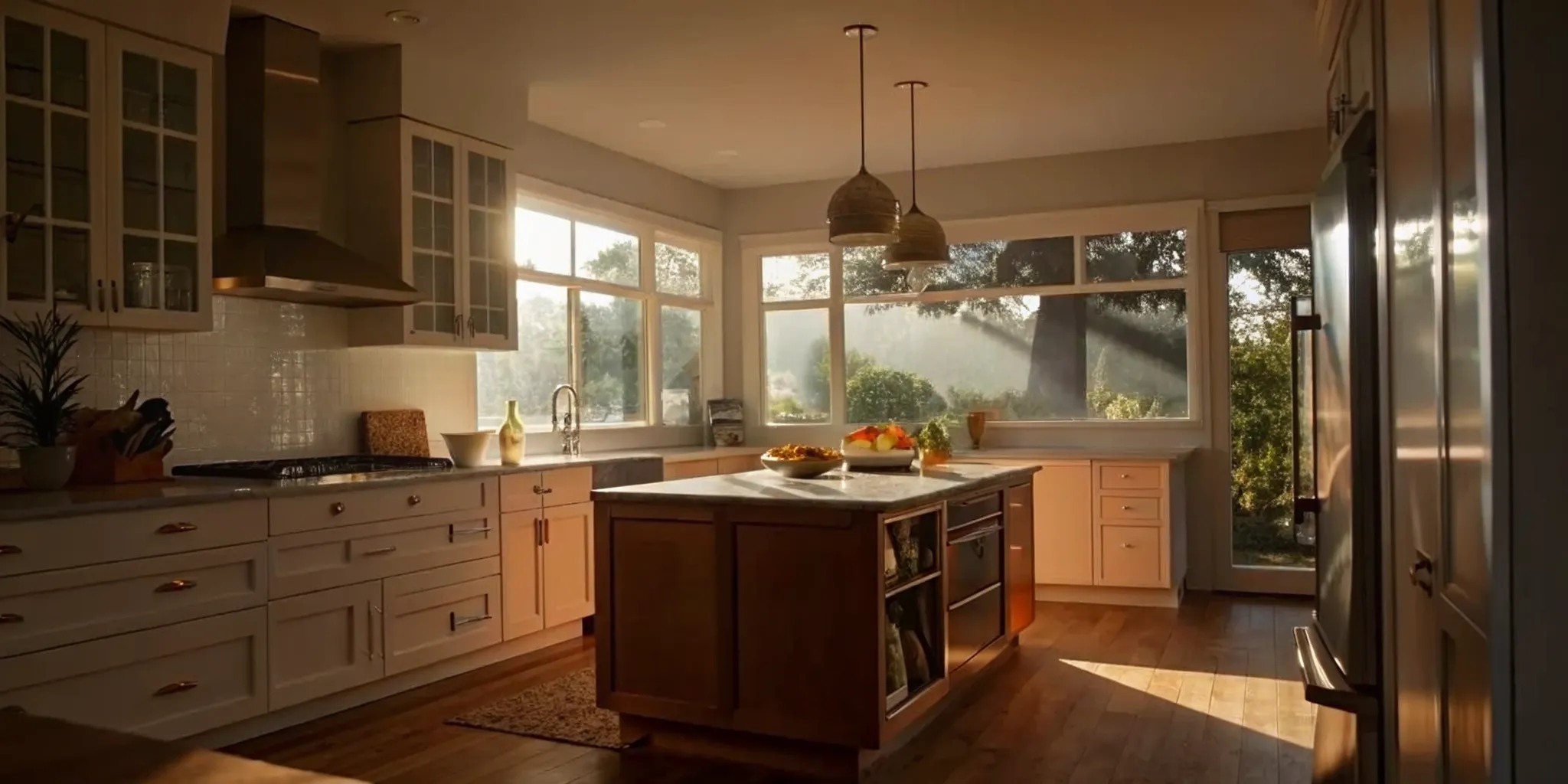
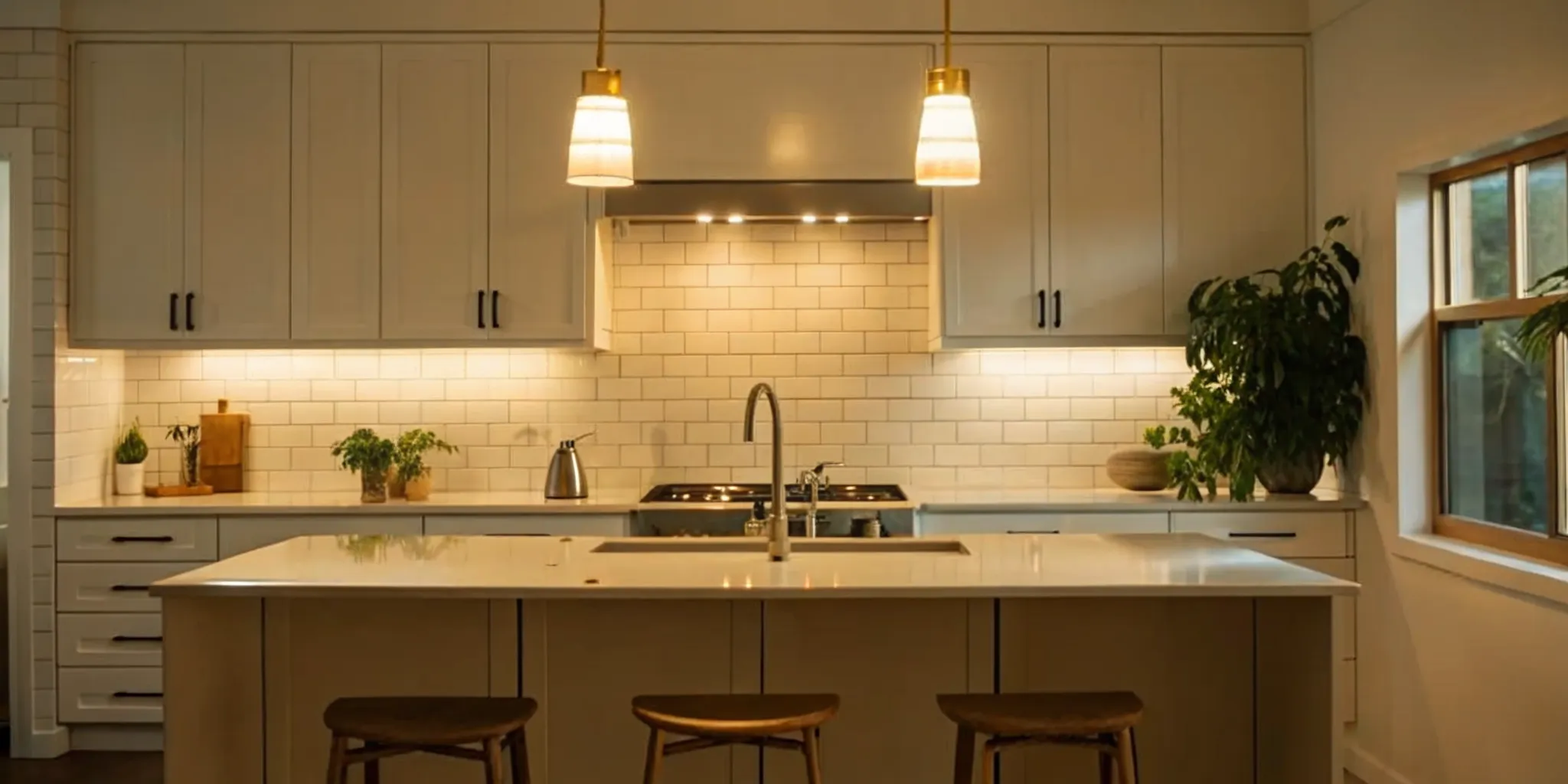
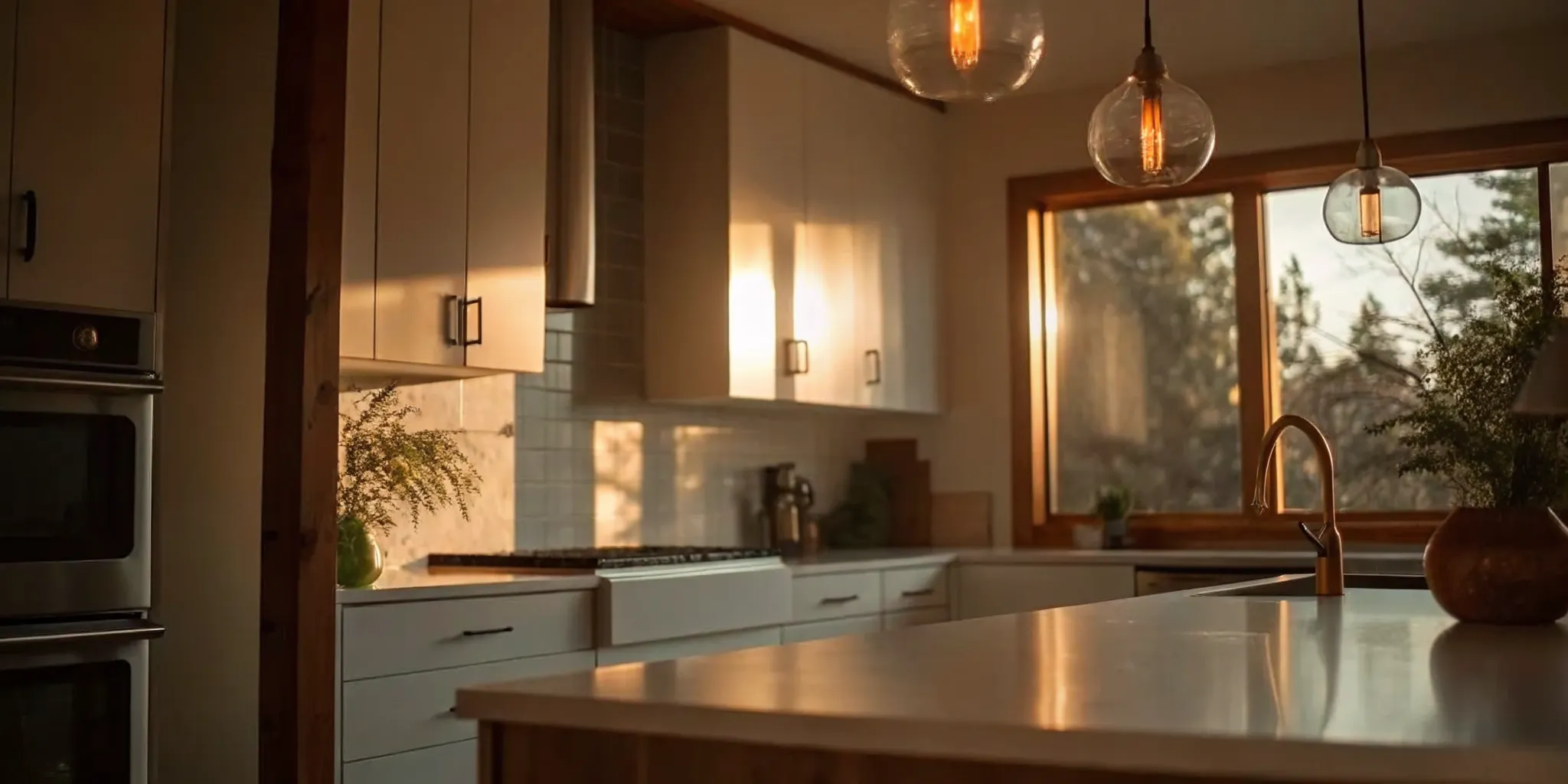
Think of a full kitchen as the standard setup you’d find in most houses or apartments. It’s a dedicated space designed for serious cooking and daily life. A full kitchen typically includes a suite of full-size appliances: a refrigerator with a freezer, a stove with four burners and an oven, and often a dishwasher. You’ll also find ample counter space for meal prep and plenty of storage in the form of upper and lower cabinets. This setup allows for preparing complex, multi-course meals and storing groceries for a week or more. It’s the more expensive option, but it provides the functionality that long-term tenants often expect.
What Defines a Kitchenette?
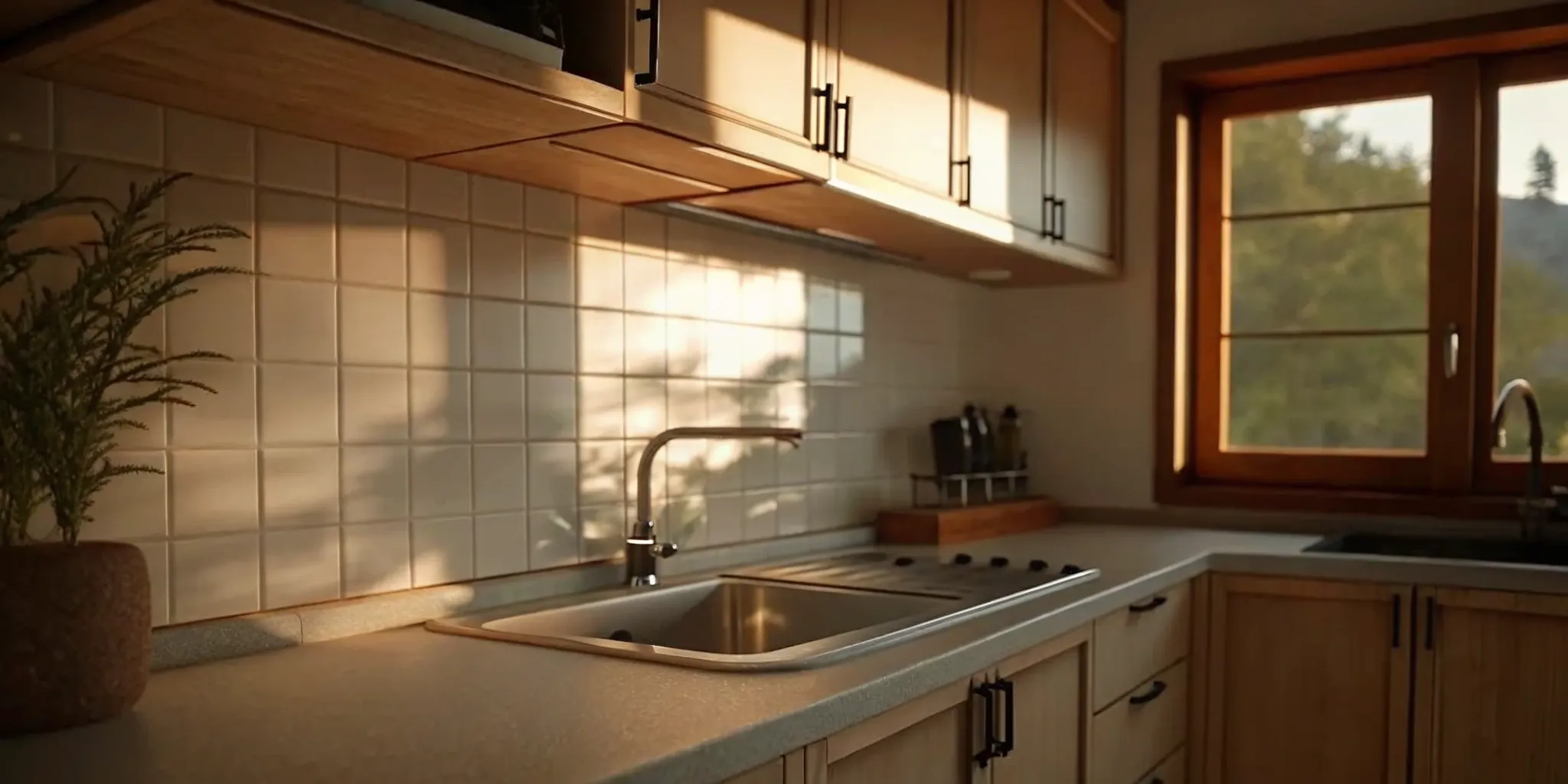
A kitchenette is essentially a mini-kitchen, packing basic cooking functions into a much smaller footprint. You’ll often find them in studio apartments, hotel rooms, or guest suites. Instead of full-size appliances, a kitchenette usually features compact versions, like a mini-fridge, a microwave, and a small sink. For cooking, you might find a two-burner cooktop or a portable hot plate instead of a full stove and oven. Counter space and storage are minimal, making it best suited for simple meals and reheating leftovers. While California law only requires a basic efficiency kitchen in an ADU, a kitchenette is the perfect solution for maximizing living space in a smaller unit.
Key Differences: A Quick Comparison
The main difference between a kitchen and a kitchenette comes down to scale and capability. A full kitchen is a whole room, while a kitchenette is often just a small part of a larger living area, sometimes taking up less than 80 square feet. This size difference dictates everything else. With a full kitchen, you get full-size appliances ready for any recipe. A kitchenette gives you smaller, more limited tools for basic cooking. This also affects lifestyle; a full kitchen supports a household that cooks daily, while a kitchenette is better for someone who eats out often or prepares simple, one-pan meals. The trade-off is clear: a full kitchen offers complete functionality, while a kitchenette prioritizes space and cost savings.
What Do ADU Kitchen Regulations Actually Require?
When you're planning an ADU, the kitchen rules can feel confusing. You might hear conflicting advice about what's required versus what's just an upgrade. The truth is, the regulations depend on the type of unit you're building and, most importantly, where you live. Local city and county rules often add layers to statewide laws, so what works for a project in Los Angeles might not fly in the Bay Area.
The key is to understand the baseline requirements and then verify them with your local planning department. Getting this right from the start saves you from costly revisions down the road. Let's clear up the confusion around ADU kitchen requirements so you can plan your project with confidence. We'll look at the state standard, how rules differ for various unit types, and why local zoning is the most important factor.
California's "Efficiency Kitchen" Standard
You might be surprised to learn that California state law doesn't actually mandate a full, four-burner-stove-and-oven kitchen in your ADU. The state only requires what's called an "efficiency kitchen." This is a simple, functional setup that must include a few basic components: a cooking appliance (like a small stove top or plug-in burner), a food storage area (like a cabinet and a small refrigerator), and a sink with running water.
Anything beyond this, such as a full-size oven, dishwasher, or garbage disposal, is considered an upgrade, not a legal necessity at the state level. This gives you flexibility, especially if you're working with a tight budget or a small footprint. Understanding the difference between a full kitchen vs. kitchenette is the first step in designing a space that is both compliant and meets your goals.
JADU vs. ADU: How Kitchen Rules Differ
The kitchen requirements also change depending on whether you're building a standard Accessory Dwelling Unit (ADU) or a Junior Accessory Dwelling Unit (JADU). A JADU is a smaller unit (under 500 square feet) created within the walls of an existing single-family home. Because of their smaller size and location, JADUs have more relaxed kitchen rules.
Typically, a JADU only needs an efficiency kitchenette, as described above. A standard ADU, whether it's a detached unit or a garage conversion, is usually expected to have more substantial facilities. While the state minimum is still an efficiency kitchen, many local jurisdictions will require a full kitchen for a standard ADU to consider it a complete, independent living unit.
Why City-Specific Zoning Matters
While state law provides a baseline, your local city or county has the final say. This is the most critical piece of the puzzle. You can't assume the state's minimum standard is all you need to worry about. Many municipalities have their own zoning codes and checklists that add specific requirements for ADUs built in their jurisdiction.
For example, some cities might require permanent cooking facilities, effectively ruling out a simple plug-in cooktop. In Contra Costa County, the local ADU checklist explicitly states that a unit must have "independent cooking facilities," meaning a more built-in kitchen is required. This is why working with an expert advisor who understands your local regulations is so important. They can help you avoid misinterpretations that could derail your project during the permitting phase.
Permits and Inspections to Plan For
No matter the size of your kitchen, building a legal ADU requires permits and inspections. If you build any structure over a certain size (often around 120 square feet), you will likely need a building permit. However, an ADU permit is more involved because you're creating a legal living space.
Inspectors will check that your kitchen's electrical wiring, plumbing, and ventilation all meet safety codes. They'll also confirm that the unit as a whole is fit for habitation. Trying to build a unit without the proper permits can lead to fines, orders to tear down your work, and major headaches when you eventually try to sell your property. Planning for these official checkpoints from day one ensures your ADU is a safe, legal, and valuable addition to your home.
Breaking Down the Cost: Full Kitchen vs. Kitchenette
Okay, let's talk numbers. Deciding between a full kitchen and a kitchenette isn't just about aesthetics or function; it's a major financial decision that will impact your total project cost and your return on investment. Understanding the price difference upfront can help you align your ADU project with your budget and long-term goals. We'll break down what you can expect to spend on each option and what those numbers mean for your bottom line.
The Price Tag for a Full Kitchen
Opting for a full kitchen is a significant investment. You can expect it to cost anywhere from $15,000 to $25,000 more than a basic kitchenette. Why the big jump? A full kitchen requires more of everything: full-sized appliances like a refrigerator, a four-burner stove with an oven, and a dishwasher. It also means more cabinetry, countertop space, and complex plumbing and electrical work. While these features create a more traditional living space, they add up quickly, impacting your overall construction budget. It's important to weigh this upfront cost against your goals for the ADU. A dedicated Realm advisor can help you analyze these costs within your specific project plan.
The Price Tag for a Kitchenette
If you're looking to manage your budget carefully, a kitchenette is the more cost-effective route. Since California law only requires an "efficiency kitchen," you can meet regulations without the expense of a full setup. A kitchenette typically includes a small refrigerator, a sink, and a simple cooking appliance like a two-burner cooktop or a microwave. This smaller scale means lower costs for materials, appliances, and labor. By simplifying the plumbing and electrical needs, you can save thousands on your build. This makes the kitchenette a smart, practical choice for many homeowners, especially when keeping initial costs low is a top priority in your project plan.
Factoring in the Hidden Costs
This is where the math gets really interesting. You might assume that spending more on a full kitchen will directly translate to a much higher rental income, but the data suggests otherwise. That extra $15,000 to $25,000 you spend often only adds about $50 to $150 per month in rent. Let's run a quick calculation: if you spend an additional $20,000 and get $150 more in rent, it would take you over 11 years just to break even on your initial investment. This doesn't even account for potential maintenance on those extra appliances. For many homeowners, the return on investment for a full kitchen just isn't there, making a kitchenette a financially savvy choice. You can find more ADU insights on the Realm blog.
Weighing the Pros and Cons
Deciding between a full kitchen and a kitchenette isn't just about appliances; it's a strategic choice that impacts your budget, your rental income, and the type of tenant you'll attract. Both options have clear benefits and drawbacks, and the right answer depends entirely on your specific goals for the ADU. Let's break down the pros and cons of each so you can feel confident in your decision.
The Perks of a Full Kitchen
A full kitchen, complete with a standard-size refrigerator, a four-burner stove, and an oven, makes an ADU feel like a true, standalone home. This is a major selling point for long-term tenants who cook regularly and don't want to compromise on their lifestyle. While it might only fetch a bit more in rent, offering a full kitchen can attract a wider pool of serious, stable renters. This can mean less turnover and a more reliable income stream over time. For tenants looking for a long-term home rather than just a temporary space, the functionality of a full kitchen is often a non-negotiable feature.
The Downsides of a Full Kitchen
Here’s the reality check: that full kitchen comes with a hefty price tag, often costing $15,000 to $25,000 more than a kitchenette. The catch is that this significant investment typically only translates to an extra $50 to $150 per month in rent. If you spend an extra $15,000 for a $150 monthly rent increase, it would take you more than eight years just to break even on the upgrade, not even counting maintenance. Making the right financial call for your project is crucial, and our dedicated advisors can help you analyze these costs. A full kitchen also consumes valuable square footage, which could otherwise be used for a larger living area or more storage.
The Perks of a Kitchenette
The most obvious advantage of a kitchenette is the cost savings. By opting for smaller appliances and less cabinetry, you can significantly reduce your construction budget and put that money toward other high-value features. In smaller ADUs, like studios or one-bedrooms, renters often prioritize amenities like a private entrance, in-unit laundry, or dedicated parking over a large kitchen. A kitchenette frees up both budget and space for these perks. It’s a smart, efficient choice that aligns with the needs of many renters in busy urban areas, especially for short-term stays or single tenants who eat out more often.
The Downsides of a Kitchenette
The trade-off for a kitchenette's efficiency is its limited functionality. With no full oven, your tenants won't be baking or roasting large meals. The minimal counter space and smaller storage areas can also be a major drawback for anyone who enjoys cooking at home. These limitations might narrow your pool of potential long-term renters, as many people see a full kitchen as essential for daily life. While a kitchenette is perfect for some, it can be an immediate dealbreaker for others, potentially leading to longer vacancy periods while you search for the right tenant.
Does a Full Kitchen Increase Your Rental Income?
This is the million-dollar question, or at least, the twenty-thousand-dollar question. When you're building an ADU to generate rental income, every design choice impacts your bottom line. A bigger, more expensive kitchen seems like it should automatically command higher rent, but the numbers tell a more complicated story. It’s essential to look past assumptions and focus on the actual return you can expect. Let's break down what you can realistically earn with each kitchen type and figure out if the bigger investment truly pays off.
Rental Income Potential: Full Kitchen
A full kitchen is a significant investment, often costing $15,000 to $25,000 more than a simple kitchenette. You might expect that extra expense to translate into a much higher rental price, but the data suggests otherwise. In many cases, a full kitchen only adds about $50 to $150 per month to the rent you can charge. While it certainly adds appeal, the modest bump in income might not justify the substantial upfront cost. This is the kind of financial trade-off where getting expert guidance can help you make a decision that aligns with your long-term goals.
Rental Income Potential: Kitchenette
For smaller ADUs like studios or one-bedroom units, especially in desirable urban areas, a kitchenette is often more than enough. Your ideal tenant might be a young professional, a student, or a remote worker who eats out often and doesn't need a four-burner stove. These renters tend to prioritize other amenities over a large kitchen. Things like a private entrance, in-unit laundry, dedicated parking, or even a small outdoor space can be much bigger draws. A well-designed kitchenette meets their needs perfectly, allowing you to invest in the features they truly value.
Calculating the ROI: Is the Upgrade Worth It?
Let's do some quick math on the return on investment (ROI). If you spend an extra $15,000 to upgrade to a full kitchen and it brings in an additional $150 in rent each month, it will take you more than eight years just to break even on that initial cost. That calculation doesn't even account for potential maintenance or repairs on those extra appliances over the years. When you look at it that way, you might find that your money is better spent on other upgrades. Creating a customized plan for your project can help you see where your budget will have the greatest impact on your property's value and rental appeal.
What Renters Really Want in an ADU
When you're designing a rental ADU, it's easy to get swept up in the details, especially the kitchen. We all dream of beautiful countertops and shiny new appliances. But before you commit to a major kitchen overhaul, it's worth stepping into a potential renter's shoes. What features will actually make them sign a lease and maybe even pay a little more each month? The answer might surprise you. Often, the decision between a full kitchen and a kitchenette comes down to understanding what renters truly prioritize, and it isn't always the size of the oven. Focusing on high-impact amenities is a key part of a successful ADU project, ensuring you attract great tenants and get the best return on your investment.
Features That Matter More Than Kitchen Size
For smaller ADUs, like studios or one-bedrooms in busy urban areas, renters are often juggling priorities. While a nice kitchen is a plus, they frequently care more about practical conveniences that make daily life easier. Think about it: after a long day, is a renter more grateful for a gourmet stove or for not having to hunt for street parking?
Our data shows that for most renters in these situations, the answer is clear. They consistently value these features more than a large kitchen:
- A private entrance
- In-unit laundry
- Dedicated off-street parking
If your budget has some flexibility, consider spending it on these amenities before upgrading the kitchen. These are the features that often allow you to command more rent and can give you a significant edge in a competitive rental market.
When a Kitchenette Is Enough to Compete
The main reason to upgrade from a kitchenette to a full kitchen is the potential for higher rental income. But how much more can you actually charge? The numbers suggest it might be less than you think. A full kitchen upgrade typically adds only about $50 to $150 per month to the rent. When you compare that modest increase to the thousands of dollars you’ll spend on the upgrade, the return on investment may not be compelling.
For most small ADUs, a well-designed kitchenette is perfectly adequate to attract quality tenants. The money you save by opting for a kitchenette can be redirected toward the high-impact features renters love, like in-unit laundry or a private patio. This approach allows you to create a highly desirable rental unit without over-investing in a single feature that provides a limited financial return.
Choose the Right Kitchen for Your ADU
Deciding between a full kitchen and a kitchenette isn't just about cost; it's about purpose. The right choice depends entirely on who you imagine living in your ADU. Are you building a home for a long-term renter, a weekend getaway for travelers, or a private space for family? Answering that question is the first step. Once you have a clear vision for your ADU's future, you can confidently design a kitchen that meets your goals and delivers the best return on your investment.
Best for Long-Term Tenants
If you plan to rent your ADU to a long-term tenant, a full kitchen is almost always the right call. People who settle in for a year or more, especially couples or small families, expect to cook regularly. A full-size refrigerator, a proper range, and ample counter space are amenities that make a rental unit feel like a true home. This level of convenience and functionality can help you attract high-quality tenants and justify higher rental rates. While the upfront cost is higher, a full kitchen is a strategic investment for creating a desirable, long-term rental property that generates consistent income.
Best for Short-Term or Vacation Rentals
For an ADU destined for the short-term rental market, like Airbnb, a kitchenette is often the smarter financial move. Vacationers and weekend guests typically eat out for most meals, using the kitchen for little more than brewing coffee or chilling a bottle of wine. By opting for a kitchenette, you can achieve significant cost savings on appliances, cabinetry, and construction. You can then reallocate that budget toward amenities that have a bigger impact on guest experience and reviews, such as stylish furniture, a comfortable bed, or a welcoming outdoor patio space. It’s about putting your money where it matters most for your target guest.
Best for In-Laws and Guests
When designing an ADU for family, in-laws, or frequent guests, a kitchenette strikes the perfect balance between independence and practicality. Your loved ones will likely share some meals in the main house, so they don’t need a full culinary setup. A kitchenette provides the convenience they need for morning coffee, simple breakfasts, or late-night snacks without the expense and footprint of a full kitchen. It gives them a sense of privacy and self-sufficiency. Plus, including a kitchenette can be essential to meet the ADU rules in your area, ensuring your project is fully compliant while perfectly suiting your family’s needs.
Best for Maximizing a Small Footprint
If your ADU design is tight on space, a kitchenette is the undisputed champion. By definition, a kitchenette is a compact, efficient setup that includes the basics without taking over the floor plan. This is a huge advantage in studio or small one-bedroom ADUs where every square foot is precious. Opting for a kitchenette frees up valuable room that can be used for a larger living area, more storage, or a dedicated workspace. It allows you to maximize a small footprint and create a space that feels open and functional rather than cramped, which is key to making a small unit feel comfortable and livable.
Plan Your ADU Kitchen with Realm
When you’re planning an ADU, the kitchen decision can feel huge. Do you go for a full kitchen or a more compact kitchenette? It’s easy to get caught up in creating a perfect, gourmet space, but it’s important to approach this choice with your return on investment in mind. After all, the goal is to create a valuable asset, not just a beautiful kitchen.
Let's look at the numbers. Our data shows that a full kitchen can cost anywhere from $15,000 to $25,000 more than a kitchenette. You might assume that a bigger investment would lead to a big jump in rental income, but that’s not always the case. In reality, that extra expense often only translates to an additional $50 to $150 per month in rent. When you do the math, the payback period for that upgrade can be quite long. This is the kind of data-driven insight a Realm advisor can provide to help you make the smartest financial choice for your project.
It’s also helpful to know what the law requires. In California, for example, an ADU doesn’t need a full kitchen. The state only mandates a basic “efficiency kitchen,” which includes a cooking appliance, a food storage area, and a sink. This gives you a lot of flexibility in your design. If you have some extra room in your budget, we often advise clients to think beyond the kitchen. Features like a private entrance, in-unit laundry, or dedicated parking can be far more appealing to renters and often allow you to charge significantly more rent. Making these kinds of strategic decisions is what our process is all about: helping you build the best ADU for your specific goals and budget.
Related Articles
- ADU Zoning 101: What Homeowners Need to Know
- Average Cost of an Accessory Dwelling Unit: A Breakdown
- What Can You Build in 600 Square Feet? Real Projects & Prices
- 250 Square Foot ADU: Layouts, Costs, and Lessons From Real Builds
- 350 Sqft Home Addition Cost — Bedroom, Suite, or Rental Unit?
Frequently Asked Questions
Do I legally have to put a full kitchen in my ADU? Not usually. California state law only requires a basic "efficiency kitchen" for an ADU to be considered a legal dwelling. This setup is simple, needing just a sink, a food storage area like a small fridge, and a cooking appliance, which can even be a plug-in cooktop. A full kitchen with a four-burner stove and oven is almost always an upgrade, not a legal mandate. However, your local city or county has the final say, so it's critical to confirm their specific requirements.
Will I make significantly more rent with a full kitchen? Probably not enough to justify the cost. While a full kitchen might add a bit of appeal, our data shows it typically only increases the monthly rent by about $50 to $150. When you consider that the upgrade can cost between $15,000 and $25,000, it could take you over a decade just to break even on the initial investment. For most rental ADUs, the return on investment for a full kitchen is quite low.
If I don't upgrade the kitchen, what should I spend my money on instead? This is a great question because it gets to the heart of smart ADU design. For many renters, especially in smaller units, practical conveniences are more valuable than a large kitchen. If your budget allows, consider investing in features like a private entrance, in-unit laundry, or dedicated off-street parking. These amenities make a huge difference in daily life and can often attract better tenants and command higher rent than a gourmet kitchen would.
Does the kitchen choice change if the ADU is for family instead of renters? Yes, the purpose of the ADU definitely influences the decision. If you're building a space for in-laws or guests, a kitchenette is often the perfect solution. It provides them with enough independence for making coffee or simple meals, but it saves you the significant cost and space of a full kitchen. Since family members may share meals in the main house, a large, separate kitchen is often unnecessary.
How can I be sure my kitchen plan meets my city's specific rules? While state law sets a minimum standard, your local planning department is the ultimate authority on what's required in your area. The best first step is to check your city or county's website for their ADU guidelines, which often include a checklist of requirements. To be completely sure and avoid any costly surprises during permitting, it's always wise to work with an expert advisor who is familiar with your specific local codes.