What's the Real Second Story Addition Cost?
Get the facts on second story addition cost, including key factors, hidden expenses, and smart ways to plan your budget for a successful home upgrade.
|
June 11, 2026
In this article:
When you love your neighborhood but have outgrown your home, you face a big decision: move or renovate? For many homeowners on smaller lots, building up is the only way to get more space without leaving a community you love. But this solution brings up the biggest question of all: is it a good investment? A second story addition can dramatically increase your property value, but first, you need a clear-eyed view of the expenses. Understanding the complete second story addition cost, from architectural plans to temporary housing, is the first step in deciding if it’s the right financial move for your family’s future.
Key Takeaways
- Budget for the whole project, not just the build: A realistic budget accounts for more than the price per square foot. Plan for system upgrades, permits, temporary housing, and a contingency fund of at least 20% to cover any surprises.
- Do your homework before hiring anyone: A successful addition starts with a solid plan. Get a structural assessment to ensure your home can support the weight, research local zoning laws, and compare detailed quotes from several vetted contractors.
- Make strategic choices to control costs: You can save significantly without sacrificing quality by simplifying your architectural design and opting for standard finishes. This allows you to spend wisely on the features that matter most to you.
How Much Does a Second Story Addition Cost?
Figuring out the budget is often the first, and most intimidating, step of any major home renovation. When it comes to adding a second story, the price tag can feel especially mysterious. The truth is, there’s no single number. The final cost depends on the size of your addition, the complexity of the design, the materials you choose, and, most importantly, where you live. A second story addition is a major construction project, and while a price per square foot can give you a starting point, it doesn’t tell the whole story. To get a true sense of the investment, you need to look at the project from all angles. Realm’s customized project plans are designed to give you this clarity from the very beginning, turning a huge unknown into a manageable, step-by-step process.
Full vs. Partial Additions
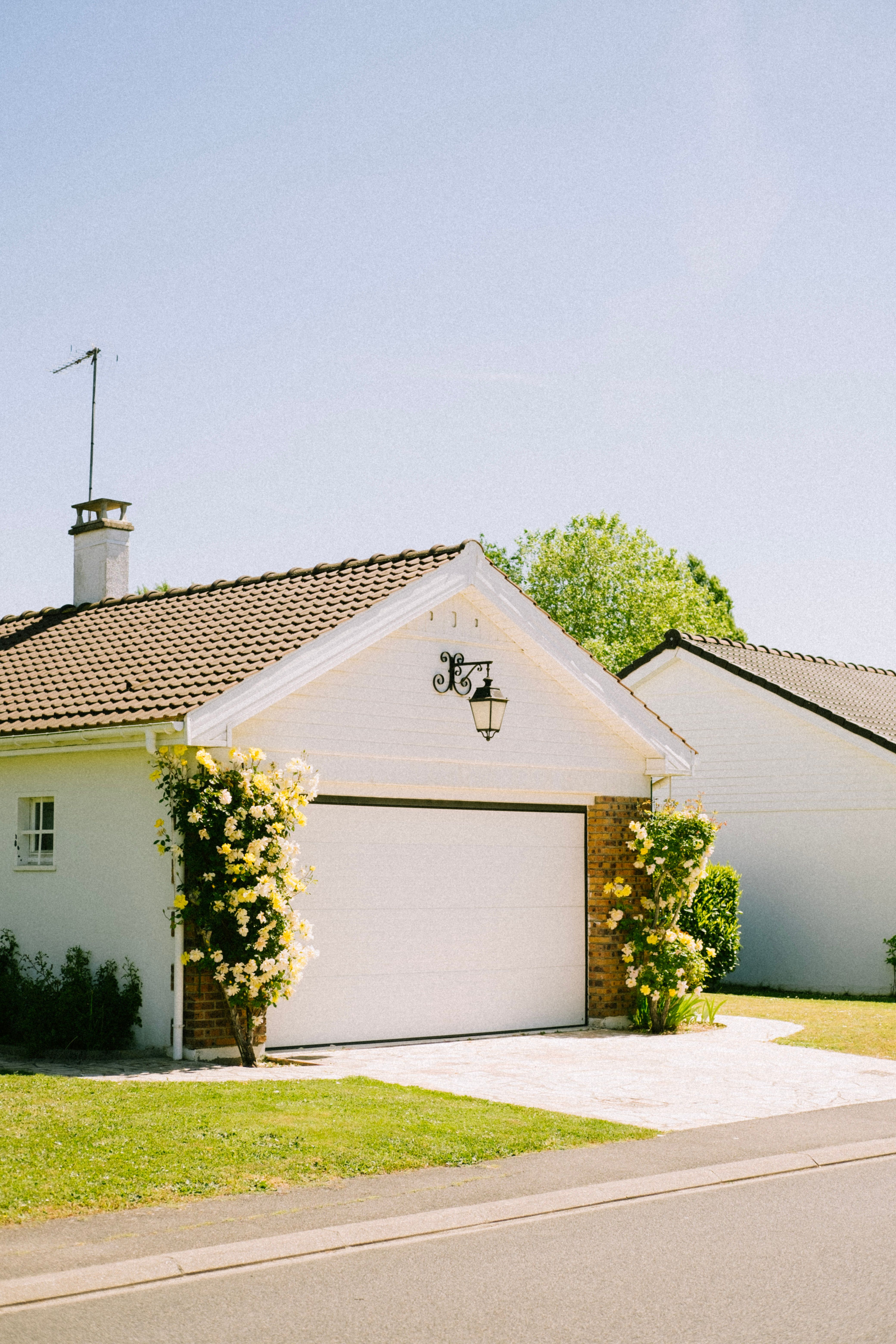
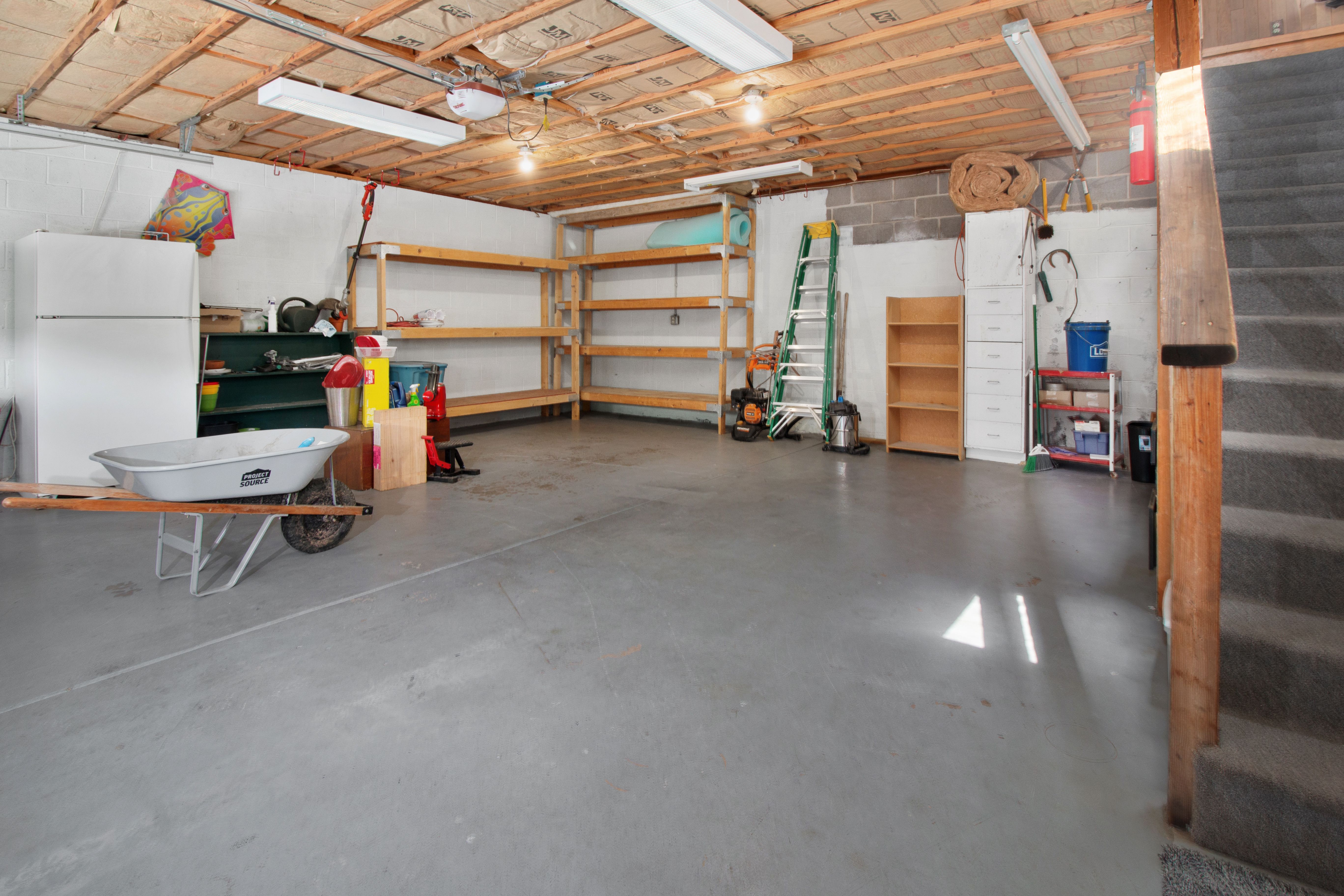
First, you need to decide if you’re building a full or partial second story. A full addition involves adding a new level across the entire footprint of your existing one-story home. This is a massive project that essentially doubles your square footage without taking up any yard space. On the other hand, a partial addition is built over just one section of your home, like the garage or a single wing. This is a popular way to add a new primary suite or a home office without committing to a full-scale rebuild. While a partial addition has a lower total cost, it can sometimes have a higher price per square foot due to the complex engineering needed to tie it into the existing structure.
Breaking Down the Cost Per Square Foot
Let's talk numbers. Generally, you can expect a second story addition to cost between $100 and $300 per square foot. In some high-cost areas or for very high-end projects, that number can climb to $500 per square foot or more. So, for a hypothetical 1,000-square-foot addition, you’re looking at a starting range of $100,000 to $300,000. This is a wide range because "per square foot" is just an average. It bundles together costs for labor, rough materials, and structural work. It doesn't always account for high-end finishes or the "hidden" costs we’ll cover later. Think of it as a ballpark estimate to get the conversation started.
Why Your Location Matters
Where you live has a huge impact on your total project cost. If you’re in a major metropolitan area like Los Angeles, the SF Bay Area, or Seattle, you can expect to pay more than the national average. Higher labor rates, greater demand for qualified contractors, and complex local building codes all contribute to higher prices. Coastal regions often have stricter engineering requirements to account for seismic activity, which also adds to the budget. This is why working with a team that understands the nuances of your specific city is so important. An expert advisor can help you understand these local cost factors and find vetted professionals, which is a core part of the Realm experience.
What Makes a Second Story Addition More Expensive?
When you start planning a second story addition, you’ll quickly learn that the final price tag is influenced by much more than just square footage. Several key factors can cause your costs to vary significantly. Understanding these from the start helps you create a more accurate budget and make informed decisions about your project’s scope. From the complexity of your design to the condition of your home’s foundation, here’s what will have the biggest impact on your total investment.
Size and Design
It’s a simple rule: the bigger you build, the more you’ll spend. But it’s not just about the total square footage. The complexity of your design also plays a huge role. A straightforward rectangular addition will cost less than one with multiple corners, vaulted ceilings, or a complex roofline. While costs typically range from $100 to $500+ per square foot, a more intricate design requires more labor and materials, driving up the price. For example, a basic 1,000-square-foot addition might start around $100,000, but a high-end, architecturally complex build of the same size could easily exceed $300,000.
Your Choice of Materials and Finishes
This is where your personal style meets your budget, and it’s one of the biggest variables in your project’s cost. Opting for builder-grade basics for flooring, windows, and fixtures will keep your costs down. However, if you’re dreaming of wide-plank hardwood floors, custom cabinetry, marble countertops, or high-end lighting, be prepared for the price to climb. While it’s tempting to splurge, remember that every single finish adds up. It’s wise to decide early on where you want to invest in premium materials and where you can save with more standard options to keep your budget on track.
Local Labor Costs
Labor is a significant portion of any renovation budget, and costs can vary dramatically depending on where you live. In competitive markets like the San Francisco Bay Area, Los Angeles, and Seattle, the demand for skilled tradespeople is high, which means labor rates are, too. The cost of living in your area also affects what contractors and subcontractors need to charge. Because a second story addition involves a wide range of specialists, from framers and electricians to plumbers and roofers, these local labor rates have a substantial effect on your project’s final cost. Working with a network of vetted professionals ensures you get fair pricing and quality work.
Your Home's Existing Structure
Before you can build up, you need to know if your home can handle the weight. Your home’s original construction is a critical factor that can add unexpected costs. An engineer will need to assess your foundation and framing to see if they can support a second level. Older homes, in particular, may require significant reinforcement to meet modern building codes and safety standards. This could involve pouring new concrete footings or strengthening the existing frame. While this step is non-negotiable for safety, it can add a considerable amount to your budget if your home isn’t already equipped to bear the load.
Professional Fees for Architects and Engineers
A project of this scale is not a DIY job; you’ll need a team of experts to get it done right. This includes hiring an architect or designer to create the plans and a structural engineer to ensure the addition is safe and sound. These professionals ensure your new space is functional, beautiful, and compliant with all local building codes. Their fees, often called "soft costs," are a necessary and valuable part of the process. A platform like Realm provides you with a dedicated advisor and a team of experts, helping you manage these professional relationships and ensure your project starts on the right foot. You can learn more about why Realm provides this service to homeowners.
Don't Forget These "Hidden" Costs
A detailed budget is your best friend during a major renovation. But beyond the obvious line items for lumber and labor, there are several other expenses that can catch homeowners by surprise. I like to call them "hidden" costs, not because contractors are trying to hide them, but because they aren't always part of the initial build estimate. These are the costs that come from the ripple effects of a large-scale project, like needing to upgrade your electrical panel or re-landscape your entire yard once the trucks drive away. Thinking about these costs upfront doesn't just prevent budget shock; it helps you create a more realistic financial plan. A solid, all-encompassing budget is the key to reducing stress and making sure your project runs smoothly from the first swing of the hammer to the final walkthrough. Let's walk through some of the most common costs that you'll want to plan for so you can go into your renovation with your eyes wide open and your finances in order.
Strengthening Your Foundation
Your home's original foundation was designed to support its original structure. Adding an entire second floor introduces a massive amount of weight. To ensure your home is safe and structurally sound, your contractor will likely need to reinforce the foundation and frame. This is especially true for older homes that weren't built to modern seismic standards. It’s a non-negotiable step for safety, and the engineering and construction work required will be a significant part of your project's structural budget. Think of it as the essential groundwork for everything that comes next.
Upgrading Your Home's Systems (HVAC, Plumbing, Electrical)
Your existing home systems are probably working hard just to service your current space. Doubling your square footage means your HVAC unit, water heater, and electrical panel will likely need an upgrade to handle the increased demand. If you're adding a bathroom or kitchenette upstairs, you'll need to run new plumbing lines, which adds complexity and cost. It's not just about capacity; it's about efficiency and safety. An overworked electrical panel is a fire hazard, and an undersized HVAC system will leave you with uncomfortable rooms and high energy bills.
Replacing Your Roof and Siding
When you remove the roof to build up, you can't just patch it back together. In most cases, you'll need a completely new roof. This is also a practical opportunity to ensure a seamless, weatherproof seal for your entire home. Similarly, you'll want the siding on your new second story to match the first. Sometimes, finding an exact match for older siding is impossible, leading many homeowners to replace all of it for a cohesive, updated look. While it adds to the cost, it also dramatically improves your home's curb appeal and protects it from the elements.
Permits and Inspection Fees
Before any work begins, you'll need architectural plans, engineering reports, and, of course, building permits from your city. These fees can add up quickly, often totaling thousands of dollars. Throughout the project, you'll also have several mandatory inspections to ensure the work meets local building codes. Working with a partner who understands the local requirements can make a huge difference. Realm’s streamlined process helps you manage these essential steps, ensuring your project is fully compliant without the headache of figuring it all out on your own.
Where You'll Live During Construction
This is a big one. For a significant portion of a second story addition, your home will be exposed to the elements and simply won't be livable. You’ll need to plan for an extended stay elsewhere. When you create your budget, be sure to account for these temporary housing costs, which could include rent for a few months, hotel bills, or even the cost of boarding pets. You may also need to rent a storage unit for your furniture to protect it from construction dust and damage.
Fixing Up Your Yard Post-Project
A major construction project is tough on your landscape. Heavy machinery, stacks of building materials, and constant foot traffic can do a number on your lawn, garden, and even your driveway. It’s wise to set aside a portion of your budget for post-project landscaping. This might include re-sodding the lawn, repairing cracked concrete, or replacing plants that didn't survive the process. Factoring this in from the start means you won't be left with a beautiful new addition overlooking a yard that looks like a mud pit.
4 Myths About Second Story Addition Costs
When you start dreaming about a second story, it’s easy to get caught up in exciting design ideas. But it’s just as easy to get tripped up by common misconceptions about the cost and process. Let's clear the air and talk through some of the biggest myths I hear from homeowners. Knowing the reality behind these assumptions will help you plan a smarter, more successful project from the very beginning.
Myth: "Price per square foot is all that matters."
It’s tempting to use the price per square foot as a simple way to compare quotes, but this number rarely tells the whole story. Focusing on it alone is like judging a book by its cover; you miss all the important details inside. A lower per-square-foot cost might hide significant expenses that aren't included in the initial estimate. These can include everything from structural reinforcements and system upgrades to permit fees and the cost of temporary housing. A truly comprehensive budget must account for these potential hidden costs to give you an accurate picture of your total investment.
Myth: "My current HVAC and plumbing are fine."
It’s a common hope: that your trusty HVAC unit and existing plumbing can handle the new space. Unfortunately, this is rarely the case. Adding an entire second floor significantly increases the demand on your home's mechanical systems. Your current furnace and air conditioner were likely sized for your home's original square footage, and they’ll struggle to heat and cool the addition effectively. The same goes for plumbing, especially if you’re adding a bathroom. You’ll likely need to budget for system upgrades or even a second, dedicated unit. Getting your systems evaluated by a vetted professional early in the planning process is a crucial step to avoid surprise costs and ensure your new space is comfortable.
Myth: "Building up is always cheaper than building out."
This one feels like it should be true, right? After all, you’re not taking up more of your yard. However, building up often involves more complex and expensive structural work than a ground-level addition. You have to consider reinforcing the existing foundation and walls to support the new weight, which adds significant cost. In many cases, a ground-level addition can be more economical because it requires less engineering and structural retrofitting. The best choice for you depends entirely on your property, local regulations, and overall budget, so it’s worth exploring both options with your design and build team.
Myth: "It will be a quick project."
While we all wish a major renovation could happen in a flash, adding a second story is more of a marathon than a sprint. A realistic timeline is anywhere from six to twelve months from start to finish, and sometimes longer. This isn't just for the construction itself. The pre-construction phase alone involves extensive planning, architectural design, engineering, and securing permits, all of which take time. Having an expert guide you through the renovation process can help keep things on track, but it’s important to go in with patience and a clear understanding that this is a long-term commitment.
Your Pre-Construction Checklist
A successful second story addition starts long before the first wall is framed. Getting organized with a clear plan can save you from major headaches and budget surprises down the road. Think of this as your essential pre-project homework. Going through these steps will help you start your renovation with confidence and a clear understanding of what to expect.
Start with a Structural Assessment
Before you get too deep into design daydreams, you need to know if your home can handle the extra weight. Your house’s foundation and frame were designed to support its current structure, not a whole new level. A professional structural engineer or an experienced builder needs to perform an assessment to confirm your home is up to the task. This is a non-negotiable first step that will determine if your project is even possible and what foundational work might be required.
Check Local Zoning Laws and Building Codes
Next up is the red tape. Every city and county has its own set of rules, and you need to know what they are. Local zoning laws and building codes can dictate how high you can build, how far your home must be from the property line, and even what materials you can use. These regulations can be complex and vary from one neighborhood to the next. Investigating them early will prevent you from designing a project that isn’t allowed, saving you time and money.
Create a Realistic Budget (and a Contingency Fund)
Once you know your project is feasible, it’s time to talk numbers. A realistic budget goes beyond a simple cost-per-square-foot estimate. You need to account for materials, labor, permits, and professional fees. Most importantly, you need a contingency fund. Plan to set aside an extra 20% to 25% of your total budget for unexpected issues. It might seem like a lot, but having that cushion will make handling surprises, like discovering old wiring that needs replacing, much less stressful.
Get Quotes from Multiple Contractors
Don’t just go with the first contractor you talk to. It’s smart to get detailed quotes from at least three different vetted professionals. Make sure each quote is itemized so you can compare them accurately, looking at labor, materials, timelines, and what’s included. A low bid might be tempting, but it could mean they’ve left things out or are using lower-quality materials. Realm can help you find reliable contractors who are right for your specific project.
Figure Out Your Temporary Living Situation
This is a big one that many homeowners overlook. You will almost certainly need to move out of your home during a second story addition, especially when the roof is removed and the house is exposed to the elements. This could be for weeks or even months. You need to plan for where you will live and add the cost of a rental or other temporary housing to your overall project budget. Factoring this in from the start ensures it doesn’t become a last-minute financial scramble.
Is a Second Story Addition a Good Investment?
A second story addition is one of the largest and most complex renovations you can undertake, so it’s natural to wonder if the cost is worth it. The short answer is that it can be an excellent investment, but it’s not a simple calculation. The real return comes from two places: a direct increase in your property’s resale value and the immediate, life-changing benefit of having a home that perfectly fits your needs. For many homeowners, especially those in desirable neighborhoods with limited lot space, building up is the most logical way to gain square footage. It allows you to create the home you want without having to move.
This is a huge project, and the final cost depends on many factors, from your home's current condition to the finishes you choose. Before you get too deep into planning, it's important to understand the full scope of the investment. You're not just paying for lumber and labor; you're investing in architectural plans, engineering reports, permits, and potentially even temporary housing. Understanding all these components is key to making an informed decision. To figure out if it’s the right financial move for you, let's look at how it affects your home’s value and how it compares to other types of additions.
How It Affects Your Home's Value
Adding a second story can significantly increase your home’s market value. By adding bedrooms, bathrooms, and overall living area, you’re not just making your home more comfortable; you’re making it more appealing to a wider range of future buyers. This often results in what’s known as a "second-story premium," where the value added can meet or exceed the initial project cost.
This kind of large-scale renovation transforms your property’s potential. A small, two-bedroom house can become a spacious four-bedroom family home, placing it in a completely different market category. Making this kind of update is a strategic choice that can pay off for years, improving your quality of life now while strengthening your financial position for the future.
Building Up vs. Building Out: Which Is Right for You?
When you need more room, you generally have two options: build up or build out. Building out involves adding rooms on the ground floor, which expands your home’s footprint and reduces your yard space. Building up, on the other hand, adds a new level to your existing home, preserving your precious outdoor areas. This is a huge advantage if you have a small lot or simply love your backyard.
While the total price tag is high, a two-story home addition can have a lower cost per square foot than a single-story one. That’s because you’re adding two floors of living space on top of one foundation and under one roof, which is an efficient way to build. It’s an effective method for gaining a lot of space at once, like adding a new primary suite upstairs while expanding your kitchen and living room below.
Smart Ways to Save on Your Second Story Addition
Adding a second story is a major investment, but that doesn't mean you have to completely drain your savings. While you don’t want to cut corners on structural integrity or safety, there are plenty of smart ways to manage your budget. With some strategic planning and thoughtful choices, you can keep costs in check without sacrificing the quality of your beautiful new space. It’s all about knowing where to spend and where you can save.
Simplify Your Design
One of the most effective ways to control costs is to keep your design straightforward. A simple, rectangular addition is almost always less expensive to build than one with multiple corners, complex rooflines, or custom-sized windows. Every angle and architectural flourish adds complexity, which translates to more labor hours and higher material costs. Working with a designer who understands your budget can help you create a plan that gives you the space you need without unnecessary expenses. A streamlined design also makes the entire construction process more efficient.
Opt for Standard Finishes
The world of finishes is vast, and it’s easy to get carried away. While high-end materials are beautiful, they can quickly inflate your budget. You can achieve a stunning look by choosing standard, widely available finishes. For example, consider attractive and durable vinyl plank flooring instead of expensive hardwood, or choose quality stock cabinetry over custom-built options. The key is to be strategic. You can always splurge on one or two "wow" factor items, like a statement light fixture or beautiful countertops, while saving on less noticeable elements. Our project resources can help you find inspiration for stylish and affordable materials.
Compare Quotes and Negotiate
Never accept the first quote you receive. It’s essential to get detailed, itemized bids from several different contractors. This allows you to compare not just the final price, but also the specific costs for materials, labor, and other line items. A vague, one-page quote isn't enough. When you have multiple detailed bids, you can see where costs differ and have a solid basis for negotiation. This is also where having an expert on your side helps. A Realm advisor can review bids with you, spot red flags, and help you understand the true cost and value of what each contractor is offering.
Consider Reclaimed Materials
Using reclaimed or salvaged materials can be a fantastic way to save money and add unique character to your home. Architectural salvage yards are treasure troves of items like vintage doors, antique hardware, beautiful old beams, and unique flooring. Incorporating these pieces can give your new addition a sense of history and personality that you can’t get from brand-new materials. It’s also a more sustainable choice. Just be sure that any structural materials you use are inspected and approved to meet current building codes.
Plan a Healthy Contingency Fund
No matter how carefully you plan, unexpected issues can and do arise during a major renovation. When you open up walls, you might discover outdated wiring, plumbing problems, or hidden structural issues that need to be addressed. That’s why a contingency fund is not optional; it’s a critical part of your project budget. Plan to set aside at least 20% of your total project cost for these surprises. This financial cushion ensures that an unexpected expense doesn’t derail your project or force you to make compromises you’ll regret later. It’s the key to keeping your project on track and your stress levels down.
How Realm Helps with Your Second Story Addition
Adding a second story is a major undertaking, and it’s completely normal to feel overwhelmed by the sheer number of decisions involved. From figuring out if your foundation can handle the weight to finding a trustworthy contractor, the process is filled with complex steps. This is where having an expert guide can make all the difference.
At Realm, we simplify your second story addition by providing a clear roadmap and expert support. It all starts with a feasibility study to determine if your home is a good candidate for building up. We help you understand your local zoning laws and what’s structurally possible before you spend a dime on architectural plans. Your dedicated Realm Advisor provides you with a data-backed cost estimate and a detailed budget, so you have a realistic financial picture from day one.
Instead of leaving you to find professionals on your own, we connect you with our network of vetted local contractors and architects who have experience with projects just like yours. We’ll help you compare bids and understand the project timeline, which typically ranges from six to twelve months. Throughout construction, your advisor remains your go-to resource for unbiased advice, helping you manage challenges and make confident decisions. Our goal is to give you the support you need to manage your project, stick to your budget, and create the space you’ve been dreaming of.
Related Articles
- The True Cost to Build a Home Addition Explained
- Breaking Down the Two-Story Home Addition Cost
- The Average Cost Per Square Foot for Addition Explained
Frequently Asked Questions
What is the most important first step before planning a second story addition? Before you even think about floor plans or finishes, you need a professional structural assessment. This is where an engineer or experienced builder confirms that your home's foundation and existing frame can actually support the weight of a new level. This step determines if the project is even possible and what kind of reinforcement will be needed, which is a huge factor in your overall budget.
Why is there such a wide cost range, from $100 to over $500 per square foot? The price per square foot is just a starting point, not a final number. The range is so broad because it has to account for many variables. A project in a high-cost city with complex architecture and luxury finishes will be at the top of that range. A project with a simple design, standard materials, and more moderate labor costs will land at the lower end. Your specific choices and location are what ultimately determine the final cost.
Besides the main construction, what are the biggest expenses I should plan for? Three major costs often surprise homeowners. First is reinforcing your home's foundation and structure to handle the new weight. Second is the need to upgrade your home's systems, like your HVAC, electrical panel, and plumbing, to service the larger space. Finally, you must budget for your own temporary housing, as you will likely need to move out for several months during the most intensive phases of construction.
Will I get my money back if I add a second story? While no renovation has a guaranteed dollar-for-dollar return, adding a second story is a major value-add. You are significantly increasing the home's square footage and functional living space, which can move it into a new, higher-priced category on the market. In many cases, especially in sought-after neighborhoods, the value added can meet or even exceed the cost of the project, all while giving you a home that better fits your life.
How can I keep my project from going way over budget? The best way to manage your budget is to have a solid plan and a healthy contingency fund from the start. Work with your design team to create a straightforward layout, as complexity is a primary cost driver. Make firm decisions on materials and finishes early to avoid expensive changes later. Most importantly, set aside at least 20% of your total budget for a contingency fund to cover the inevitable surprises that come with any major renovation.