Second Story Remodel Cost: A Full Breakdown
Get a clear breakdown of second story remodel cost, including key factors, hidden expenses, and tips to help you plan and budget your project confidently.
|
June 16, 2026
In this article:
You love your neighbors, your school district, and the short commute to work. The only problem? Your house is starting to feel a little too small. A second story addition seems like the perfect solution, allowing you to get the space you need without giving up the home you love. Once that idea takes root, the next logical thought is always about the budget. Figuring out the second story remodel cost is essential to deciding if this dream is feasible. We’ll help you answer that question by looking at the investment from all angles, including how it impacts your home's value and how it compares to the alternative of moving.
Key Takeaways
- Account for all project costs: A realistic budget includes more than just construction; remember to factor in professional design fees, temporary living expenses, and a contingency fund of at least 20% for unexpected repairs.
- Plan strategically to manage your budget: Making smart decisions before work begins is the most effective way to save money, so get a structural assessment early and work with your designer to create a cost-effective layout.
- Weigh the investment against the alternatives: A second story addition is a complex project with costs often starting at $100,000, so it is important to compare this major renovation with the financial and personal costs of moving to a larger home.
How Much Does a Second Story Addition Cost?
Figuring out the cost of a second story addition is one of the first, and biggest, questions you’ll have. The truth is, the price can vary quite a bit. It depends on your home’s current condition, where you live, and the scope of your vision. While there’s no single magic number, we can look at typical price ranges to give you a solid starting point for your budget. Think of these numbers as a guide to help you understand what’s possible and begin planning your project with confidence. From there, you can work with an advisor to get detailed quotes based on your specific home and goals.
The Price of a Full Second Story
Going for a full second story is a transformative project, and the investment reflects that. It’s a complex job that involves significant structural work. According to Legal Eagle Contractors, most full second story additions they’ve managed "typically cost between $150K and $250K." However, it's often safer to plan for a wider range. For larger additions of around 750 to 1,000 square feet, some architects recommend you budget for more, suggesting a range of $500,000 to $550,000 to cover all the incidental costs that come with a project of that scale.
The Price of a Partial Second Story
Even if you’re only adding a new primary suite or a couple of bedrooms over a section of your home, a partial second story is still a major financial commitment. It’s much more than a simple room addition. According to renovation platform Sweeten, homeowners in Los Angeles should "expect to pay at least $100,000 for a second-story addition." This figure serves as a realistic floor for this type of project. The final price will ultimately depend on the size of your partial addition, the complexity of the design, and the finishes you choose.
Breaking Down the Cost Per Square Foot
Looking at the cost per square foot can be a helpful way to compare estimates, but it’s important to know that this number isn’t set in stone. On average, you can expect a second story addition to cost between $500 and $600 per square foot. However, this can change based on your location and the project's complexity. It’s also not unusual to see quotes on the higher end of the spectrum. For smaller additions, quotes in the $600 to $825 per square foot range can happen, as fixed costs like engineering and site prep are spread across a smaller area.
What Drives the Cost of a Second Story Addition?
Understanding what goes into the total cost of a second story addition helps you create a realistic budget and make smart decisions. The final price isn't just one number; it's a combination of several key factors, from the size of your new floor to the materials you choose. Think of it like building a custom car. The base model has a price, but every upgrade, from the engine to the leather seats, adds to the final sticker. A second story addition is much the same. The choices you make at each stage will directly influence the bottom line. By breaking down the main components that will shape your project's budget, you can see where your money is going and find opportunities to save. Let's get into the specific elements that drive the cost of building up.
Your Project's Size and Design
The most significant cost driver is the sheer size and complexity of your addition. A simple, box-like second story will naturally cost less than one with intricate architectural details, multiple rooms, and several bathrooms. According to renovation experts, adding a second story can range from $100,000 to over $300,000. The more square footage you add, the more materials and labor you’ll need. A sprawling primary suite with a walk-in closet and spa bathroom will land on the higher end of that spectrum, while a single open-concept room will be more budget-friendly. Planning your layout thoughtfully is the first step to managing your total spend.
The Materials You Choose
This is where your personal style comes into play, but it’s also where costs can climb quickly. The finishes and fixtures you select have a major impact on the budget. For example, opting for custom cabinetry, high-end stone countertops, and imported hardwood floors will be significantly more expensive than using standard-sized cabinets, laminate counters, and luxury vinyl plank flooring. While it's tempting to choose fancy materials, being strategic about where you splurge and where you save can keep your project on track. You can always mix high-end statement pieces with more affordable, durable basics to get a beautiful look without breaking the bank.
Local Labor Costs
Where you live plays a big role in your renovation bill. Labor costs vary significantly from one city to another, influenced by local demand, cost of living, and the availability of skilled tradespeople. In competitive markets like the Bay Area or Los Angeles, you can expect to pay more for labor than in other regions. Most contractors will charge between $100 to $300 per square foot for a project of this scale. This rate covers the carpenters, electricians, plumbers, and other professionals needed to build your addition. Getting multiple quotes from vetted contractors is the best way to understand the going rate in your specific area.
Foundation and Structural Needs
Before you can build up, you have to make sure your home’s existing structure can handle the pressure. A licensed structural engineer must assess your foundation and framing to determine if they can support the weight of a second story. In many cases, especially with older homes, the foundation needs reinforcement. This process can involve adding new footings or reinforcing existing ones. If your home's foundation isn't strong enough, you'll need to make it stronger, which can add $5,000 or more to your project cost. It’s an unglamorous but absolutely critical expense you can't afford to skip.
Your New Roofing
Adding a second story means removing your existing roof, so a new one is a built-in part of the project. The cost of the new roof will depend on the size, pitch, and materials you choose. While you might be able to reuse some components, it’s more common that you’ll need a new roof designed to integrate seamlessly with the new structure. This is also a good time to consider upgrading your roofing material, improving insulation, or adding features like skylights. Factoring in the cost of a full roof replacement from the start ensures you won’t be caught off guard by this significant expense later on.
Permits and Local Regulations
No major renovation happens without official approval. You will need to secure building permits from your local municipality before any work can begin. The permitting process ensures your project complies with zoning laws, building codes, and safety standards. These fees can vary widely depending on your city and the scope of your project, but they are a mandatory part of the budget. You’ll need to pay fees to get permission from your local government, and your architect or contractor can typically handle the submission process for you. It’s an essential step that protects your investment and ensures your addition is safe and legal.
Don't Forget These "Hidden" Costs
When you get a quote for your second story addition, it’s easy to focus on the big number. But that figure usually only covers the direct construction costs. Several other expenses can pop up during a major renovation, and being prepared for them is the key to a less stressful project. Think of it as creating a complete financial picture, so you can avoid surprises that might derail your budget or timeline.
From finding a temporary place to live to matching your home’s new exterior to the old, these "hidden" costs are a normal part of the process. Planning for them from the start helps ensure your project runs smoothly. A dedicated Realm advisor can help you anticipate these expenses and build them into your budget, giving you a truly realistic view of what your project will entail. By accounting for everything upfront, you can move forward with confidence.
Temporary Living Expenses
Depending on the scale of your renovation, living at home might not be an option. A second story addition is one of the most disruptive projects you can undertake. Your roof will be removed, and your home will be exposed to the elements and filled with dust and debris. For safety and sanity, you’ll likely need to move out. This means you’ll have to budget for temporary housing, which could mean a short-term rental, an extended-stay hotel, or staying with family. Don’t forget to also factor in the cost of storing furniture and other belongings.
Upgrading Your Home's Systems
Adding an entire new level to your house puts significant new demands on its existing infrastructure. Your home’s foundation, for example, was built to support a certain weight. A structural engineer will need to confirm it can handle the new load. If it can’t, reinforcing it can add $5,000 or more to your budget. Beyond that, your current HVAC system may not be powerful enough to heat and cool the additional square footage. Your electrical panel might also need an upgrade to handle new lighting and outlets, and your plumbing will need to be extended to the new floor.
Dealing with Unexpected Repairs
With any renovation, especially in an older home, there’s always a chance of uncovering surprises once the walls are opened up. Contractors might find outdated wiring that isn’t up to code, hidden water damage or mold, or even pest infestations that need to be addressed immediately. These issues aren’t part of the original scope of work and must be fixed before the project can continue, adding to your costs and timeline. This is why having a healthy contingency fund (we recommend 20-25%) is so important. It gives you a buffer to handle these unexpected but necessary repairs without panic.
Architect and Designer Fees
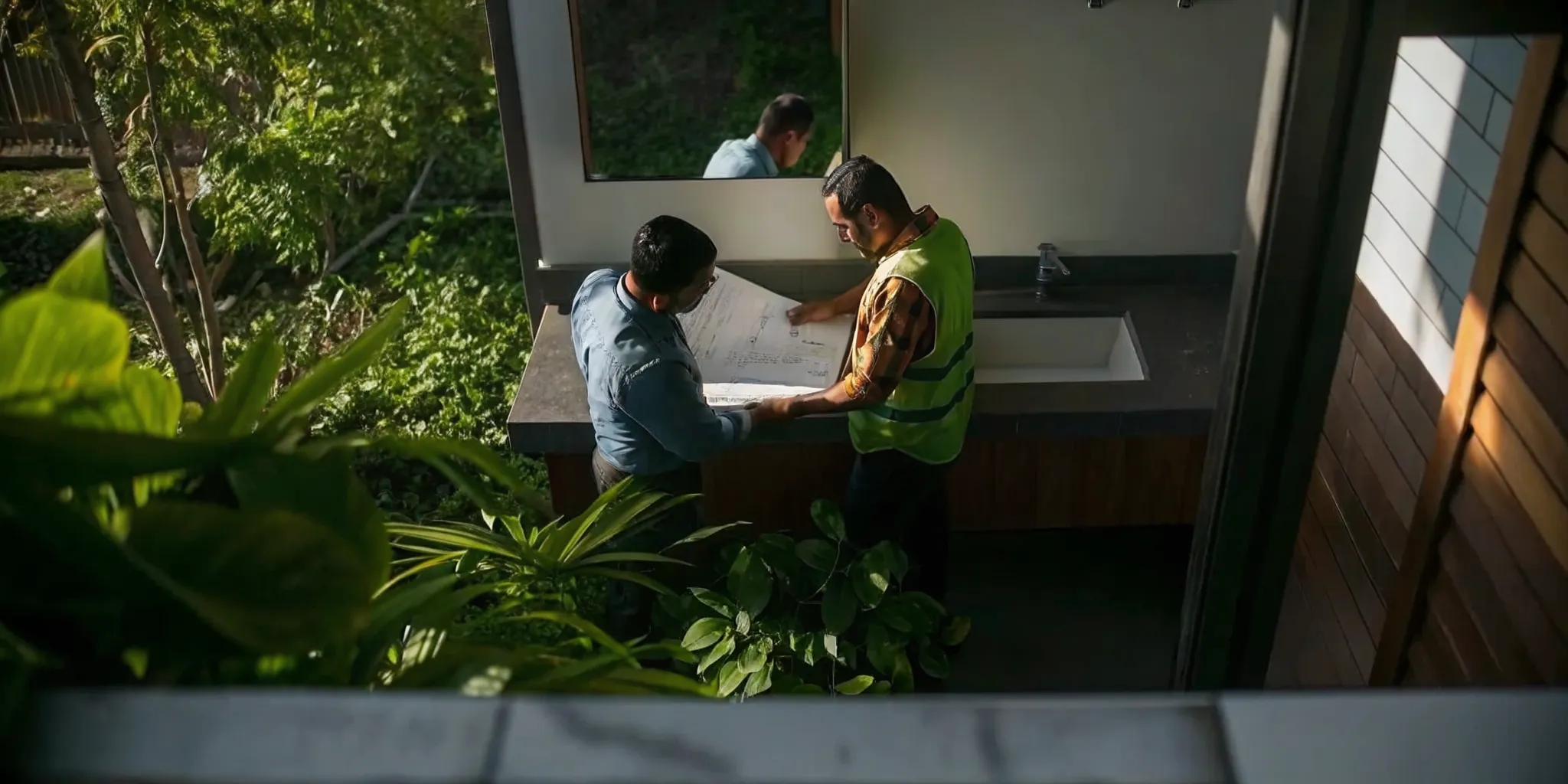
The team that builds your second story isn't the same team that designs it. Before any construction begins, you’ll need to hire an architect or a building designer to create the blueprints. These plans are essential for securing permits and ensuring the addition is structurally sound. Their fees are a significant cost, often ranging from 8% to 15% of the total project budget. You may also want to hire an interior designer to help plan the layout and select finishes. These professional fees are a crucial investment in getting the project done right.
Siding and Exterior Finishes
A second story addition changes the entire exterior of your home, not just the inside. You’ll need to budget for finishing the new exterior walls with siding and paint. It can be very difficult to find a perfect match for your existing siding, especially if it’s been weathered by the sun for years. To create a cohesive look, many homeowners choose to replace all the siding on the house. The same goes for your roof. While you’ll be adding a new roof to the addition, it often makes sense to replace the entire roof at the same time to ensure everything matches perfectly.
4 Myths About Second Story Addition Costs
Adding a second story is a huge undertaking, and it’s easy to get tangled in misinformation. When you’re making decisions about your home and finances, you need clarity, not confusion. Let’s clear the air and bust four of the most common myths about the cost of building up. Understanding the reality behind these assumptions is the first step toward a successful, well-managed project. It helps you set a realistic budget and ensures you go into your renovation with your eyes wide open.
Myth #1: "It's always cheaper than moving."
This is one of the biggest reasons homeowners consider adding on, but it’s not always true. While you save on things like realtor commissions and moving costs, a second story addition is a major construction project with a significant price tag. In many cases, the cost can approach or even exceed the price difference of moving to a larger home. The right choice depends on a detailed comparison of your local housing market against a realistic quote for your addition. It’s a complex financial decision that requires weighing all the variables, not just the construction estimate.
Myth #2: "The cost per square foot is a fixed number."
You’ll see average per-square-foot costs thrown around online, but this number is a starting point, not a guarantee. The final price tag is incredibly sensitive to your specific situation. The cost of adding a second story is influenced by your home's existing structure, the complexity of your design, and the quality of the finishes you choose. A simple, boxy addition with standard materials will cost far less per square foot than an architecturally complex design with high-end windows and custom tile. Your location also plays a huge role, as labor and material costs vary dramatically between cities.
Myth #3: "Permits are a minor expense."
Don't underestimate the cost and complexity of permitting. Getting permission from your local government to build is a critical step, and the associated fees can be surprisingly high, sometimes running into thousands of dollars. The process often involves submitting detailed architectural plans and engineering reports, which adds to the upfront cost. Beyond the fees, managing the building permit process can be time-consuming and complicated. It’s an essential part of your budget that should be researched and accounted for early on, not treated as a last-minute errand.
Myth #4: "Adding a story is a simple project."
Adding a second floor is one of the most complex and disruptive home renovations you can undertake. It’s not as simple as just building on top of your existing roof. The project often requires reinforcing the foundation, completely removing and rebuilding the roof, and replacing all of your home’s siding to create a cohesive exterior. It also involves a massive overhaul of your home’s mechanical systems, including plumbing, electrical, and HVAC. This is a full-scale transformation that impacts nearly every part of your house, which is why having an expert advisor to guide you is so valuable.
How to Plan Your Second Story Addition
A successful second story addition hinges on smart, upfront planning. Thinking through the details before the first hammer swings can save you from major headaches and budget overruns down the line. It’s about more than just dreaming up the perfect primary suite; it’s about understanding the structural, legal, and financial realities of your project. By taking a methodical approach, you can create a clear roadmap that turns your vision into a well-executed reality. These steps will help you build a solid foundation for your project, both literally and figuratively, ensuring a smoother process from start to finish.
Start with a Structural Assessment
Before you get too attached to a specific design, your first move should be to hire a structural engineer. They will determine if your home’s existing foundation and frame can handle the weight of a whole new level. This is a critical safety step you can't skip. If your home's foundation isn't strong enough for the extra weight, you'll need to reinforce it, which can add $5,000 or more to your budget. Finding this out early prevents a costly surprise that could derail your project after you’ve already invested in architectural plans. An expert can help you get a clear picture of your home's readiness from the very beginning.
Research Codes and Permits Early
You can’t just add a story to your house without getting the green light from your local government. You need to pay fees to get permission to build, and these building codes and zoning laws can significantly impact your project. Local regulations might dictate the maximum height of your home, how close you can build to your property line, or even the style of your addition. Researching these rules early in the process helps you and your designer create a plan that will actually get approved. Since every city has different requirements, this step can feel complicated, which is why many homeowners work with an advisor to manage the paperwork.
Create a Cost-Effective Layout
A smart layout can save you thousands of dollars in labor and materials. When designing your new floor, try to stack new rooms directly on top of existing ones. For example, placing a new bathroom directly above your current one makes it much easier and cheaper to connect the plumbing. The same principle applies to electrical wiring and HVAC ductwork. The less your contractors have to reroute these essential systems, the more you’ll save. This strategic thinking helps keep your project on budget without compromising on the space you need.
Stick to Standard Materials and Designs
While custom features are beautiful, they come with a premium price tag. One of the easiest ways to control costs is to opt for standard materials and sizes whenever possible. For instance, choose regular-sized windows and doors instead of ordering custom ones. Standard materials are more affordable and readily available, which can also help you avoid project delays. You can still create a beautiful, personalized space by focusing your budget on finishes that make a big impact, like unique tile, light fixtures, or hardware, while saving on the basic structural components.
Bundle Projects to Save on Labor
If you have other major renovations on your wish list, consider doing them at the same time as your second story addition. Since you’ll already have a general contractor and their crew on-site, you can often get a better price on labor by bundling projects. For example, if you’ve been thinking about replacing your siding or remodeling a first-floor bathroom, tackling it all at once is more efficient. The contractor saves time on setup and management, and those savings can be passed on to you. It’s a great way to get more done while maximizing your investment.
Get Quotes from Vetted Contractors
The success of your addition heavily depends on the team you hire. It’s essential to find a general contractor who has proven experience with second-story additions and comes with excellent reviews. This isn't the time to go with the cheapest bid from an unverified source. Instead, get detailed quotes from at least three vetted professionals who understand the unique challenges of building up. A qualified contractor will provide a transparent, line-item budget and can anticipate potential issues before they become expensive problems, giving you peace of mind throughout the construction process.
How to Create a Realistic Budget
Creating a budget for a second-story addition is more than just estimating material costs; it's about building a financial plan that can withstand the realities of a major renovation. A thoughtful budget is your best tool for keeping the project on course and your stress levels low. With a few key strategies, you can map out your spending, plan for the unexpected, and make smart decisions that align with your financial goals. Let's walk through how to build a budget that sets your project up for success from day one.
Build a 20-25% Contingency Fund
Think of a contingency fund as your project’s built-in safety net. For a renovation as complex as a second-story addition, surprises are almost guaranteed. You might open up a wall and find outdated plumbing or discover that a beam needs extra reinforcement. Experts recommend setting aside 20% to 25% of your total project cost for these unforeseen expenses. This isn't "extra" money; it's an essential part of your budget. Having this buffer means you can handle unexpected issues without having to halt the project or compromise on your vision.
Prioritize Your Spending
Unless you have an unlimited budget, you'll likely need to make some trade-offs. Start by making a list of your "must-haves" versus your "nice-to-haves." This will help you decide where to splurge and where to save. For instance, you might invest in high-end windows that will last for decades but opt for a simpler, more cost-effective design for the interior trim. Using recycled or reclaimed materials where appropriate can also stretch your budget further. Prioritizing your spending ensures that your money goes toward the features that matter most to you and your family.
Account for Design Fees Upfront
Professional fees are a critical part of your project cost, not an optional add-on. Before any construction begins, you'll be working with architects, designers, and structural engineers. It's a common mistake to overlook these costs when creating an initial budget. Factoring in these design fees from the start ensures you have a complete financial picture. Investing in a well-planned project with experienced professionals is one of the best ways to prevent expensive errors and delays down the road, ultimately saving you money and headaches.
Work with an Advisor to Stay on Track
A major renovation involves countless decisions, and it can be overwhelming to manage them all on your own. Working with an expert can help you stay on track and make sound financial choices. A dedicated advisor acts as your advocate, helping you understand quotes, vet contractors, and navigate the complexities of the build. They can assess if your home's foundation can support a second story and guide you through the permitting process. This expert oversight provides peace of mind and ensures your project is completed on time and within budget.
Is a Second Story Addition a Good Investment?
This is the big question, isn't it? Deciding to add a whole new level to your home is a massive undertaking, and you want to know if the payoff is worth the price tag and the process. The honest answer is: it depends. For many homeowners, building up is the perfect solution to gain space without leaving a neighborhood they love. It can be a smart financial move that also dramatically improves how you live in your home.
But it’s not a universal solution. The investment goes beyond money; it includes your time, energy, and the temporary disruption to your life. Before you start sketching out floor plans, it’s important to look at the decision from two key angles: the potential return on investment and how it stacks up against the alternatives.
How It Impacts Your Home's Value
Let's talk numbers. A second story addition is one of the larger renovation projects you can take on, but it often comes with a solid financial return. Most homeowners can expect to see about a 60% to 70% return on their investment when they sell. Beyond the direct ROI, think about the other ways it adds value. A well-designed second story can give you more living space, create a more functional layout, and even offer better views. These are major selling points that make your home more attractive to future buyers and, more importantly, more enjoyable for you right now.
Considering the Alternatives
While adding on is a great option, it’s not the only one. It’s worth asking yourself if moving to a bigger house might be a simpler path. Renovations, especially large-scale ones, come with a lot of moving parts and potential for stress. The cost is also a major factor. With prices often landing between $500 and $600 per square foot depending on your location and the project's complexity, the final bill can easily climb into the hundreds of thousands. Taking a moment to weigh the pros and cons of renovating versus relocating is a crucial step before you commit.
Related Articles
- The True Cost to Build a Home Addition Explained
- Breaking Down the Two-Story Home Addition Cost
- The Average Cost Per Square Foot for Addition Explained
Frequently Asked Questions
Why is there such a wide range in cost for a second-story addition? The final price tag is a combination of many different factors unique to your home and your vision. A simple, rectangular addition will cost less than one with a complex roofline and multiple rooms. Your choice of materials, from windows to flooring, also plays a huge role. Beyond the design, the price is influenced by your home’s current condition, especially its foundation, and the cost of skilled labor in your specific city.
Is a 20-25% contingency fund really necessary for this project? Yes, for a project of this scale, it’s absolutely essential. A second-story addition is one of the most complex renovations you can do. When you open up a house, you often find surprises that need immediate attention, like outdated wiring or hidden water damage. This fund isn't for splurging on fancier tile; it's a crucial safety net that allows you to address these mandatory repairs without derailing your budget or timeline.
How do I decide if adding on is a better financial choice than moving? This requires a careful and personal calculation. Start by getting a realistic, all-in estimate for your addition, making sure it includes design fees, permits, and temporary living costs. Then, compare that total to the cost of selling your current home and buying a larger one in your area. Don't forget to factor in realtor commissions, closing costs, and moving expenses. It’s also important to consider the non-financial value of staying in a home and neighborhood you already love.
What's the very first thing I should do if I'm seriously considering this project? Before you spend time and money on architectural plans, your first step should be a structural assessment. Hire a structural engineer to determine if your home's foundation and framing can support the weight of a new level. This will tell you if the project is feasible and what, if any, reinforcement will be needed. Getting this information early is critical for creating an accurate budget and avoiding major, costly surprises down the road.
Besides the cost, what's the biggest challenge I should prepare for? The biggest challenge is the significant disruption to your daily life. A second-story addition is not a renovation you can easily live through. Your roof will be removed, and your home will be a loud, dusty, and inaccessible construction site for months. You should realistically plan and budget for moving out during the most intensive phases of construction, which includes finding temporary housing for your family and storage for your belongings.