Remodeling Costs Calculator: A Smart User's Guide
Get practical tips for using a remodeling costs calculator to plan your renovation budget, estimate expenses, and make confident home improvement decisions.
|
June 26, 2026

In this article:
You have the Pinterest board, the saved Instagram posts, and a clear vision for your future kitchen or bathroom. The fun part is easy; the hard part is figuring out how to pay for it. Bridging the gap between your design daydreams and financial reality is often the biggest hurdle in any renovation. This is where data becomes your best friend. A remodeling costs calculator is the essential tool that translates your vision into tangible numbers. It helps you move from "what if" to "how to" by providing a realistic estimate, allowing you to start building a smart, effective budget around your beautiful ideas.
Key Takeaways
- Use a calculator as your starting point, not your final price: A remodeling calculator offers a great ballpark estimate to begin your planning. It helps you set realistic financial expectations before you get professional quotes, which will provide the final, detailed costs for your specific project.
- Know the main factors that shape your budget: Your project's final cost is influenced by its size and complexity, your material selections, and your home's location. Recognizing how these elements affect the price helps you make smart decisions that align with your financial goals.
- Build a budget that can handle surprises: Create a detailed financial plan based on your initial estimate, but be sure to include a contingency fund of 10% to 15% for unexpected costs. This cushion, along with a clear list of priorities, is essential for a successful and less stressful renovation.
What Is a Remodeling Cost Calculator?
So, you're thinking about a renovation. It's exciting, but that big question mark hanging over the budget can feel a little daunting. This is where a remodeling cost calculator comes in. Think of it as your first step toward turning those daydreams into a concrete plan. At its core, a remodeling cost calculator is an online tool designed to give you a ballpark estimate for your home improvement project. It takes the guesswork out of that initial "how much will this even cost?" phase.
By providing a starting point for your budget, these tools make it much easier to understand potential expenses before you start talking to contractors or making any big commitments. It’s a smart way to get your financial footing early on. While it’s not a final quote, it gives you a realistic range to work with, which is incredibly valuable when you're just getting started.
How Do They Work?
Using one of these calculators is usually pretty simple. They work by asking you for a few key pieces of information about your project. You’ll typically enter your zip code, since costs can vary a lot from one neighborhood to another. Then, you’ll provide details about the job itself, like whether you’re redoing a kitchen or adding a deck. Based on your inputs, the calculator uses local data to generate an estimated cost for the work. It’s a quick way to get a personalized estimate without having to make a single phone call.
What Can You Estimate?
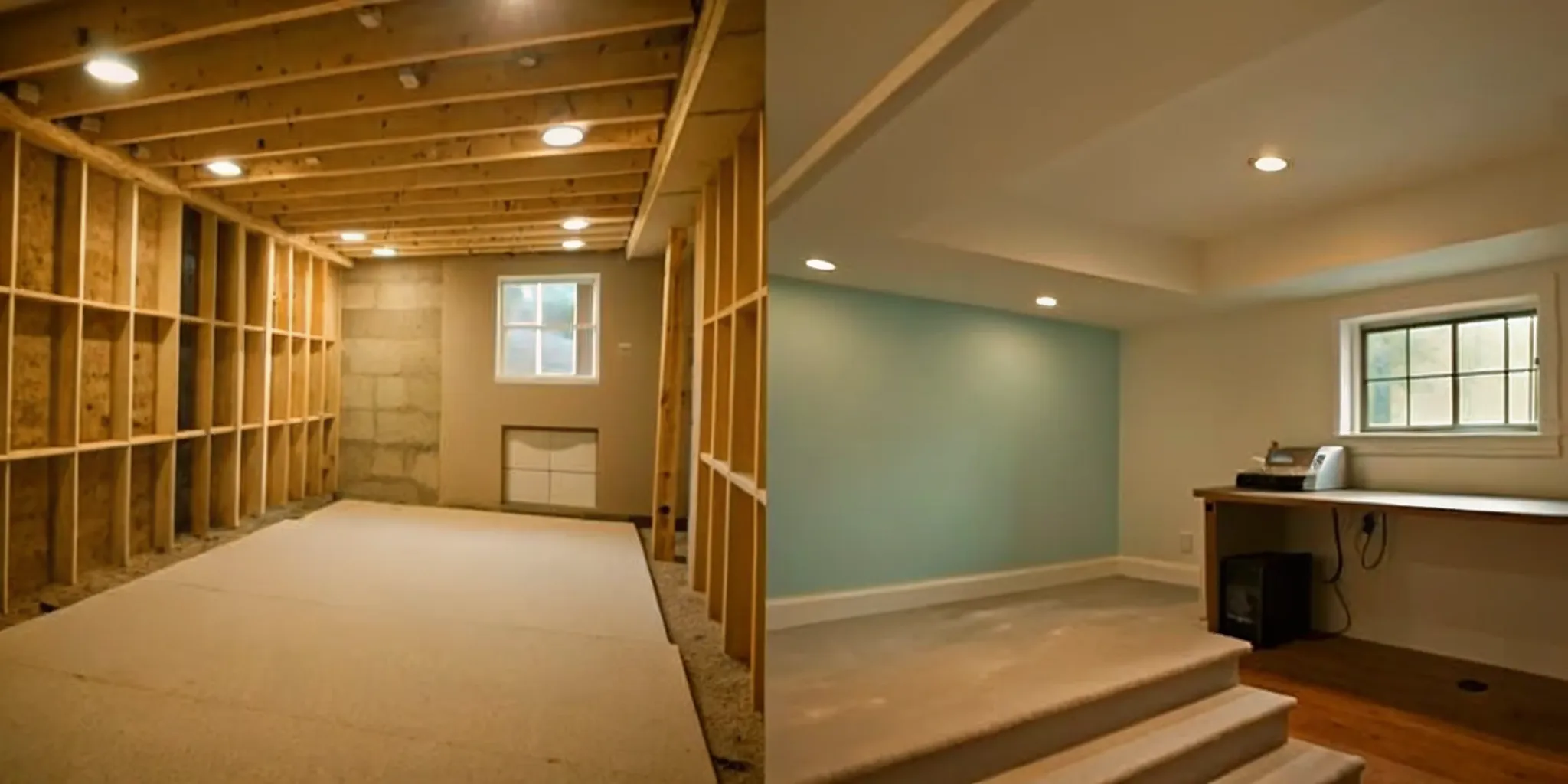
You can get a feel for the cost of all sorts of projects with these tools. Most calculators cover the most popular home renovations, so you’re likely to find what you’re looking for. For example, you can find cost information for a full kitchen remodel, a primary bathroom update, finishing a basement, or even adding a new roof. This versatility is what makes them so useful. Whether you’re planning one big project or trying to decide which of your many ideas to tackle first, a calculator can help you compare the potential costs and prioritize your plans.
Are They Free to Use?
One of the best parts about these online calculators is that many of them are completely free. Companies offer them as a way to help homeowners like you get started on the planning process. For instance, some platforms provide a free online tool that not only estimates costs but also helps you manage your project budget from start to finish. This means you can explore different scenarios and get a handle on potential expenses without any financial commitment. It’s a no-pressure way to begin your research and feel more prepared for the conversations ahead.
What Factors Influence Your Renovation Cost?
Think of your renovation cost as a recipe. It’s not just one ingredient, but a mix of several key components that come together to create the final price. An online calculator gives you a great starting point, but understanding what goes into that number helps you see where your money is going and where you can make adjustments. The price of a remodel depends on the room you’re updating, the materials you choose, and even your zip code.
When you start to see how these factors interact, you can make smarter decisions that align with your budget and your vision. A dedicated advisor can walk you through these variables, but let’s break down the four biggest factors that will shape your project’s bottom line. From the sheer size of the project to the nitty-gritty of local building codes, each element plays a crucial role in determining the total cost.
Scope, Size, and Complexity
The most significant driver of your renovation cost is the project's scope. Are you doing a simple cosmetic refresh of a small bathroom, or are you tearing down walls to create an open-concept kitchen and living area? The size of the space and the complexity of the work involved are the foundation of your budget. A larger room naturally requires more materials and more labor hours. Similarly, a project that involves reconfiguring plumbing, electrical, or structural elements will be much more expensive than one that just involves new paint, fixtures, and flooring.
Your Material Choices
This is where you have a great deal of control over your budget. The finishes and fixtures you select can cause the cost to swing dramatically. For example, opting for high-end materials like custom cabinetry, marble countertops, and designer tiles can easily double your expenses compared to more standard options. On the other hand, choosing beautiful and durable alternatives like stock cabinets, quartz, or laminate can give you a high-end look without the premium price tag. It’s all about balancing your aesthetic desires with your financial realities.
Your Home's Location
Where you live matters, a lot. Labor rates, material transportation costs, and local demand can vary significantly from one city to another. If you live in a high-cost-of-living area like the San Francisco Bay Area or Los Angeles, you can expect to pay more for your renovation than the national average, sometimes up to 50% more. This is due to higher labor costs and stricter building regulations. Understanding your local market is key to setting a realistic budget from the very beginning.
Permits and Other Potential Costs
Don't forget the less glamorous, but equally important, costs. Most projects that alter your home's structure or systems require building permits, and the fees for these can add hundreds or even thousands of dollars to your total. Your location also dictates which building codes you must follow, such as California's specific requirements for seismic safety and energy efficiency. It’s also wise to plan for the unexpected. Demolition can uncover hidden issues like water damage or outdated wiring that need to be addressed, which is why a contingency fund is always a good idea.
How Accurate Are Remodeling Calculators?
So, can you really trust the numbers a remodeling calculator gives you? The short answer is: it depends, but they are an excellent starting point. While it’s tempting to plug in a few details and get a final number, think of these tools less as a crystal ball and more as a compass pointing you in the right financial direction. Their accuracy hinges on the data they use and how many project-specific details they consider. A basic calculator might give you a very rough estimate, but more sophisticated tools that factor in local labor rates, material costs, and project complexity will get you much closer to a realistic figure.
The key is to understand what these calculators can and can’t do. They are fantastic for initial research, helping you gauge whether a project is generally within your financial reach before you invest time meeting with contractors. However, they aren’t a substitute for a professional quote. Every home has its own story and its own set of challenges that a generic tool can't predict. Using a calculator is the first step in understanding the potential investment, empowering you to ask the right questions and set realistic expectations from the get-go, which is key to a successful renovation.
Setting Realistic Expectations for Accuracy
It’s wise to approach any online calculator with a healthy dose of realism. These tools can’t see your home, so they can't account for its unique quirks or your specific tastes. They provide a ballpark estimate, which is incredibly useful for initial planning. This first number helps you understand if a project is generally within your financial reach before you invest time meeting with contractors. However, it’s not a binding quote. Many factors can cause costs to shift, and it's easy to fall for common remodeling myths that lead to budget surprises down the road.
Why Every Home and Project Is Different
No two renovation projects are exactly alike, and that’s the main reason a calculator can’t be perfectly accurate. Your home’s age, condition, and location all play a huge role in the final cost. A kitchen remodel in a new build will be very different from one in a century-old house with outdated plumbing and wiring. Unexpected issues can, and often do, pop up once walls are opened. This is where having an expert on your side makes a difference. A dedicated advisor can help you anticipate these variables, ensuring your plan is tailored to your home’s specific needs from the very beginning.
A Starting Point, Not a Final Quote
The best way to use a remodeling calculator is as the first step in your budgeting process. Use the estimate to help you define your project goals and start thinking about your priorities. What are your must-haves versus your nice-to-haves? The initial estimate gives you a framework for these conversations. Once you have this baseline, your next step is to talk with vetted professionals who can provide detailed, formal quotes. Armed with your calculator estimate, you’ll be able to have a much more informed and productive discussion about what’s possible within your budget.
How to Get the Most from a Remodeling Calculator
A remodeling calculator is a fantastic starting point, but it's only as good as the information you give it. Think of it less like a magic eight ball and more like a very smart spreadsheet. To get a truly useful number that you can build a real budget around, you need to be strategic. By using these tools thoughtfully, you can move from a vague idea to a concrete plan. Here’s how you can get the most accurate and helpful estimate possible for your project.
Be Specific with Your Project Details
The more specific you are, the better your estimate will be. Vague inputs like “kitchen remodel” will give you a huge, and frankly, unhelpful price range. Instead, get granular. Know the approximate square footage of your space and have an idea of the finishes you want, like quartz countertops versus laminate or custom cabinets versus stock options. Understanding these details before you start can help you avoid some common home remodeling mistakes that lead to headaches and budget overruns. The goal is to give the calculator enough information to narrow down the possibilities and provide a number that reflects your actual vision.
Compare a Few Different Estimates
Don't just plug your numbers into one calculator and call it a day. Try out a few different tools to see how their estimates compare. Each calculator uses slightly different data and assumptions, so gathering a few numbers will give you a more realistic cost range. This simple step can save you from sticker shock later on. Most remodeling overruns aren't just bad luck; they often stem from a few specific but avoidable remodeling mistakes. By comparing estimates, you’re doing your due diligence and setting a solid foundation for your project budget from the very beginning.
Factor in Your Local Market
Where you live has a huge impact on your total renovation cost. As any local contractor will tell you, prices change a lot based on your city, the project's scope, and the materials you choose. Labor and material costs in the San Francisco Bay Area, for example, are very different from those in Sacramento. A good remodeling calculator will ask for your zip code to account for these regional price differences. When you're researching how much a home remodel costs, make sure the tool you’re using provides localized data to give you a truly accurate picture.
Use Your Estimate When Talking to Contractors
Once you have a solid estimate, use it as a tool for productive conversations with potential contractors. It’s not a final price to haggle over, but rather a well-researched starting point for discussion. It shows you’ve done your homework and helps you define the goals and priorities of your project so things don’t get out of hand. If a contractor’s bid is significantly different from your estimate, you can ask them to walk you through their quote. This helps you understand exactly what’s included and ensures you’re comparing apples to apples when you find vetted professionals.
How to Create a Smart Renovation Budget
Once you have a ballpark estimate from a remodeling calculator, it’s time to build a real-world budget. This is where the numbers get serious, but don't let that intimidate you. Creating a smart budget is less about complex math and more about making clear, intentional choices for your home. It’s your roadmap for the entire project, helping you stay on track financially and ensuring you can afford the renovation you truly want without any last-minute stress. A well-planned budget is the single best tool for a smooth project, giving you the confidence to make decisions and communicate effectively with your contractor.
Think of it as your project's financial foundation. Without it, things can quickly get overwhelming. The right approach helps you plan your project with clarity from the very beginning. The following steps will help you create a budget that is both realistic and resilient, setting your project up for success from day one.
Set a Realistic Budget (and Stick to It)
Before you get lost in tile samples and paint swatches, take a moment to define your project's goals. What are you trying to achieve with this renovation? Clearly outlining your priorities helps prevent "scope creep," where small additions gradually inflate your costs. While a complete home overhaul might not be in the cards, you can absolutely complete projects that make a huge impact. Decide on a firm, realistic number you are comfortable spending, and commit to it. This figure will be your north star for every decision that follows.
Always Include a Contingency Fund
Here’s a pro tip I share with everyone: always build a cushion into your budget. Set aside an extra 10% to 15% of your total project cost for a contingency fund. Renovations are full of surprises, and this fund is your safety net for the unexpected. You might uncover hidden water damage behind a wall, find outdated wiring that needs replacing, or simply need more materials than originally planned. Having this money earmarked from the start prevents a small hiccup from turning into a major financial crisis, giving you peace of mind as the project moves forward.
Prioritize Your Wants vs. Needs
Unless you have a limitless budget, you'll have to make some choices. This is where prioritizing comes in handy. Grab a notebook and create two lists: "Needs" and "Wants." Your needs are the non-negotiable elements required to meet your project's primary goals, like fixing a leaky roof or adding a functional bathroom. Your wants are the nice-to-haves, like high-end fixtures or custom cabinetry. When you need to make cuts, you can consult your "Wants" list first. This simple exercise makes tough decisions much clearer and ensures your money goes toward what matters most.
Track Your Spending as You Go
A budget only works if you use it. Keep a detailed record of every single expense as it happens, from contractor payments to material purchases. A simple spreadsheet is perfect for this. Create columns for the item, the budgeted amount, the actual cost, and the difference. This allows you to see exactly where your money is going in real time and compare your actual spending to your original plan. Catching overages early gives you a chance to adjust your spending elsewhere before your entire budget is thrown off course.
How Realm Helps You Budget with Confidence
Creating and managing a budget can feel like a full-time job, but you don’t have to do it alone. At Realm, we give you the data and expert guidance to build a budget with confidence. Your dedicated advisor helps you understand costs, prioritize your goals, and track your spending from start to finish. We provide a customized plan that aligns with your financial comfort zone, so you can avoid surprises and feel supported throughout the process. Our goal is to give you the clarity and control you need to bring your vision to life, on budget.
Related Articles
- Where To Start When You Want To Remodel Your Home
- Your Residential Remodel Construction Step-by-Step
- Residential Construction Renovation: A Simple Guide
- 2-Bedroom House Remodel Cost: A Full Breakdown
- Home Renovation Costs and Tips
Frequently Asked Questions
Why isn't a calculator's estimate the same as a final contractor quote? Think of a calculator's estimate as a well-informed starting point. These tools use excellent data, but they can't see the specific conditions of your home. They don't know about the old plumbing hidden in your walls or the fact that your floors aren't level. A contractor's quote is a formal bid based on a physical inspection of your space, accounting for its unique challenges and your exact material choices. The calculator gives you a realistic range for planning, while the quote gives you a firm price for the actual work.
What information should I have ready before I use a calculator? To get the most useful estimate, you should do a little homework first. Start by measuring the approximate square footage of the room you plan to renovate. Then, make a simple list of your project goals and have a general idea of the quality of finishes you're considering. For example, knowing whether you want standard stock cabinets or fully custom ones will give the calculator more to work with, resulting in a much more accurate and helpful number.
What's the biggest budgeting mistake I can avoid after getting my estimate? The most common mistake is forgetting to plan for the unexpected. After you get your estimate, the smartest thing you can do is build a contingency fund into your total budget. I always recommend setting aside an extra 10% to 15% of the project cost. This fund acts as a safety net for surprises that can pop up during demolition, like outdated wiring or water damage. It’s the key to preventing a small issue from derailing your entire budget.
My contractor’s bid is much higher than the calculator’s estimate. What should I do? Don't panic. This is actually a great opportunity to get more clarity on your project. Use your estimate as a conversation starter. Ask the contractor to walk you through their bid line by line so you can understand where the costs are coming from. The difference could be due to higher-quality materials, more complex labor needs specific to your home, or local permit requirements. This discussion helps ensure you're comparing apples to apples and fully understand the scope of the work.
Besides the main construction, what other costs should I plan for? It’s easy to focus on the big-ticket items, but several other costs can add up. Most significant renovations require building permits, which come with fees that vary by location. You should also account for the possibility of needing to fix unforeseen issues that are uncovered once work begins. This is another reason that contingency fund is so important. Planning for these less-obvious expenses from the start helps you create a truly comprehensive and realistic budget.