How to Find the Best Bay Area ADU Builder
Find a trusted Bay Area ADU builder with these practical tips on vetting credentials, comparing services, and ensuring clear communication for your project.
|
June 2, 2026

In this article:
We’ve all heard the horror stories: projects that go months over schedule, budgets that double halfway through, and contractors who disappear after cashing a check. These cautionary tales can make anyone nervous about starting a big renovation. Building an ADU is a major investment of your time and money, and protecting that investment starts with hiring the right team. Knowing how to spot the red flags is just as important as knowing what to look for in a great portfolio. We’ll show you how to do a proper background check and what questions to ask to find a reliable Bay Area ADU builder who will turn your vision into a reality, not a nightmare.
Key Takeaways
- Prioritize finding the right partner, not just a builder: Your project's success depends on this relationship, so go beyond portfolios. Verify licenses and insurance, speak with recent client references, and choose a professional with proven local permit experience and a communication style that works for you.
- Choose your build type based on your top priority: Decide what matters most: budget and speed, or total creative control. Prefabricated ADUs offer a faster, more affordable path with predictable costs, while custom builds provide limitless design flexibility but require a larger investment and longer timeline.
- Look beyond the construction estimate for your true cost and timeline: A realistic plan accounts for the entire process. Remember to budget for "soft costs" like design and city permit fees, and understand that the pre-construction phase of planning and approvals can take several months before building even starts.
How to Choose the Right Bay Area ADU Builder
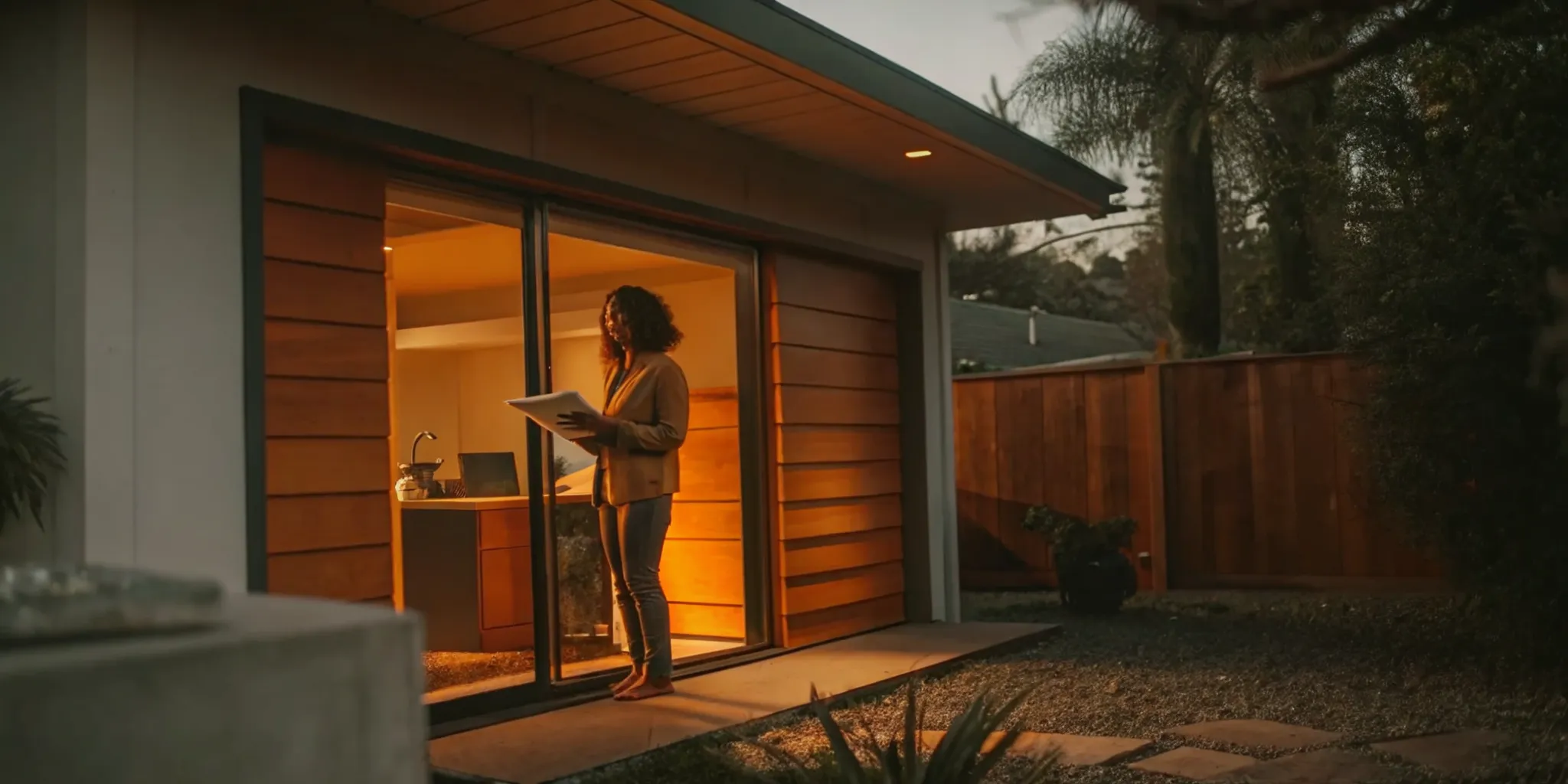
Finding the right builder for your Bay Area ADU is a huge step. This is the partner who will bring your vision to life, so it’s crucial to choose someone you trust completely. A great builder does more than just construct the unit; they guide you through complex permits, manage timelines, and keep the project on budget. But with so many options out there, how do you find "the one"? It comes down to doing your homework and knowing what to look for. At Realm, we connect homeowners with a network of vetted local professionals to make this process easier. Let's walk through the key factors to consider, from verifying credentials to ensuring you have a clear line of communication.
Check for Licenses, Insurance, and Permit Know-How
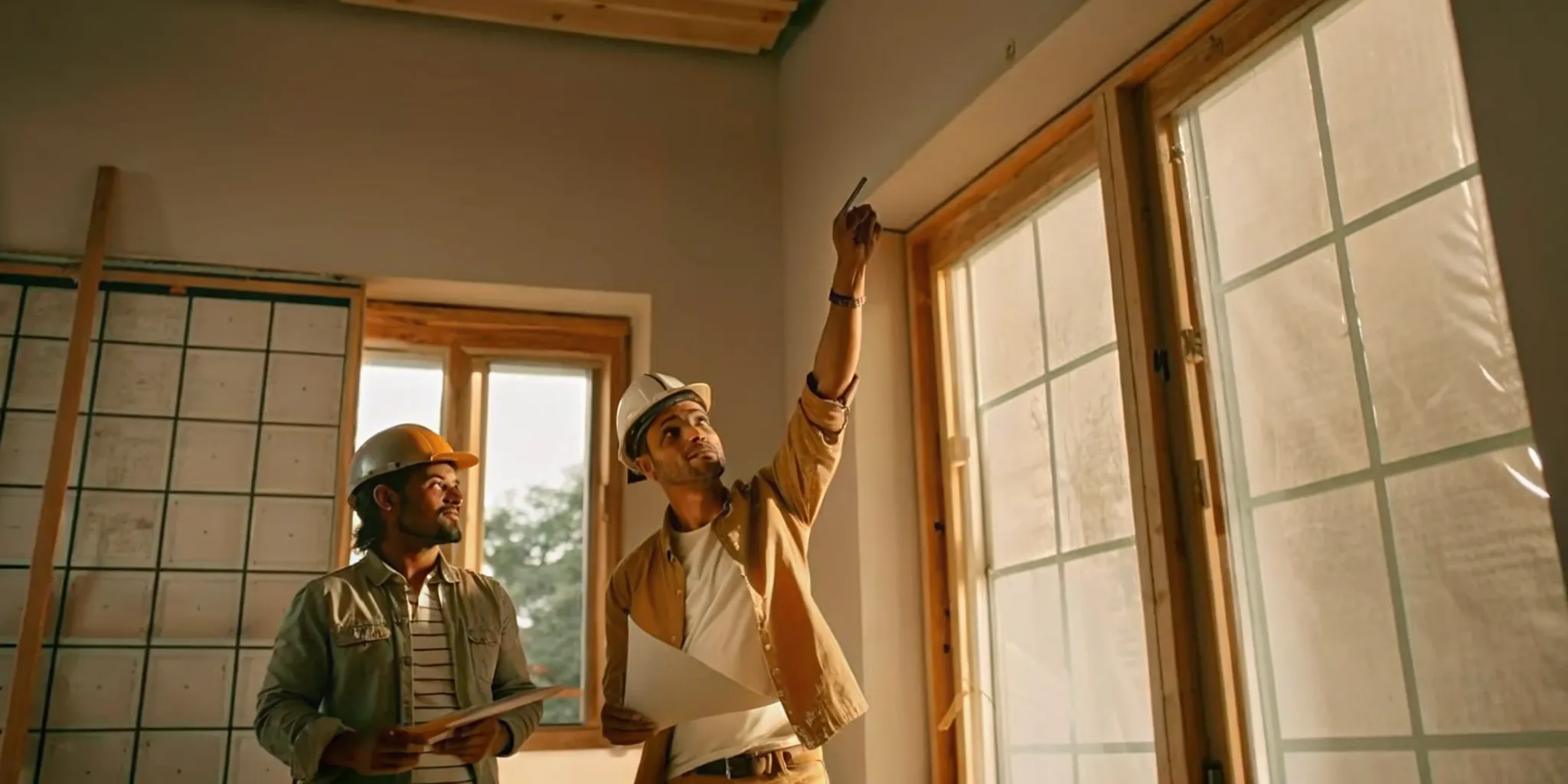
Before you fall in love with a builder’s portfolio, do a background check. The first step is to confirm they have a valid California contractor's license and are fully insured with both liability and workers' compensation coverage. This protects you from any accidents or property damage during construction. You can easily verify a license on the CSLB website. Beyond the basics, a great Bay Area builder will have deep knowledge of local zoning codes and permitting processes, which can vary significantly from San Jose to Oakland. A builder with a strong track record of getting permits approved in your specific city will save you countless headaches and delays.
Decide Between Full-Service and Partial-Service
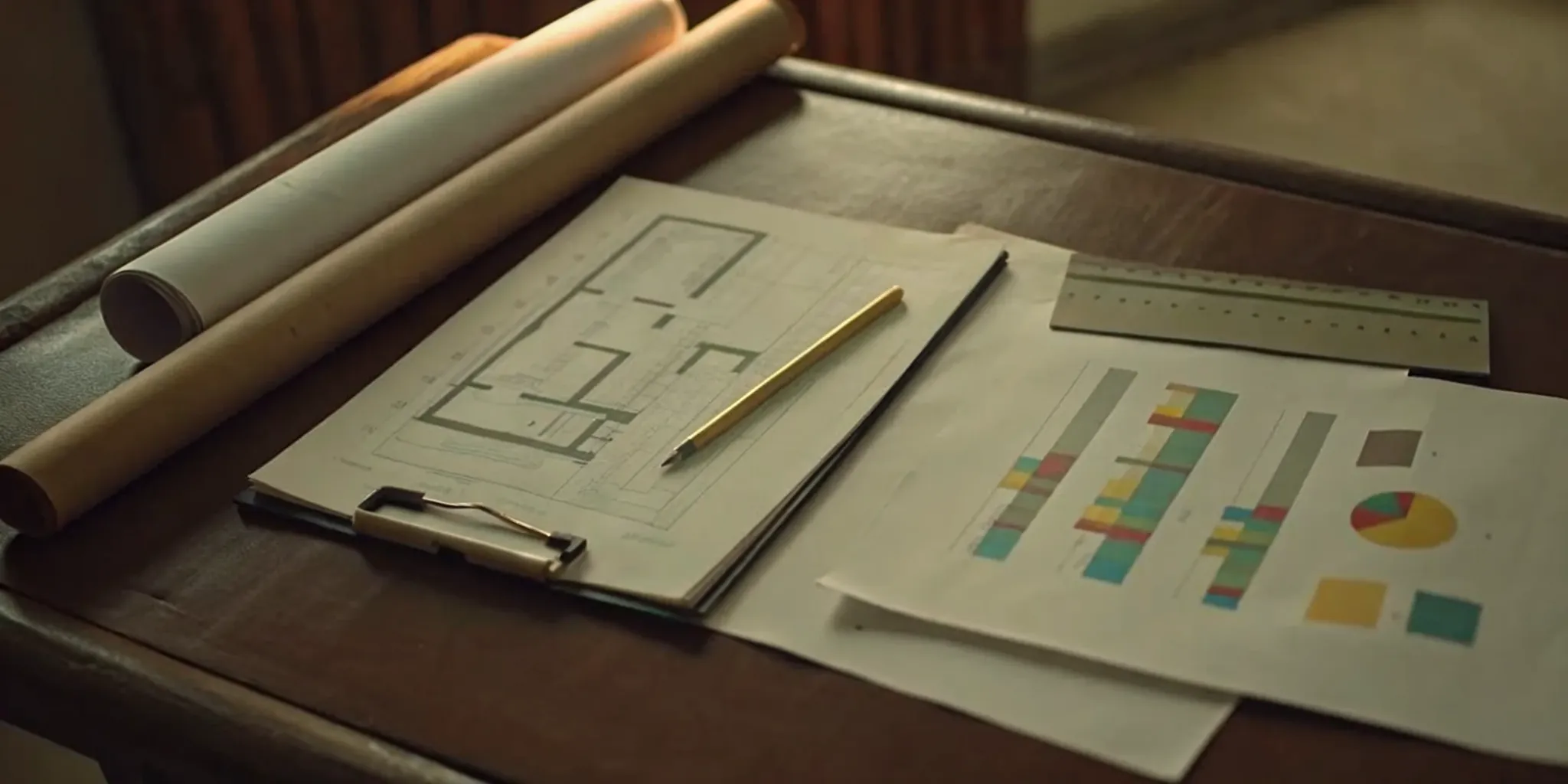
You’ll generally encounter two types of builders: full-service and partial-service. A full-service firm, often called a design-build company, handles the entire project from start to finish. This includes architectural design, engineering, navigating the permit process, and all phases of construction. For many homeowners, this is the most straightforward path because you have a single point of contact managing everything. Alternatively, you can hire an architect and a general contractor separately. This partial-service route can offer more control over the design, but it also means you become the project manager, coordinating between different teams. Think about how hands-on you want to be before deciding which approach fits you best.
Prioritize Clear Communication and Transparent Pricing
A successful project runs on clear communication. During your initial conversations, pay attention to how a builder responds to your questions. Are they prompt, respectful, and easy to understand? The best builders often use project management tools to provide regular updates and keep you in the loop. Just as important is price transparency. You should receive a detailed, itemized contract that clearly outlines all costs. Be wary of bids that seem too good to be true or lack specifics. A trustworthy builder will be upfront about what’s included and explain how potential changes or overages will be handled, helping you maintain a realistic budget from day one.
Learn to Spot the Red Flags
Knowing what to watch out for is just as important as knowing what to look for. Be cautious of any builder who pressures you to sign a contract immediately or asks for a large cash deposit upfront. California law limits down payments to 10% of the contract price or $1,000, whichever is less. Other red flags include a lack of professional references, no physical office address, or evasive answers to your questions. A reliable builder will have a portfolio of completed projects and a list of past clients you can speak with. Trust your gut; if something feels off, it probably is.
Prefab or Custom-Built: Which ADU Is Right for You?
Choosing between a prefabricated and a custom-built ADU is one of the first big decisions you'll make. There’s no single right answer; the best path depends entirely on your priorities for budget, timeline, and design. One approach offers speed and cost predictability, while the other provides complete creative control. Understanding the fundamental differences will help you decide which type of ADU, and which type of builder, is the right fit for your property and goals.
What is a prefab ADU?
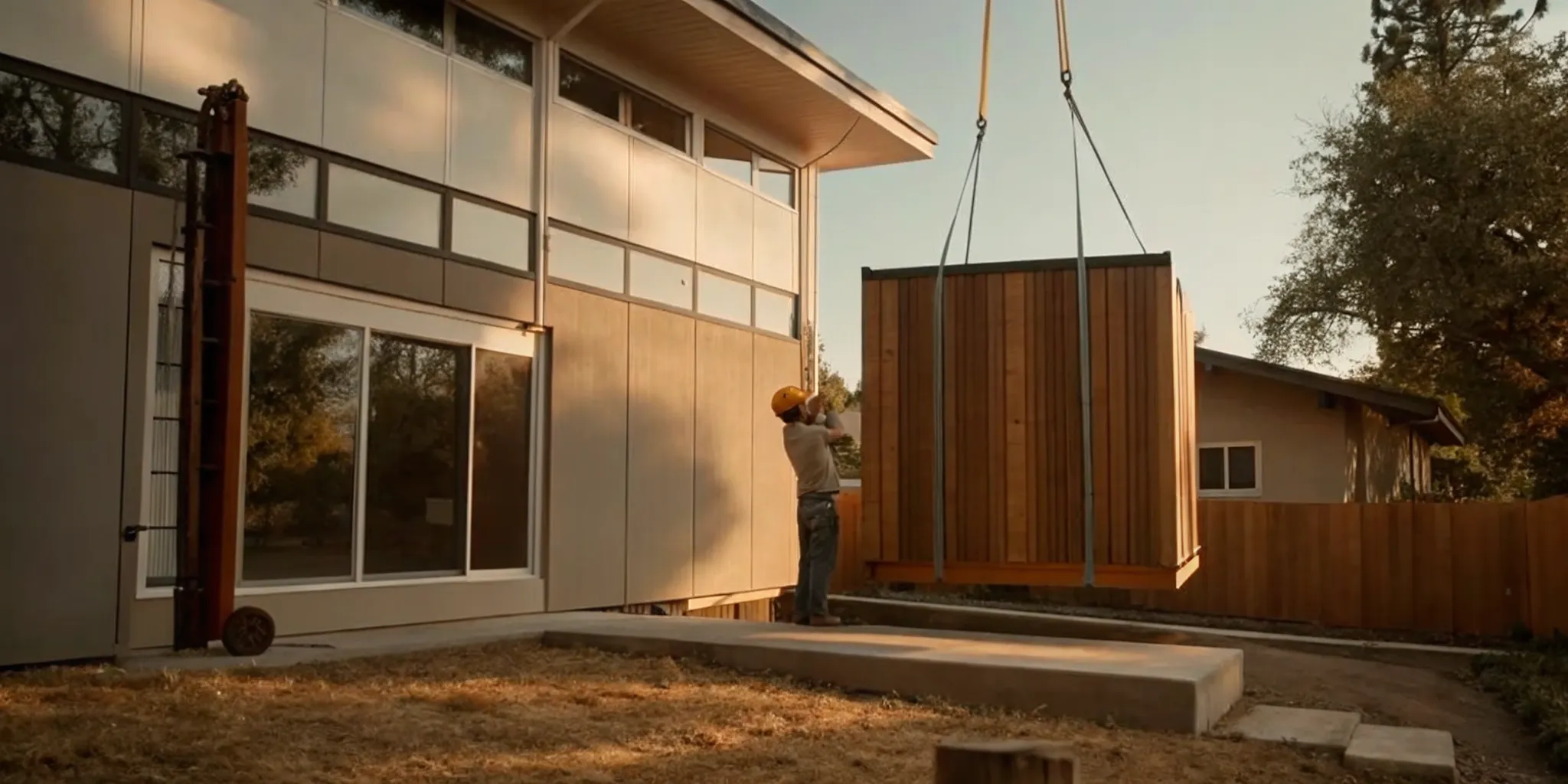
Prefabricated ADUs, sometimes called modular ADUs or granny flats, are small homes constructed in a factory setting. The entire structure is built off-site under controlled conditions, which minimizes weather delays and streamlines production. Once complete, the finished unit is transported to your property and installed on a prepared foundation. This method is known for its efficiency. Companies like Abodu specialize in this process, delivering complete homes that are ready for move-in much faster than a traditional build.
What is a custom-built ADU?
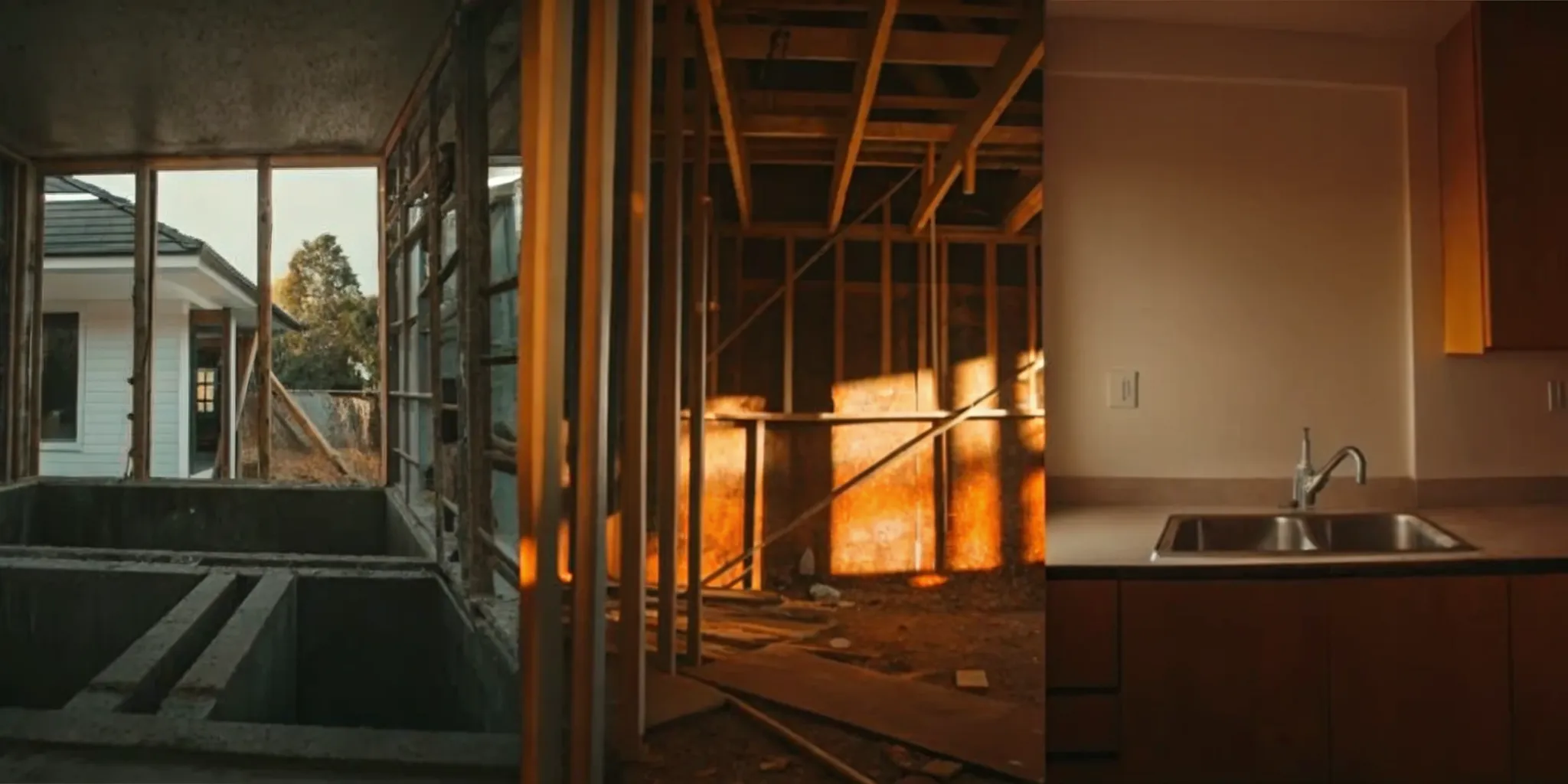
A custom-built ADU, also known as a stick-built ADU, is constructed on your property from the ground up, just like a traditional home. This process involves pouring a foundation, framing walls, and finishing the interior and exterior on-site. The main advantage of a custom build is design freedom. You work with a designer or architect to create a unique floor plan and select every finish, from the siding to the faucets. Builders like Acton ADU offer a range of services, from ready-to-build plans to fully custom designs, giving you total control over the final product.
Comparing Speed and Cost
When it comes to speed, prefab ADUs have a clear advantage. Because they are built in a factory while the on-site foundation work is happening simultaneously, the total project timeline can be significantly shorter. Some prefab ADUs can be installed in as little as six months from start to finish. Custom builds take longer, as each phase of construction happens sequentially on-site. Prefab units also tend to be more affordable. While a custom ADU in the Bay Area can cost $500,000 or more, a prefab model often provides a more predictable and lower price point, making it an accessible option for many homeowners.
Weighing Design Flexibility and Long-Term Value
The biggest draw of a custom-built ADU is its limitless design flexibility. You can create a space that perfectly matches the architecture of your main house, fits an unusual lot shape, or includes specific features tailored to your needs. While prefab ADUs have more limited design options, many builders offer a variety of models and finish packages to choose from. In terms of long-term value, both types of ADUs can provide a strong return on investment by adding square footage and potential rental income. The key is to focus on quality construction and a thoughtful design, whether it’s custom or prefab.
What Does It Cost to Build a Bay Area ADU?
Let's talk about the big question on every homeowner's mind: what is this actually going to cost? The honest answer is, it varies. Building an accessory dwelling unit (ADU) in the Bay Area is a significant investment, and the final price tag depends on everything from size and materials to the city you live in. While online estimates can give you a ballpark idea, getting a clear picture of your specific project requires a more personalized approach.
Thinking about the cost in terms of cost per square foot, comparing prefab and custom options, and accounting for often-overlooked expenses will help you create a realistic budget. It’s a lot to consider, but understanding the moving parts is the first step to making your ADU project a reality. At Realm, we help homeowners create these detailed budgets every day, ensuring there are no surprises down the line.
Breaking Down the Cost Per Square Foot
You’ll often hear construction costs discussed in terms of price per square foot. In the Bay Area, this number can be steep. Some high-end custom projects can run upwards of $600 per square foot. For a 700-square-foot ADU, that adds up to $420,000 in construction costs alone. It’s a sobering figure, but it’s important to remember this is just one metric.
This cost-per-square-foot number typically covers the structure itself, including labor and materials. What it often doesn’t include are "soft costs" like design fees, engineering, and city permits, which can add a significant amount to your total budget. Think of the per-square-foot price as a starting point for a conversation, not the final word on your total investment.
Prefab vs. Custom: A Price Comparison
The type of ADU you choose to build will have the biggest impact on your budget. A custom-built, or stick-built, ADU is designed from scratch and constructed entirely on your property. This offers maximum flexibility but comes at a premium, with some projects easily exceeding $500,000.
In contrast, a prefabricated ADU is built in a factory and then delivered to your site. This streamlined process significantly cuts down on labor costs and construction time. According to one study, the average cost for a prefab ADU in Northern California is around $177,500. While you’ll have less design flexibility than with a custom build, the cost savings make prefab a very attractive option for many homeowners. Your final decision will depend on your priorities for both budget and design.
Uncovering Potential Hidden Costs
A realistic budget is one that accounts for more than just construction. Many homeowners are surprised by the "soft costs" and site-specific expenses that can add up. It’s critical to have these on your radar from the very beginning to avoid going over budget later.
Common costs that can fly under the radar include:
- Permit and impact fees: These vary by city and can range from a few thousand to tens of thousands of dollars.
- Site preparation: This includes things like grading your yard, running utility lines (water, sewer, electric), and pouring a foundation.
- Design and engineering: You'll need plans from an architect or designer and structural engineering reports.
- Landscaping and finishes: Don't forget to budget for making the exterior presentable and for any high-end finishes you want inside.
An experienced Realm advisor can help you identify these potential costs upfront for a more accurate and reliable project budget.
Understanding the Impact on Your Property Taxes
Building an ADU will increase your property's value, and with it, your property taxes. But don't let that scare you. In California, your entire property is not reassessed when you add an ADU. Instead, the county assessor will only assess the value of the new unit, and your tax bill will be adjusted accordingly.
Think of it this way: you’re building significant equity. The value the ADU adds to your property is almost always far greater than the cost to build it. Plus, if you plan to rent out your new unit, the monthly income can easily cover the modest tax increase, your mortgage payment on the project, and then some. This is one of the key reasons why ADUs are such a smart financial investment for homeowners.
How Long Does It Take to Build a Bay Area ADU?
Building an ADU is an exciting project, but it’s definitely a marathon, not a sprint. The total timeline from initial sketches to handing over the keys can vary quite a bit. It all breaks down into three main phases: design, permitting, and construction. While every project is unique, understanding the typical timeline for each stage helps you set realistic expectations. Knowing what’s ahead is the best way to prepare for a smooth and successful build.
The Permitting and Design Timeline
This initial phase is often the most unpredictable part of the journey. After you finalize your ADU design, your plans head to the local city planning department for approval. According to the California Department of Housing and Community Development, the permitting process can take anywhere from three to six months on average. In some Bay Area municipalities with more complex local rules, this can stretch even longer. This timeline accounts for the city's review period, potential requests for revisions, and any backlog they might be experiencing. It can feel like a long wait, but getting this official green light is a critical step that ensures your ADU is safe, legal, and built to code.
How Construction Timelines Differ by ADU Type
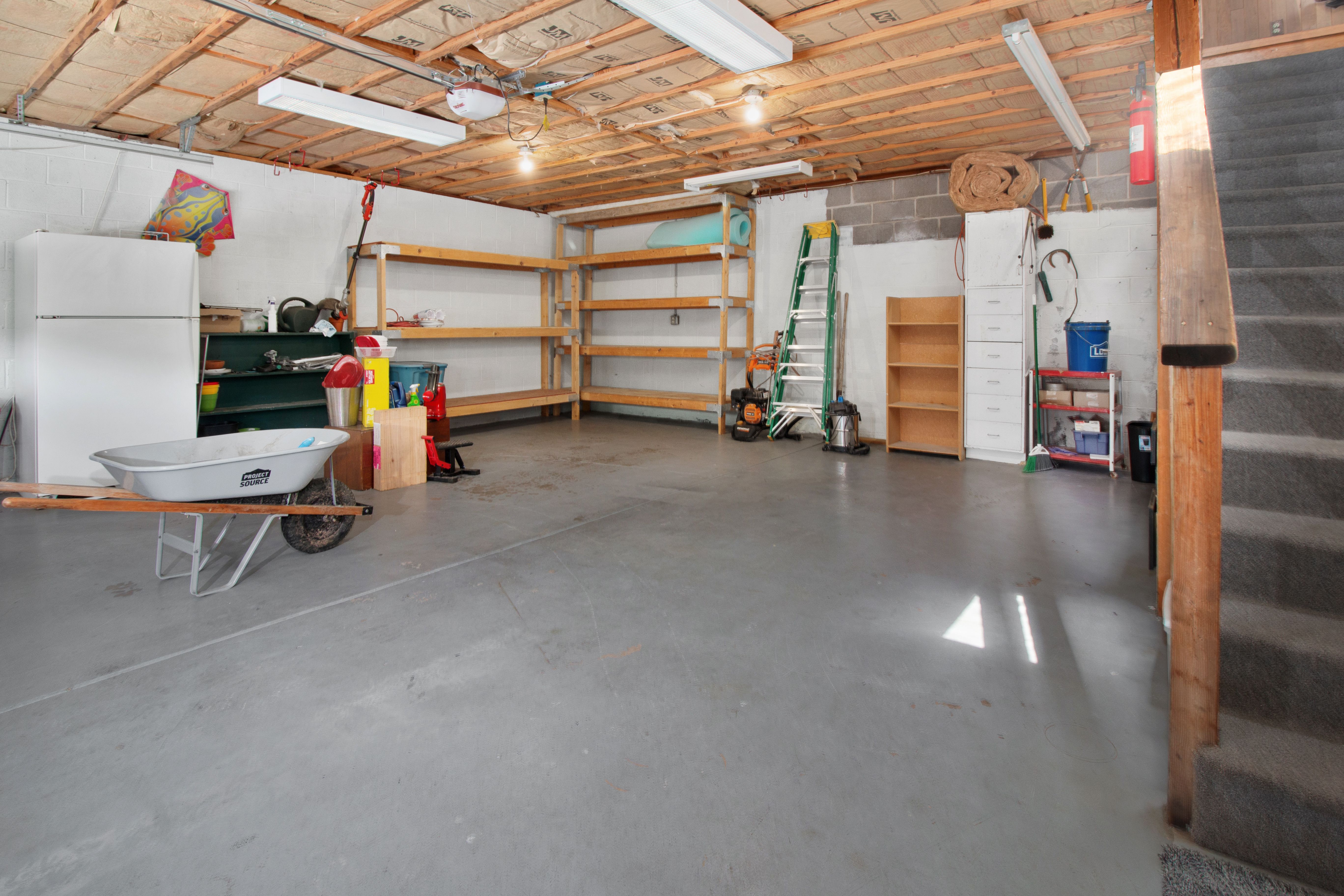
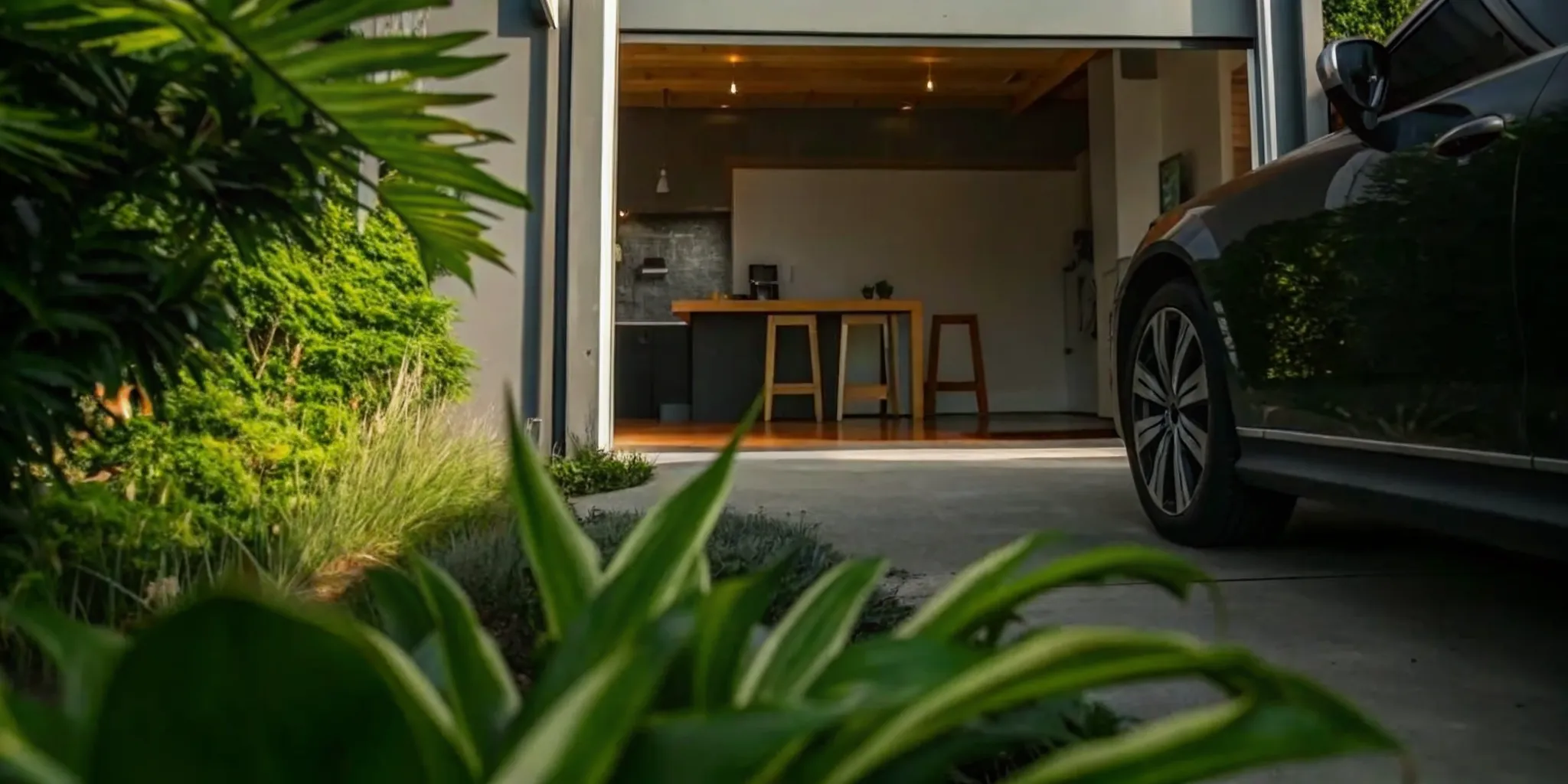
Once you have your permits in hand, the construction timeline depends heavily on the type of ADU you’re building. A brand new, detached ADU in your backyard will generally take the longest, typically between six and twelve months. This is because it requires a new foundation, separate utility connections, and building a structure from the ground up. An attached ADU, which shares a wall with your main house, can be a bit quicker, often taking four to eight months. Garage conversions can sometimes be the fastest option, but the timeline depends on the condition of the existing structure and the extent of the work needed to make it a comfortable living space.
How to Avoid Common Delays
While you can’t control the weather or global supply chains, you can take steps to prevent common project delays. The single most important thing you can do is hire an experienced team. Working with a builder who is an expert in your specific city’s codes can save you from months of back-and-forth with the planning department. A study from Harvard's Joint Center for Housing Studies highlights that a knowledgeable contractor is key to avoiding misunderstandings and costly mistakes. At Realm, we connect you with a network of vetted professionals who know the local landscape inside and out, helping you keep your project on track from day one.
How to Find and Vet Your ADU Builder
Finding the right builder is arguably the most important decision you’ll make for your ADU project. The right partner makes the process feel smooth and exciting, while the wrong one can lead to delays, budget issues, and a lot of stress. It’s not just about finding someone who can build; it’s about finding a professional who communicates clearly, understands your vision, and has a solid track record in your area. Taking the time to properly vet your builder sets the foundation for a successful project from start to finish. Think of it as hiring a key team member for a major life event, because that’s exactly what it is. These steps will help you find a trustworthy and skilled builder for your Bay Area ADU.
Start with a Vetted Professional Network
A great place to begin your search is with a vetted professional network. Companies and platforms that offer this service have already done the initial heavy lifting for you. They typically pre-screen builders, checking for proper licensing, insurance, and a history of quality work. This saves you from the initial anxiety of sorting through countless online search results. Using a service that connects you with vetted professionals means you’re starting with a pool of candidates who have already met a baseline standard for quality and reliability. It’s a smart way to build a shortlist of builders you can feel confident about contacting.
Ask for Referrals from Friends and Neighbors
Don’t underestimate the power of a good old-fashioned referral. Talk to friends, family, coworkers, and neighbors who have built an ADU or completed a major renovation. Hearing about their firsthand experiences is incredibly valuable. They can give you the honest truth about a builder’s communication style, professionalism, and the quality of their work. As one homeowner put it, it can be tough to find a contractor who feels trustworthy and knows how to handle all the local red tape. A personal recommendation from someone you trust can be the most reliable lead you get.
Research Online Directories and Reviews
Once you have a few names, it’s time to do some online research. Check out builders on review sites like Yelp, Houzz, and Google. When you read reviews, look for patterns. Are multiple clients praising the builder's clear communication and on-time delivery? Or are there repeated complaints about surprise costs and messy job sites? Don’t just look at the star rating; read the actual comments to understand the context. A few negative reviews aren’t always a dealbreaker, but they can give you an idea of what questions to ask when you speak with the builder directly.
Key Questions to Ask Every Potential Builder
Before you sign any contracts, you need to interview your top candidates. Prepare a list of questions to ask every potential builder so you can compare them fairly. Start with the basics: Are you licensed and insured in California? How many ADUs have you built in the Bay Area? Can you provide a list of recent projects and client references? Dig deeper by asking about their process for handling permits and inspections. A crucial question, inspired by another homeowner's journey, is asking references what to watch out for and, most importantly, if they would hire the builder again. Their answer will tell you almost everything you need to know.
Related Articles
- How to Get an ADU Approved: A Step-by-Step Guide
- How Long Does an ADU Permit Take? A County-by-County Guide for Bay Area Homeowners
- Find a General Contractor Bay Area: The Complete Guide
- The 500 Sqft Threshold: Why It's the Most Popular ADU Size in California
- The Real Cost to Build an ADU in San Diego
Frequently Asked Questions
What's a realistic all-in budget for a Bay Area ADU? A realistic budget includes much more than just the construction itself. While a prefab ADU might have a base cost under $200,000 and a custom build can easily surpass $400,000, your true total will also include "soft costs." You need to plan for city permit fees, design and engineering plans, and the cost of preparing your property, which involves things like grading the land and connecting utilities. A good rule of thumb is to add a significant buffer on top of the construction estimate to cover these essential expenses.
Why does the permitting process take so long? The permitting phase is often the longest and most unpredictable part of the project because it's not a simple approval. Your local city planning department has to meticulously review every detail of your project to ensure it complies with zoning laws, building codes, and safety regulations. Each city in the Bay Area has its own unique rules and review timelines, and departments are often handling a high volume of projects. This is why working with a builder who has deep experience in your specific city can be a huge advantage.
Should I choose a prefab ADU just to save money? While prefab ADUs are generally more affordable and faster to build, the decision is more about your personal priorities than just cost. Prefab is a fantastic option if your main goals are a predictable budget and a quick timeline. However, if you have a uniquely shaped lot, want to perfectly match the architecture of your main home, or have a very specific vision for the layout and finishes, a custom build is likely a better fit. It's a trade-off between cost-effectiveness and complete design freedom.
What's the difference between a design-build firm and just hiring a general contractor? Think of a design-build firm as your all-in-one project partner. They handle everything from the initial architectural design and engineering to the final construction, giving you a single point of contact for the entire process. Alternatively, you can hire an architect to create your plans and then hire a separate general contractor to build them. This route can offer more creative control, but it also means you are responsible for managing the communication and coordination between the two separate teams.
My builder's quote seems reasonable, but what other costs should I plan for? The builder's quote typically covers the direct construction, often called "hard costs." It's crucial to also budget for the "soft costs" that come before and during the build. These include the fees for your architectural or design plans, structural engineering reports, and all the city permit and impact fees, which can vary dramatically. You also need to account for site preparation costs, such as connecting water, sewer, and electrical lines to the new unit. Factoring in these expenses from the start is key to keeping your project on budget.