How to Meet ADU Requirements in Los Angeles County
Get clear, actionable steps for meeting ADU requirements Los Angeles County homeowners need to know, from permits to design and parking rules.
|
May 15, 2026

In this article:
An ADU is more than just extra space; it’s a smart financial asset that can generate rental income and significantly increase your property value. But to realize that return on investment, you first have to build it correctly. The first step in that process is understanding the specific rules of the game in your area. This is where many homeowners get stuck, unsure of where to even begin. We’re here to help you clear that first hurdle. This article demystifies the essential ADU requirements Los Angeles County has put in place, and even points you toward grants and loans that can make your project more affordable. Consider this your financial and logistical starting point.
Key Takeaways
- Plan around LA County's flexible rules: Your project is more feasible than you might think thanks to generous size limits (up to 1,200 sq ft), minimal four-foot setbacks, and common parking exemptions for properties near transit. Understanding these basics is your first step.
- Follow the county's clear approval path: LA County provides a step-by-step process for getting your ADU permitted. Start by confirming eligibility on the Z-NET tool, then submit your plans (pre-approved or custom) through the EPIC-LA portal to begin the official review.
- Fund your project with grants and get expert help: Don't let costs or complexity stop you. Apply for financial aid like the CalHFA grant, which offers up to $40,000 for initial expenses, and partner with an expert advisor who can manage the entire process for you, from budgeting to finding contractors.
What is an ADU? Your Options in LA County
Thinking about adding more living space to your property? An Accessory Dwelling Unit, or ADU, might be the perfect solution. They're a popular way to create room for family, generate rental income, or build a dedicated home office. In Los Angeles County, you have a couple of different paths you can take depending on your property, budget, and goals. Let's walk through your main options: the standard ADU and the more compact Junior ADU (JADU).
Standard ADUs
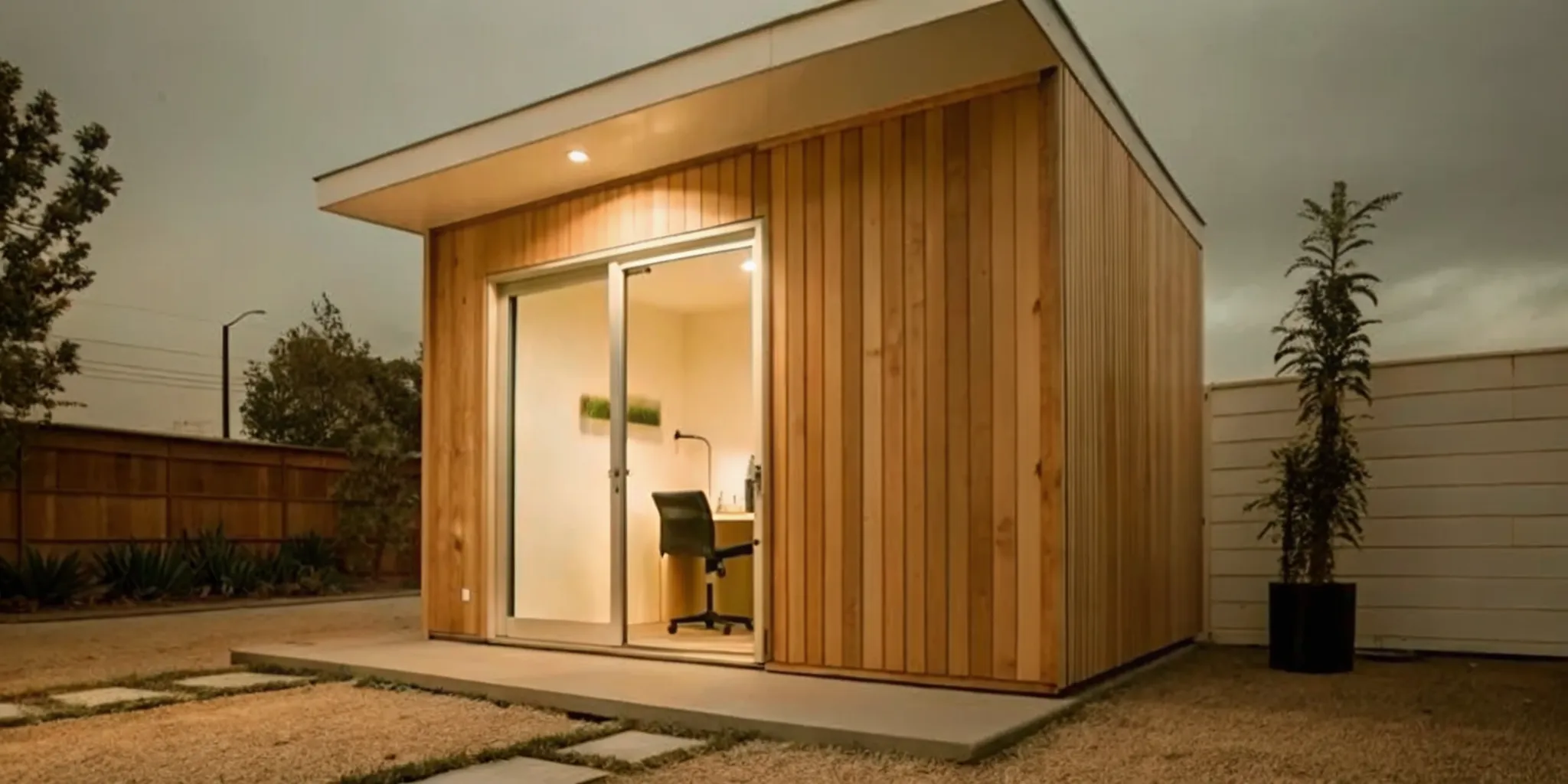
A standard ADU is essentially a small, self-contained home built on the same lot as your main house. LA County defines an Accessory Dwelling Unit as a home with its own kitchen and bathroom. You might hear them called 'granny flats' or 'second units,' and they can either be attached to your main house (like a converted garage) or built as a completely separate, detached structure in your backyard. For detached units, you can generally build up to 1,200 square feet with a height limit of 25 feet, as long as you maintain 4-foot setbacks from your side and rear property lines. This gives you plenty of space to create a comfortable one or two-bedroom home.
Junior ADUs (JADUs)
If you're working with a smaller space or budget, a Junior ADU, or JADU, is a fantastic option. A JADU is a smaller unit, capped at 500 square feet, that is created within the existing walls of your main house. Think of converting a spare bedroom or a section of your home into its own living space. One of the key requirements for a JADU is that it must have its own separate exterior entrance. To help save on costs and complexity, a JADU can share a bathroom with the main house, though it still needs its own efficiency kitchen. This makes it a more streamlined and affordable way to add a functional unit to your property.
What Are LA County's ADU Requirements?
Looking at local building codes can feel like a huge task, but it’s helpful to think of them as a roadmap for your project. California has passed laws to make building an ADU easier, and Los Angeles County has its own set of rules to ensure these new homes are safe and well-integrated into our neighborhoods. Understanding these requirements is the first step to a smooth and successful build. The good news is that the regulations are more flexible than ever, opening up possibilities for homeowners across the county.
The main things you need to get familiar with are the rules around size, placement on your property, height, and a few other practical details like fees and utilities. It might seem like a lot, but each rule is there for a reason. Getting these details right from the start will save you time and headaches down the road. Having a clear plan that meets all the requirements is essential, which is why many homeowners choose to work with an expert who knows the ins and outs of the local process. Let’s break down the key requirements you’ll need to meet.
Maximum square footage
When it comes to size, LA County gives you a good amount of space to work with. For a new, detached ADU, you can build up to 1,200 square feet. That’s plenty of room for a comfortable two-bedroom home, perfect for a rental unit or family members. If you’re considering a Junior ADU (JADU), which is created within your existing home’s walls, the maximum size is 500 square feet. This is ideal for a simple studio space. For attached ADUs, the size is generally limited to 50% of the main house's square footage, ensuring the new addition remains proportional. The county's official ADU guidelines offer more specifics on how these sizes are calculated.
Setback rules
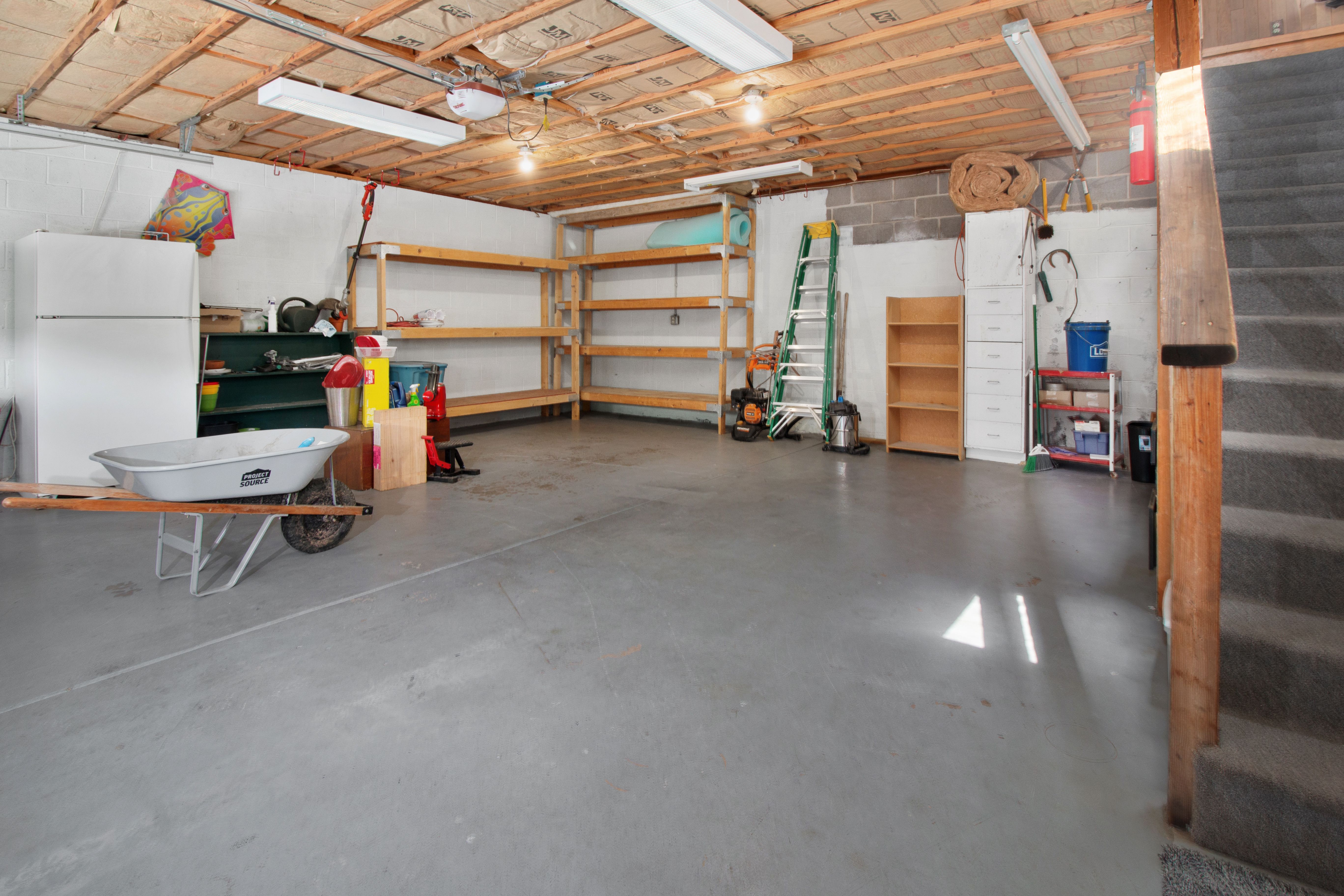
Setbacks are the required distance between a structure and your property lines. In the past, large setback requirements made it impossible for many homeowners to build. Thankfully, the rules have changed significantly. In LA County, most new ADUs only need a four-foot setback from the side and rear property lines. This opens up a world of possibilities for properties of all shapes and sizes. Even better, if you’re converting an existing, permitted structure like a garage into an ADU, you can typically keep its existing footprint, even if it’s right on the property line. This is a huge advantage that you can read more about in the county's ADU summary.
Height restrictions
Height limits for ADUs in LA County are designed to be flexible while respecting neighborhood character. A new, detached ADU can generally be up to 25 feet tall. This is a key detail because it often allows for a two-story design, which is a fantastic way to maximize living space on a smaller footprint. For an ADU that is attached to your primary home or created from a conversion, the height is typically limited to 16 feet, or the height of the existing structure. This is usually more than enough for a single-story unit with comfortable ceiling heights. These rules ensure your new ADU fits in while still giving you design freedom.
Impact fees and utility considerations
One of the biggest financial hurdles in construction can be impact fees, which cities charge to offset the cost of public services. However, for ADUs, there’s great news: if your unit is under 750 square feet, you are exempt from these fees in LA County. This can save you thousands of dollars. On the utility front, you’ll need to plan for water, sewer, and electricity. You can often tie into your main home’s utilities, but sometimes a separate connection is needed. It’s also important to know that according to California law, any new, detached ADU must have its own solar panel system. The Los Angeles Department of Building and Safety provides a helpful overview of these requirements.
Do You Need Parking for Your LA County ADU?
Figuring out parking is one of those practical hurdles that can feel a little daunting when you're planning an ADU. You might be wondering if you need to pave over your beloved garden or give up your garage just to meet the requirements. The short answer is: maybe, but often not! Los Angeles County has specific rules about parking for accessory dwelling units, but it also has some very helpful exceptions. Let's walk through what you need to know to see where your project falls.
When parking is required
As a general rule, Los Angeles County requires you to have one dedicated parking space for your new ADU. This is in addition to the parking you already have for your main house. According to the county's official ADU guidelines, "1 space per unit is required" unless you qualify for an exemption. This space doesn't necessarily have to be covered; it can be an uncovered spot on your driveway, potentially in a tandem configuration. The goal is simply to ensure your property can accommodate the additional vehicle without impacting street parking. Thinking through this early can help you create a site plan that works for both your family and your future tenants or guests.
When parking requirements are waived
Now for the good news. Many homeowners in LA County can get this parking requirement waived. The most common exemption is for properties located near public transportation. The county's guidelines state that "parking is often waived if the ADU is located within 0.5 miles of public transit." This half-mile radius is measured as walking distance, so it’s worth pulling up a map to check your proximity to the nearest bus stop or train station. This rule is a game-changer for properties in denser, more walkable neighborhoods. Figuring out if you qualify for this or other exemptions is a key part of the initial planning process. A dedicated advisor can help you verify your property's eligibility and handle all the local requirements.
How to Get Your ADU Approved in LA County
Getting your ADU project off the ground in Los Angeles County involves a clear, multi-step approval process. While it might seem like a lot of red tape at first glance, the county has actually created a structured path to help homeowners like you succeed. Think of it as a roadmap for your build: you start by confirming your property is eligible, then you create your design, submit your application, and finally, get the green light from the necessary departments. Each step is designed to ensure your new ADU is safe, compliant with local regulations, and a valuable addition to your property for years to come.
The good news is that LA County provides several online tools and resources to make this journey smoother. By following these steps, you can confidently move your project from an idea to a fully permitted reality. And remember, you don't have to do it alone. The permitting process can have its own unique challenges, and having an expert guide you through it can make all the difference. A dedicated Realm advisor can help you manage these steps from start to finish, ensuring you have everything you need for a successful submission and can anticipate any potential hurdles before they become roadblocks.
Step 1: Check your zoning and eligibility with the Z-NET tool
Before you get too far into planning, your first stop should be the county’s Zoning and Information Map, or Z-NET. This online tool is essential for confirming that your property is located in an unincorporated area of LA County and understanding the specific zoning rules that apply to you. Simply enter your address, and the tool will tell you if you’re eligible to build an ADU. It also provides critical details about your property’s specific regulations, which will influence your design choices later on. Using the Z-NET tool is a non-negotiable first step that saves you time and potential headaches down the road.
Step 2: Choose or create your ADU plans
Once you’ve confirmed your eligibility, it’s time for the fun part: deciding what your ADU will look like. You have two main paths here. To simplify and speed up the process, you can use LA County’s Standard ADU Plans Program. These are pre-approved designs that can significantly cut down on your review time. Alternatively, if you have a specific vision in mind, you can work with an architect or designer to create custom plans. This gives you complete creative control over the layout and style, ensuring the final space perfectly fits your needs. Realm can connect you with vetted professionals who specialize in ADU design to bring your unique vision to life.
Step 3: Submit your application through the EPIC-LA system
With your plans in hand, you’re ready to officially submit your application. LA County uses an online portal called EPIC-LA (Electronic Permitting and Inspections) to manage all submissions. You’ll need to gather your complete set of documents, which typically includes architectural drawings, structural plans, and Title 24 energy compliance forms. Uploading everything through the EPIC-LA system kicks off the formal review process. Make sure all your documents are finalized and correctly formatted before you submit, as a complete and accurate application is the key to keeping your project moving forward without delays.
Step 4: Get approvals from Planning and Building & Safety
After you submit your application, it will be reviewed by two primary county departments. First, the Planning Department will check your plans against zoning rules, like setback requirements and height restrictions. Once they give their approval, your application moves to Public Works and Building & Safety. This department conducts a more technical review to ensure your ADU design complies with all building codes for structural integrity, fire safety, and energy efficiency. This two-part review ensures your ADU is not only legally compliant but also safe to build and live in. This is often where having an expert on your side is most valuable for handling any feedback or required changes.
Speed Up Your Project with Pre-Approved Plans & Resources
Getting your ADU project off the ground can feel like a marathon of paperwork and approvals. The good news is that LA County provides several resources designed to make the process faster and more straightforward. Taking advantage of these tools can save you significant time and help you avoid common pitfalls. Think of them as your official cheat sheets for getting your ADU built with fewer headaches. From pre-designed plans to expert advice, here’s how you can streamline your project from the very beginning.
LA County's Standard ADU Plans Program
If you want to get a major head start, look into LA County's Standard ADU Plans Program. This initiative offers a selection of ready-to-use ADU building plans to the public, completely free of charge. The biggest advantage? These plans have already been reviewed and approved by the county. This means you can skip a huge portion of the typical design and review timeline. It’s an incredible resource that simplifies one of the most time-consuming parts of the process, letting you move forward with confidence and speed.
Using the expedited plan check submittal checklist
To ensure your application sails smoothly through the review process, you’ll want to use the Expedited Plancheck Submittal Checklist. You can get this handy document from the Building & Safety department. It clearly lists every single document and detail you need to include with your ADU plans. By carefully following this checklist, you can make sure your submission is complete and correct the first time around. This simple step helps you avoid unnecessary delays and keeps your project on track, preventing the frustrating back-and-forth that can happen with incomplete applications.
Virtual counseling and other support resources
Even with all the right documents, you might still have questions. That’s where LA County’s support resources come in. The county offers virtual counseling sessions for homeowners who need a little extra guidance. This is your chance to talk directly with a professional who can clarify complex regulations and answer specific questions about your project. It’s an invaluable opportunity to get expert advice straight from the source. You can find more information about these sessions and other helpful tools on the Building and Safety ADU website.
How to Fund Your ADU: Grants and Loans for LA Homeowners
Figuring out the budget is a huge part of any home project, and an ADU is no different. The good news is that California and many LA-area cities want to make it easier for homeowners like you to build. Because ADUs help with the local housing supply, several programs exist to give you a financial hand. From grants that cover initial expenses to low-interest loans, you have options that can make your ADU project much more affordable. Exploring these programs is a smart first step before you dip into your own savings. Let’s walk through some of the best funding resources available to Los Angeles homeowners.
The CalHFA ADU Grant Program (up to $40,000)
The California Housing Finance Agency (CalHFA) offers a fantastic grant that can seriously lighten the financial load of starting your ADU project. The CalHFA ADU Grant Program provides up to $40,000 to help you cover pre-development costs. Think of things like site prep, architectural designs, permits, and soil tests. These are the necessary (and often expensive) steps you have to take before construction even begins. This grant reimburses you for those costs, freeing up your cash for the build itself. It’s designed to help homeowners overcome that initial financial hurdle and get their projects off the ground.
Low-interest loans through Neighborhood Housing Services
If your income is on the lower side, don't let that stop you from considering an ADU. Neighborhood Housing Services of Los Angeles County (NHS) provides low-interest loan options specifically to help finance ADU construction. This initiative is all about making property development and homeownership more accessible for everyone in the community, regardless of financial barriers. By offering financing that’s more affordable than a traditional loan, NHS helps empower more homeowners to build ADUs, whether it’s for family or to generate rental income. It’s definitely worth looking into if you meet the income requirements.
Local city incentives and fee waivers
Beyond statewide programs, your local city hall might be your best friend in the ADU funding journey. California law requires cities to create plans that promote the development of ADUs, especially units that can be rented affordably. To meet this goal, many cities across Los Angeles County offer their own unique incentives. These can include waiving expensive permit and development fees, offering an expedited review process, or providing other financial perks. Since these programs vary from city to city, it’s a great idea to check your specific city’s website or contact their planning department to see what incentives you can take advantage of.
Build Your LA County ADU with Confidence
Getting your ADU plans approved is a major milestone, but it’s just the beginning of your construction journey. The next phase is all about execution, and having the right team in your corner is essential for turning those plans into a beautiful, functional space. With a solid support system, you can move forward with your project knowing that the details are being handled by experts. This allows you to focus on the exciting parts of building your new unit.
Find vetted ADU contractors in Los Angeles
Starting an ADU project feels big, but finding the right builder is half the battle. You want someone who not only does great work but also knows the ins and outs of building in LA County. A contractor with local ADU experience will be familiar with specific permitting processes and inspection schedules, which helps your project run smoothly and avoid costly delays. They understand the nuances of local building codes and can offer practical advice on your design. Realm connects homeowners with a network of vetted local professionals, so you can be sure you’re working with a qualified team that’s right for your project and your budget.
Work with a dedicated advisor from start to finish
Even with a great contractor, managing an ADU build can feel like a full-time job. Juggling timelines, budgets, and decisions is a lot for any homeowner to handle. This is where having a dedicated project advisor makes all the difference. Think of them as your personal guide for the entire renovation, from initial design ideas to the final walkthrough. Your advisor ensures everything stays on track, answers your questions, and helps you make informed choices without the stress. At Realm, we provide you with a dedicated advisor to coordinate every detail, giving you a single point of contact and the peace of mind that your project is in expert hands. You can learn more about how it works on our site.
Related Articles
- ADU Zoning 101: What Homeowners Need to Know
- The 500 Sqft Threshold: Why It's the Most Popular ADU Size in California
- How to Get an ADU Approved: A Step-by-Step Guide
- How to Finance an ADU Construction Project
Frequently Asked Questions
How do I know if I should build a standard ADU or a smaller JADU? The best choice really depends on your goals, budget, and available space. A standard ADU is a complete, separate home, making it ideal if you want to generate significant rental income or house a family. A Junior ADU (JADU), on the other hand, is created within your existing home's footprint. This makes it a more affordable and streamlined option, perfect for creating a home office, a simple studio for one person, or a guest suite.
The approval process seems complicated. How long does it usually take? The timeline for getting your ADU approved can vary quite a bit. Using one of LA County's pre-approved standard plans is the fastest route, as it can cut months off the review process. If you're creating a custom design, you should plan for a longer review period. The most important factor for a speedy approval is submitting a complete and accurate application from the start. Any missing information or errors can cause significant delays, which is why careful preparation is so important.
What's a realistic way to think about the total cost of an ADU? ADU costs can range widely depending on the size, materials, and complexity of your project. Instead of focusing on one big number, it helps to break it down. Your first expenses will be for pre-development, which includes things like architectural plans and permit fees. Programs like the CalHFA grant are designed specifically to help you cover these initial costs. Once your plans are approved, you can get firm quotes from contractors for the actual construction, giving you a clear picture of the total investment.
My property is close to my neighbor's. Can I still build an ADU? Yes, you most likely can. The rules for setbacks have become much more flexible, making it possible for many homeowners to build even on smaller lots. For most new, detached ADUs, you only need to leave four feet of space from your side and rear property lines. Even better, if you are converting an existing structure like a garage that is already on the property line, you can typically build within that same footprint without needing to create a new setback.
Do I really need to hire an expert to manage my ADU project? While you can manage the process yourself, working with an expert or a dedicated advisor can save you a tremendous amount of time and prevent costly mistakes. The process involves coordinating between designers, county departments, and contractors, and each step has its own set of rules and potential hurdles. Having a professional guide who knows the local system ensures your project stays on track and on budget, allowing you to enjoy the process without the stress of managing every detail.